In Arizona, a museum day can begin beside a saguaro and end beneath the wings of a full-size airplane. Another might take you from an instrument you've never heard to a work of contemporary Indigenous art that changes the way you think about the Southwest.
These six museums make rewarding destinations in their own right. Some are mostly indoors; others ask you to spend time outside in the desert sun, or even descend underground. Together they offer a reminder that Arizona's stories are as varied as its landscapes.
Choose one that fits your interests and leave more time than you think you'll need. Before setting out, check each museum's current hours, ticket rules and accessibility information.
1. Arizona-Sonora Desert Museum — west of Tucson
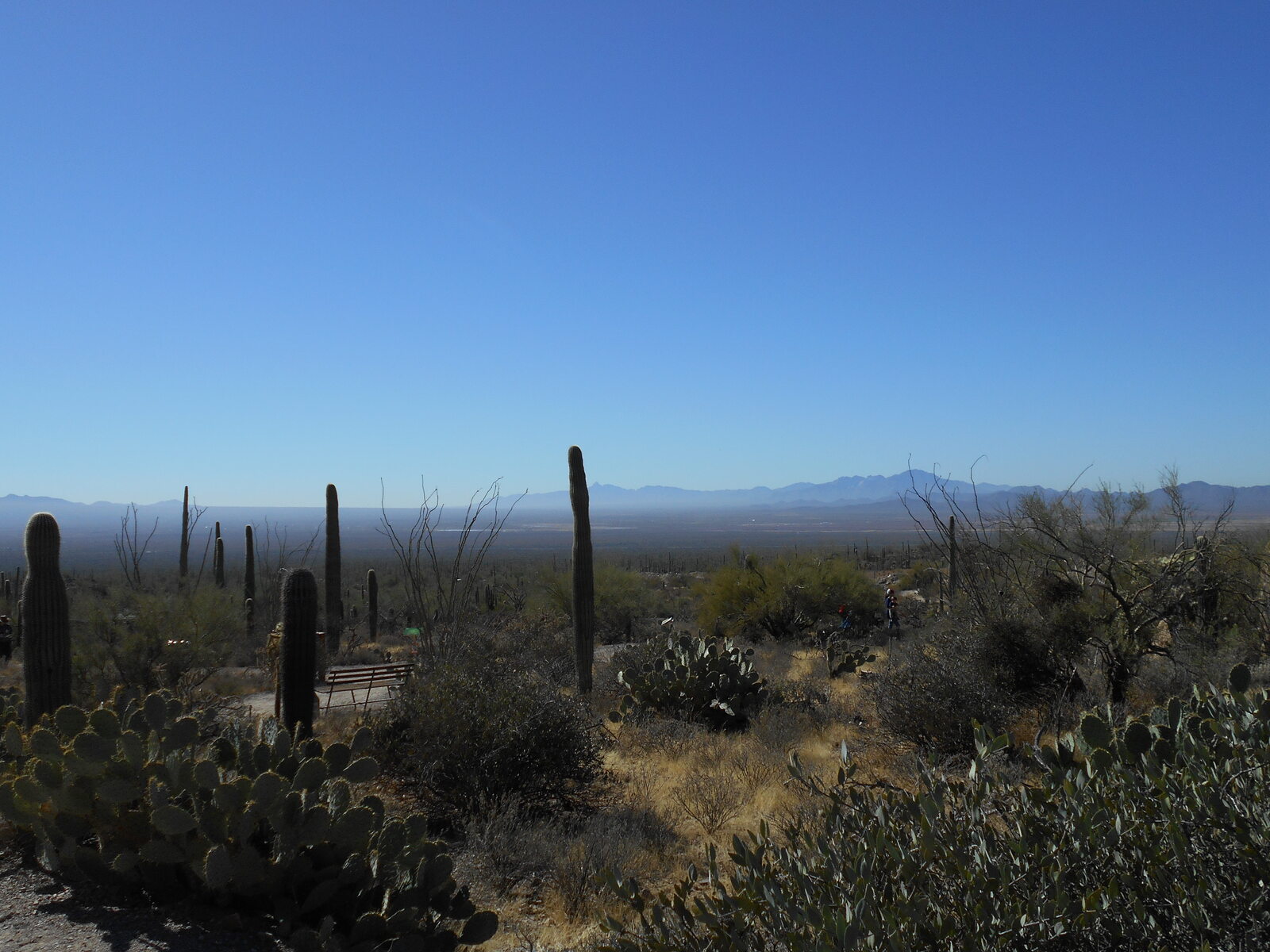
The first surprise is that this museum is not a single building full of display cases. West of Tucson in the Tucson Mountains, the Arizona-Sonora Desert Museum combines a zoo, botanical gardens, an aquarium, art and natural-history exhibits to tell the story of the Sonoran Desert.
Walking paths lead through landscapes where plants and animals are presented as parts of a larger ecosystem. You might stop to study a cactus, look into an aviary, then find yourself learning about the desert's geology or aquatic life. The museum sits on the ancestral homelands of the Tohono O'odham, with a long Pascua Yaqui presence in the region, as the institution acknowledges in its own introduction.
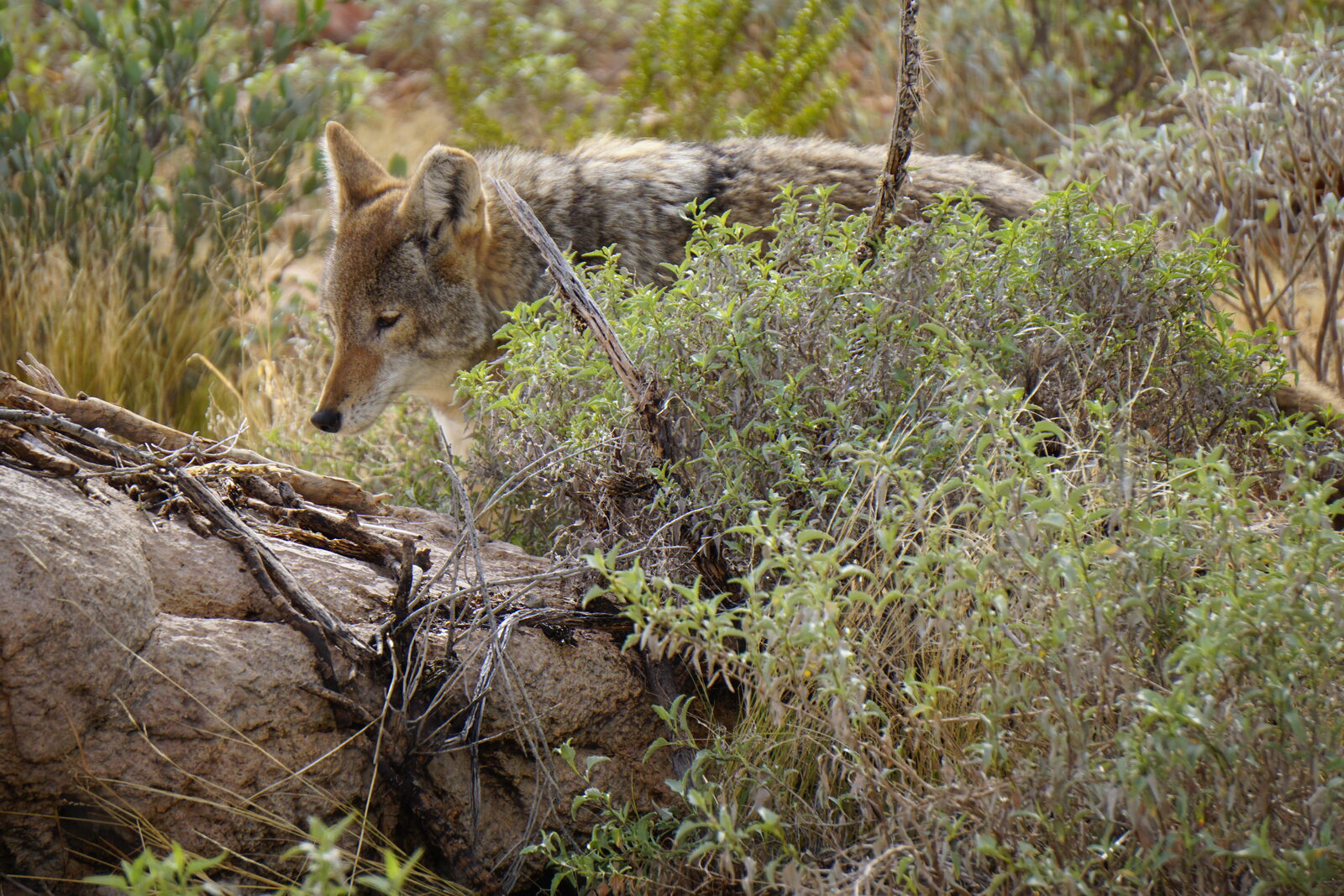
The outdoor setting is part of the appeal, but it also shapes the visit. Bring water, sun protection and comfortable shoes; check the forecast and seasonal opening times before you leave Tucson. Allow time to sit in the shade rather than trying to race through every path.
Pairing a visit with a drive through the surrounding Tucson Mountains can make a memorable day, but check road conditions and leave the plants and wildlife undisturbed. The museum's living collection offers plenty to notice without taking anything home.
2. Musical Instrument Museum — Phoenix

What does a familiar instrument sound like when it is played in a tradition from the other side of the world? Phoenix's Musical Instrument Museum turns that question into an absorbing trip through its galleries.
Exhibits bring together instruments and music from countries and regions around the world. The experience is not just visual: recordings and video help visitors connect an object in a case with the people and musical traditions that give it a voice. It's easy to arrive thinking you will spend an hour and find yourself comparing instruments and listening much longer.
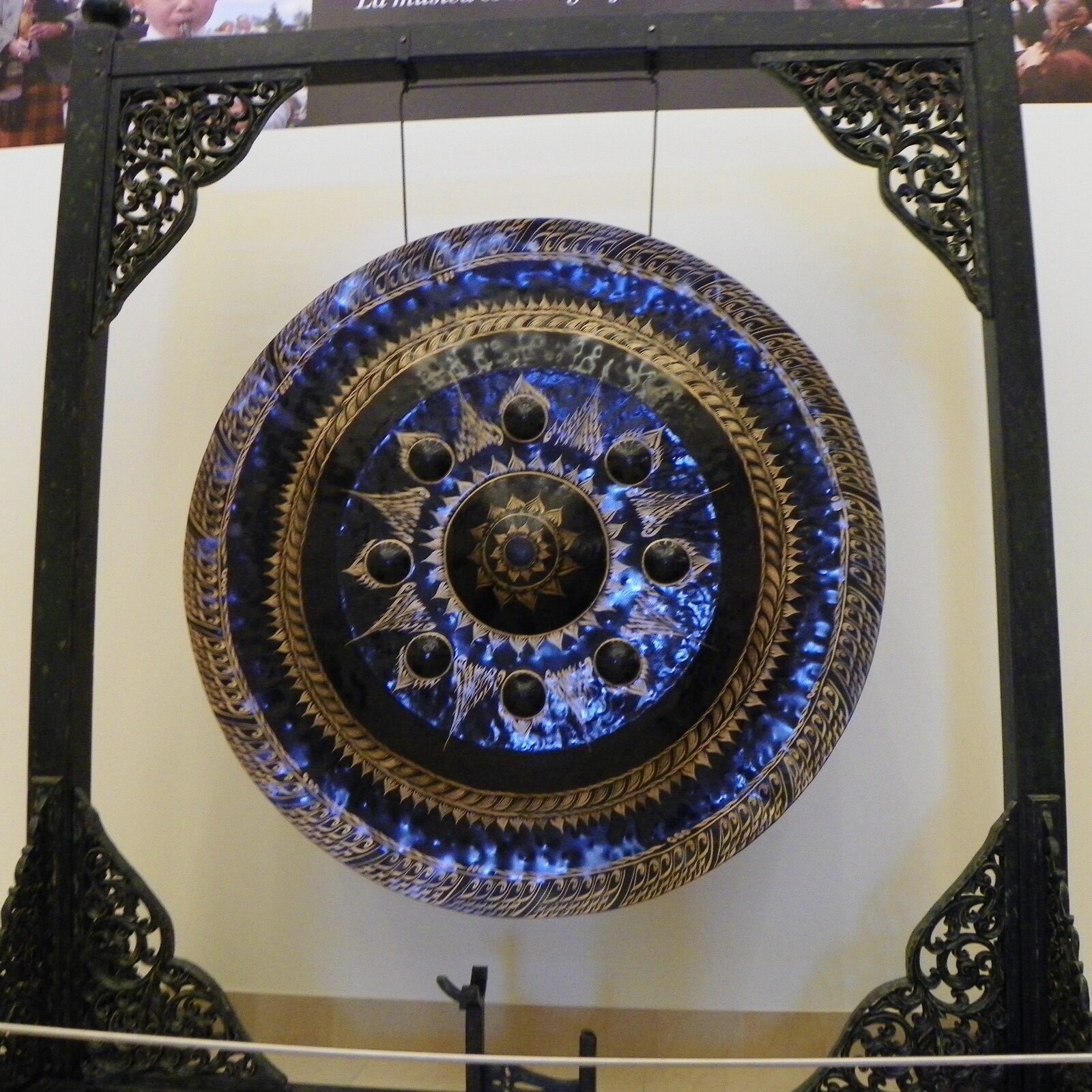
The Experience Gallery offers a more hands-on change of pace, with instruments visitors can try. Other galleries focus on performers and on mechanical music. The museum also presents concerts, though a performance ticket and a museum admission are separate decisions to check when planning a visit.
This is a particularly good choice for a mixed-age group: one person can follow the craftsmanship, another the sounds, and another the maps and places behind them. Check current exhibition access and the concert calendar ahead of time, then give yourself room for an unexpected favorite.
3. Heard Museum — Phoenix
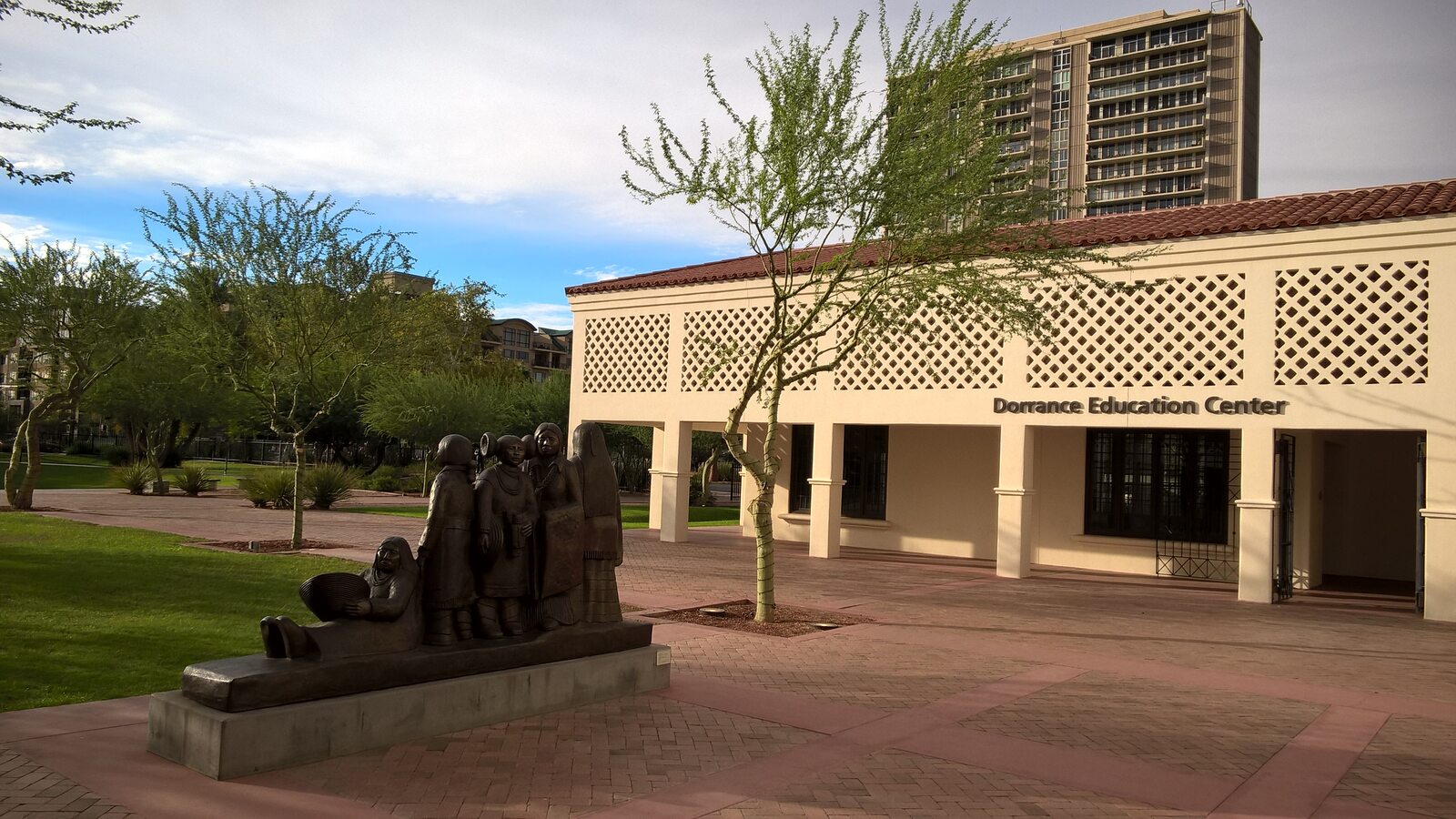
The Heard Museum invites visitors to spend time with American Indian art and the voices of the people who create it. Founded in 1929, the Phoenix institution presents traditional and contemporary work, exhibitions and programs centered on Indigenous perspectives.
Rather than treating Native cultures as a single story fixed in the past, a thoughtful visit makes space for distinct communities, individual artists and work being made today. Take time to read artist names and interpretive labels, and look for the connections between material, technique and personal expression.
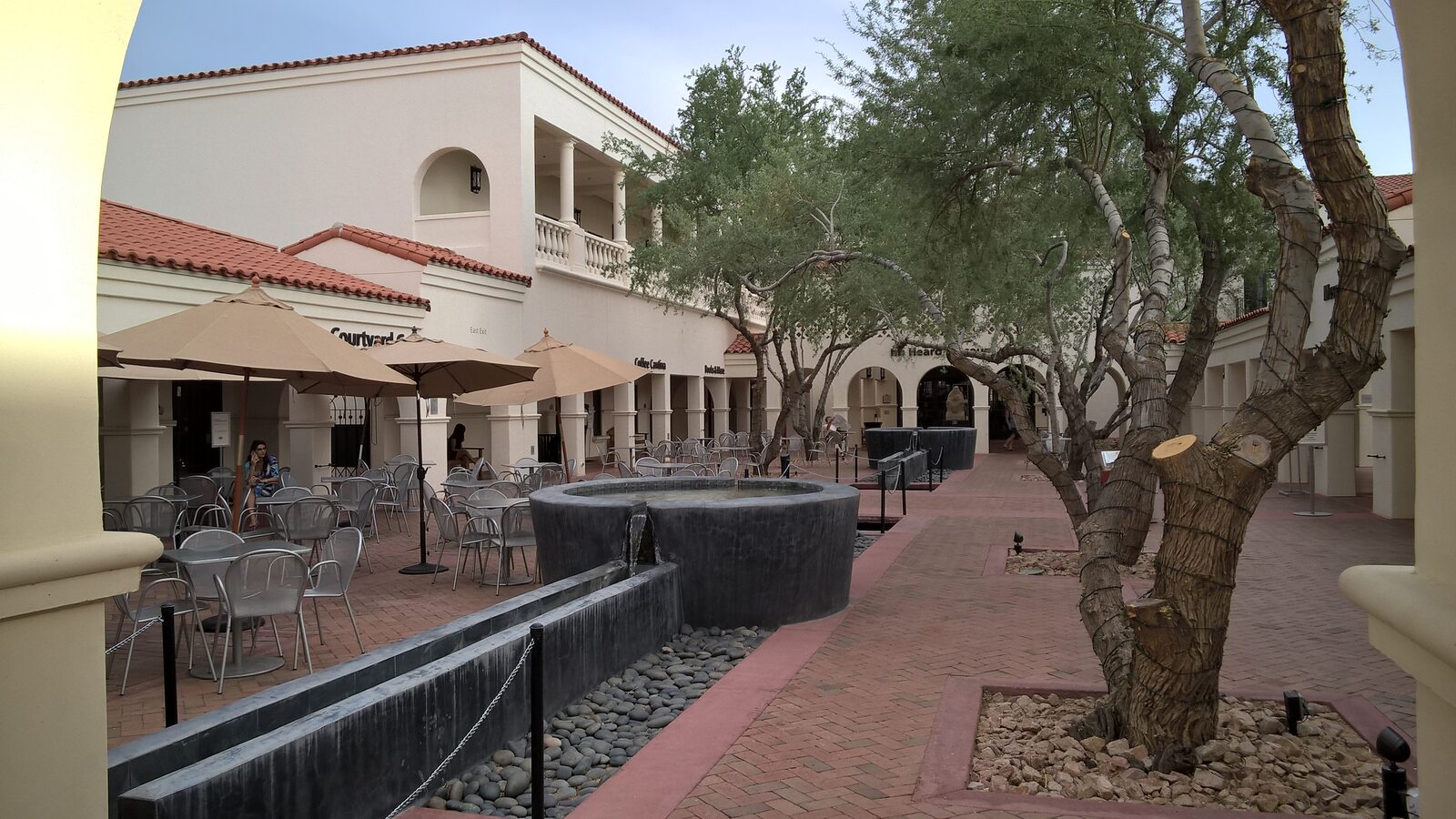
The museum also addresses difficult history. Its boarding-school exhibition presents experiences connected to federal Indian boarding-school policies; visitors should be prepared for a subject that can be emotionally challenging, and families may want to consider the material together.
Exhibitions change, so look at the current program before arriving. The museum's galleries and outdoor spaces reward a slower pace, and its central Phoenix location makes it possible to combine the visit with another stop in the city. Ask staff about current photography policies, especially around sensitive cultural material.
4. Pima Air & Space Museum — Tucson
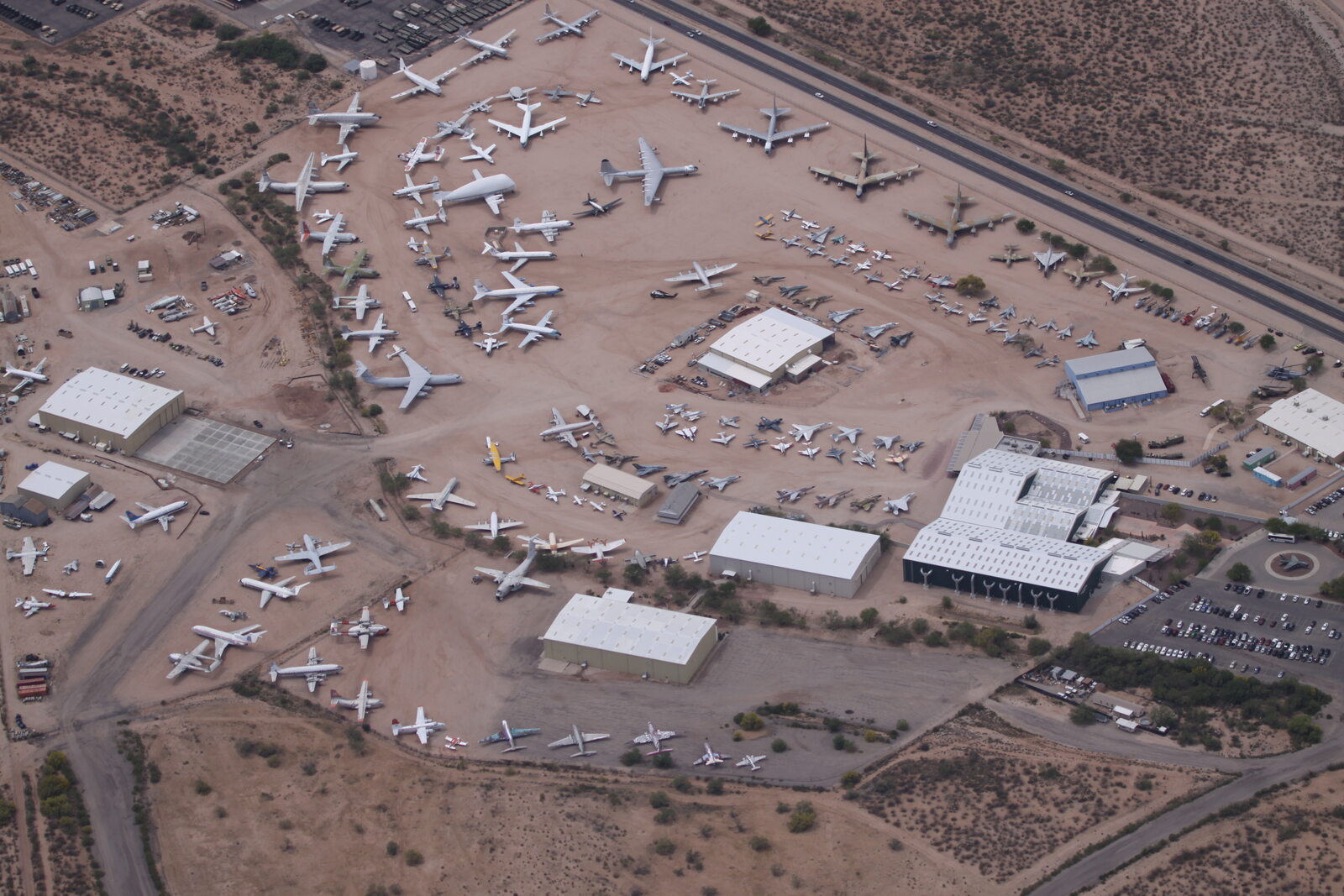
At Pima Air & Space Museum, the scale becomes clear as soon as you start moving among the aircraft. The Tucson museum combines indoor hangars with a large outdoor collection, allowing visitors to compare machines that served very different purposes, from military missions to civilian flight.
Give the collection a few hours rather than treating it as a quick roadside photo stop. The museum suggests approximately three to four hours for a typical visit, and even then you may find yourself choosing between a closer look at one favorite aircraft and a broader walk through the grounds.
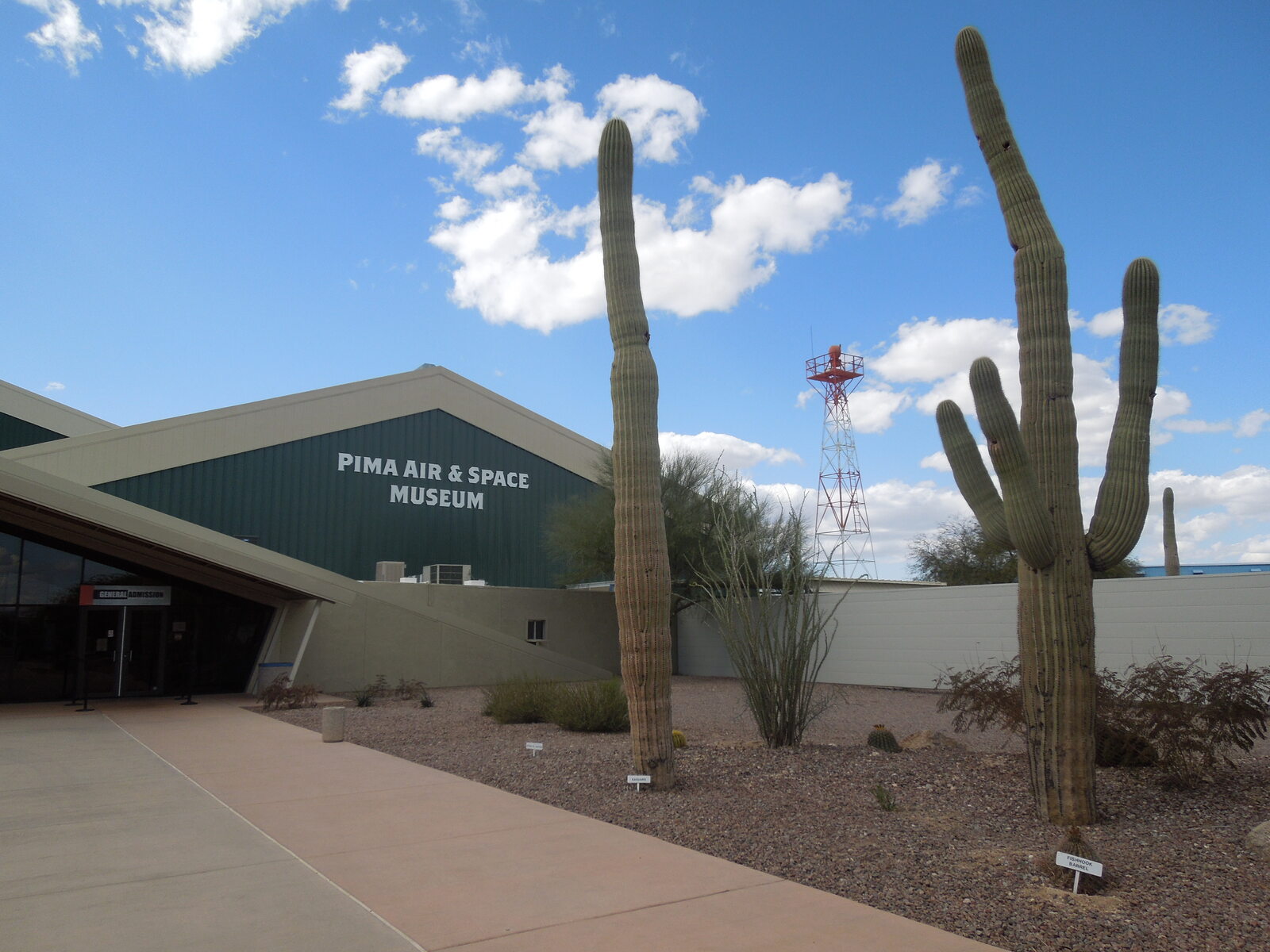
There is a narrated tram option for the outdoor collection, subject to availability. Most aircraft are viewed from the outside; the museum notes that access inside particular aircraft is offered only on selected occasions. Check the current schedule rather than promising a cockpit visit to a hopeful young traveler.
Much of the collection is outdoors, so plan around heat and bring water. The museum notes that some outdoor areas are hard-packed dirt or loose sand, which may be difficult for thin-wheeled mobility devices. Its visitor information is worth reading before arrival, particularly if a member of your group needs a smoother route.
5. Museum of Northern Arizona — Flagstaff
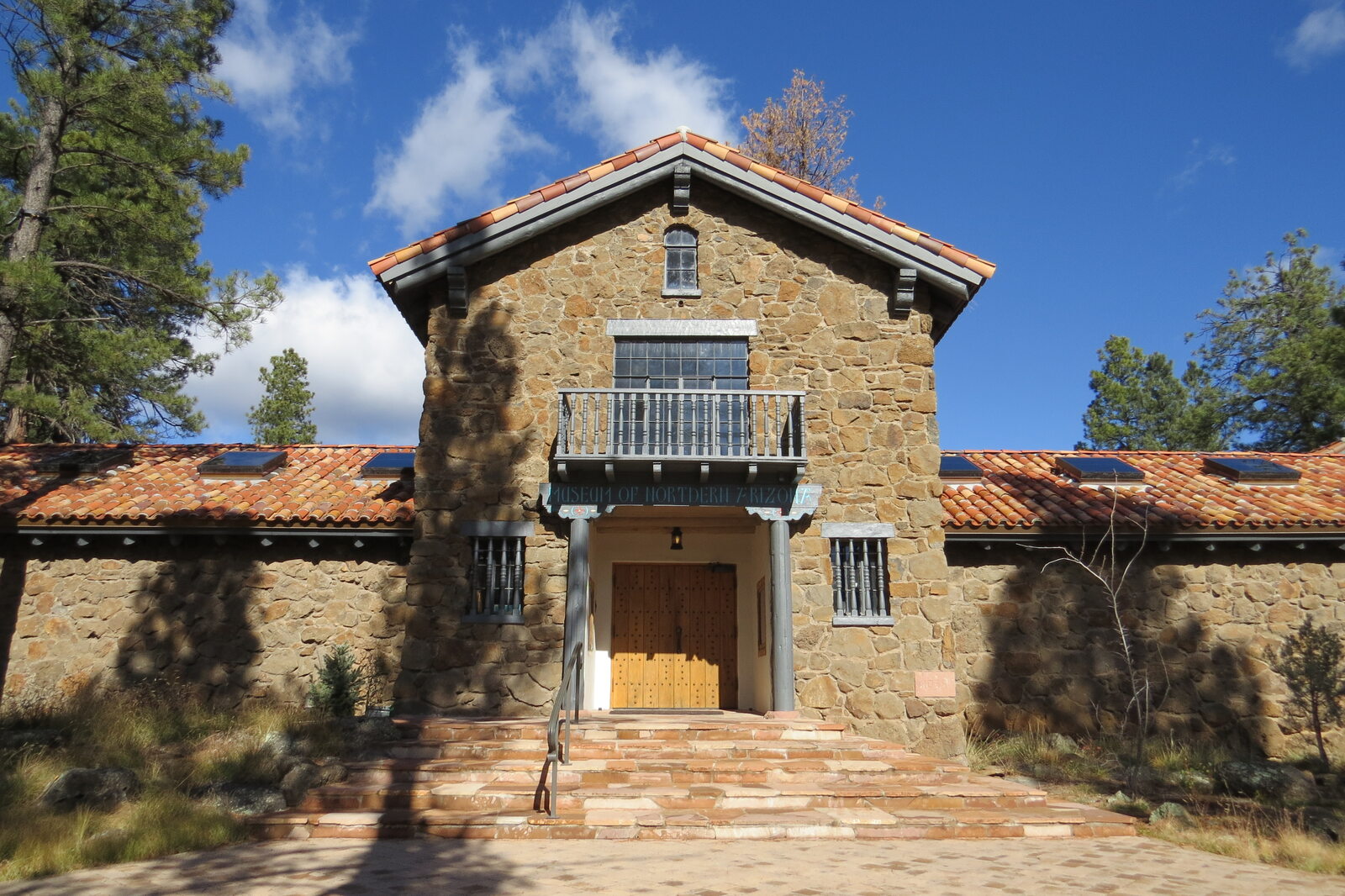
Flagstaff makes a natural base for exploring the high country, but the Museum of Northern Arizona offers another way to understand what you see beyond the windshield. Its collections and exhibitions connect the Colorado Plateau's geology, natural history, art and Indigenous cultures.
Founded in 1928, the museum sits near the San Francisco Peaks on land the institution identifies as sacred to Native peoples across the region. A visit can add context to a larger northern Arizona trip: the layers of a canyon, a ceramic tradition or an artist's interpretation of a familiar landscape each become an invitation to look more carefully.
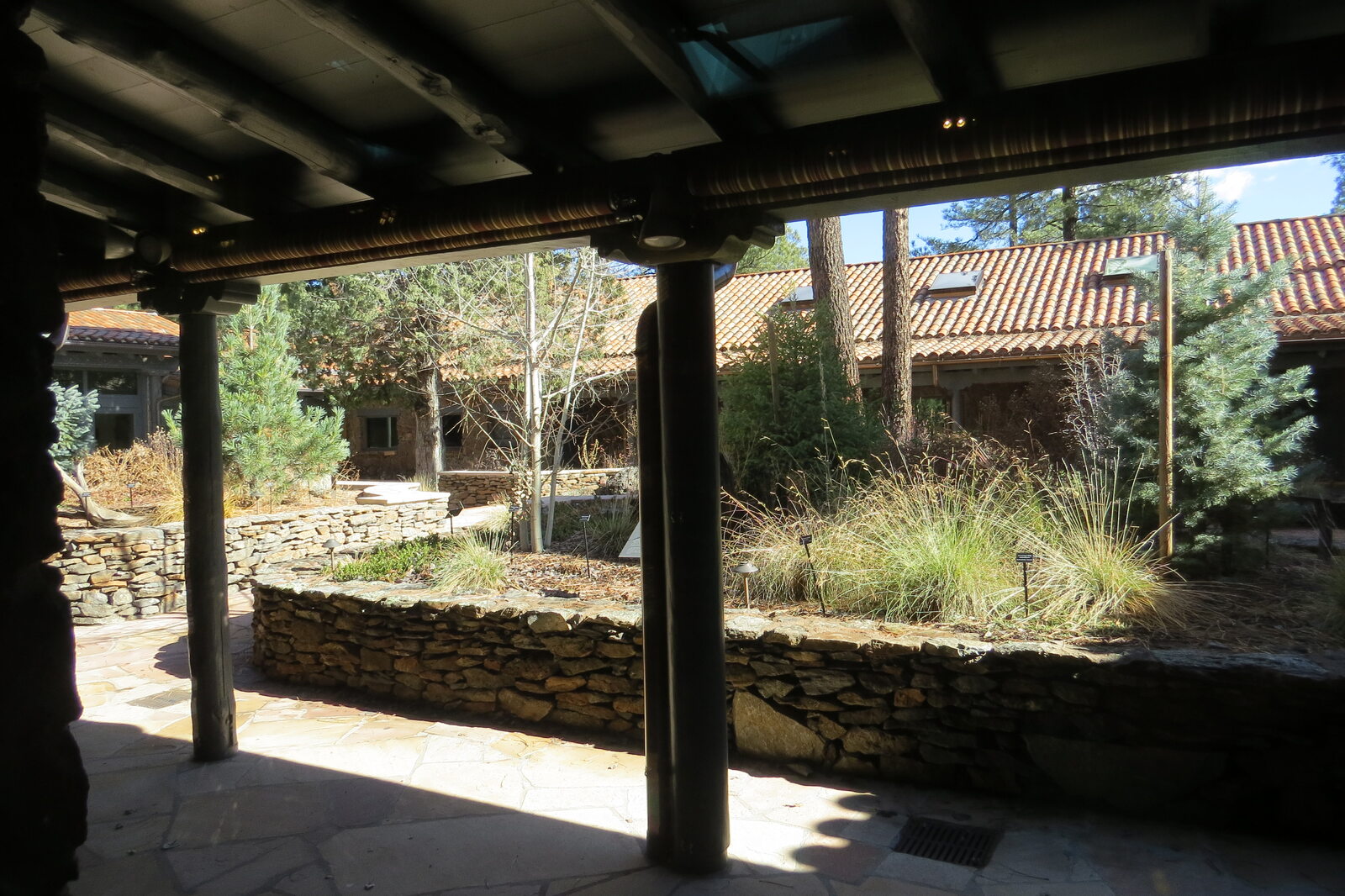
Allow time for both the galleries and the changing exhibitions. If you are especially interested in an artist, a natural-history subject or a particular program, consult the museum's current listings first; temporary displays do not stay in place forever.
The museum is north of downtown along the road toward the Grand Canyon. It can work as a stop on a longer journey, but it is also worth making the main event: leave time to read, listen and reflect instead of squeezing it into the last minutes before closing.
6. Titan Missile Museum — Sahuarita
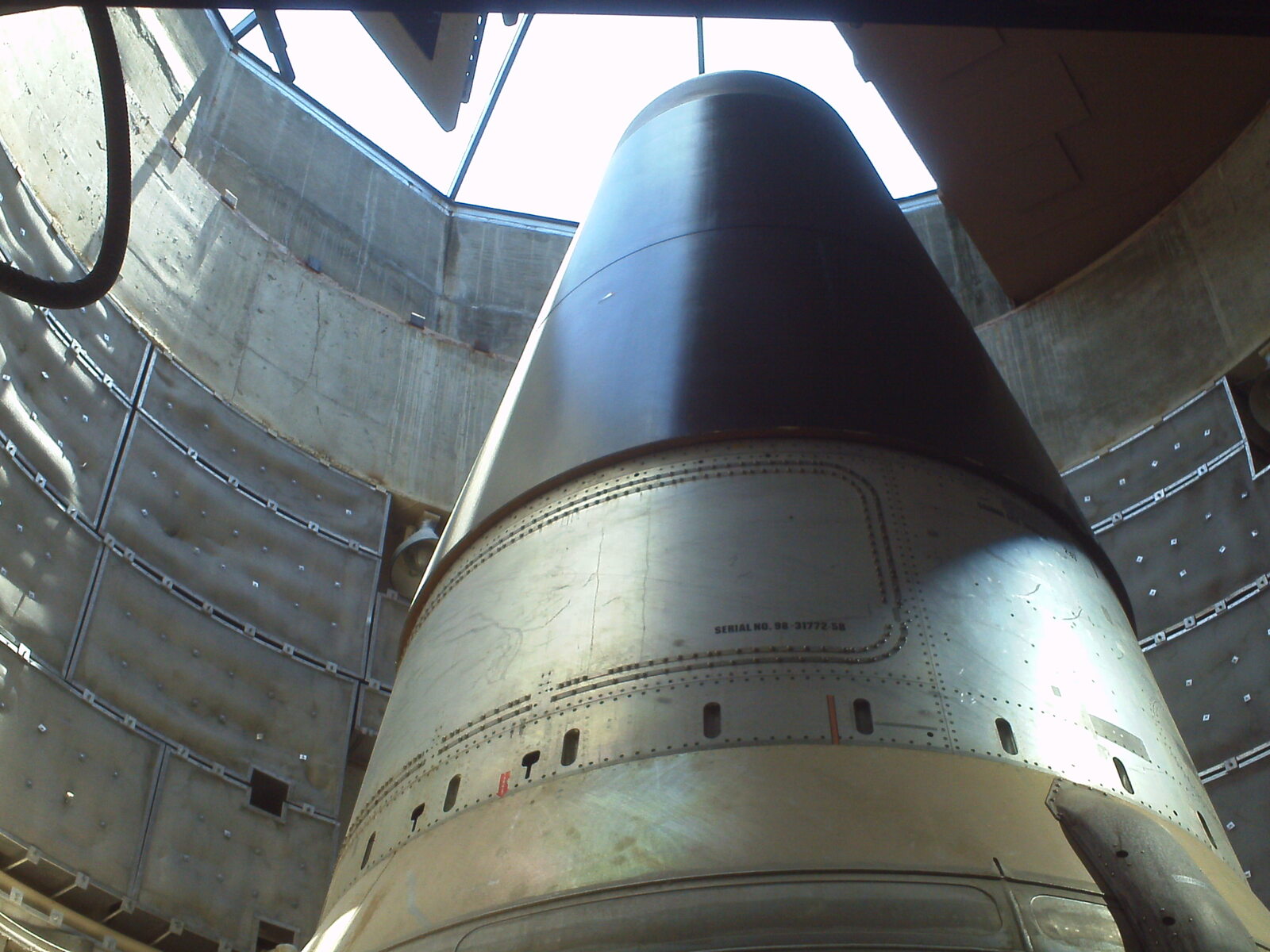
South of Tucson, the Titan Missile Museum preserves a very different chapter of American history. This former missile site was one of the Titan II complexes maintained during the Cold War, and a visit confronts the machinery and decisions behind the threat of nuclear war.
The guided underground tour takes visitors through part of the complex, including the launch control center and a view of the missile in its silo. A simulated launch is part of the interpretation. Above ground, a separate self-guided topside visit offers a look at the site without entering the underground complex.
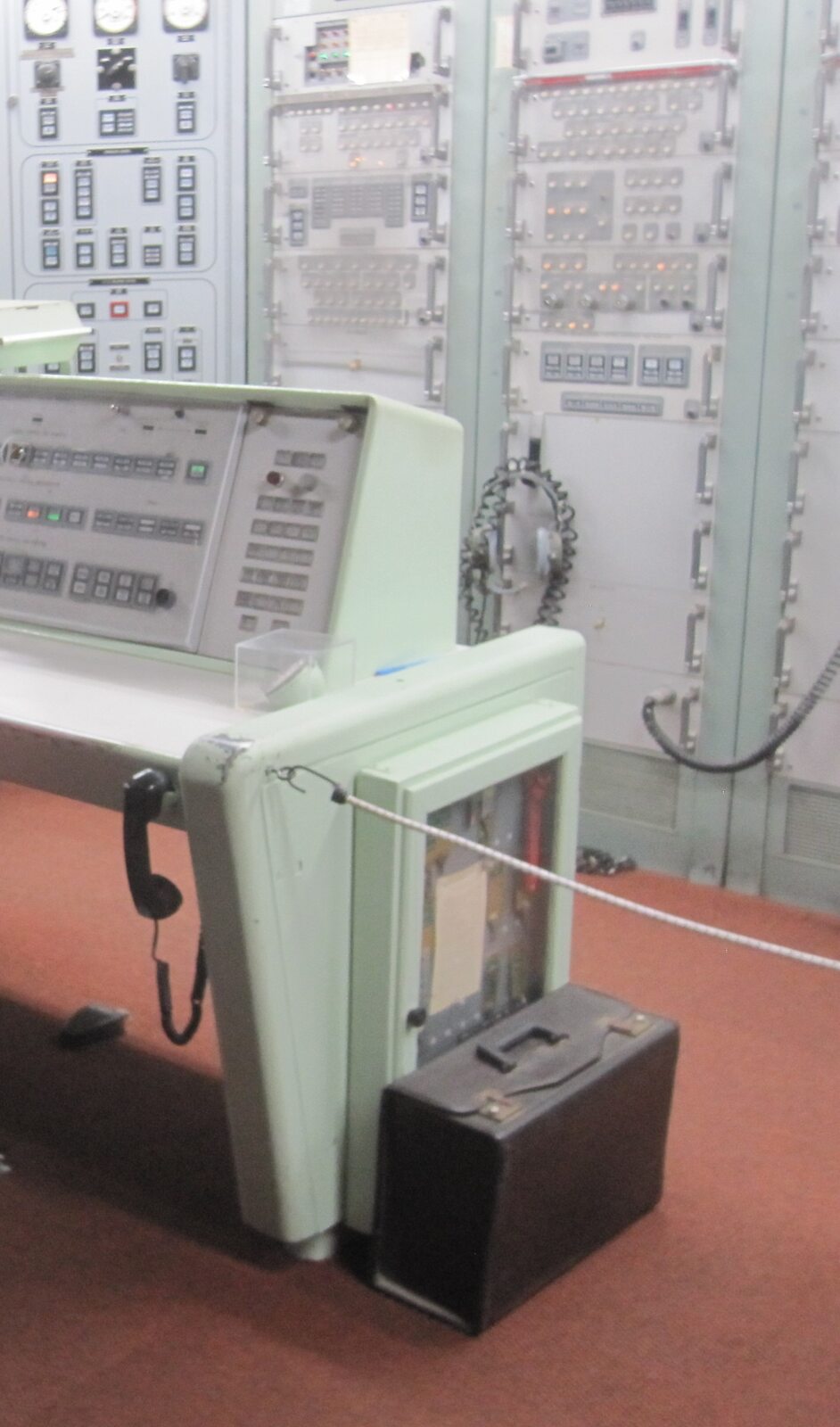
The practical details matter here. The museum's current visitor page says underground tickets must be reserved online; check the latest instructions before traveling. Visitors on that tour must be able to descend and climb 55 metal-grate steps and stand for approximately 45 minutes, with no elevator available for the tour. The surface-only visit is a different ticket and does not include underground access.
The experience can prompt thoughtful conversations about technology, national security and the consequences of nuclear conflict. Review the subject matter and physical requirements with your group before choosing a tour.
Make a day of discovery
These museums are spread across several parts of Arizona, not a single easy afternoon's drive. Pick one as the anchor for a day in Tucson, Phoenix or Flagstaff, and add a meal or another nearby stop if time permits.
The reward is more than a collection of photographs. Each place offers a different lens on the state—and a reason to come back with new questions.


