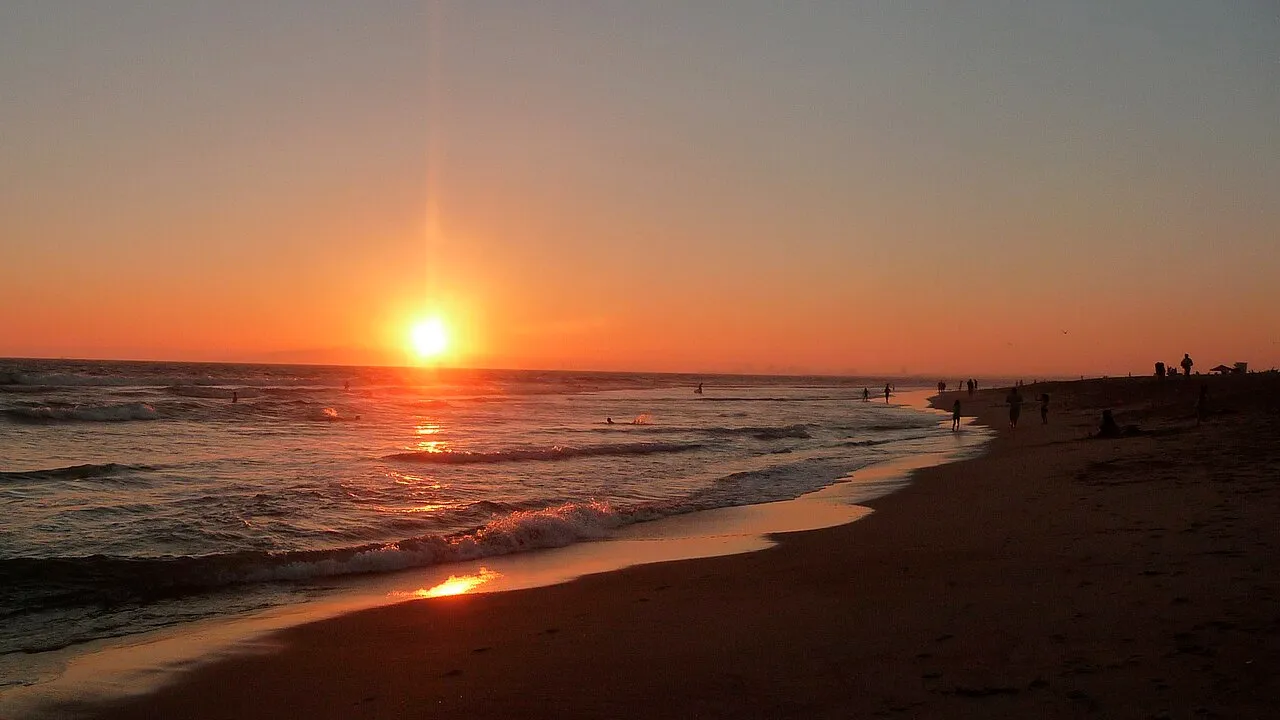
HUNTINGTON BEACH, Calif. — Visitors to Bolsa Chica State Beach should keep their distance from any sea snake they find and report it to park staff, California State Parks said after a yellow-bellied sea snake washed ashore there on Nov. 22.
State Parks staff found the snake alive, but it appeared lethargic and was unlikely to survive, according to a statement from the agency reported by Victor Valley News. The find is one of eight documented yellow-bellied sea snakes in California.
The species is venomous. State Parks advises visitors not to touch a sea snake, even if it appears dead. People who spot one should note a nearby landmark, such as a numbered lifeguard tower, and report the location and details to park staff. The agency also encouraged visitors to use the iNaturalist app to contribute to a statewide coastal wildlife tracking project.
What To Do If You Spot One
Take photographs from a distance and alert a lifeguard or park staff, CBS Los Angeles reported, citing guidance from Natural History Museum of Los Angeles County curator Greg Pauly. The museum is also asking beachgoers to look for unusual wildlife and possible sea turtle nesting evidence.
The Independent reported that the museum advises people who find a nesting sea turtle or possible exposed eggs to notify local lifeguards. If no lifeguard is available, the report says sightings can be sent to NOAA’s California Sea Turtle Stranding Line or through the West Coast Sea Turtle Sightings Submission Form.
Rare Sightings Along The Coast
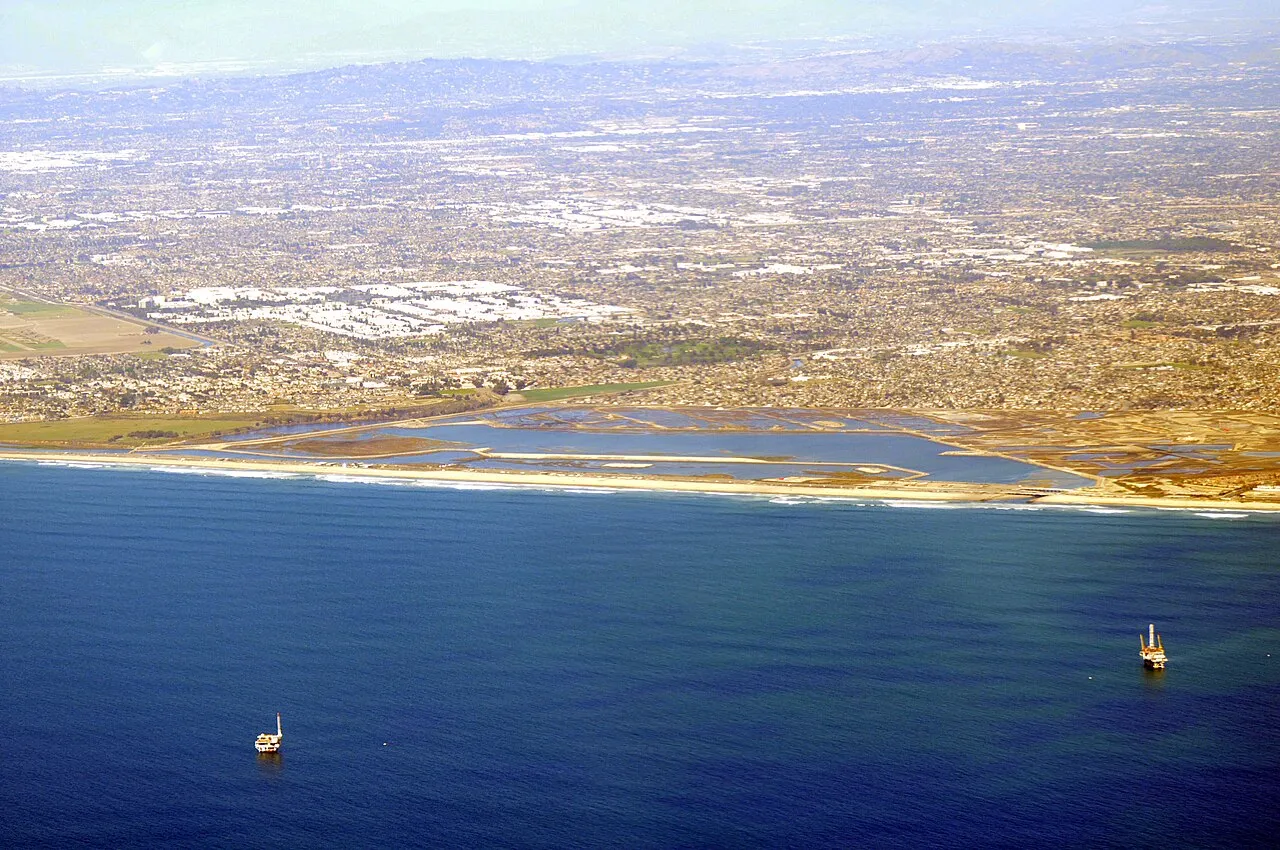
The Bolsa Chica discovery is the second yellow-bellied sea snake reported on an Orange County beach in recent months. A previous sighting was at Crystal Cove State Beach in September, according to Patch and CBS Los Angeles.
State Parks said seven of California’s eight documented sea snakes washed ashore during El Niño events, according to Victor Valley News. The agency said warmer ocean temperatures associated with El Niño could bring more unusual marine wildlife to the coast. Scientists are studying why sea snakes wash ashore, and State Parks said sightings can help researchers track El Niño’s effects on coastal wildlife.
CBS Los Angeles reported that scientists have also documented olive ridley sea turtle nesting activity in California, including nests in Orange County and farther north. The Independent reported a Santa Barbara County nest that the Natural History Museum described as the northernmost and earliest documented in California. The reports describe these turtle and snake appearances as rare in the region.