Georgia has no shortage of ways to spend a day outdoors, but a garden invites a different pace. Instead of racing toward a summit or fitting another attraction into the afternoon, you can follow a path, pause beside a pond and see what is in bloom when you happen to arrive.
These six gardens and arboretums range from an Atlanta landmark to a former bamboo farm near Savannah. Some are free community spaces; others are larger ticketed destinations. They also look different from season to season, so check current hours and bloom reports before making a special trip.
1. Atlanta Botanical Garden — Atlanta
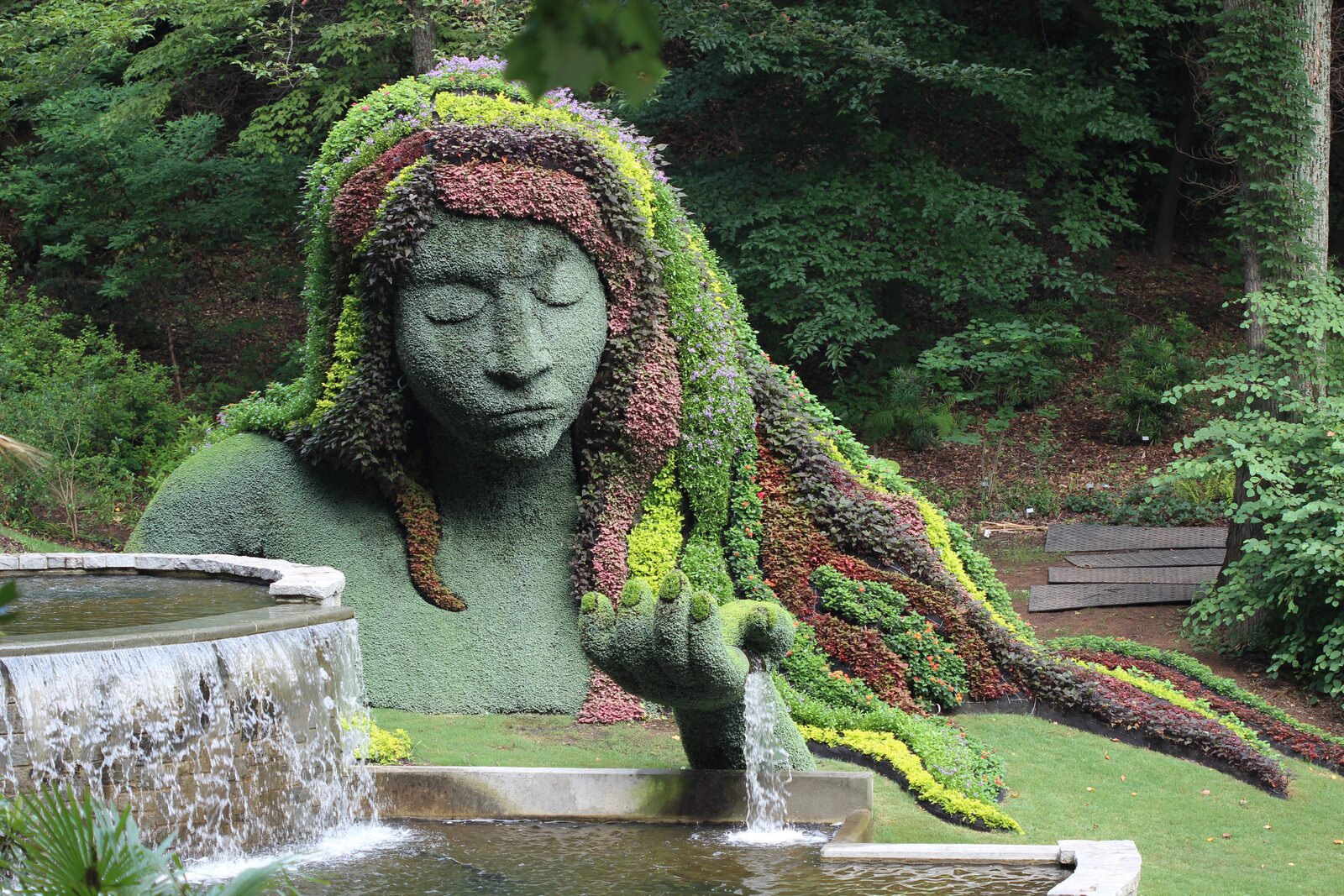
The Atlanta Botanical Garden offers a useful reminder that a city day can include more than traffic and tall buildings. In Midtown, the garden brings together cultivated displays, woodland and indoor collections in a setting that feels like a change of scene without leaving town.
Start with the Kendeda Canopy Walk if you want a different perspective on the trees. The elevated walkway crosses into Storza Woods and lets visitors look through the canopy rather than only up at it. Elsewhere, the Cascades Garden features the Earth Goddess living sculpture, while the Fuqua Orchid Center offers a reason to spend time indoors when the weather turns uncooperative.
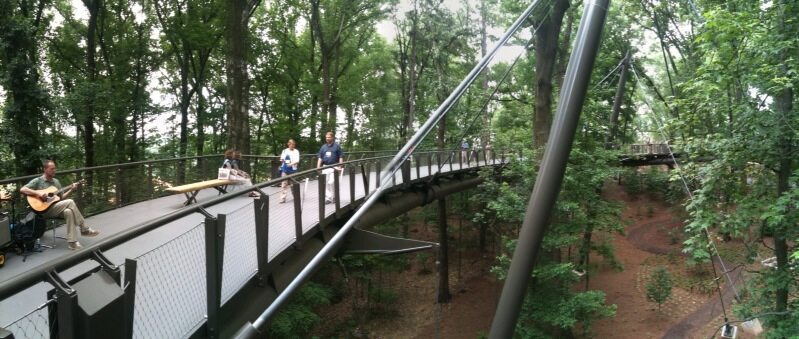
Families can look at the Children’s Garden, and visitors with a little extra time may enjoy choosing just a few areas rather than trying to cover every path at once. The garden’s plant displays and special exhibitions change, so a photograph from a previous year is not a guarantee of the same flowers or installations during your visit.
The Atlanta location generally opens Tuesday through Sunday, with selected exceptions, and admission is charged. Special events can affect daytime hours or require separate tickets. Check the official calendar and parking information before going, particularly during the winter light season.
2. State Botanical Garden of Georgia — Athens
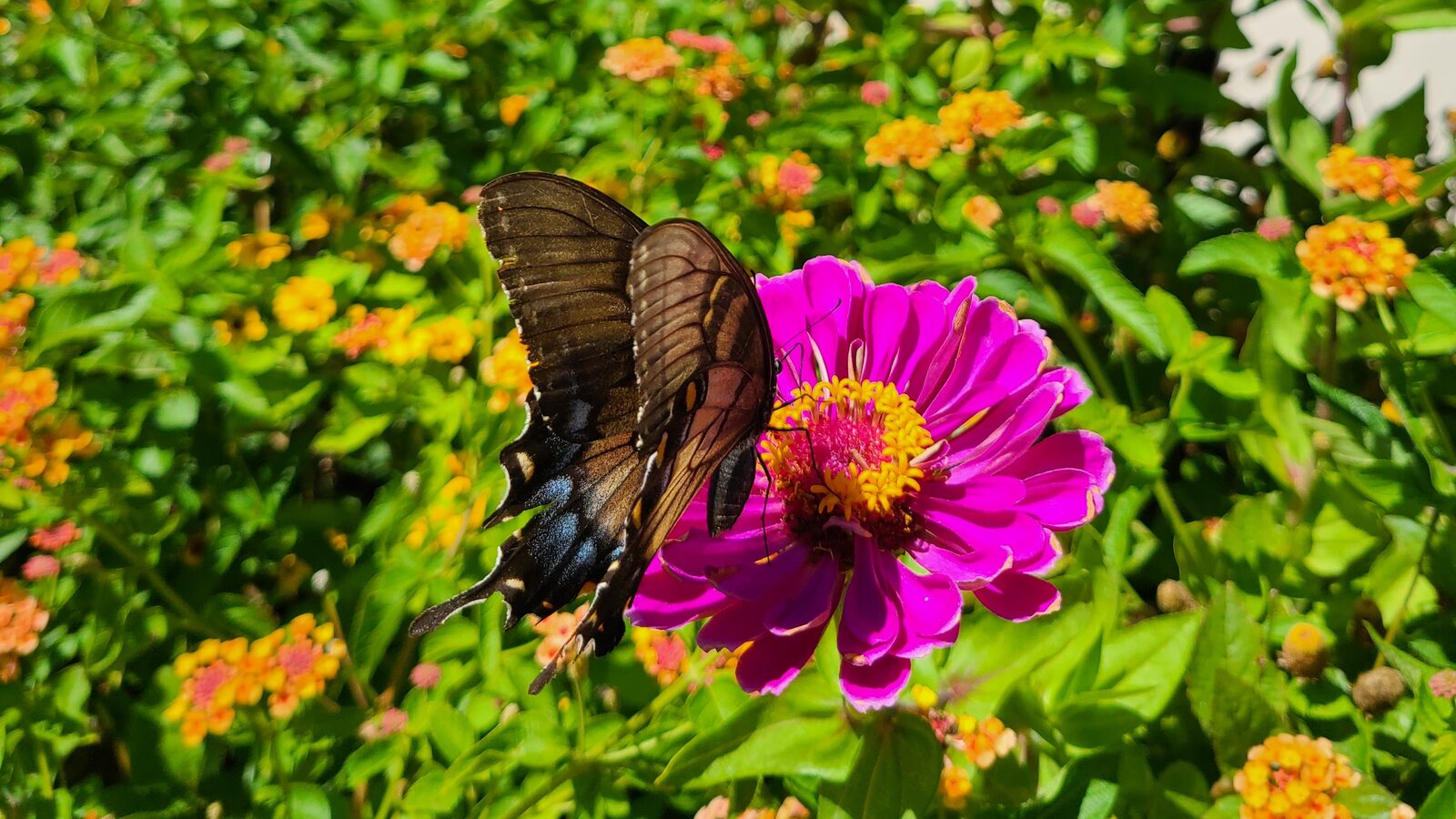
Near Athens, the University of Georgia’s State Botanical Garden combines display gardens with nature trails, making it a good choice for people who want both a tended landscape and a longer walk among trees.
The International Garden connects plants with history and culture, while the Heritage Garden and Alice H. Richards Children’s Garden offer different ways to explore. You can plan a route around a family member’s interests or simply follow the paths and let the garden unfold a little at a time. On a mild day, the choice between a more formal planting and a woodland trail is part of the pleasure.
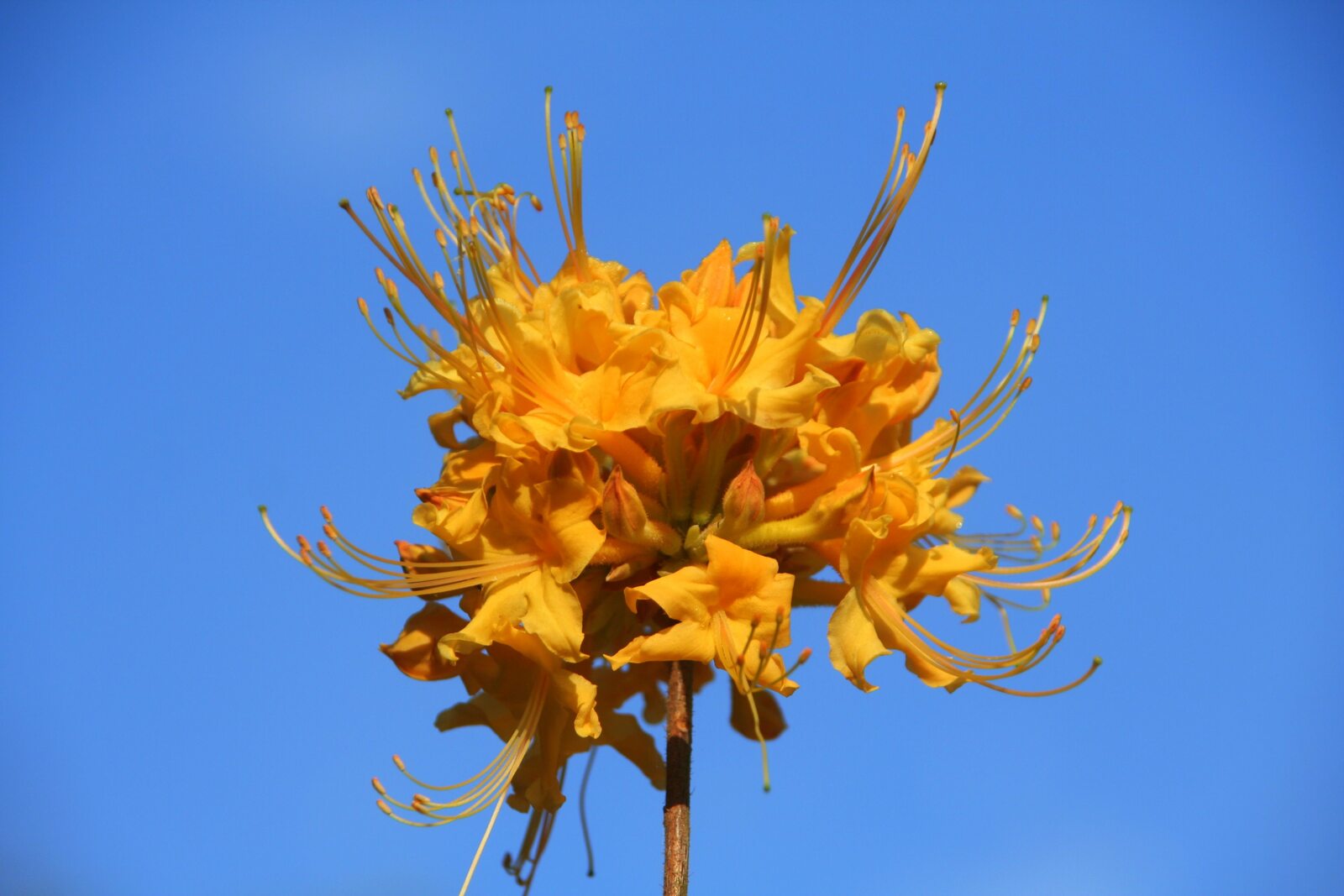
General garden admission and parking are free, although guided tours and special events can carry fees. The garden asks visitors to leave pets at home, with an exception for service animals. Some paths and trails offer different conditions, so consult the garden map and ask staff about the route that best fits your group.
There is a timely scheduling detail for winter visitors: the garden says its grounds close at 4 p.m. daily for Winter WonderLights through January 18, 2027. Its calendar also lists holiday closures and separate evening event hours. Check both the ordinary visiting page and the event calendar before driving to Athens.
3. Gibbs Gardens — Ball Ground
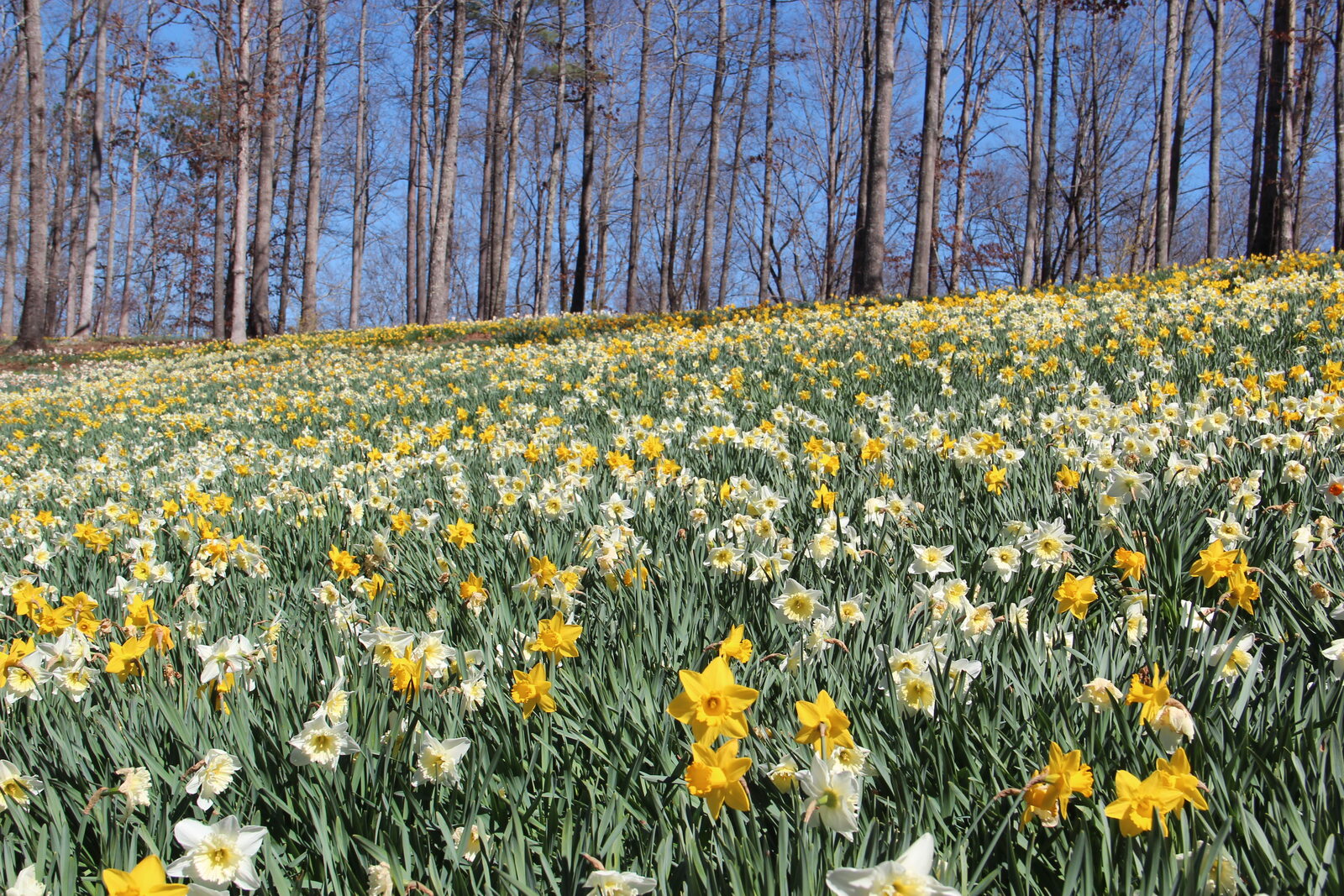
Gibbs Gardens is the kind of destination that rewards a look at the season before you buy a ticket. Spring daffodils, water features and a Japanese garden can give repeat visits very different personalities, and the broad grounds offer plenty of reasons to walk slowly.
The Valley Gardens include waterlily and Japanese garden areas as well as other displays. Rather than trying to predict exactly what will be blooming, check the garden’s current reports and choose the plants or landscape features that matter most to you. A daffodil field photographed in February tells you what a previous visitor saw, not what will necessarily be there on your chosen weekend.
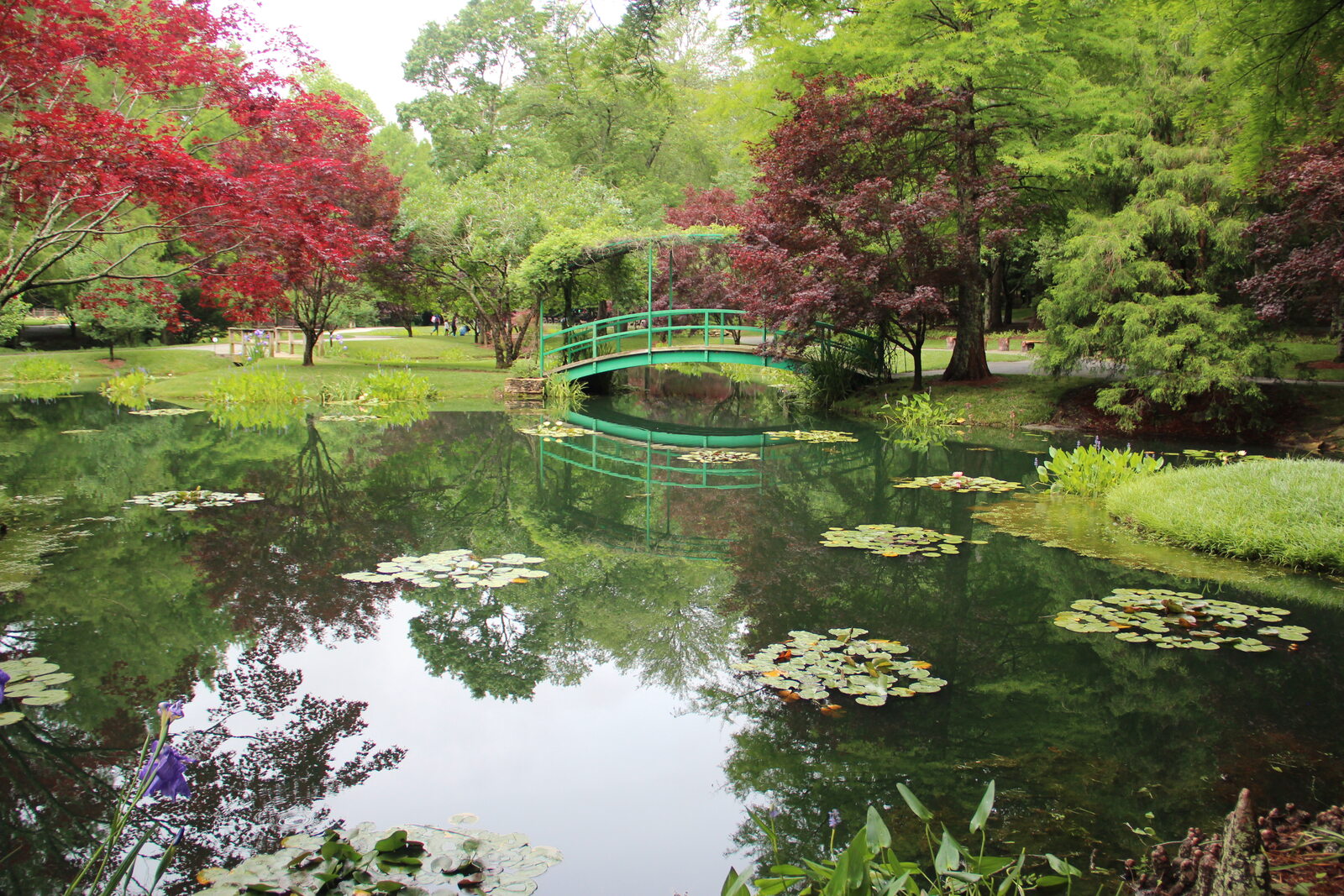
The size of the property also makes practical planning worthwhile. The garden’s accessibility information describes which areas can be enjoyed from lower levels and which facilities are accessible. Review it ahead of time if your group includes someone who prefers a shorter or less demanding route, and wear comfortable shoes for the paths you plan to explore.
For the 2026 season, Gibbs lists a Thanksgiving closure and says the gardens close for winter at 4 p.m. on November 29. Reopening dates and seasonal access can change, so check the official calendar before planning a winter or early spring drive to Ball Ground.
4. Callaway Resort & Gardens — Pine Mountain
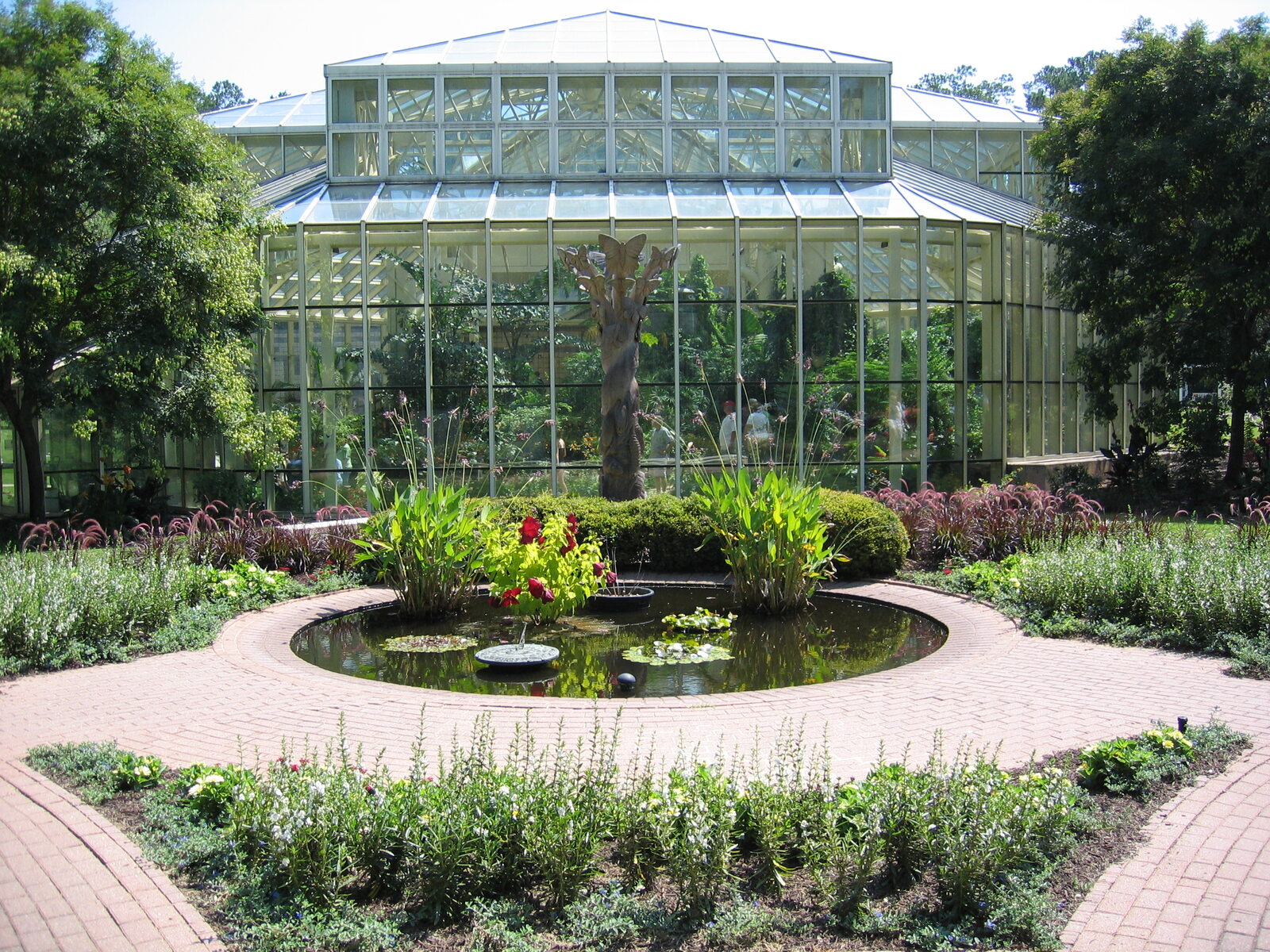
Callaway is more than a single flower garden. The Pine Mountain destination combines gardens and woodland with lakes, trails and attractions spread across a large property, making it well suited to visitors who want to fill much of a day.
One memorable stop is the Cecil B. Day Butterfly Center, where visitors can watch butterflies among the plants. The garden also offers opportunities to explore by trail, and the landscape changes with the season. In spring, flowering shrubs can be a highlight; at other times, the appeal may be a quieter walk or the chance to look around the butterfly center.
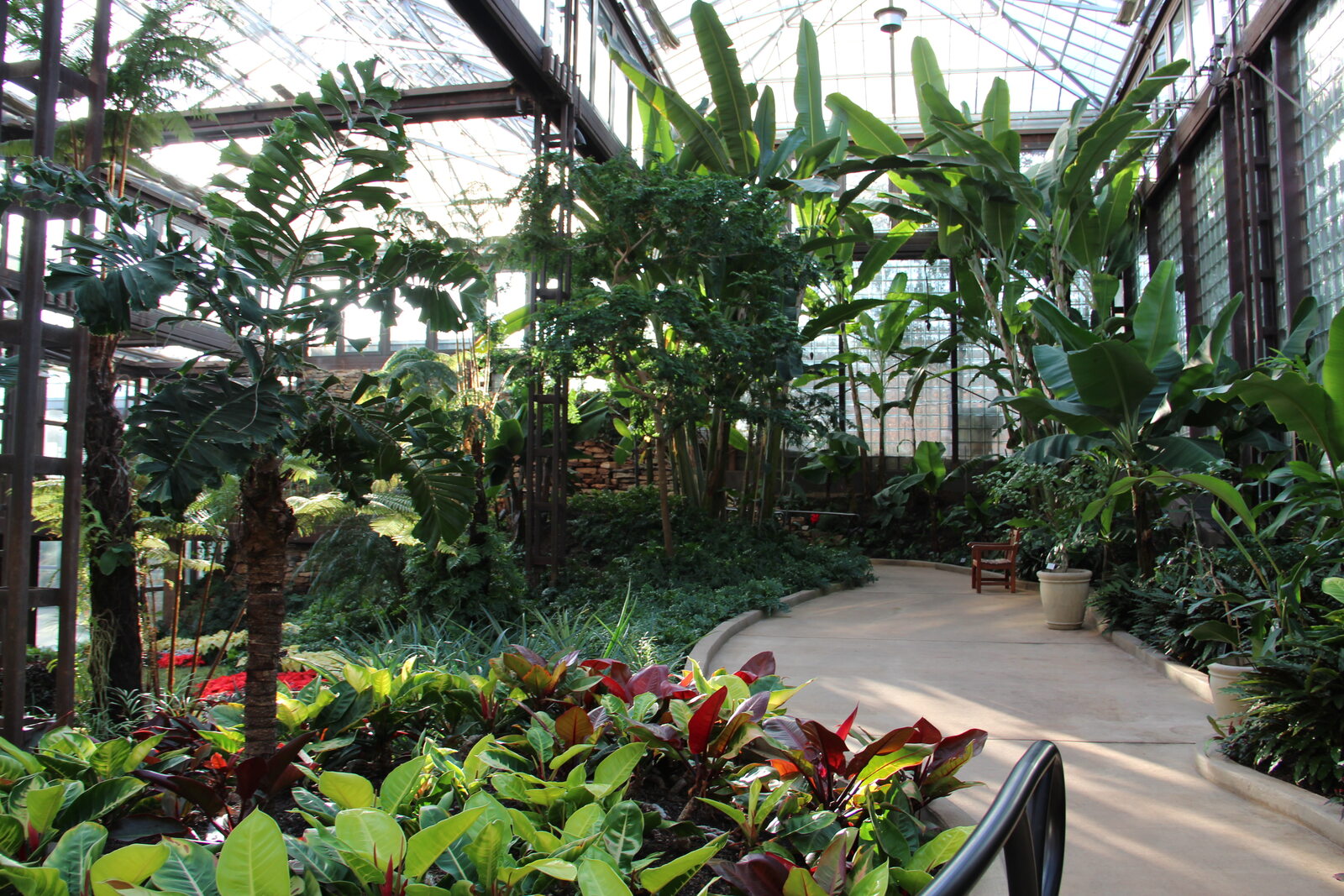
Because attractions are spread out, study the map and decide what matters most to your group before arrival. Check the admission options and current operating hours for individual attractions, not just the main gate. Some activities, transportation choices or special events may have separate requirements or fees.
Callaway’s holiday light event is a separate reason many people visit late in the year. If your goal is a daytime garden trip, verify the daytime schedule and the ticket that applies to it. That small bit of planning can prevent a surprise when a seasonal event changes the rhythm of the property.
5. Lockerly Arboretum — Milledgeville
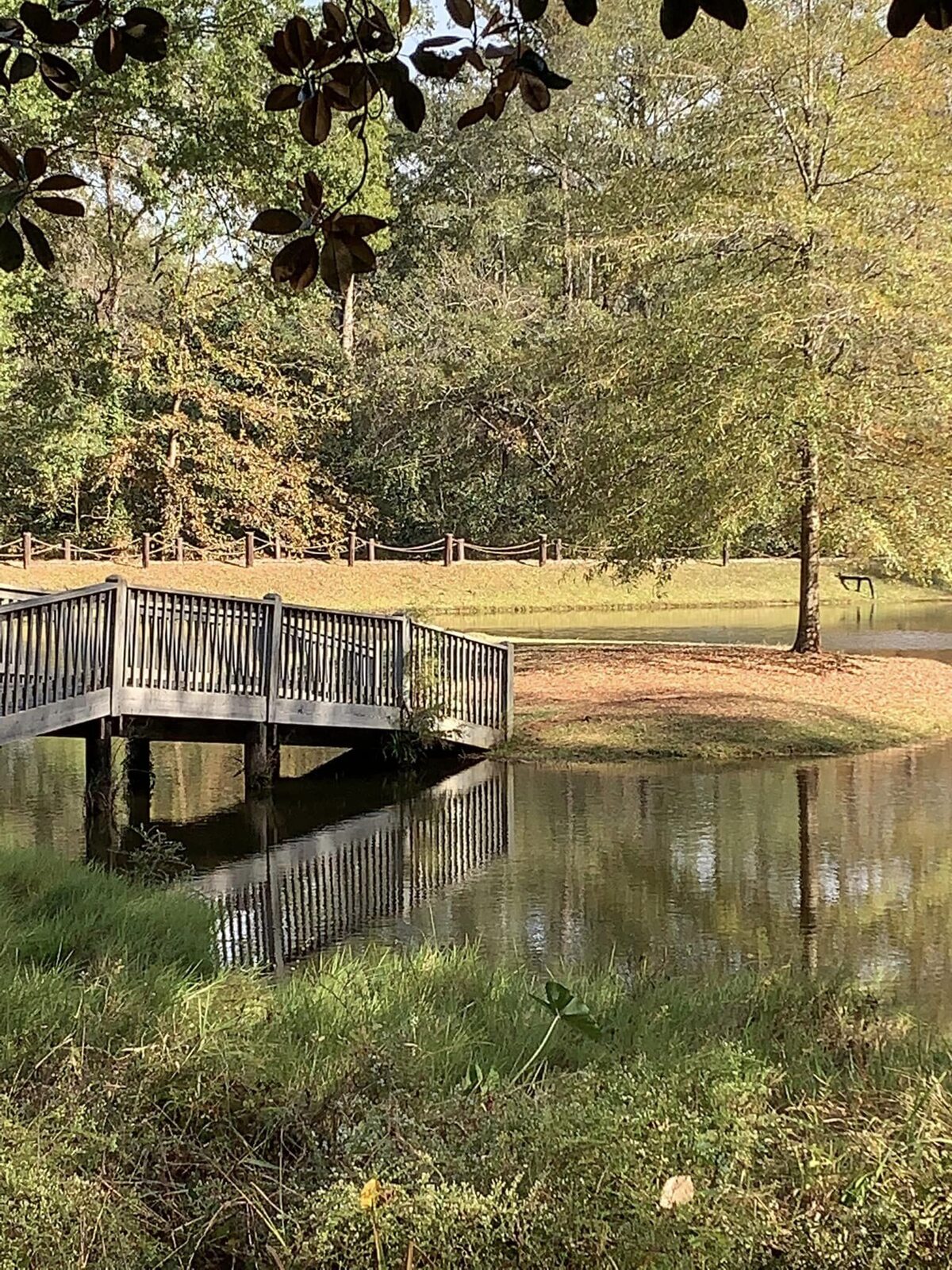
Lockerly Arboretum offers a gentler, more local-feeling outing near downtown Milledgeville. Visitors can walk the grounds and nature trails, look for birds, or bring a picnic and take a little longer beside the pond.
The arboretum describes itself as a place for education as well as enjoyment. Its collections include native and ornamental plants, so this is a good stop for someone who likes noticing the shape of a tree or comparing plants along a trail as much as seeing a concentrated display of flowers. There is no need to make every visit a formal tour; a short walk can be enough to make the afternoon feel different.

The grounds also include Rose Hill, a historic house whose present structure dates to the nineteenth century. House tours have their own schedule and fee, distinct from the free garden grounds. If a tour is important to your visit, contact the arboretum first rather than assuming the house is open whenever the paths are.
As of November 2026, Lockerly lists weekday hours year-round apart from its holiday closure, with Saturday hours only from March 1 through November 15 and no Sunday opening. Leashed dogs are welcome on the grounds under the arboretum’s rules. Confirm current hours and policies before setting out.
6. Coastal Georgia Botanical Gardens — Savannah area
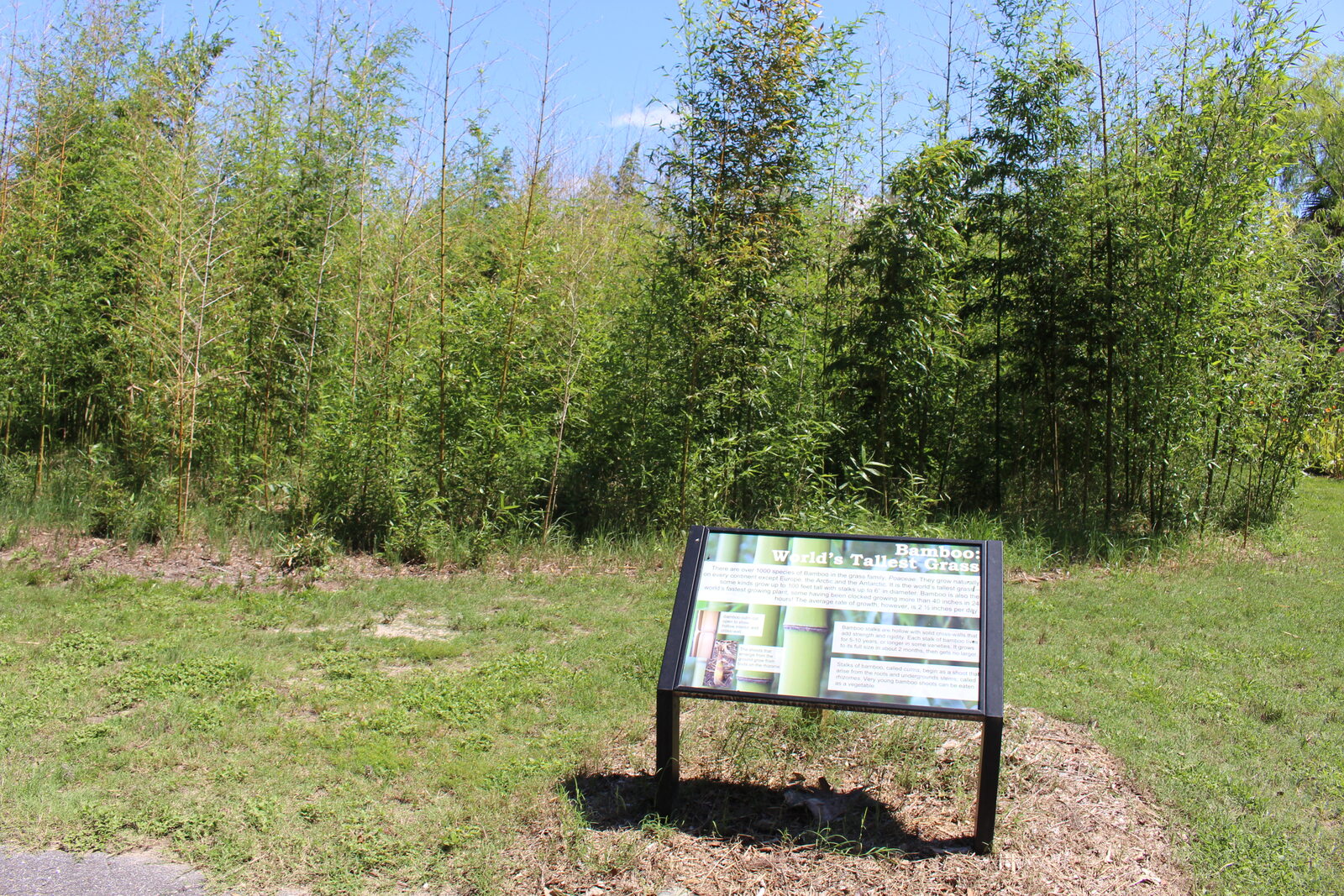
Southwest of downtown Savannah, the Coastal Georgia Botanical Gardens grew from a site with a long association with bamboo. Today the University of Georgia manages the gardens, where collections and walking paths give visitors another way to experience the coastal landscape.
The historic bamboo collection is a natural starting point, but leave time for the other gardens too. Seasonal flowers, water features and the camellia collection give the grounds variety, and the pace is easy to adjust: you can come for a short self-guided stroll or spend longer looking at individual plants. The gardens recommend allowing at least an hour.
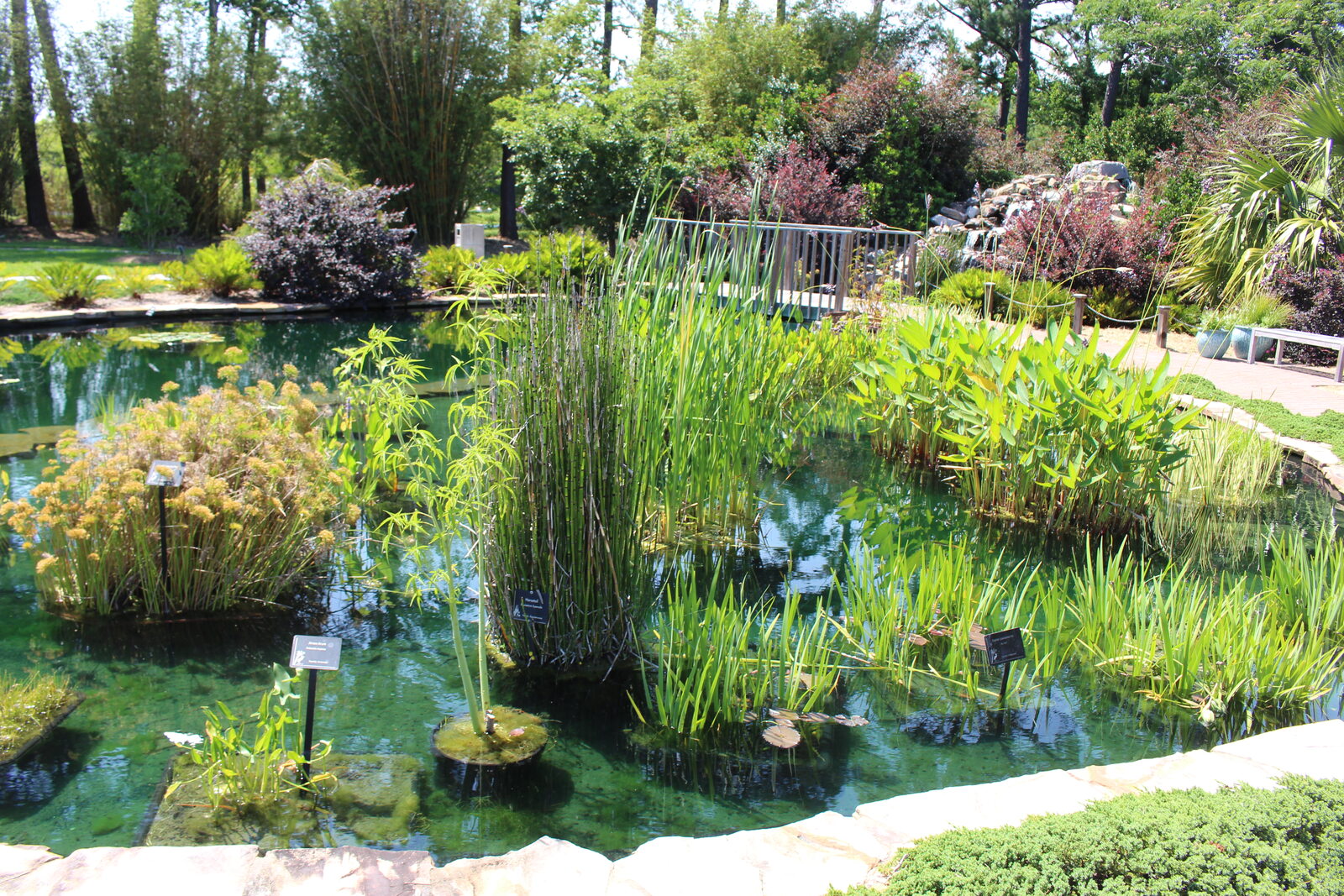
Most routes use brick or crushed stone, although some areas have grass or mulch. The gardens describe most of the grounds as accessible; visitors with particular needs can ask staff about the best route. Savannah’s weather is also part of the planning: comfortable shoes, water and sun or rain protection can make the visit more pleasant.
Admission is charged, and the garden lists a last-entry time before closing. Its winter schedule includes Sunday closures from November 29 through January 31, plus holiday and special-event changes. Check the official hours and the separate holiday-light schedule before visiting.
Before you go
Flowers do not follow a fixed script, and gardens may change hours for weather, holidays or private events. Check bloom reports, accessibility details, pet rules and ticket requirements for your chosen date. Leave plants and wildlife undisturbed, stay on marked paths and give yourself enough time to enjoy the place rather than just collect a photograph.