The curtain rises on a play, a concert, or a movie. But at these Georgia theaters, the story starts before the lights go down. Look up at a painted ceiling, pause under a vintage marquee, or take your seat in a room where generations of neighbors have gathered for an evening out.
These six venues span a showstopping Atlanta movie palace, two very different Macon landmarks, and a small-town theater in the North Georgia mountains. Each is an active place with its own calendar, so start with the performance that interests you and make the building part of the trip.
1. Fox Theatre — Atlanta
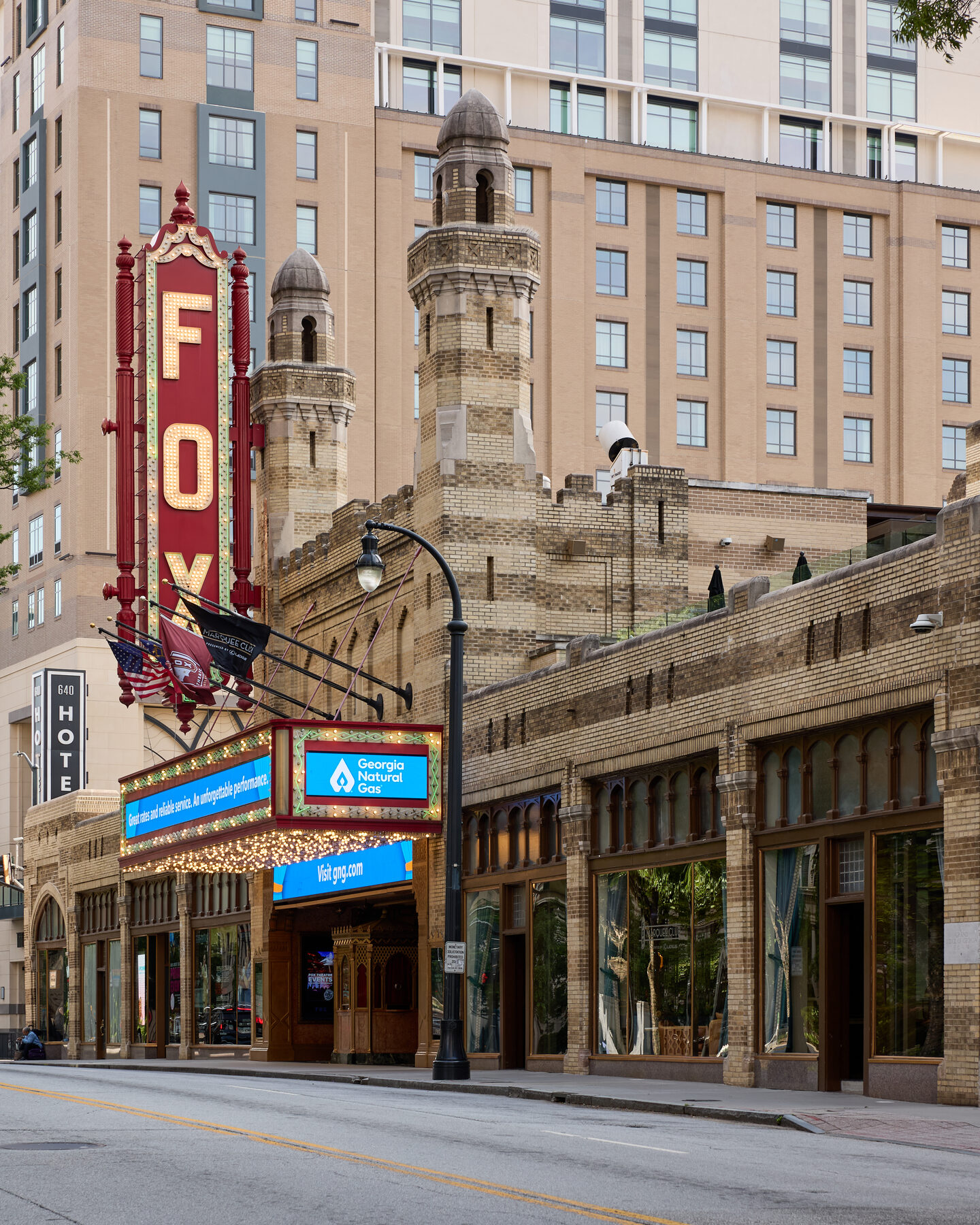
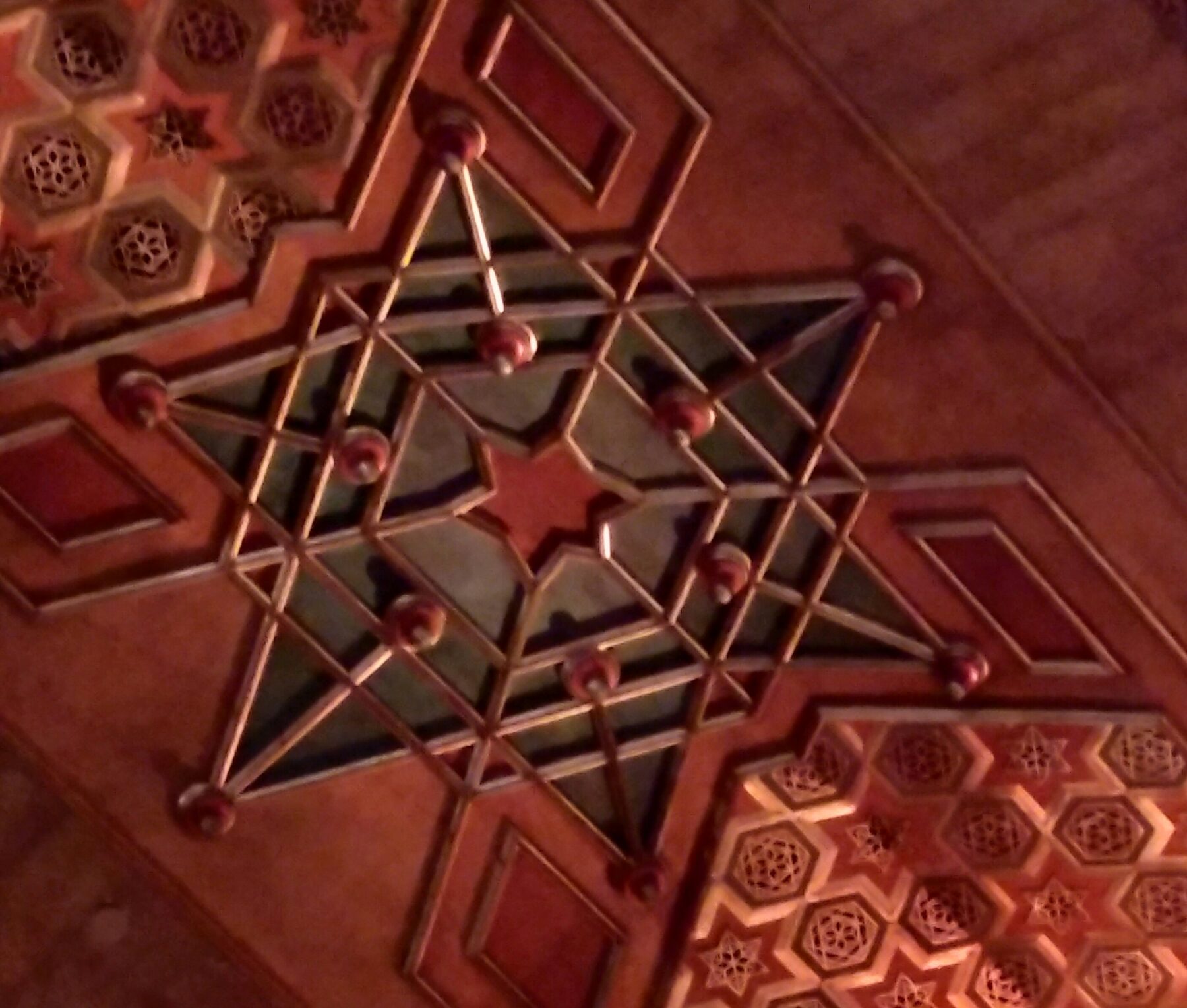
The Fox Theatre announces itself from Peachtree Street with an ornate façade and marquee, but the most memorable view may be waiting inside. Its atmospheric auditorium suggests a night under the stars, while the building's elaborate details draw on architecture from far beyond Georgia. Give yourself time to look around before you find your seat: this is a theater designed to make arrival feel like an occasion.
According to the Fox Theatre's history, the building began as an ambitious headquarters for Atlanta's Shriners. The cost proved too much, and movie entrepreneur William Fox leased the property. It opened as the Fox Theatre on Christmas Day in 1929, welcoming audiences to an extravagant combination of cinema and live entertainment.
Decades later, the theater faced a very different future. By the 1970s it had closed and was threatened with demolition. The community's Save the Fox campaign raised money to preserve it, and the theater reopened in 1975. That history makes the ornament more than decoration: the building is also a record of a city deciding that a beloved gathering place was worth saving.
Today the Fox presents touring productions, concerts, comedy, and other events. If the architecture is your main reason for visiting, check the theater's tour information separately; tours have their own schedules and tickets. For a show, look at the seating chart and arrival guidance before booking, and leave extra time for Midtown traffic. A performance here can anchor an Atlanta getaway, but even a dedicated theater fan will want a few quiet minutes to take in the auditorium before the overture.
2. Springer Opera House — Columbus
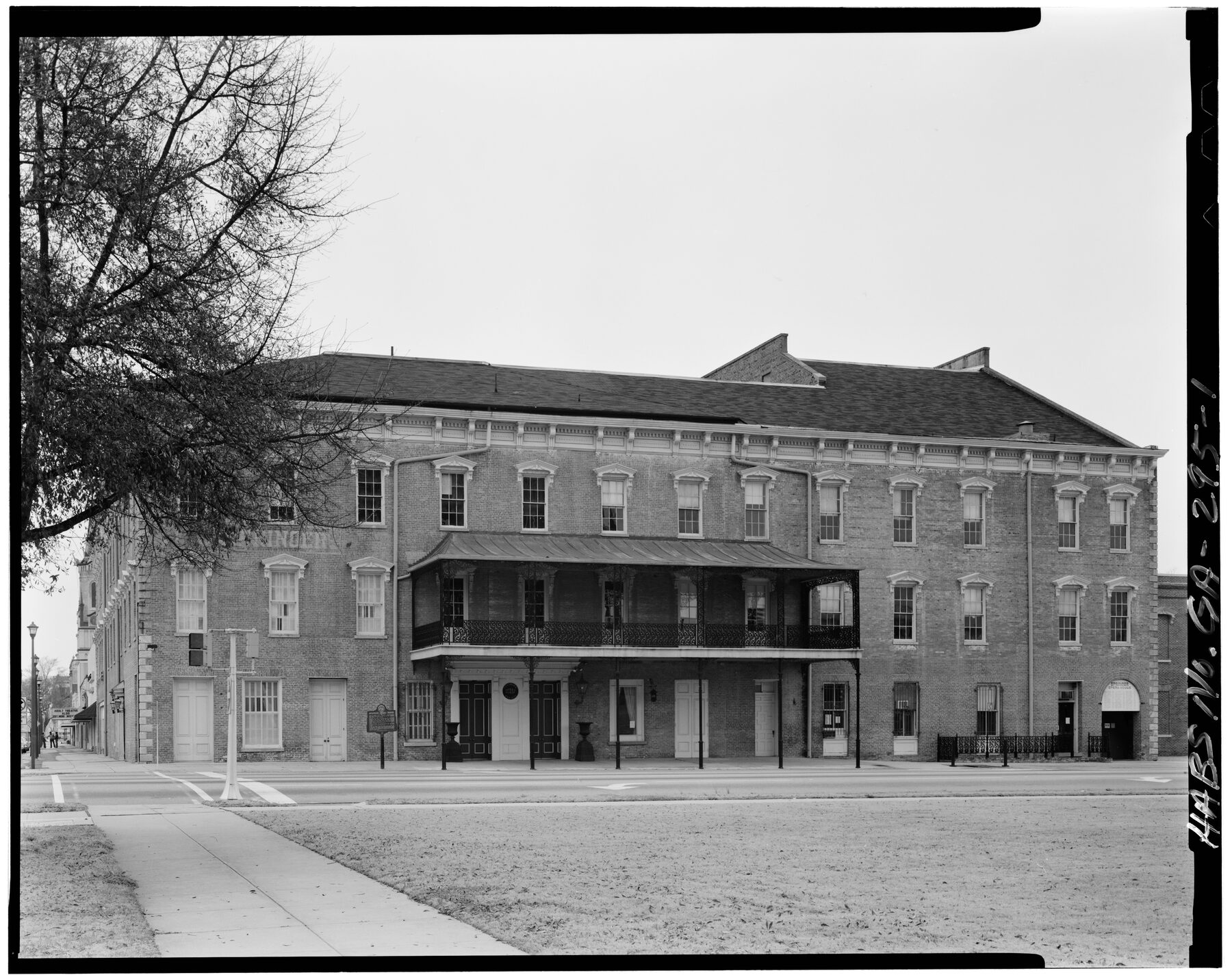
There is a particular pleasure in attending a show somewhere that has been part of a city's life for more than a century and a half. In downtown Columbus, the Springer Opera House has seen audiences arrive for stage productions, lectures, movies, and community events through generations of changing tastes.
Columbus State University's historical overview dates its opening to February 21, 1871. Businessman Francis Joseph Springer built the opera house as part of a larger commercial complex. The original venue was ambitious for its day, with balconies, boxes, chandeliers, and frescoed walls. The state designated it the State Theatre of Georgia in 1971.
The Springer also had a close call. After operating as a movie house, it closed in 1959 and was later threatened with demolition. Local supporters organized to purchase and preserve it, and it reopened in 1965. That rescue is part of what makes a modern ticket feel like an invitation into an ongoing community project rather than a visit to an artifact behind glass.
Check the Springer's current season for productions and ticket details. Plan a little time downtown before or after the show; the Chattahoochee River and Columbus's riverfront give the outing a different character from an ordinary evening at the theater. If you need accessible seating or have questions about a historic building's layout, ask the box office before choosing seats. Productions and access arrangements can change, and the venue can help you plan around the particular performance.
3. The Piedmont Grand Opera House — Macon
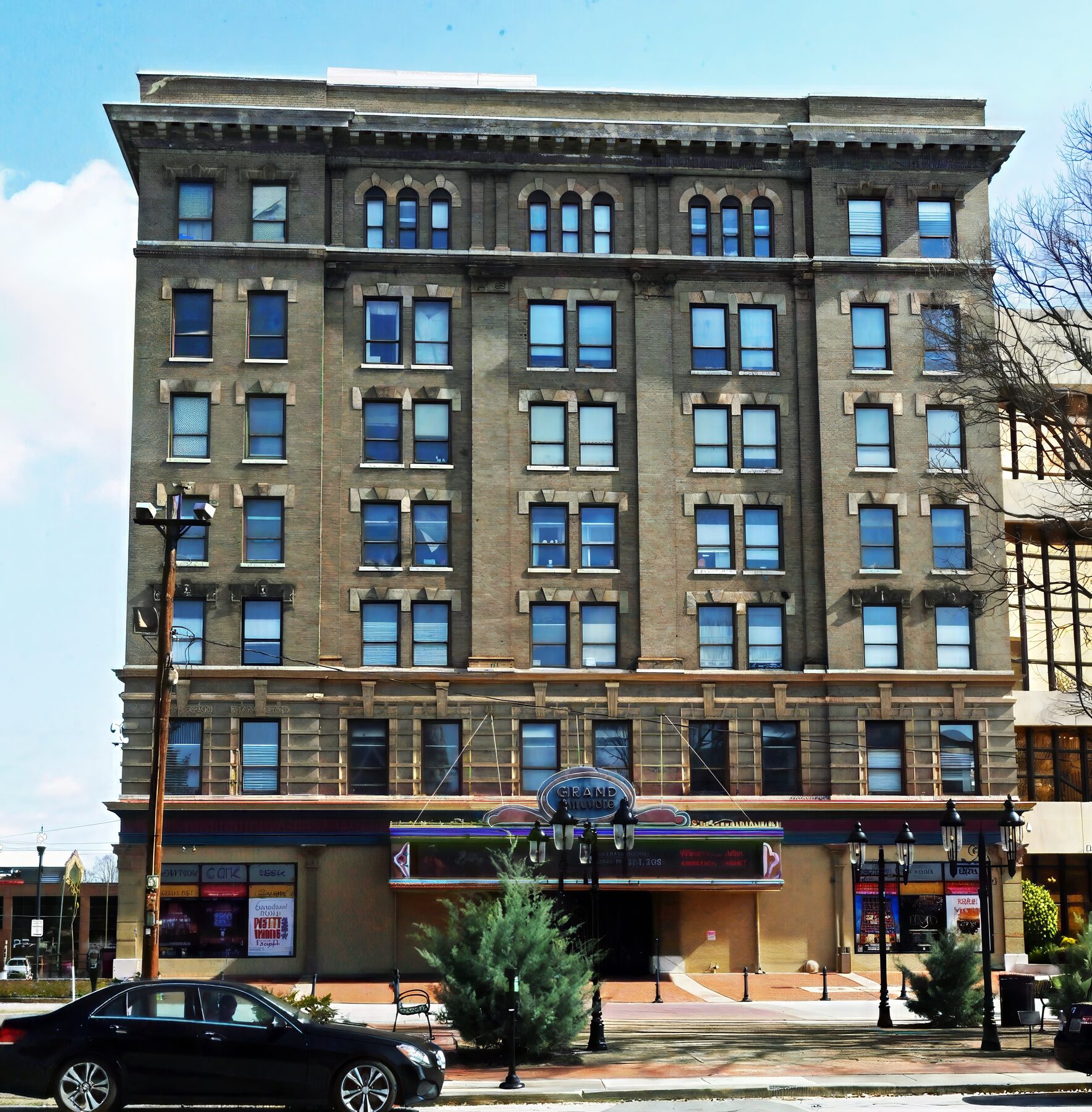
The Grand's name is fitting, but its history is less a straight line than a series of second acts. Its roots go back to Macon's Academy of Music in 1884. A substantially expanded Grand Opera House followed in 1904, and the building later became a cinema before a local preservation effort brought it back as a performing arts venue.
The theater's timeline traces those transformations through its reopening in 1970 and later stewardship by Mercer University. It now operates as the Piedmont Grand Opera House, a name adopted through a 2024 partnership. The details matter because a visit is not simply a trip back to one frozen moment: the building reflects several periods of Macon history, as well as the work needed to keep a historic stage useful.
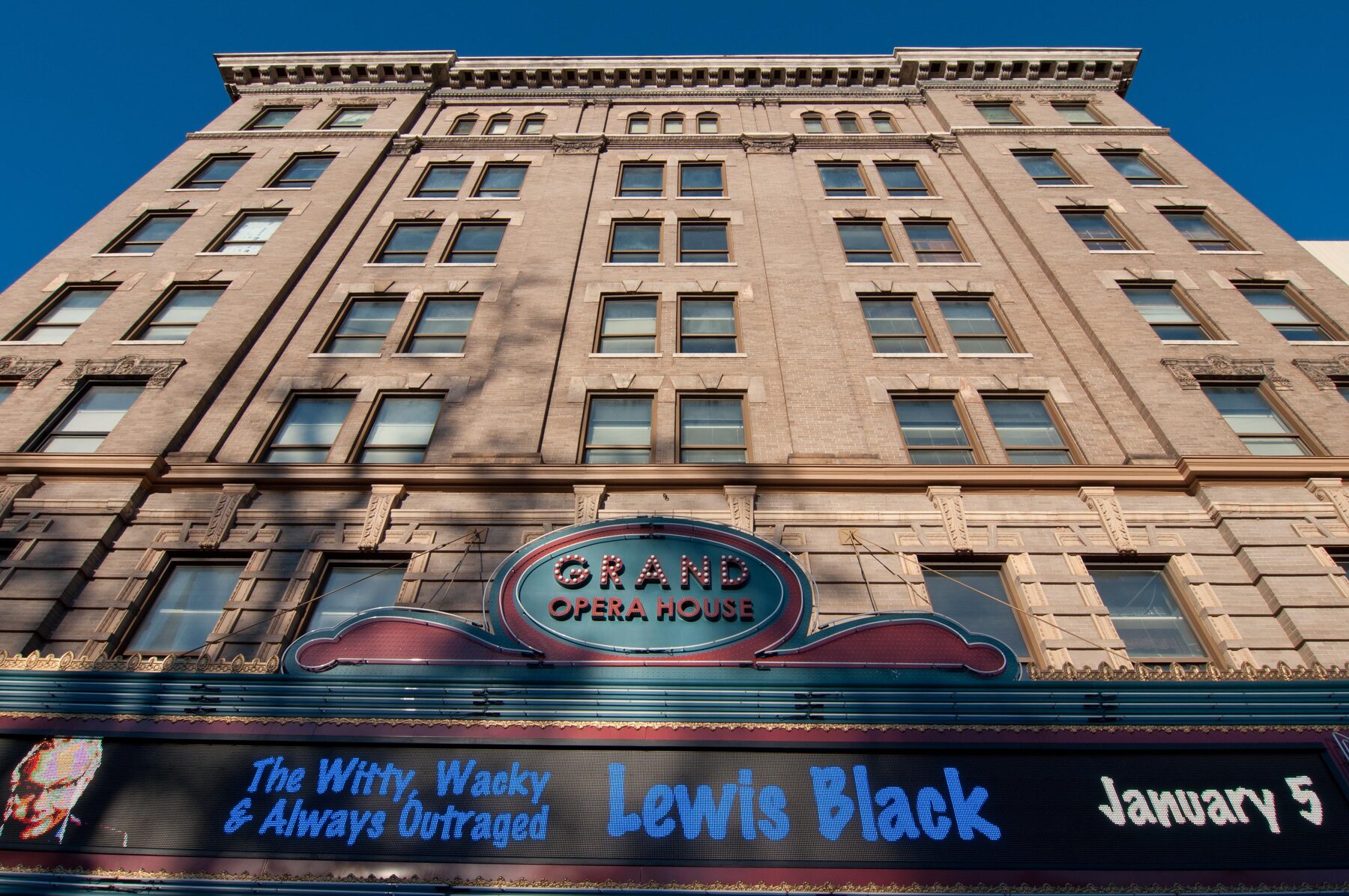
Check the Grand's calendar for touring Broadway productions, concerts, and other performances. Choose an event that suits your interests, then arrive early enough to notice the room and the sense of occasion that a downtown theater can still create. It is easy to spend the earlier part of the day exploring Macon before returning for an evening performance.
For a deeper music-and-performance itinerary, pair the Grand with the Douglass Theatre, also in Macon. Their histories are different, and that's precisely why they belong in the same conversation: each tells a piece of the city's cultural story. Check both calendars rather than assuming the buildings are open for casual visits between events. Parking, seating, ticket policies, and performance schedules are best confirmed directly with each venue.
4. Douglass Theatre — Macon
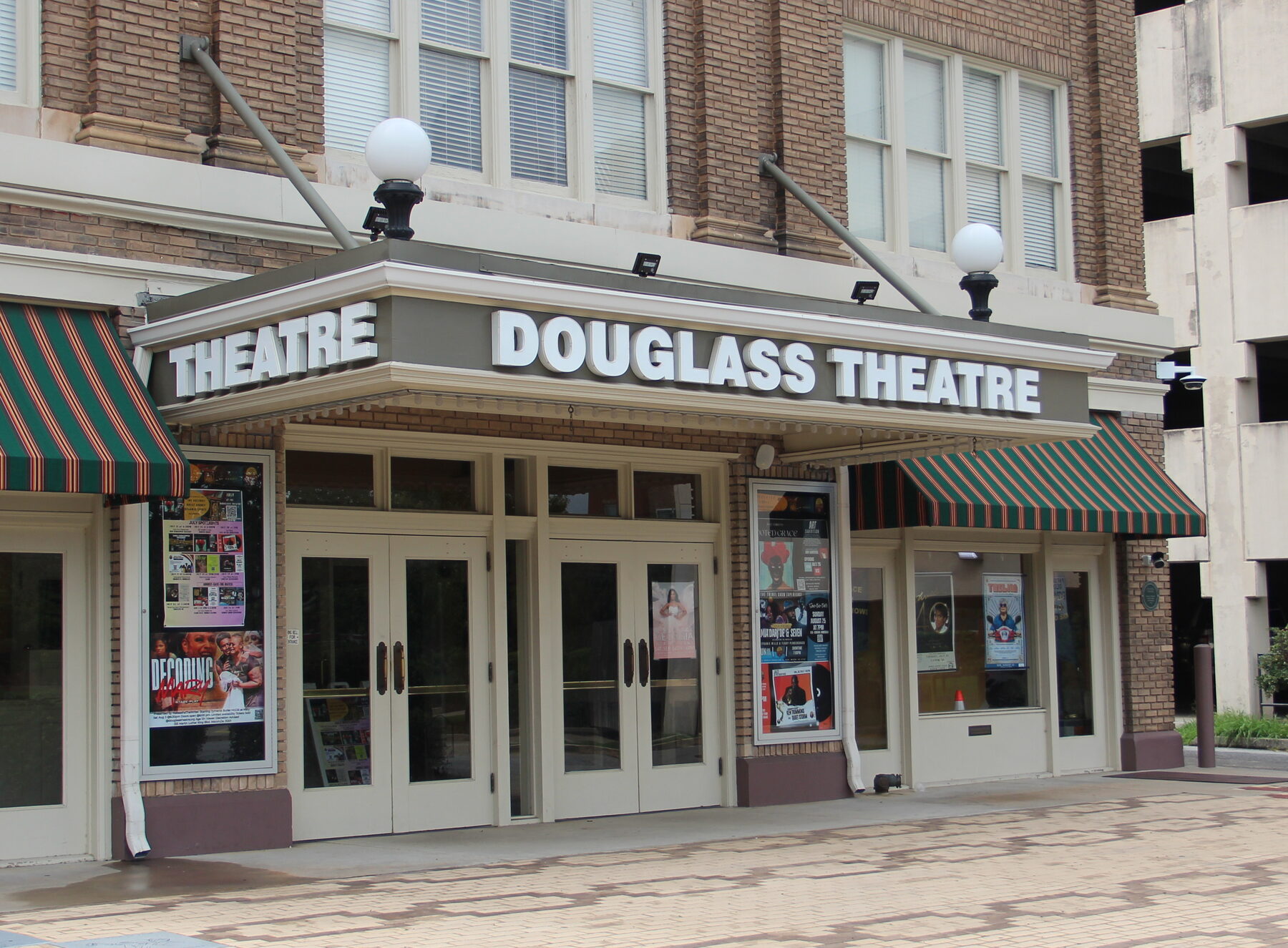
Macon's Douglass Theatre is a place to think about who gets to perform, who gets to gather, and what it means for a community to have a stage of its own. The theater was built in 1921 by Black entrepreneur Charles Henry Douglass and became an important venue for Black performers and audiences during segregation.
Its own history recounts performances by Ma Rainey, Bessie Smith, and Cab Calloway, as well as the films shown there. The theater later became associated with a teenage Otis Redding through Hamp Swain's talent show, and its story also intersects with Little Richard and James Brown. Those names are a reminder that music history was made in local rooms long before it became a national soundtrack.
The Douglass closed in 1973. Community efforts helped save the building, and it reopened in 1997 after restoration. Today its programming includes films, concerts, educational events, and other performances. This is a living venue, not just a stop on a list of famous names.
For visitors, the best way to experience it is to check the current event listings and plan around something on the calendar. If a program introduces you to an artist or part of the city's history you did not already know, leave time to follow that thread elsewhere in Macon. The venue sits on Martin Luther King Jr. Boulevard; confirm arrival and accessibility details with the theater, particularly if you are coordinating visits to several downtown stops.
5. Imperial Theatre — Augusta
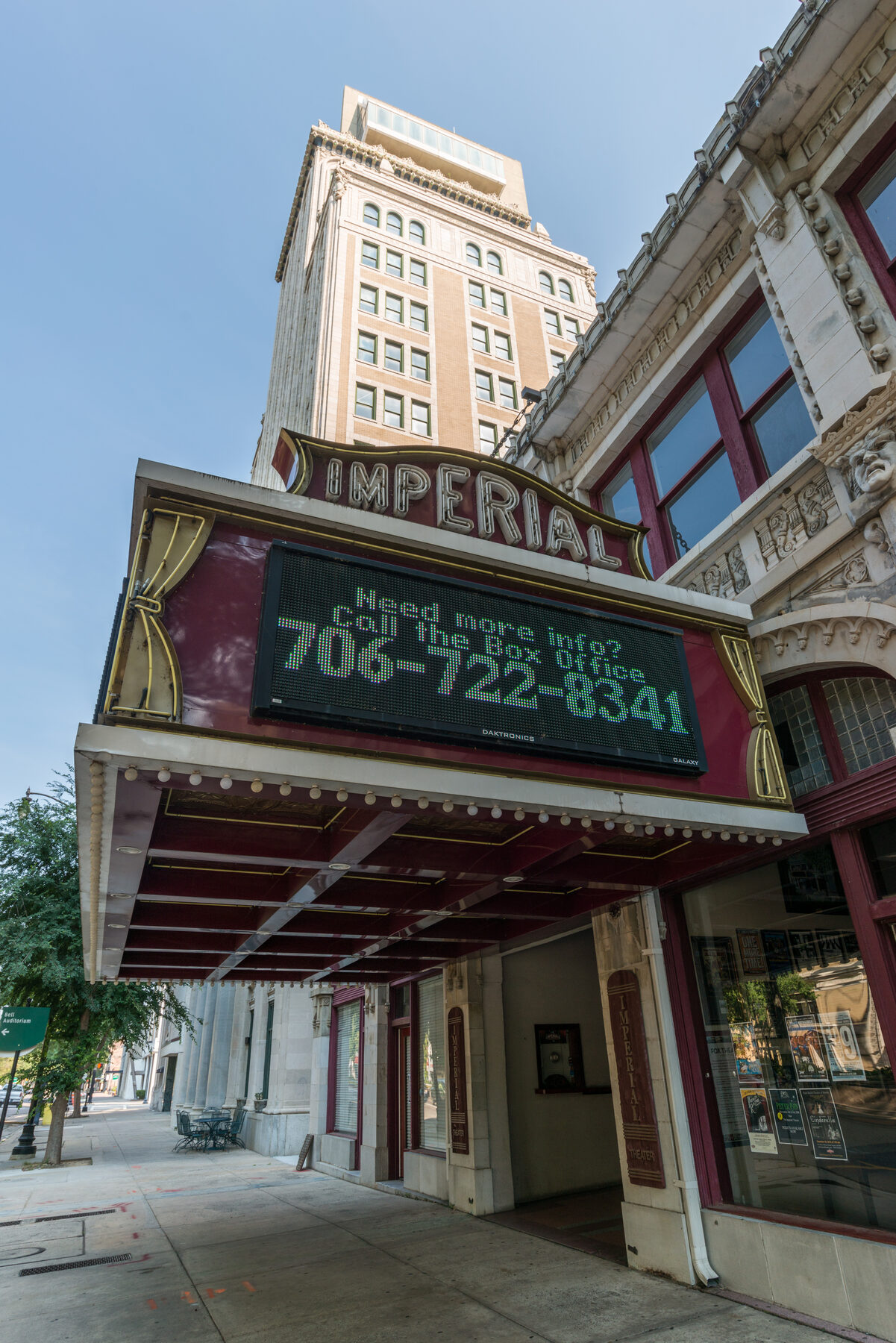
On Broad Street in downtown Augusta, the Imperial Theatre offers another way to see how entertainment has changed while a performance space stays rooted in its community. It opened in 1918 as the Wells, presenting vaudeville and photoplays before taking the Imperial name. The theater's history even records an early appearance by Charlie Chaplin during a Liberty bond drive.
The story also includes the disruptions of its era. Public venues closed during the 1918 influenza pandemic, and the theater changed hands in its first year. Those details add texture to a building that might otherwise be easy to admire only for its marquee: the Imperial has lived through both ordinary changes in taste and extraordinary interruptions.
Today the Imperial's calendar is the place to start when planning a visit. Look for a performance or film that appeals to your group, and read the event's own details before purchasing. A theater that has hosted many kinds of productions over the years is especially rewarding when you let the current program surprise you.
Broad Street makes a convenient setting for an evening out, so consider arriving in time for a downtown meal and a relaxed walk before the show. Check the theater's parking and seating information, especially for popular events, and contact the box office about access needs. Historic interiors and modern productions make a compelling combination, but every venue handles entry and seating a little differently.
6. Holly Theater — Dahlonega
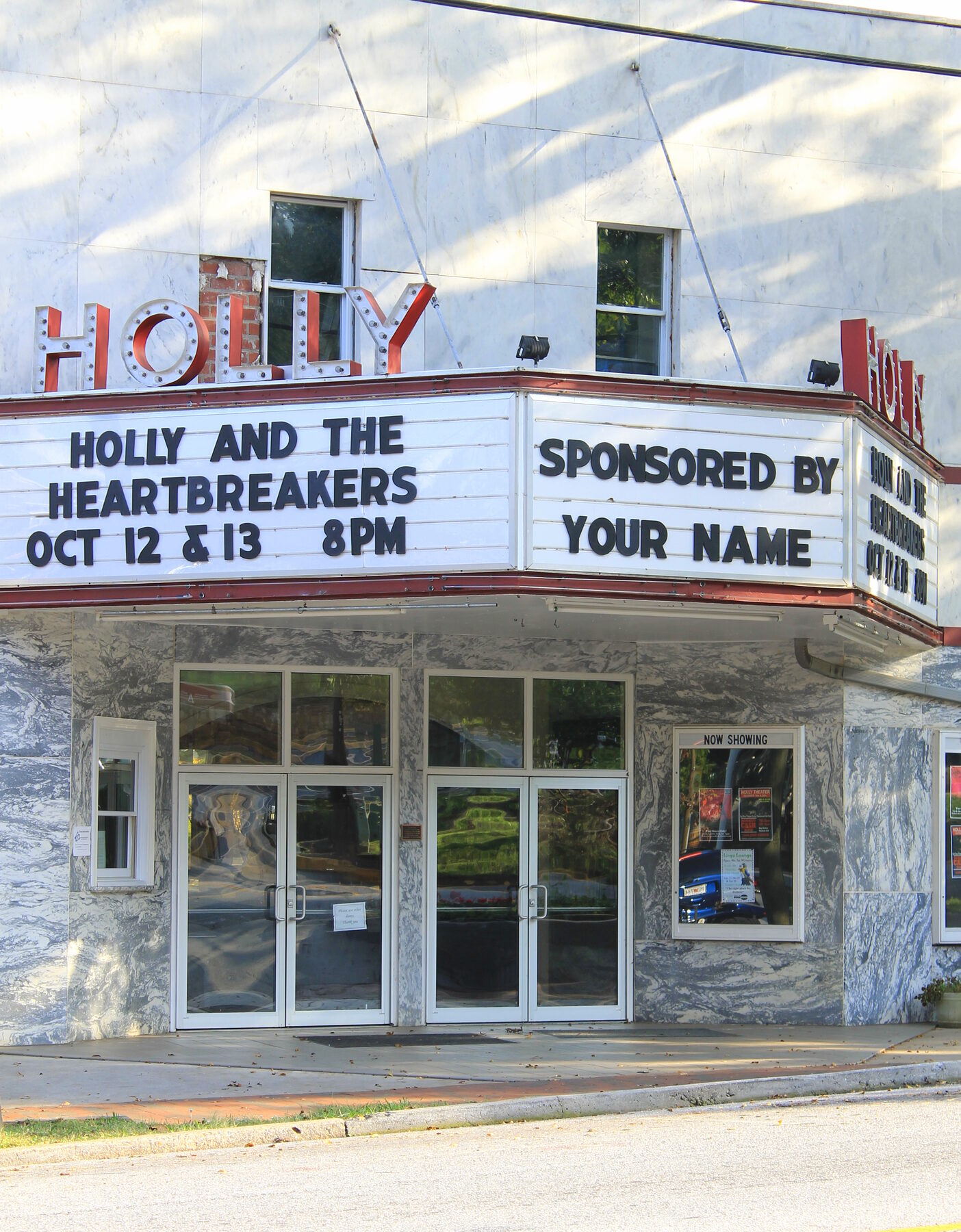
The Holly Theater brings this tour to Dahlonega, where a night at the theater can be part of a North Georgia mountain-town getaway. Its scale and setting offer a different experience from the Fox: instead of making a grand city venue the whole destination, you can build an easy day around a small downtown and finish with a performance.
The Holly's history tells a surprisingly complicated construction story. After World War II, plans for a new movie theater ran into federal controls on building materials. Construction was halted and later approved, and the theater celebrated its grand opening on July 12, 1948. Its brick building and Georgia marble façade became part of the local streetscape.
Like many movie houses, the Holly faced changing habits as television grew and theater attendance declined. The building's subsequent preservation and reuse gave it another life for live performance. That evolution is a good reason to see the show as part of a longer story: the audience in the seats is helping keep the place active.
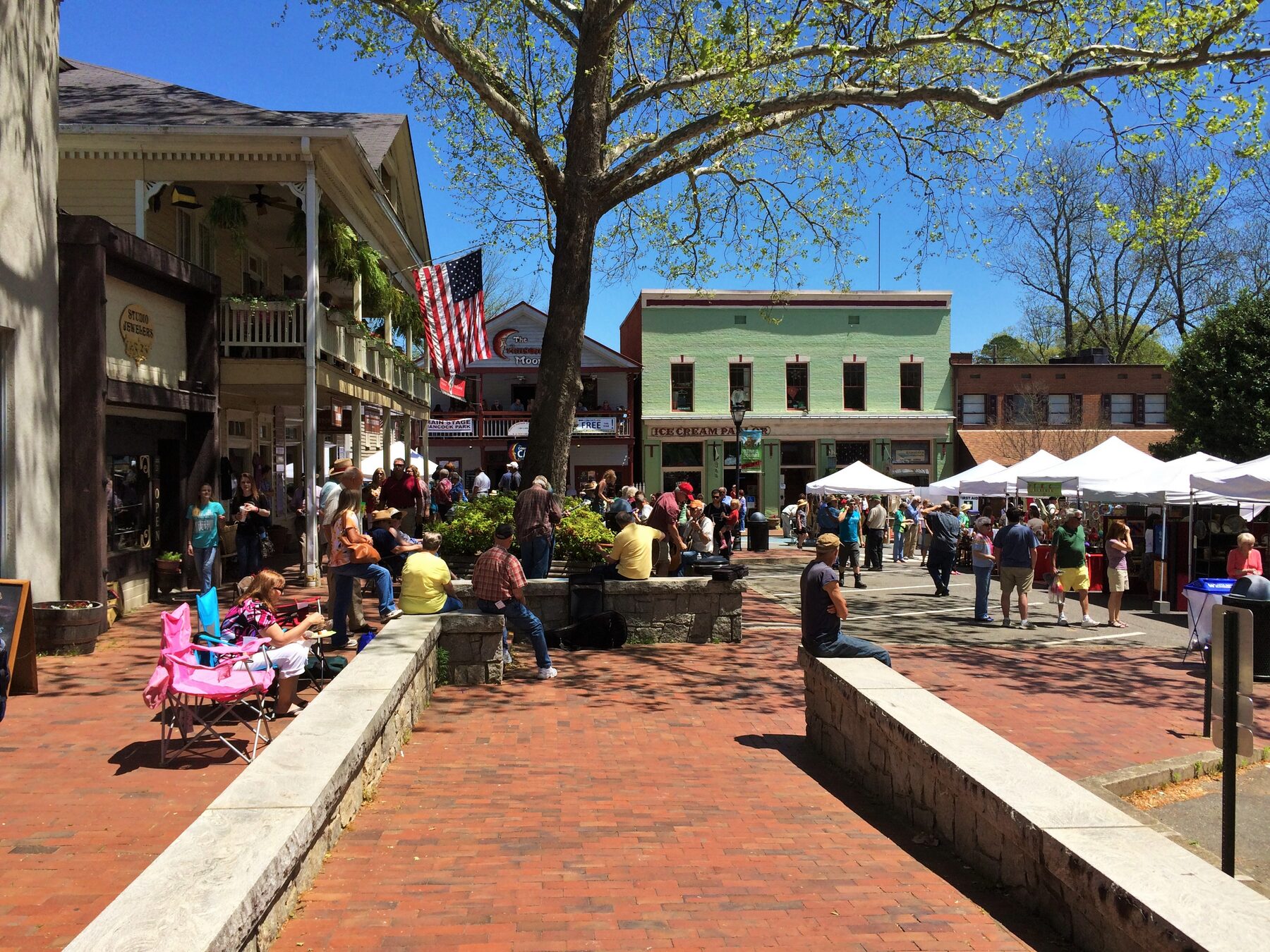
Browse the Holly's current productions before selecting your travel date. Dahlonega's walkable downtown makes it appealing for a slower outing, but mountain weather and seasonal crowds can affect the drive and parking. Allow time to arrive without rushing, confirm the performance venue and ticket rules, and ask ahead about seating or access needs. A matinee can work well for a day trip; an evening show gives you an excuse to linger over dinner or stay overnight.
Planning a Georgia theater trip
These theaters are spread across the state, so there is no need to squeeze all six into one trip. Pick one show and give its surroundings some attention, or make Macon a two-venue stop if the Grand and the Douglass have events that fit your dates. Atlanta, Columbus, Augusta, and Dahlonega each work well as separate outings.
Schedules, ticket prices, tour availability, and access to historic spaces can change. Buy through the venue's official channels when possible, confirm accessibility and parking before you go, and remember that an exterior photograph does not guarantee the interior is open between events. The reward for planning ahead is a seat in a room that has hosted stories for generations—and a chance to add an evening of your own.