Some Maine waterfronts invite you to watch the boats. Others make you wonder who once watched for them. Along rivers and harbor entrances, granite walls, wooden blockhouses, and concrete gun positions give familiar coastal scenery an entirely different meaning.
These six historic places offer more than a quick photograph beside an old cannon. Each rewards a different kind of visit: exploring a large stone fort, studying an unusual wooden building, following a guided interpretation of everyday life, or walking through a park whose military past is easy to miss.
Think of this list as a set of choices for separate Maine outings, rather than a route to finish in one day. Several sites allow off-season walks while closing buildings and facilities. If going inside is the point of your trip, confirm that specific experience before leaving home.
1. Fort Knox, Prospect: Give the Granite Passageways Their Due
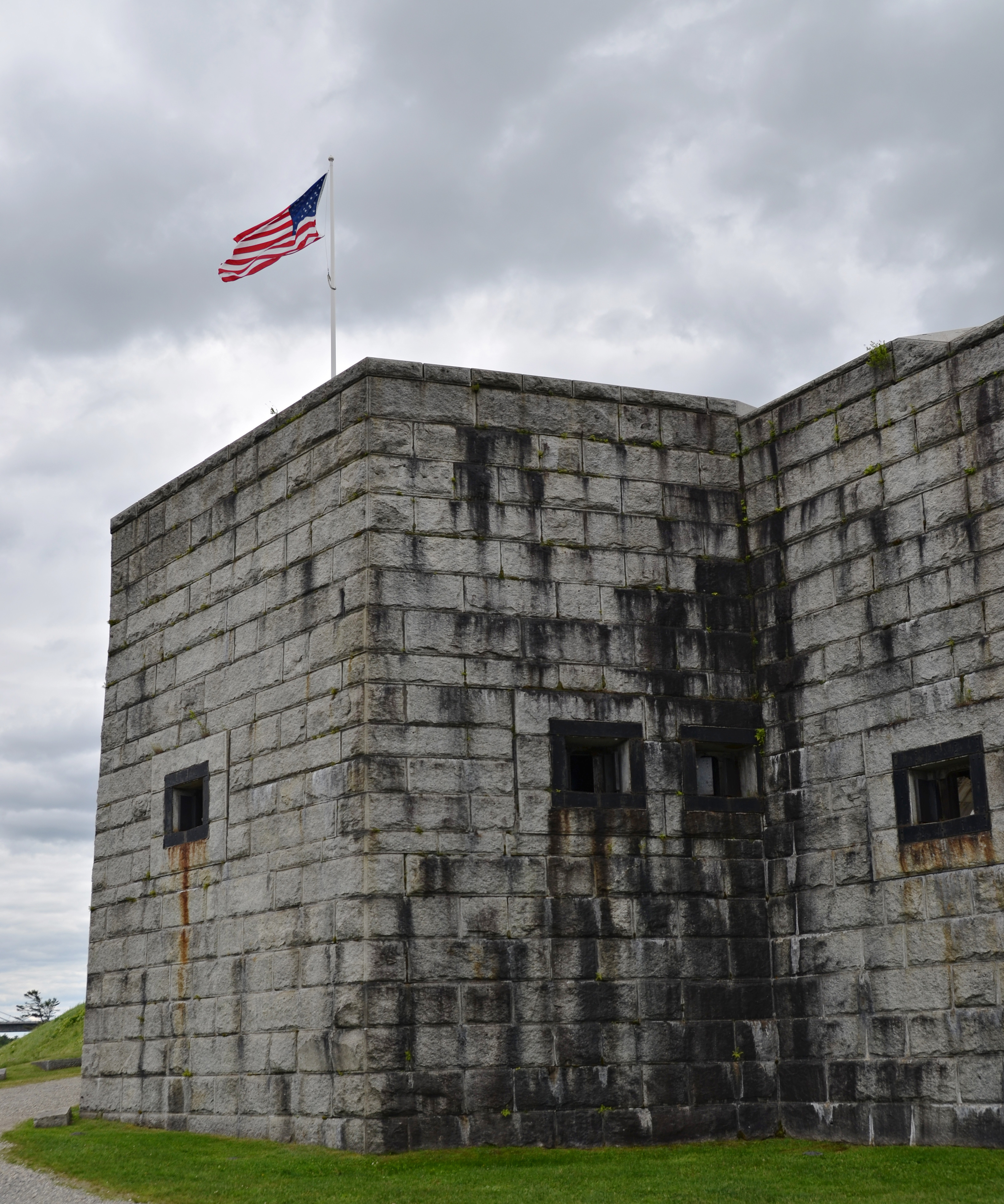
Maine's Fort Knox stands beside the Penobscot Narrows, where the river gives the fort its reason for being. The setting is impressive, but the building deserves your attention too. Rows of arches and thick masonry turn a simple walk into a study of scale: spaces meant to contain people, supplies, and artillery within a structure built to withstand attack.
Construction took place in the nineteenth century, and the fort was garrisoned during the Civil War and Spanish-American War without seeing combat. That distinction makes a useful starting question for a visit. What can a place tell us about preparing for war, even when the battle it was designed for never happened?
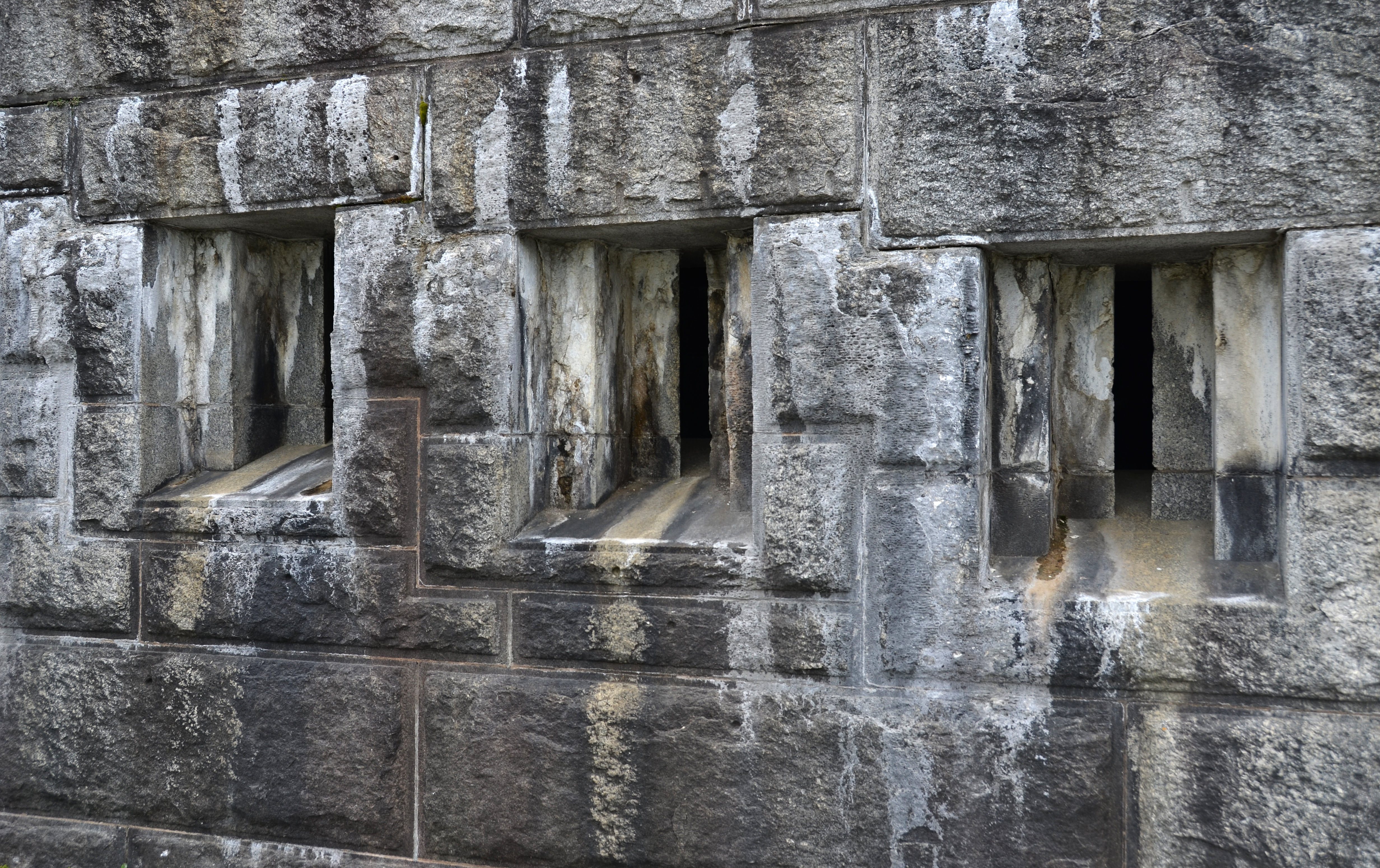
Start with the interpretive information rather than trying to see every passage immediately. Then compare an enclosed room with an opening toward the river. The state brochure also points visitors toward the lower A and B batteries, where surviving hot-shot furnaces explain how cannonballs could be heated before being fired at wooden ships. Follow the open visitor routes and give your eyes time to adjust between sunlight and shadow.
The adjacent Penobscot Narrows Observatory can add a very different view, but it is a separate attraction with its own operating status. Fort admission and admission including the observatory are different ticket options. The fort and observatory normally operate seasonally, while the grounds remain available from 9 a.m. to sunset, weather permitting. November through April is an outdoor-grounds visit, not a promise of access to the fort interior. Check the operator's latest notice before building a day around either attraction.
2. Fort Popham, Phippsburg: Look Closely at the Unfinished Curve
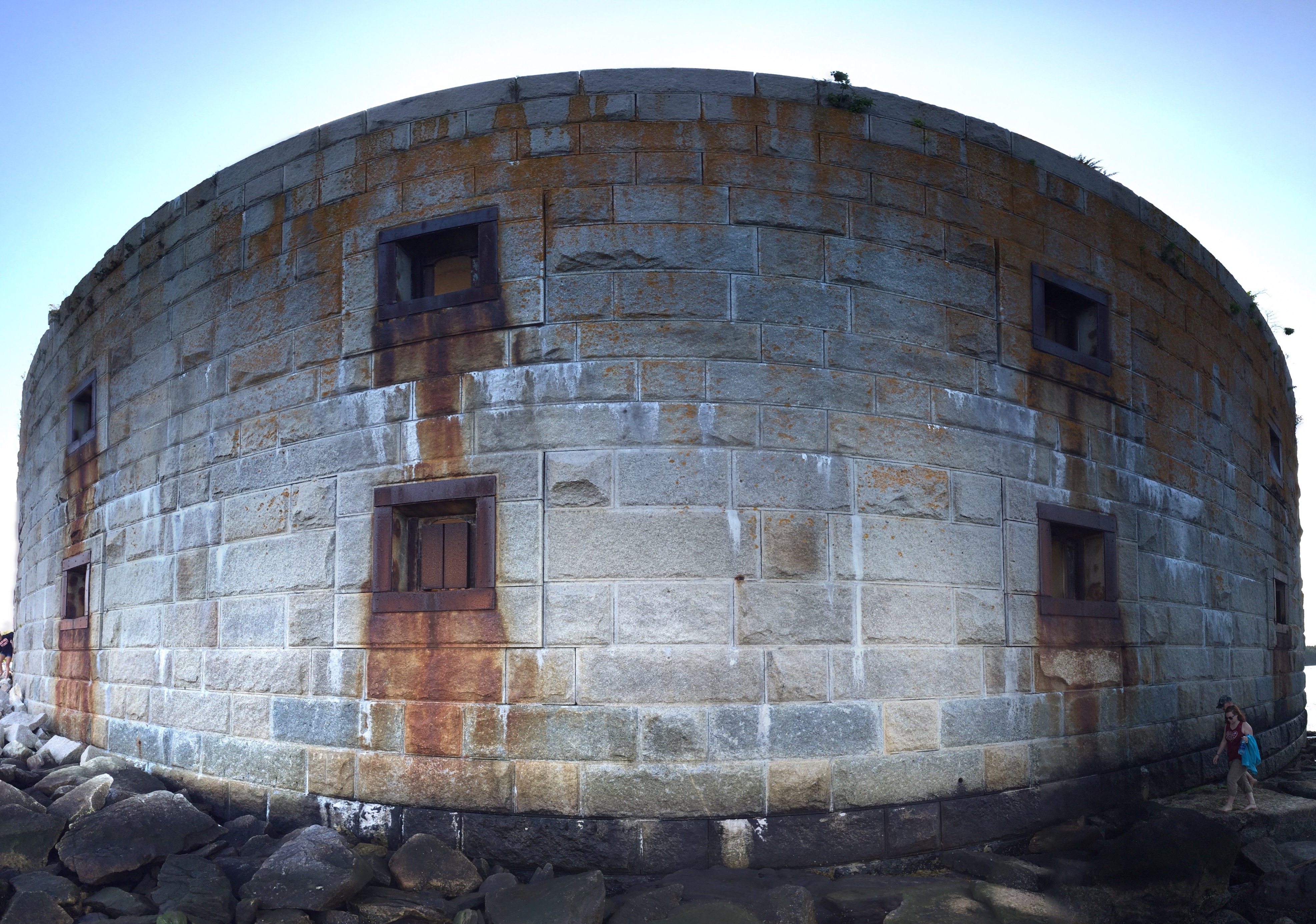
Fort Popham brings a different silhouette to the water: a semicircular granite fort at the mouth of the Kennebec River. Its repeated openings and curved wall are the main attraction, especially if you enjoy photographing architecture that changes character as you move around it. Take a wide view first, then look for the smaller differences between individual stone blocks and openings.
The current state park description dates the start of construction to 1862 and explains that the fort was never completed. It was modified and used again during later conflicts, including the Spanish-American War and World War I. The unfinished structure is therefore more interesting than a simple abandoned project. It shows a place being adapted as defensive needs changed.
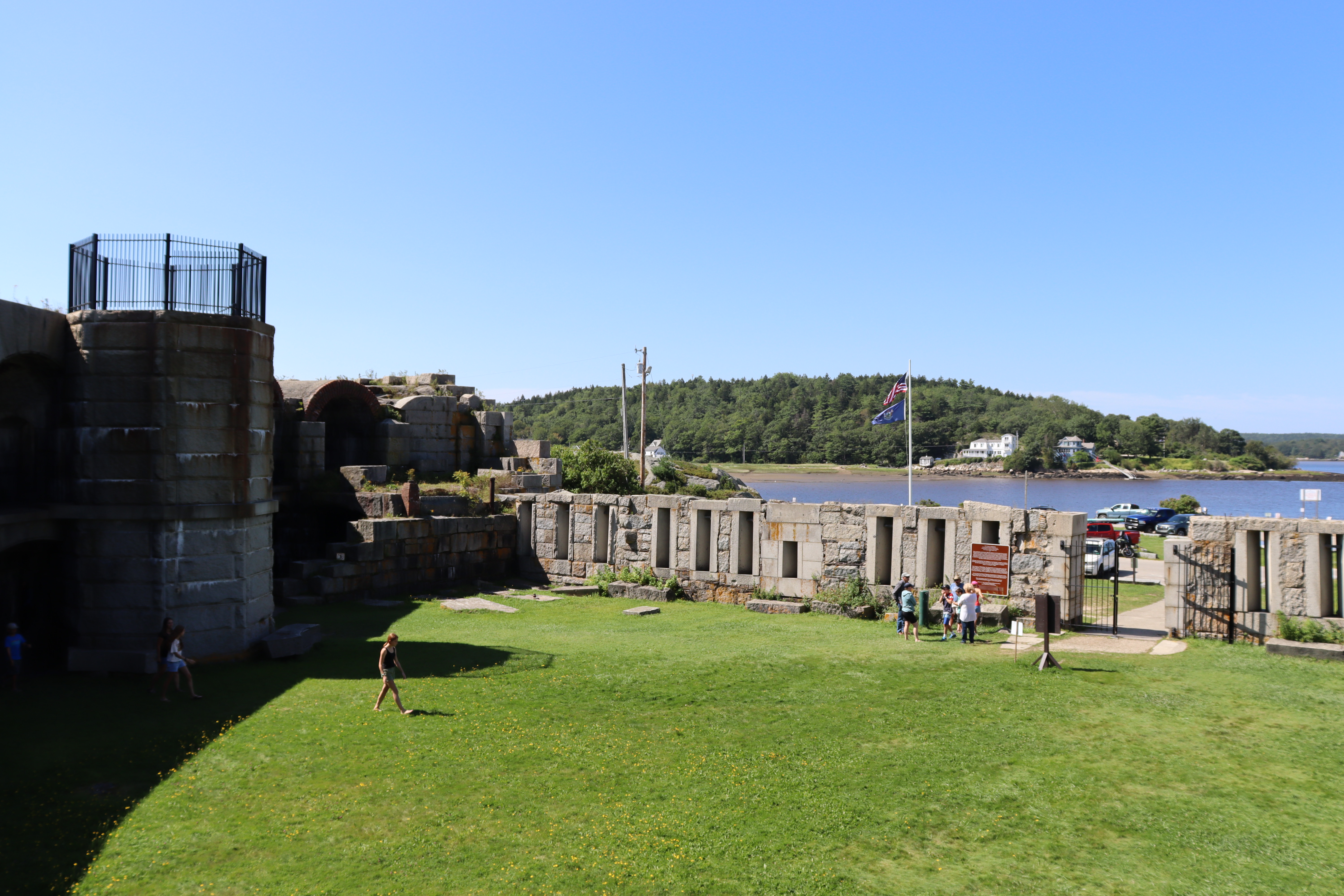
Make the river part of the visit, rather than treating it only as background. From a permitted viewing area, consider how the fort's shape relates to the water it was meant to watch. Then turn back toward the masonry. This is a satisfying stop for someone who likes to understand a building from its location before reading a long historical timeline.
For navigation, use the actual fort entrance at the end of Route 209/Popham Road, beyond Popham Beach State Park; the state beach and fort are separate destinations. The official fort page lists its regular season as April 15 through October 30, from 9 a.m. to sunset. Off-season visitors may park outside the gate and walk in during those hours, but facilities are closed. A winter photograph of the walls and a summer visit with facilities available are different outings, so plan accordingly.
3. Fort McClary, Kittery Point: Notice the Layers of Construction
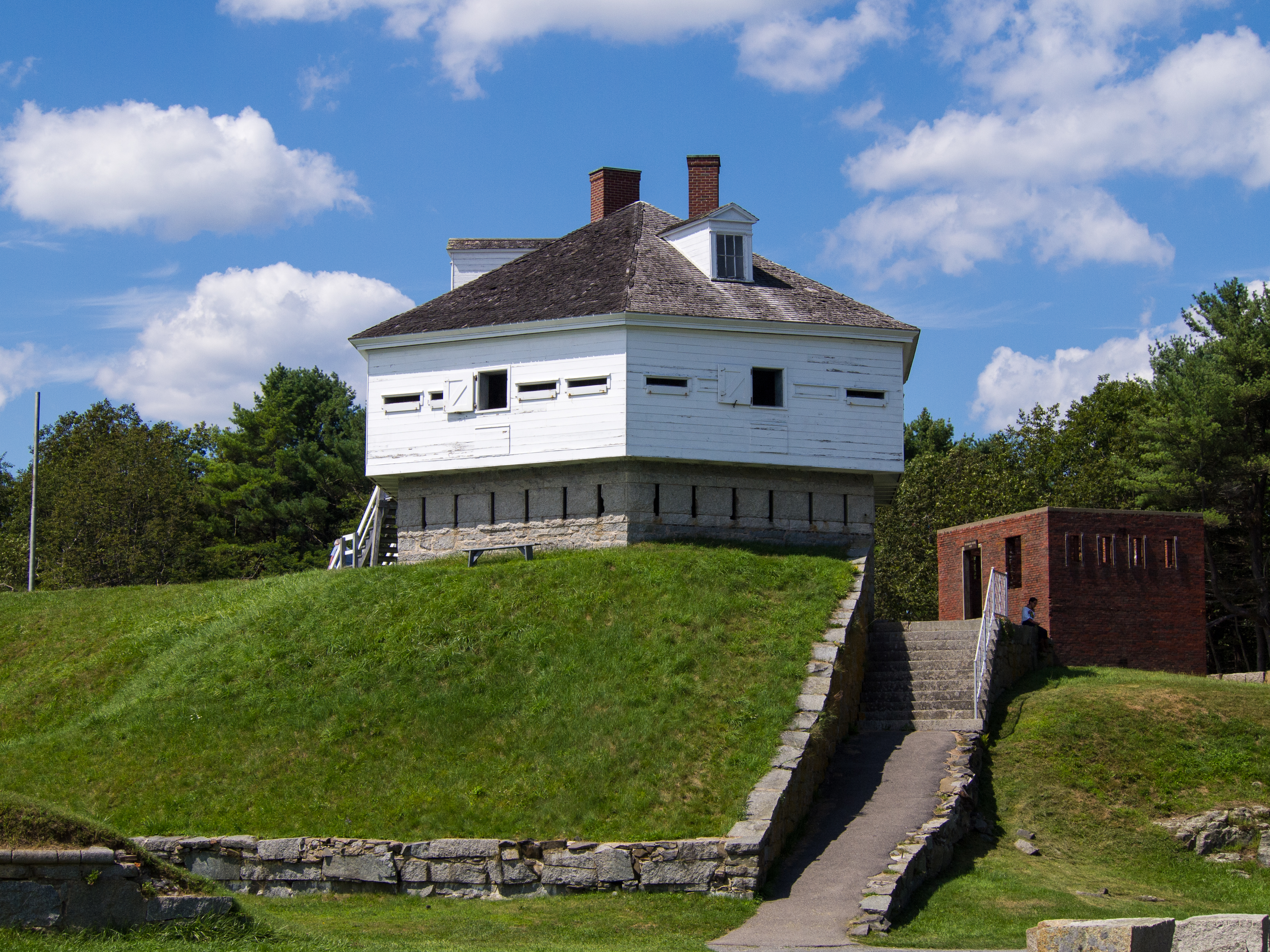
Fort McClary is a good choice when you want to begin a Maine trip with a historic stop near the state's southern edge. It guarded approaches to the Piscataqua River, and its surviving buildings reflect more than one period of construction. The result is a site best appreciated by looking for differences instead of expecting one perfectly uniform fort.
The blockhouse is an obvious place to focus your camera, but try stepping back far enough to include the surrounding masonry. Compare the materials, the building shapes, and the ways those structures sit on the ground. The state's interpretation emphasizes how military architecture and technology changed here; even a visitor who cannot name every defensive feature can start seeing those changes.
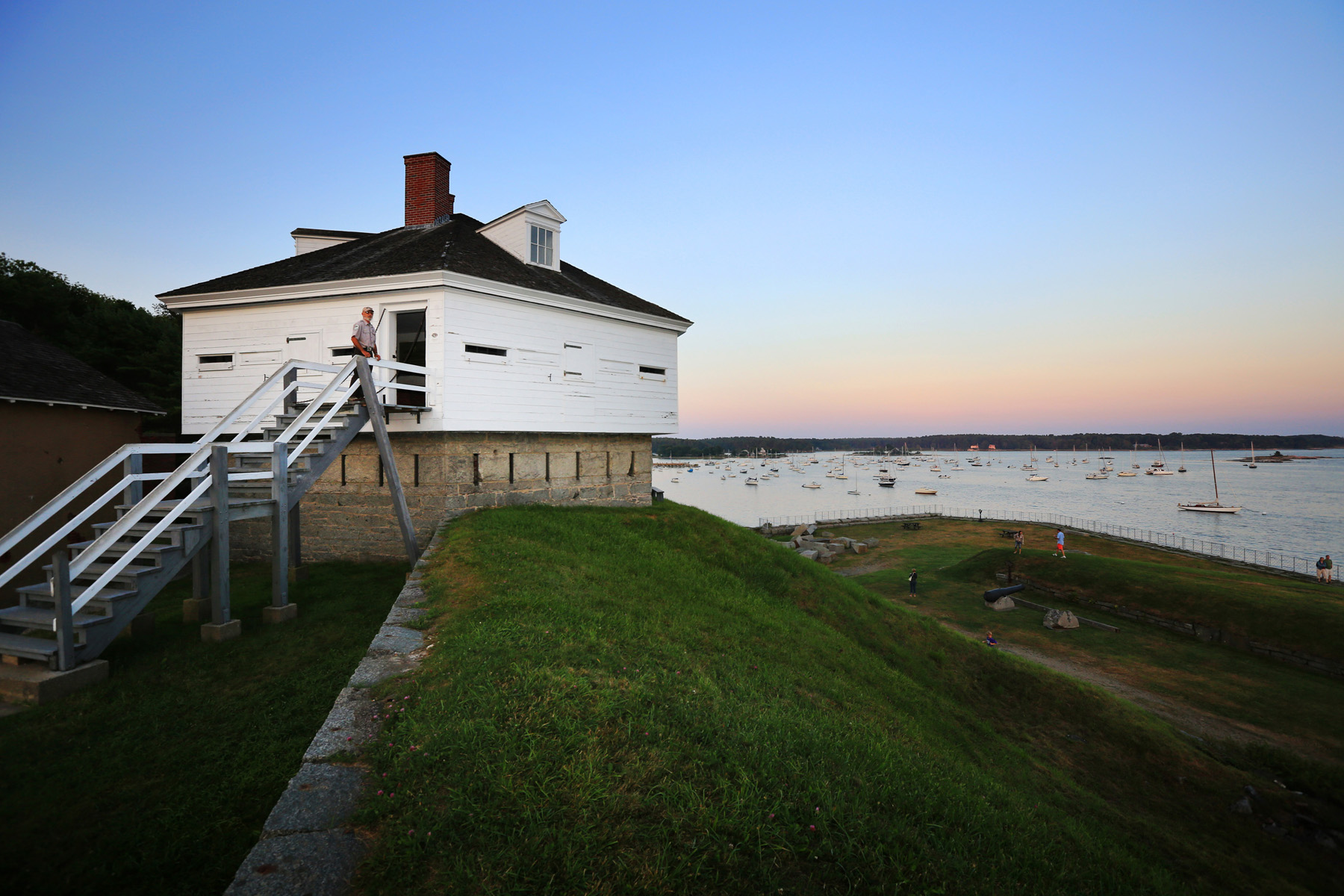
This is also a place to choose your route based on mobility, rather than assuming that a modest-sized historic site means an easy walk everywhere. Maine's accessibility guide identifies rough steps and steep paths at the fort and blockhouse. It lists accessible parking and picnic facilities, and generally accessible bay views, while rating the main fort features as inaccessible. Those distinctions are much more useful than a single accessible-or-not label for the whole property.
The official site currently lists a regular season from Memorial Day through the October holiday, with hours of 10 a.m. to sunset unless the gate notice says otherwise. Off-season walk-in use is permitted during those hours, with facilities closed. If you are choosing between a short waterside break and a detailed look through the fort, check which parts are open before you arrive and leave time for the route that actually suits your group.
4. Fort Edgecomb, Edgecomb: Bring a Picnic and Study the Blockhouse
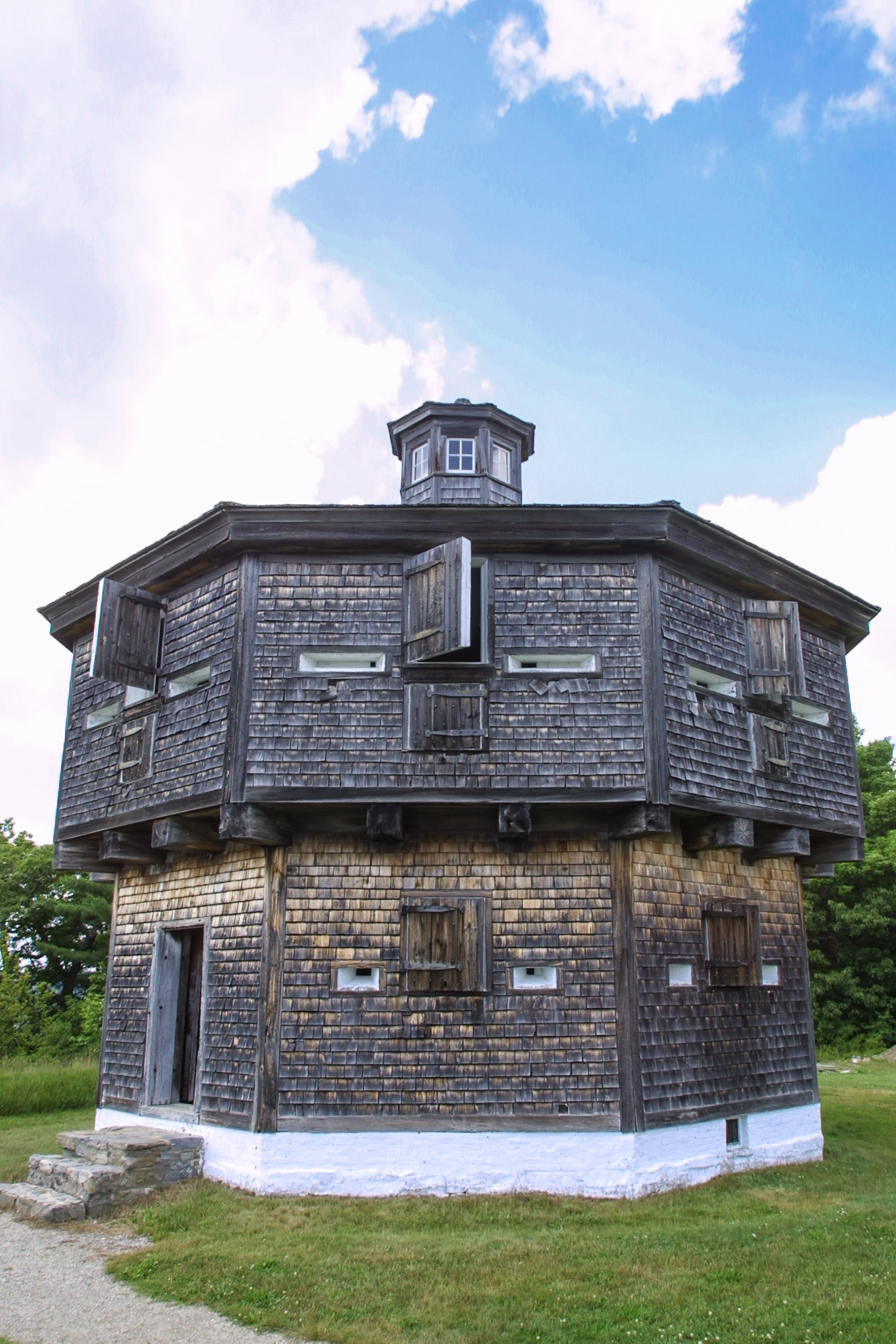
Fort Edgecomb is the intimate stop on this list. The roughly three-acre setting beside the Sheepscot River gives you room to settle in without turning the visit into an expedition. Its centerpiece is the wooden blockhouse completed in 1809, standing on high ground above the water.
The eight-sided building provides an immediate reason to linger. Walk around it where access permits and notice how its shape presents a different face at each turn. When the interior is open, the horizontal musket ports offer a more restricted way of looking outward. Compare that narrow view with the broad river scene outside: the architecture changes how much of the landscape you can see at once.
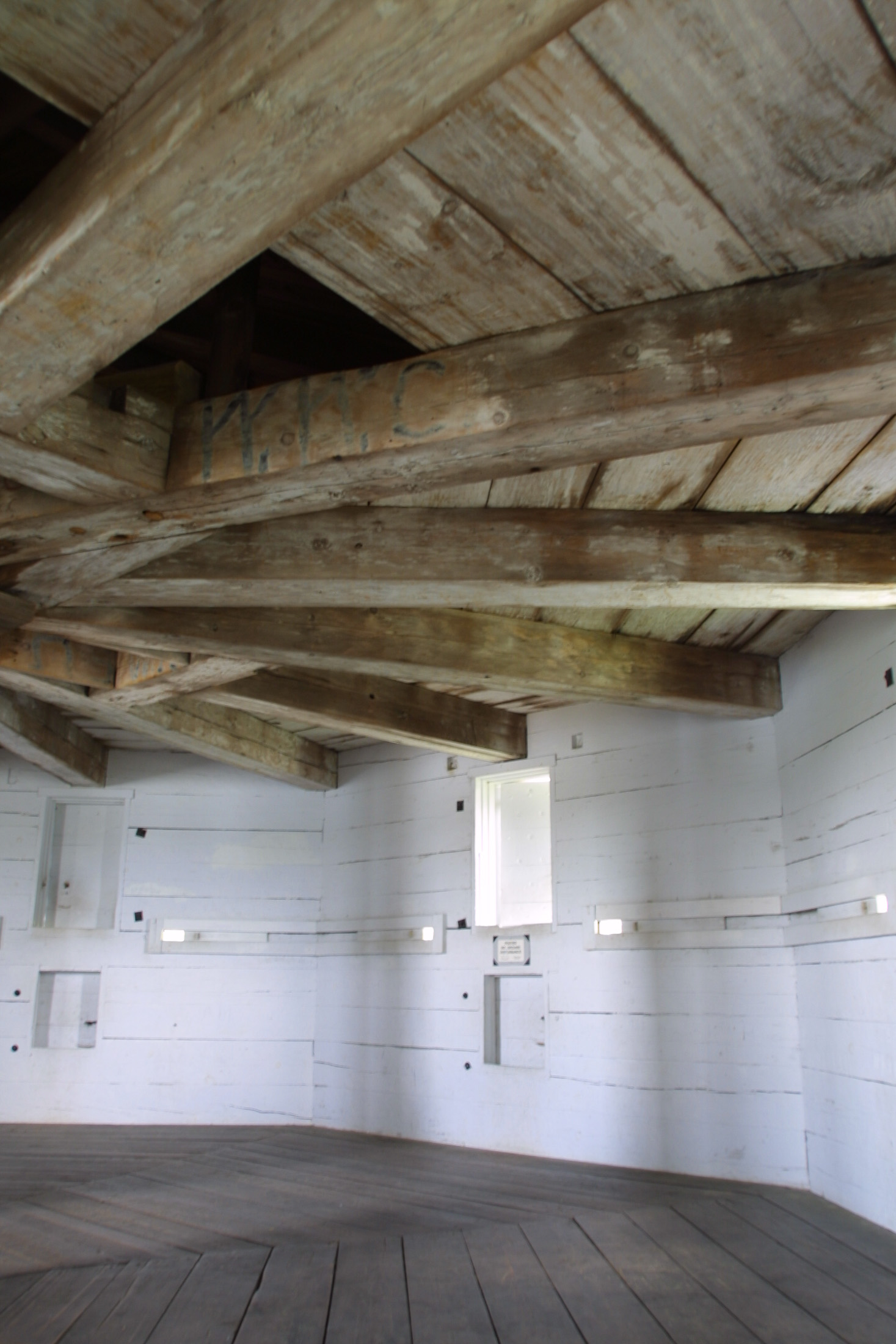
Wiscasset's importance as an early port helps explain why this position mattered. Today, the town of Edgecomb notes that the site is less than a mile from Route 1, making it a practical detour when you want to stop driving and pay attention to one small place. A picnic is a better reason to extend the visit than inventing a checklist of things to rush through. Watch the water, read the interpretive panels, and let the blockhouse remain the focus.
The state lists the regular season from Memorial Day through Labor Day, with hours of 9 a.m. to sunset. Summer tours and events have their own schedule. Off-season walking access does not mean the building and facilities will be open. Call ahead if the inside of the blockhouse is your priority; otherwise, plan an outdoor visit with the river, grounds, and exterior as the main experience.
5. Old Fort Western, Augusta: Follow the Building Beyond Its Military Years
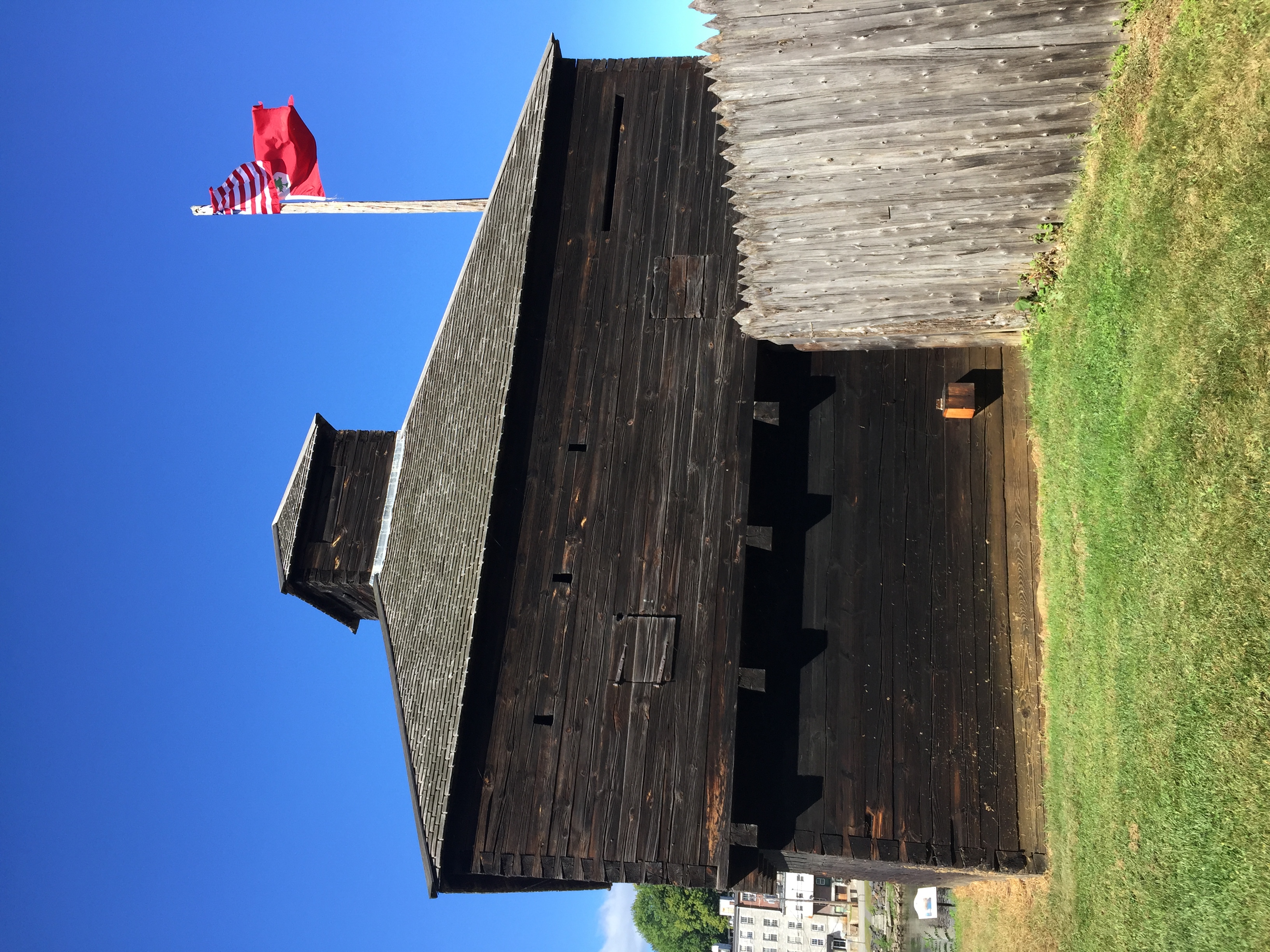
Old Fort Western changes the pace from coastal defenses to life along the Kennebec River. Its surviving eighteenth-century garrison building is the starting point, but the site's story continues through its use as a store, family home, and tenement. Those later chapters are a compelling reason to choose a guided visit over simply photographing the exterior.
Built in 1754, Fort Western served as a supply point for Fort Halifax farther upriver. Its history also reaches back to Cushnoc and the Abenaki trade network, before the fort existed. A useful question for your guide is how the river connected these different periods: Indigenous travel and exchange, colonial commerce, military supply, and the lives of people who later occupied the building.
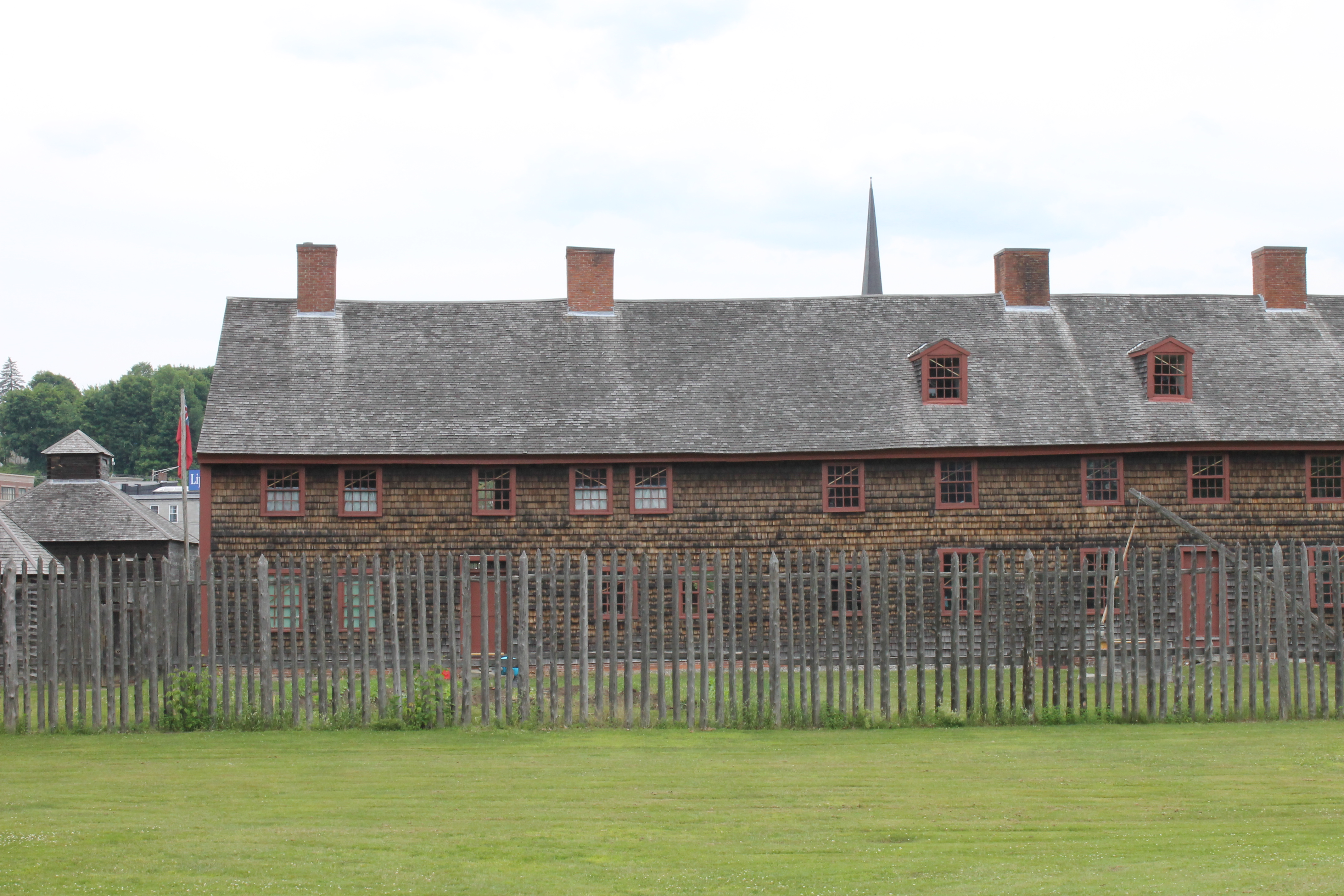
Pay attention to what is original and what has been reconstructed. The garrison survived, while the blockhouses were rebuilt during the twentieth-century restoration. Asking about that difference does not make the place less interesting. It gives you a better understanding of how museums use surviving structures, records, and archaeology to explain a landscape that has changed.
The seasonal tour schedule is narrower in June and early autumn than in July and August. The official website publishes hours and admission information, but confirm your intended date directly, especially around the opening and closing weekends. Use 8 Cony Street in Augusta as the physical address, rather than the separate mailing address. Visitors who need step-free access should discuss the route with staff in advance; an original historic building should not be assumed to offer unrestricted access to every room.
6. Fort Williams Park, Cape Elizabeth: Look Beyond the Famous Lighthouse
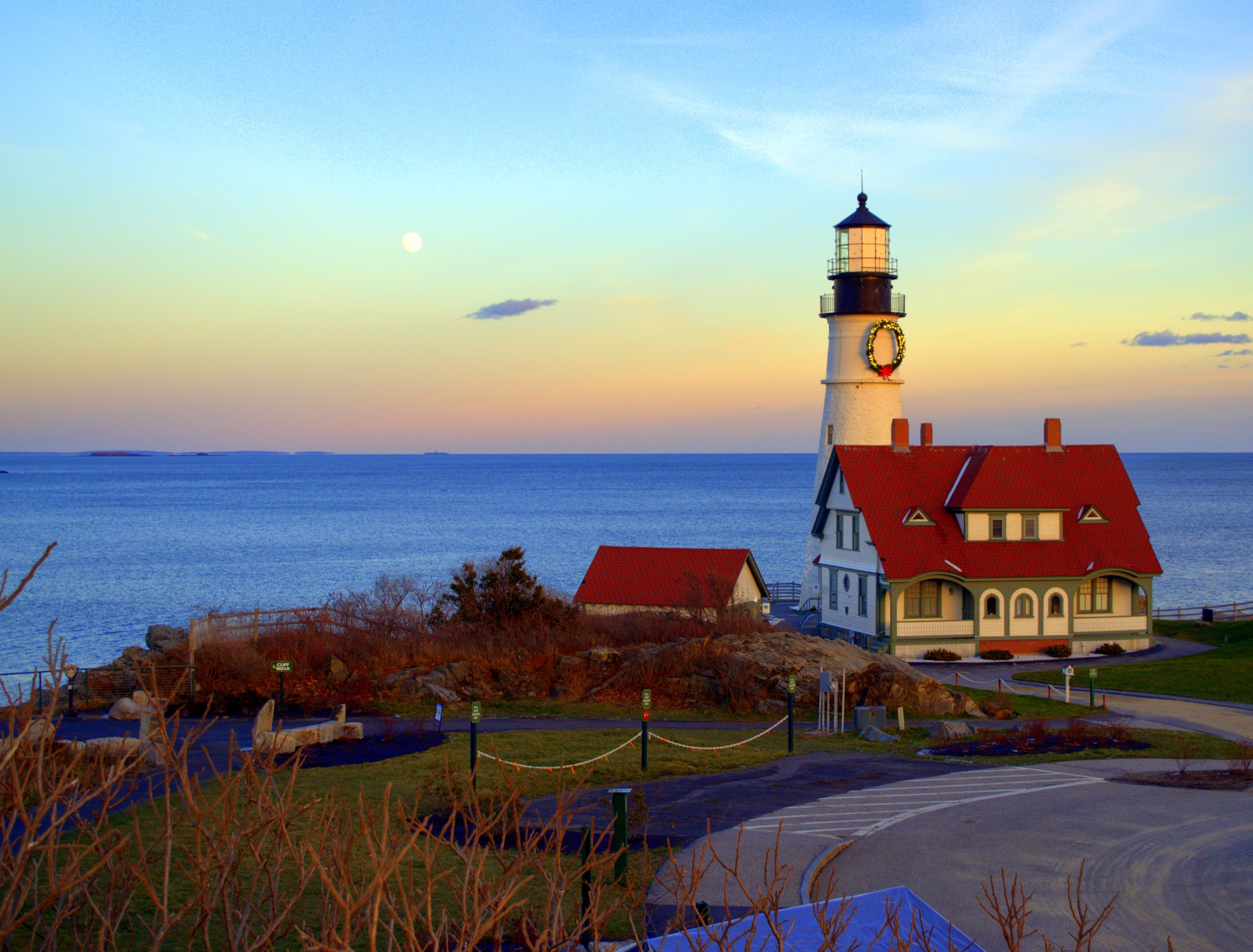
Portland Head Light draws the camera first, but Fort Williams Park rewards a second look in a different direction. The ninety-acre public park occupies a former military installation, and surviving batteries help explain a history that a lighthouse-only visit can easily overlook.
Battery Blair is a useful place to begin. Its reinforced-concrete position once held large guns on disappearing mounts: the guns could be lowered for loading and raised to fire. You do not need to memorize their specifications to appreciate the engineering problem. The remaining structure invites you to imagine how machinery, crews, and protection had to work together in a confined space.
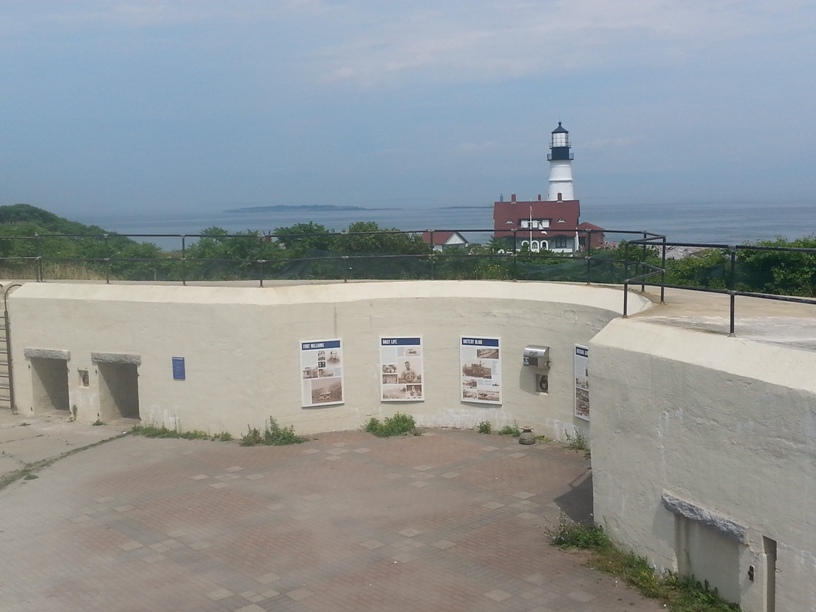
The park's official account describes Battery Blair as partly excavated after it was filled in following municipal acquisition. On your walk, look for explanatory plaques and stay within public areas. An old military landscape includes remnants that are meant to be observed rather than entered or climbed.
The park is open year-round from sunrise to sunset, and park admission is free. Parking is a separate matter: several lots use paid parking, while the official information page identifies a free overflow lot. The lighthouse museum keeps seasonal hours, and the tower is not routinely open for climbing. Build your visit around the grounds, coastal views, and military remains, then add a museum visit only when its own schedule fits.
Choose the Visit You Actually Want
For a substantial masonry fort, start with Fort Knox. For a compact architectural stop, consider Fort Popham or Fort Edgecomb. Fort McClary offers a particularly useful look at different construction periods, while Old Fort Western puts more emphasis on people and the changing uses of a building. Fort Williams works well when you want to combine military history with a longer outdoor park visit.
Before leaving, check three things separately: grounds access, building access, and tours or special attractions. Save the official page for the site you choose, allow time to read its interpretive material, and pack for an outdoor visit even if some of your day will be inside. The most memorable part may be the moment you look back at the water and understand why the fort was placed there.


