Lake Superior can make a familiar landscape feel like the edge of an ocean. Waves roll against rock and breakwater, freighters approach the harbor, and a lighthouse gives the eye a place to settle on the horizon.
These five Minnesota lighthouse stops tell different parts of that story. One is a cliff-top historic site, another marks a working harbor, and one survives only as ruins beside a sandy trail. Some can be toured at certain times; others are best appreciated from shore. Check seasonal hours and weather before traveling, and stay off exposed piers when waves, wind or ice make them unsafe.
1. Split Rock Lighthouse: A cliff-top landmark with a story below the view
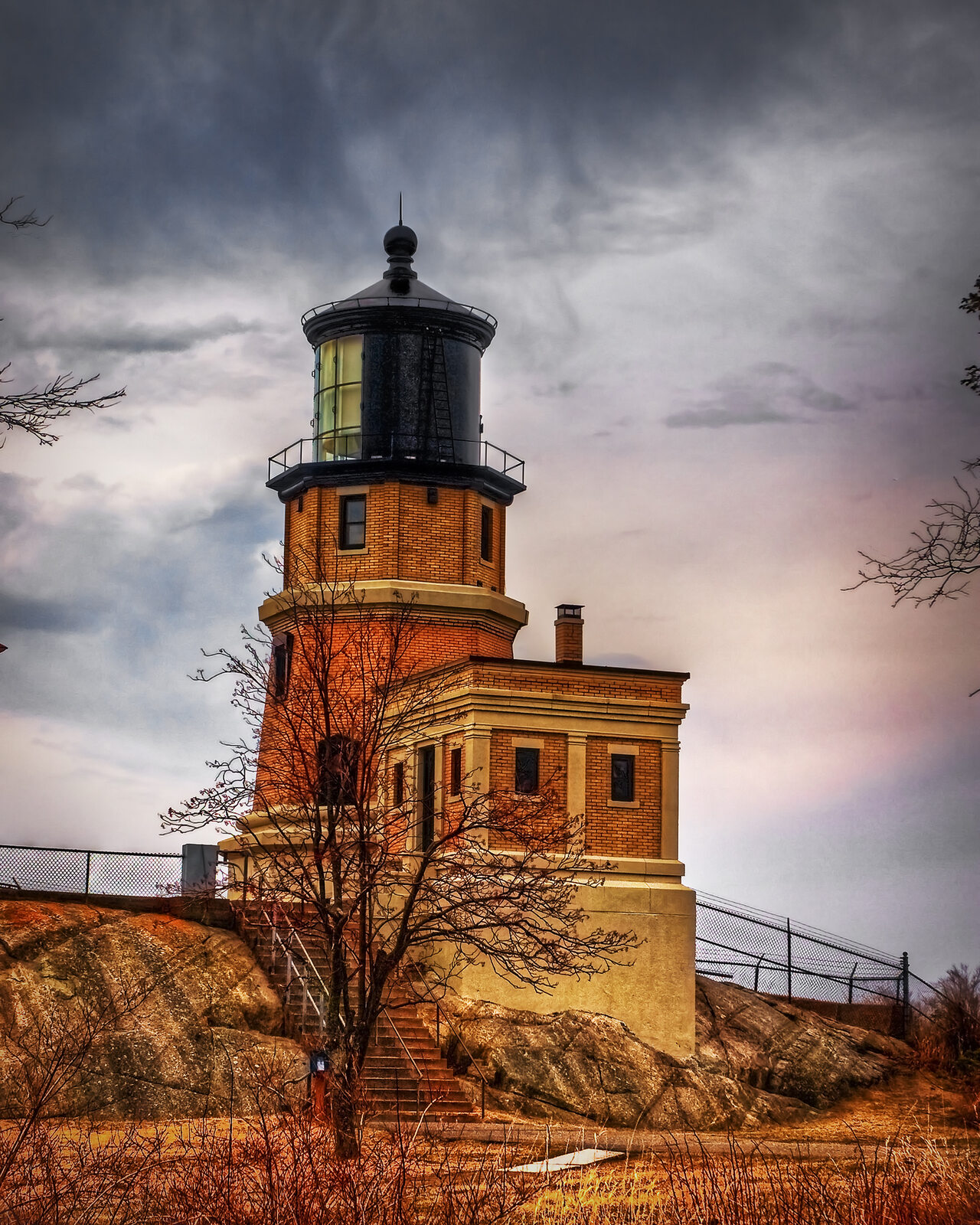
Split Rock Lighthouse is the image many travelers carry home from Minnesota’s North Shore: a pale tower and keeper’s buildings on a cliff above Lake Superior. The station began guiding ships in 1910, after a period of devastating storms and shipwrecks made navigation on this shore a pressing concern. Its light was decommissioned in 1969, but the place remains a powerful introduction to the lake’s maritime history.
The historic site is managed by the Minnesota Historical Society; the surrounding Split Rock Lighthouse State Park is a separate operation. That distinction affects planning. A park visit or shoreline view is not automatically a ticket to enter the historic buildings, and the historic-site admission choices change by season.
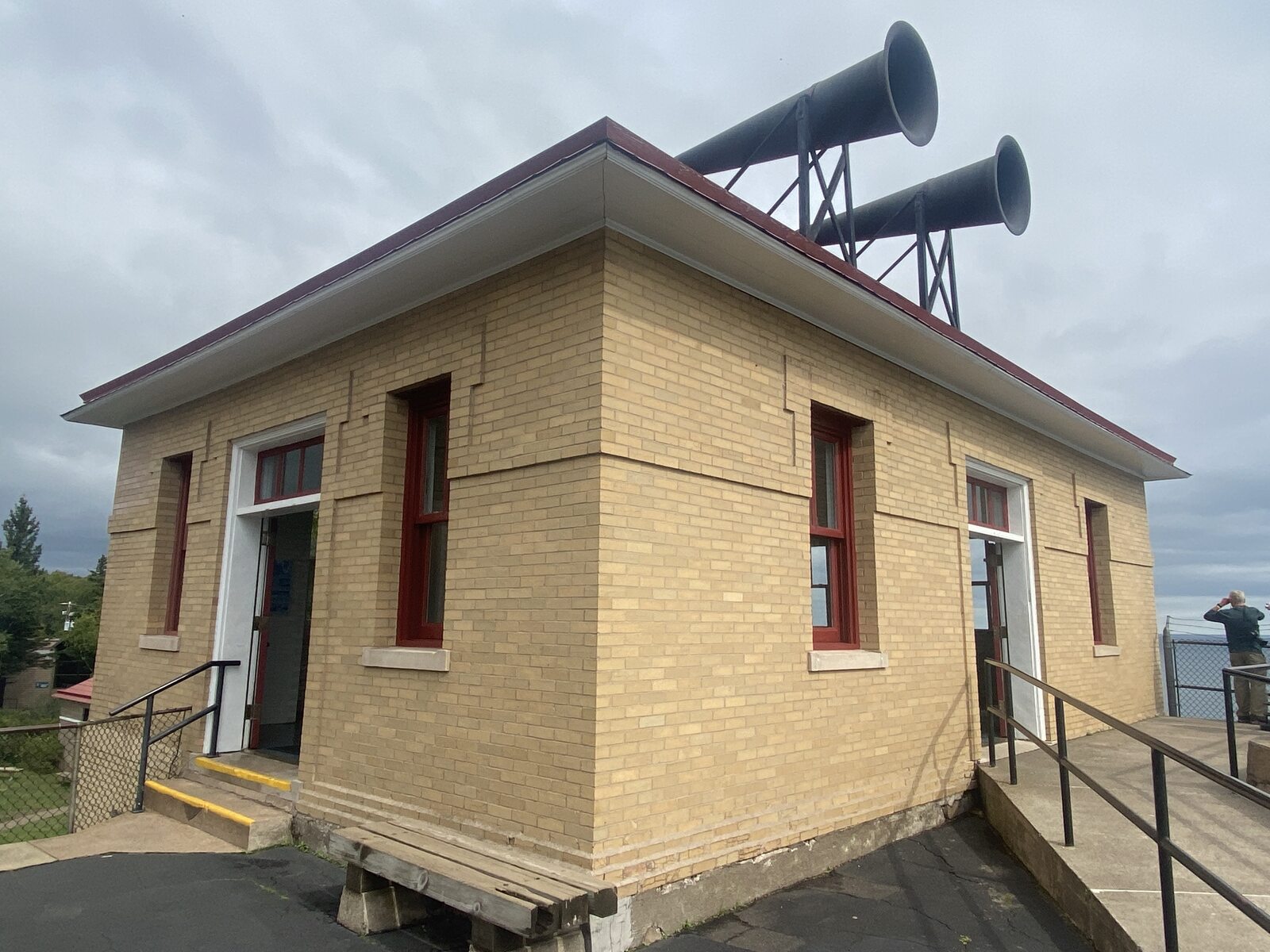
For the period from October 20, 2026, through January 4, 2027, the historical society lists a grounds pass that does not include lighthouse or keeper’s home access, alongside separately scheduled guided experiences. Check the current calendar for dates, capacity and holiday hours before choosing a ticket. If climbing steps or traveling between buildings is a concern, ask the site about accessible options for the experience you choose.
For a broader perspective, explore the state park’s trails and shoreline where conditions allow. Pebble Beach provides a view of the lighthouse above the lake, but a beach-level photograph should never come at the expense of safe footing. Ice, waves and cold water can make the shore hazardous. The best view is one you can enjoy without pushing beyond your group’s comfort or the posted rules.
2. Two Harbors Light Station: A harbor shaped by ships and iron ore
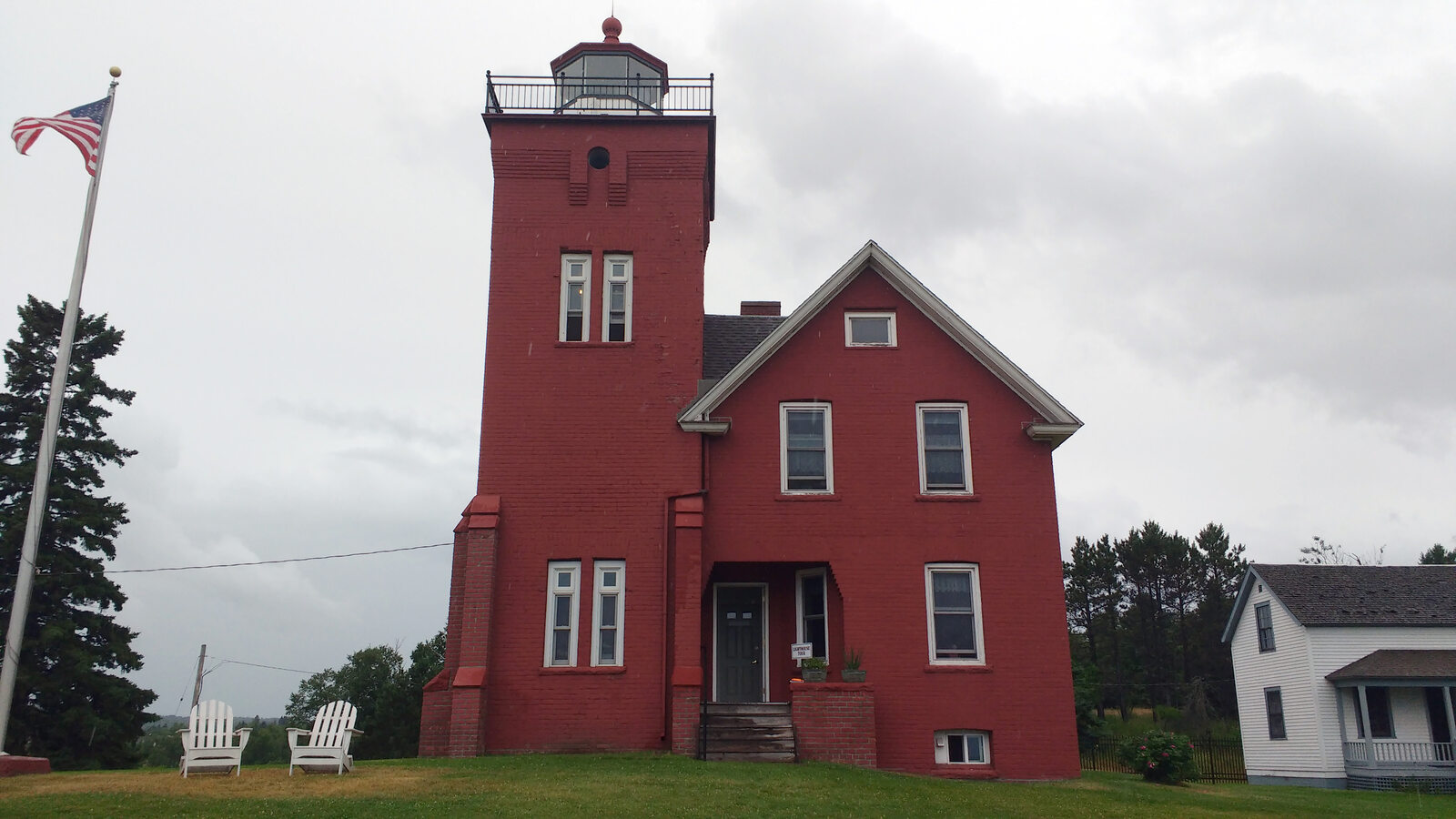
At Two Harbors, the red-brick light station looks over Agate Bay, where the movement of iron ore helped make the harbor important to the region. The station dates to 1892 and offers a more intimate counterpoint to Split Rock’s dramatic cliff setting: here the story is closely tied to a working town and its waterfront.
The Lake County Historical Society manages the light station and its museum. It currently lists the station as closed for the season, with reopening planned for spring 2027. Check the society’s own information for current tour dates and access rather than assuming the building is open whenever you can see it from the waterfront. The light station’s bed-and-breakfast is a separate lodging option; contact its operator about reservations and seasonal availability.
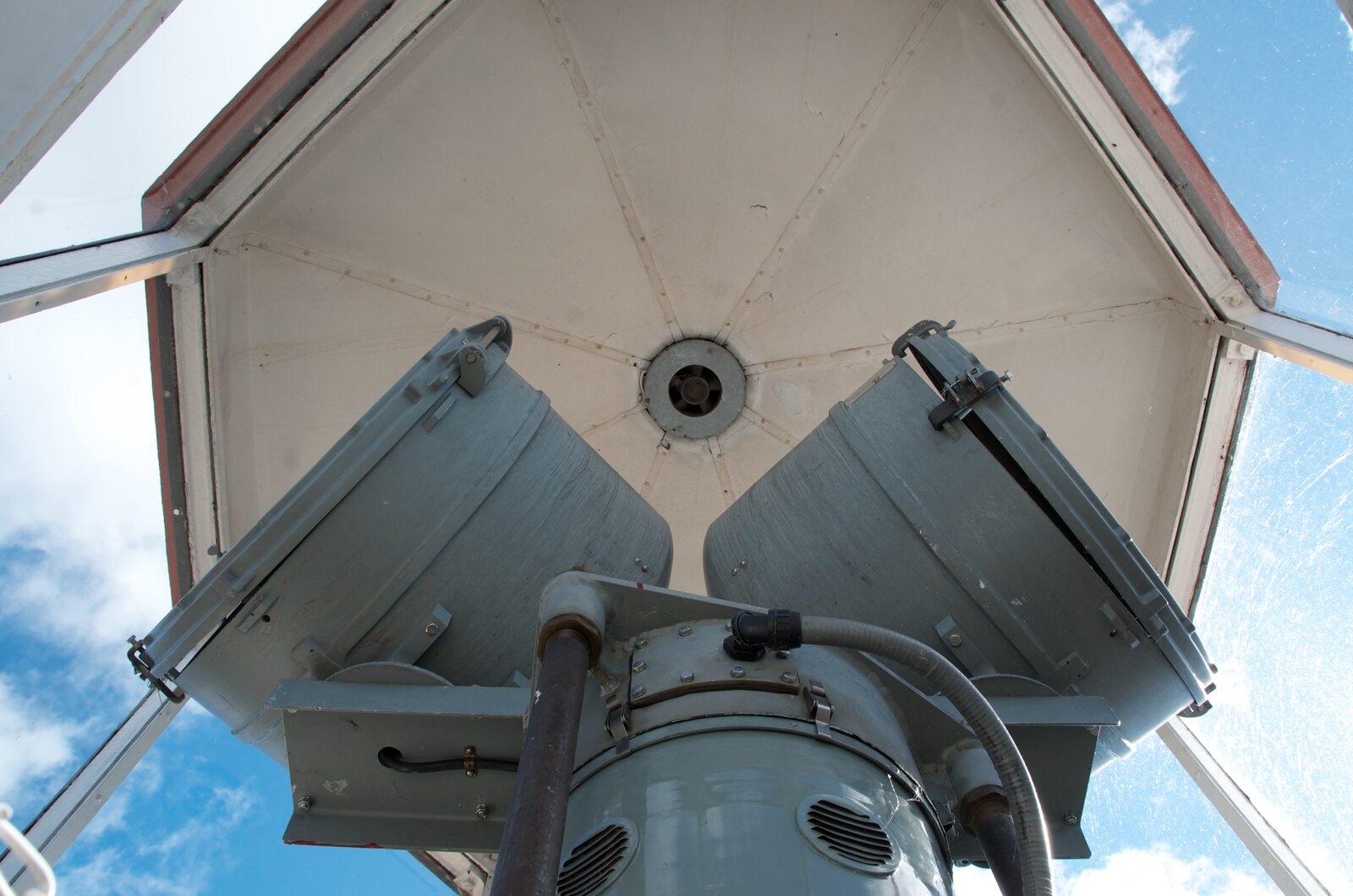
Give yourself time to look across the harbor as well as toward the tower. Ore docks, rail lines and passing vessels help explain why a navigational light mattered here. The nearby depot museum has its own schedule, so verify its hours separately if you hope to combine the two stops.
Two Harbors also has a distinct breakwater light. It is not the same structure as the brick light station, even though both appear in photographs of Agate Bay. View either from a safe public area and obey any barriers or construction notices. Superior’s breakwaters are exposed to waves and slippery surfaces; there is no need to walk to the end for a worthwhile view.
3. Duluth Harbor North Pier Light: Watch the ships come through
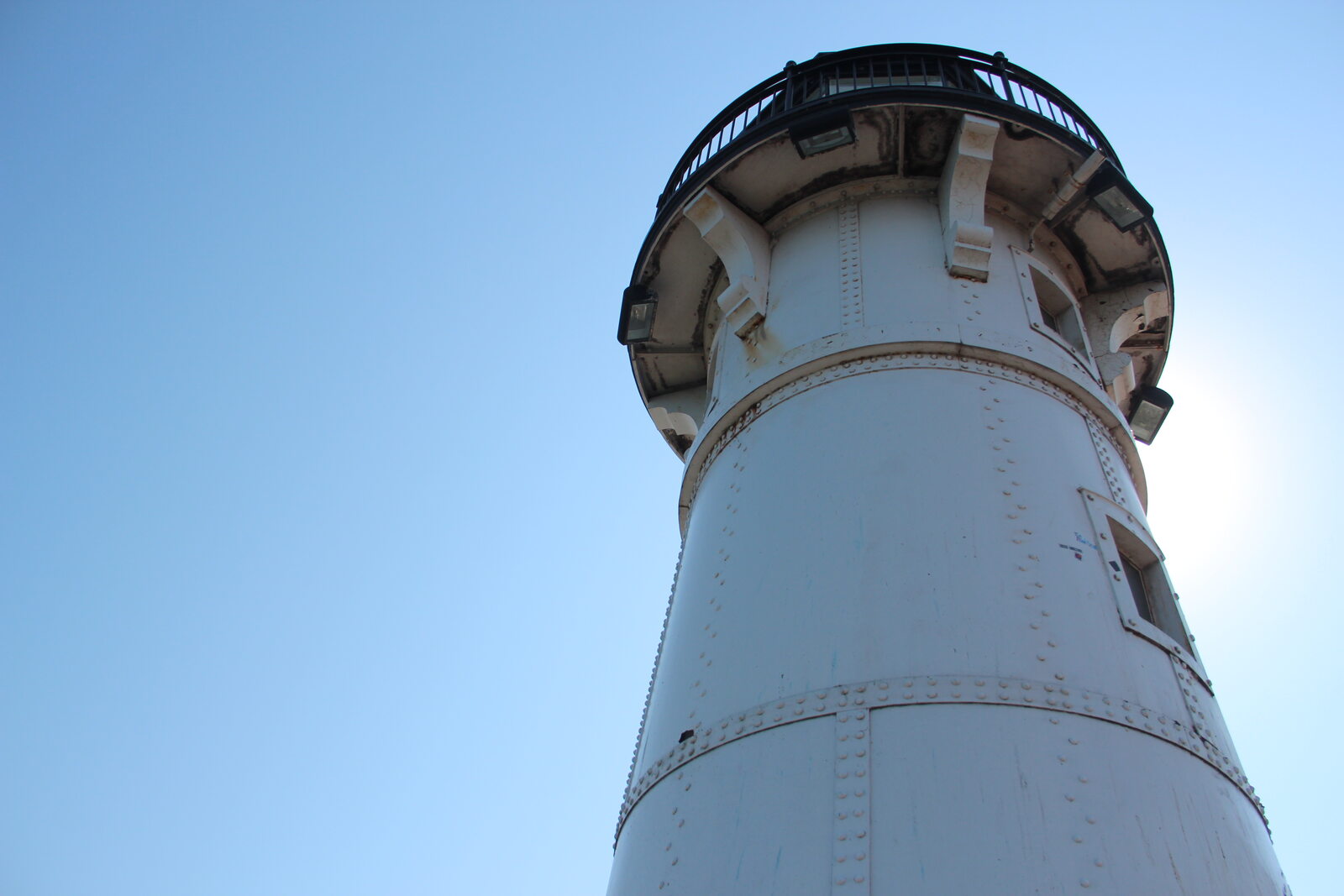
In Duluth’s Canal Park, the North Pier Light marks one side of the ship canal near the Aerial Lift Bridge. This is a lighthouse stop with almost constant context: the bridge, the canal and the possibility of a passing ship show how navigation still shapes the waterfront today.
From the Canal Park area, look across the entrance and you can also see lights on the south side of the canal. They are separate navigational structures, not different names for the same tower. Watching how a vessel lines up with the channel can be as interesting as examining the lights themselves.
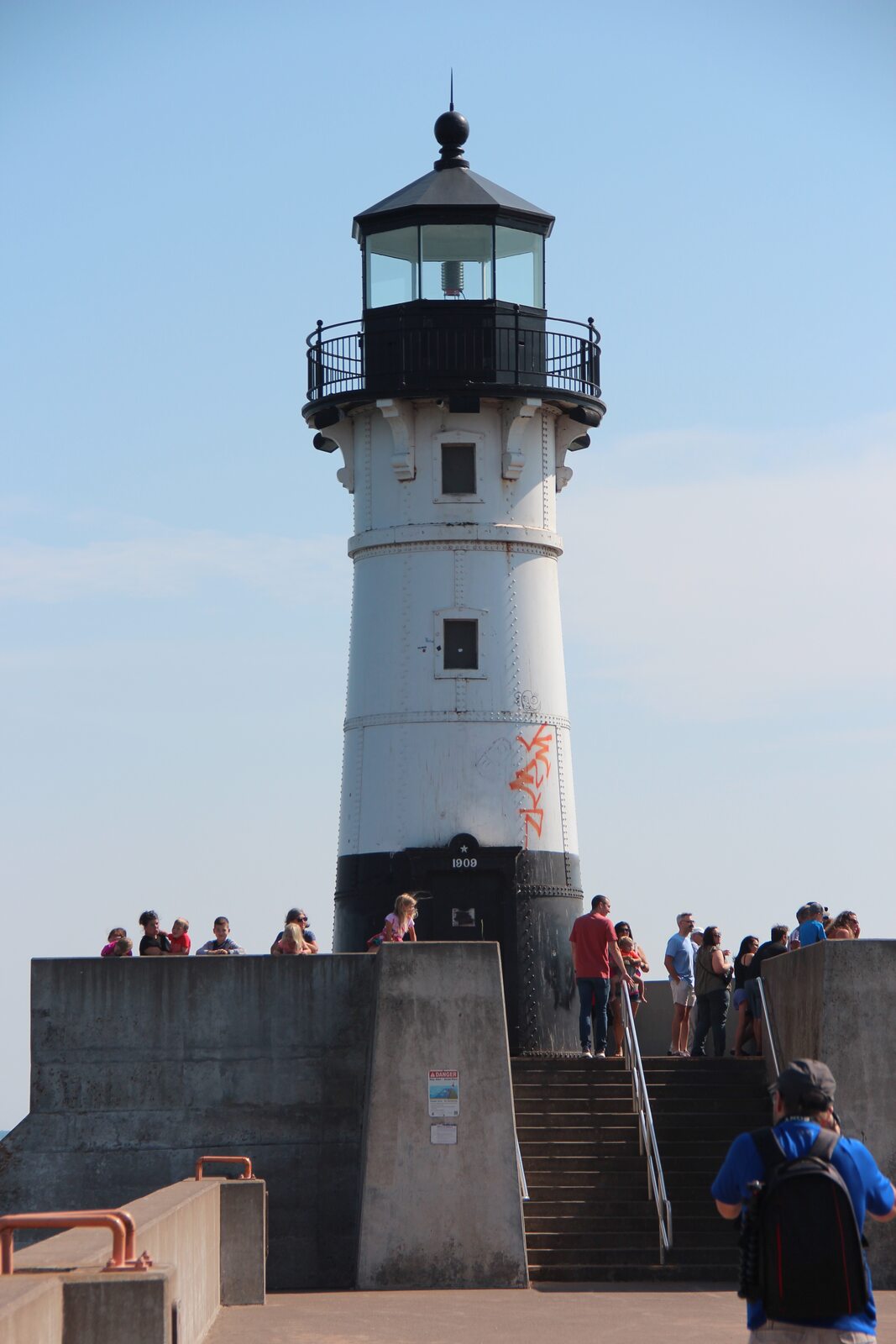
If the pier is open and conditions are calm, visitors may be able to approach the north light on foot. Check posted access notices first, and stay on shore when waves wash over the concrete, ice forms or wind makes footing uncertain. Lake Superior’s temperature and changing weather leave little margin for a fall into the water. Children should stay close to an adult near the edge.
Build this stop into a longer Duluth outing: arrive with time for the waterfront and the Lake Superior Maritime Visitor Center, then leave room for lunch or dinner nearby. Ship movements are not guaranteed to match your schedule, but the canal and its lights are worth seeing even on a quiet afternoon.
4. Grand Marais Light: A small beacon on an expansive lake
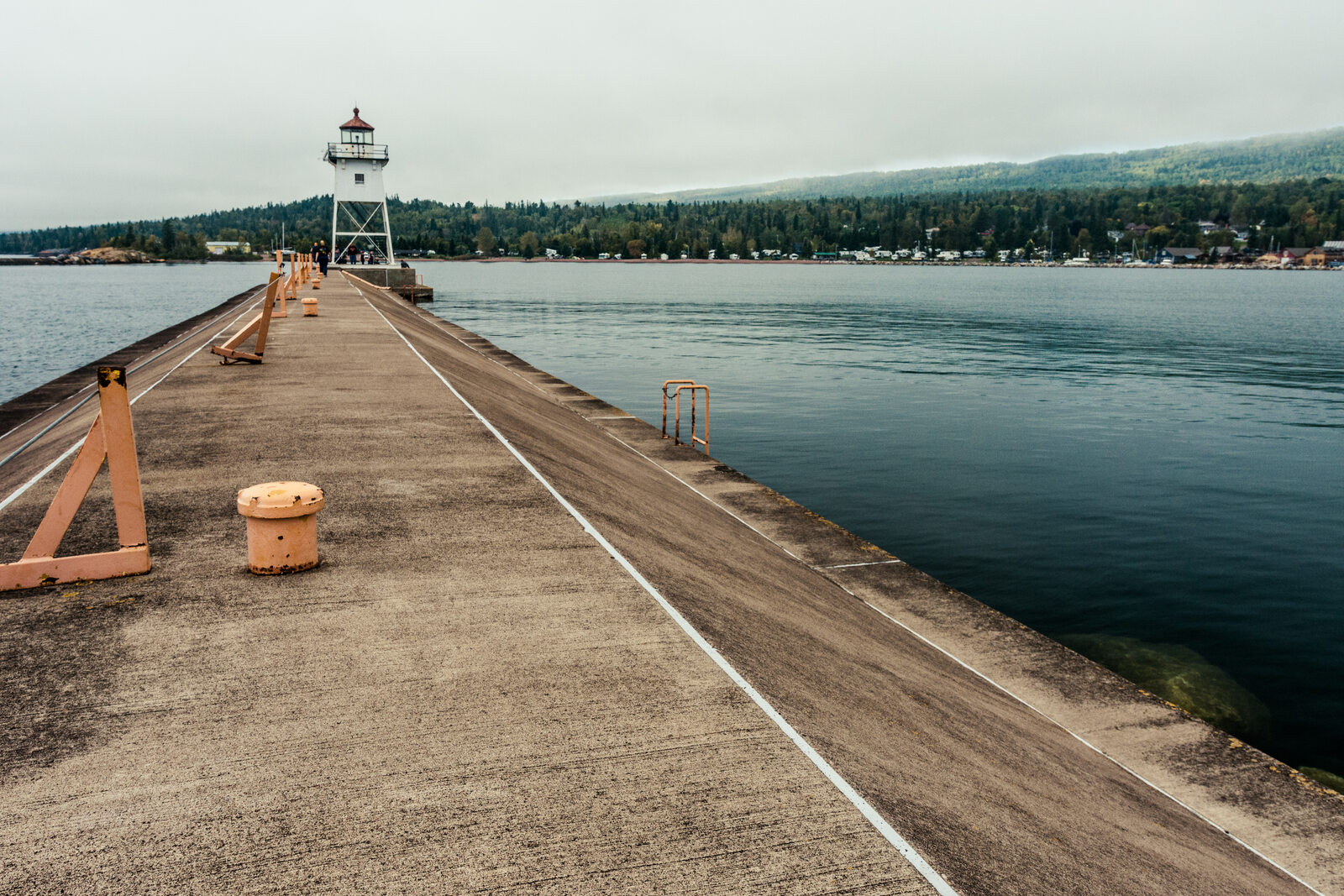
The lighthouse at Grand Marais stands at the end of a harbor breakwater, a compact landmark against a very large lake. From the waterfront, it helps define the entrance to the harbor and gives visitors a visual connection between the sheltered water and the exposed shoreline beyond.
This is primarily an outdoor viewing stop. Do not assume that a lighthouse interior is open for tours or that the breakwater is safe to walk on simply because the weather feels pleasant downtown. Wind can build waves quickly, and wet or icy rock and concrete can become treacherous. If water is washing over the route, stay well back and enjoy the scene from shore.
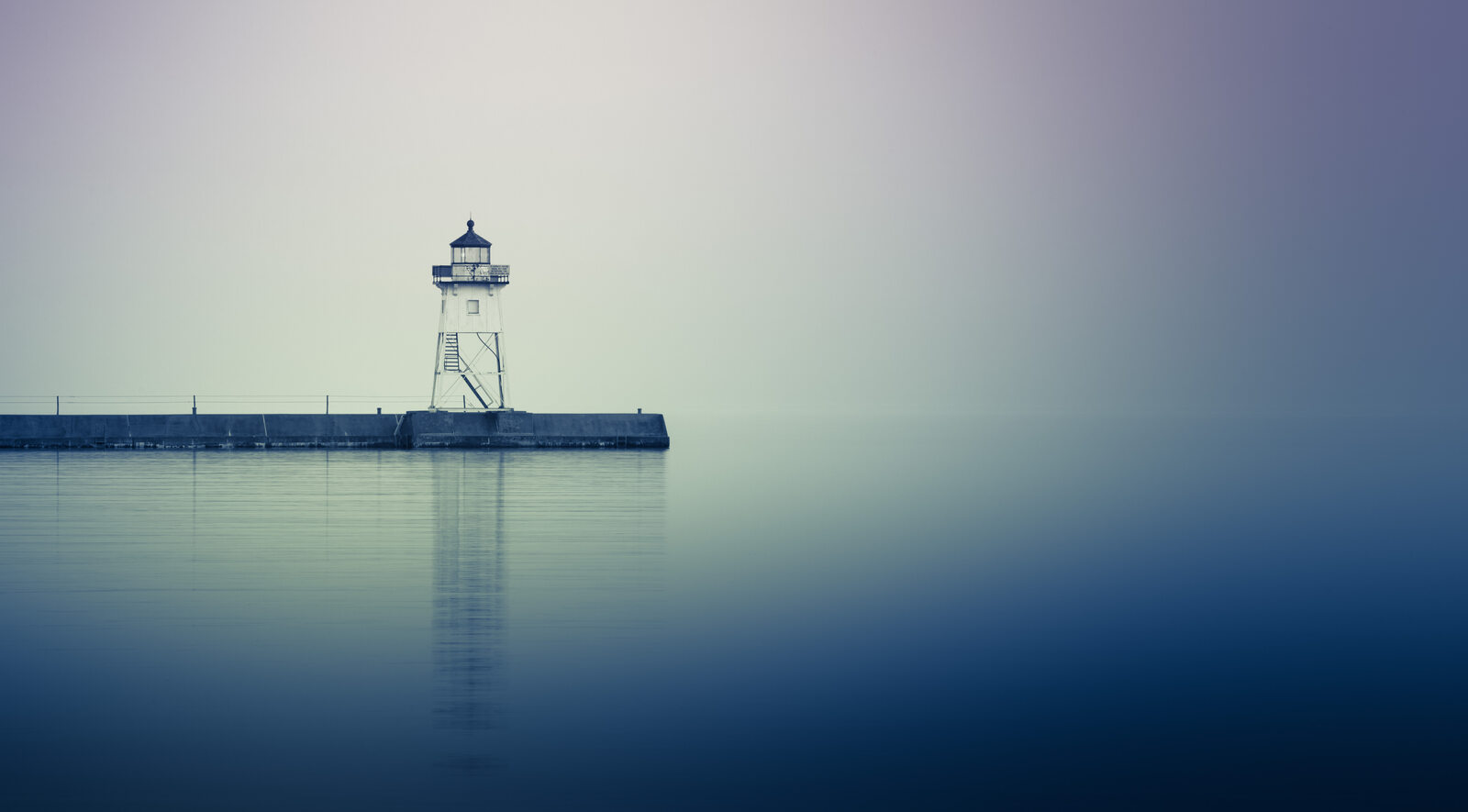
Artist’s Point is another nearby place to appreciate the meeting of rock and water, but it has its own uneven surfaces and exposure. Wear shoes with good grip, keep children close and turn around if conditions change. In cold months, check local access and remember that snow can hide ice beneath it.
The town makes a pleasant place to pause for a meal or browse shops between North Shore stops. If you are combining Grand Marais with Split Rock in one day, check driving time and daylight before leaving; the distances along the shore are part of the trip, not just the space between destinations.
5. Minnesota Point Light ruins: Follow a sandy trail into an older chapter
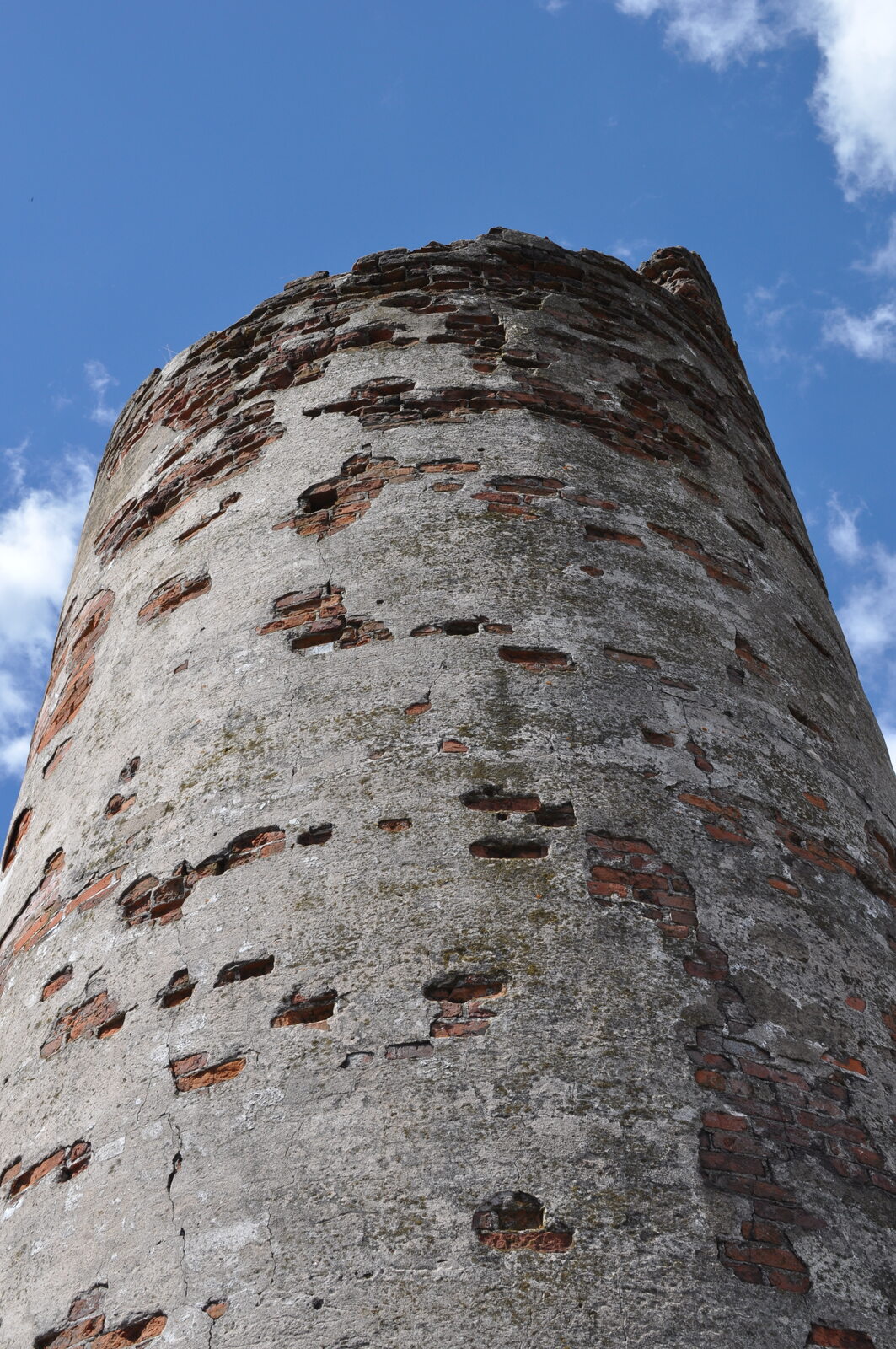
Not every lighthouse survives as a complete tower. On Duluth’s Park Point, the remains of the Minnesota Point Light give walkers a chance to see a much older chapter in the harbor’s history. Visit Duluth identifies the ruins along a trail toward the end of the long sandy point and describes the original light as Minnesota’s first lighthouse.
This is a different outing from parking near a museum. The trail is sandy and can be uneven, so plan for a walk rather than a quick roadside stop. Check the city’s current trail conditions, follow signs and carry water. In winter, snow, ice and cold wind can make the exposed route more demanding than the distance suggests.
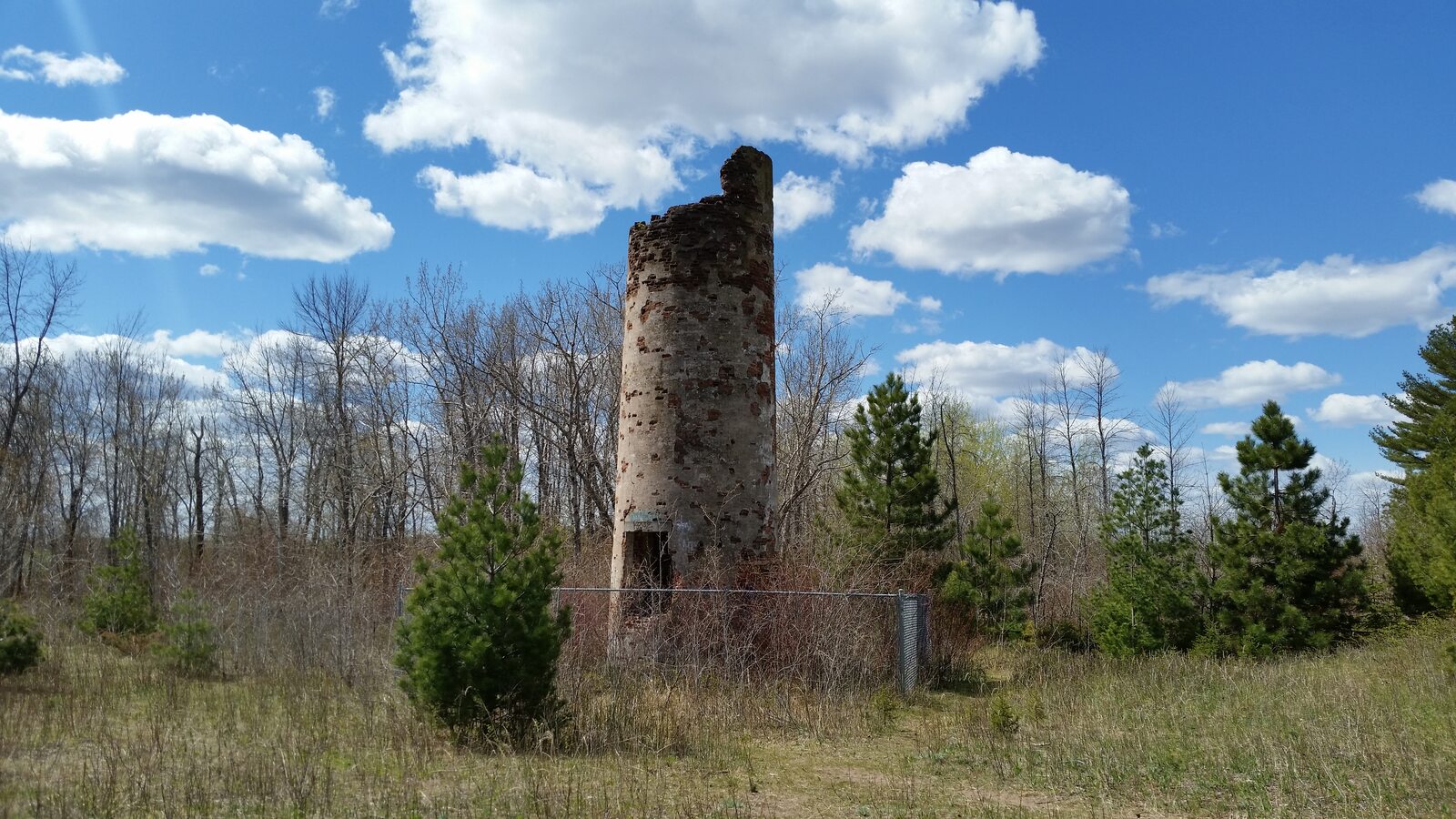
The ruins are a historic place, not a restored tower to climb. Leave masonry and other features undisturbed, and stay on the route. If your group needs step-free access or is unsure about walking on sand, ask local visitor information about current conditions and consider the Canal Park waterfront as an alternative.
The point itself is part of the reward: a long strip of land separating harbor waters from Lake Superior. Take time to notice that geography while keeping a safe distance from the water. A visit here makes the working lights at the ship canal feel like part of a longer story of people finding their way through the harbor.
Plan a safe lighthouse trip
North Shore weather can change quickly, and seasonal schedules differ from one site to the next. Check the Minnesota Historical Society for Split Rock, the Lake County Historical Society for Two Harbors and local notices for pier and trail access. Make reservations where needed and allow more driving time than a map first suggests.
Most importantly, treat waves, wind and ice as reasons to enjoy a lighthouse from a distance. A shoreline photograph or a view across the harbor can be every bit as memorable as reaching the end of a breakwater.