An Adirondack trip does not have to begin with a difficult summit. A walk beside a village lake, a scenic drive and a quieter lakeside stop can introduce visitors to the region's mountain setting without asking everyone in the group to take on the same demanding hike.
Lake Placid and Paradox Lake provide two different starting points for an eastern Adirondacks itinerary. They are separate destinations, so check the drive between them and consider whether you want a one-day outing or an overnight stay. Seasonal closures, daylight and mountain weather should shape the plan as much as the map does.
1. Make Lake Placid your village base
Lake Placid combines a walkable village center with mountain views and a long history of winter sport. The body of water beside Main Street is Mirror Lake, which is different from the larger Lake Placid nearby. That distinction is useful when reading maps, booking a room or asking for directions.
Start with time around the village rather than heading immediately for a trailhead. A leisurely breakfast, a short walk and a look at the weather can help your group choose the rest of the day. Local shops and attractions have their own schedules, so verify opening hours during the shoulder seasons and around holidays.
This is a practical base for travelers who want access to food and lodging while exploring the surrounding mountains. It can also be busy during events and peak travel periods. Reserve accommodations early when a major event coincides with your visit, and check parking rules instead of assuming a downtown space will be available.
2. Walk part or all of the Mirror Lake loop
The route around Mirror Lake is approximately 2.7 miles, with a paved walking route near the water and village streets. You do not need to complete the entire loop to enjoy it. Pick a comfortable section, stop for a view and return the way you came if that fits your schedule better.
In warm weather, the lakefront is a pleasant place to watch activity on the water or pause near the village park. Winter brings a different landscape, but ice and snow can change walking conditions. Bring footwear suited to the forecast and check local guidance before setting out; a paved route is not necessarily dry or free of ice.
The loop offers a useful contrast to a backcountry trail. Services are closer, and groups can adjust the length of the walk. Still, sidewalks cross roads and driveways, so supervise children and pay attention at intersections. Ask locally about current surface conditions if step-free access is important to your visit.
3. Let the season guide your mountain plans
The Adirondacks change dramatically across the year. Summer can bring long days and busy trailheads; autumn adds color and cool mornings; winter brings shorter daylight and the possibility of serious snow and ice. Spring can leave trails wet and muddy long after temperatures feel mild in town.
The New York State Department of Environmental Conservation publishes Adirondack backcountry notices. Consult them before choosing a hike, even if the trail appears short. Weather, parking restrictions and closures can change, and a mountain trail may be much more demanding than a village walk of the same distance.
In the High Peaks Wilderness, DEC notes that skis or snowshoes are required when snow depth reaches at least eight inches. Other rules and reservation requirements apply to specific access points. If your group lacks winter equipment or experience, enjoy a village-based outing or consult a qualified local guide instead of treating a summit as a casual walk.
4. Consider a seasonal stop at Paradox Lake
Farther southeast in the Adirondacks, Paradox Lake offers a quieter lakeside setting. The state-operated Paradox Lake Campground and Day Use Area includes a boat launch, picnic facilities and campsites. Its operation is seasonal, and the DEC lists a limited operating window; confirm the current year's dates, fees and available facilities before driving there.
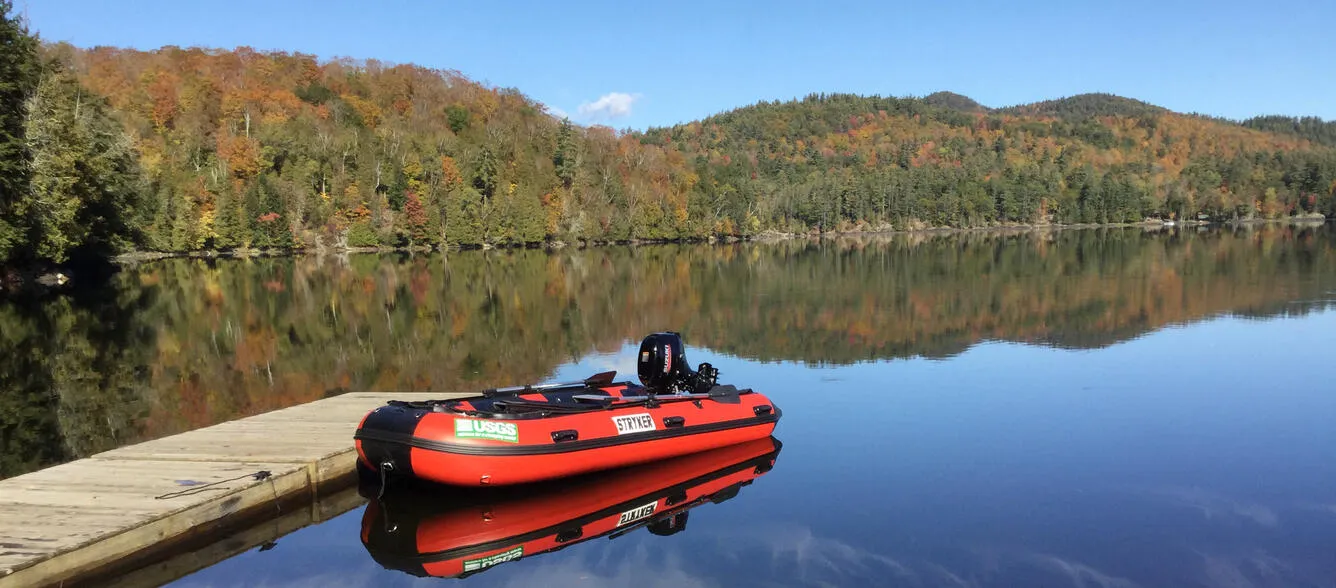
The photograph of autumn color on the lake is a reminder that the region looks different from season to season. It is not a promise that the campground or its services will be open during peak foliage. Check the rules for any activity you plan, including boating or swimming, and follow posted signs and staff directions.
For a summer overnight trip, make reservations where needed and review the campground's current policies. Bring appropriate safety equipment for the water and clean, drain and dry boats and gear as directed to help prevent the spread of aquatic invasive species. Conditions can change quickly on a mountain lake, so check the forecast and choose an activity that matches your experience.
5. Build a comfortable, flexible itinerary
For a first visit, spend one day based in Lake Placid, with time for Mirror Lake and a relaxed meal. Add another destination only after checking the route and opening status. Paradox Lake can be part of a broader eastern Adirondacks drive in its operating season; it need not be squeezed into the same afternoon.
Carry water, layers and a charged phone, and tell someone your plans before leaving for a remote trail. Do not rely on having reliable mobile service throughout the mountains. A paper map or downloaded directions can be useful, but neither replaces current conditions or sound judgment.
The reward is a trip shaped around the group rather than a checklist: a comfortable village walk, mountain views and the option to explore a lake or trail when the season is right. Leave space to linger, and let changing weather be a reason to adjust rather than a reason to hurry.