On the east bank of the Hudson River, Hyde Park offers a personal way to explore the people and decisions of the twentieth century. Franklin D. Roosevelt's family home, the presidential library and Eleanor Roosevelt's Val-Kill retreat sit within a short drive of one another, but each tells a different story. Together they make an absorbing day trip, with space to walk the grounds between indoor visits.
This is not a single attraction with one ticket and one timetable. The National Park Service operates the historic sites; the presidential library and museum are a separate institution. Check each schedule before setting out, particularly outside the main touring season.
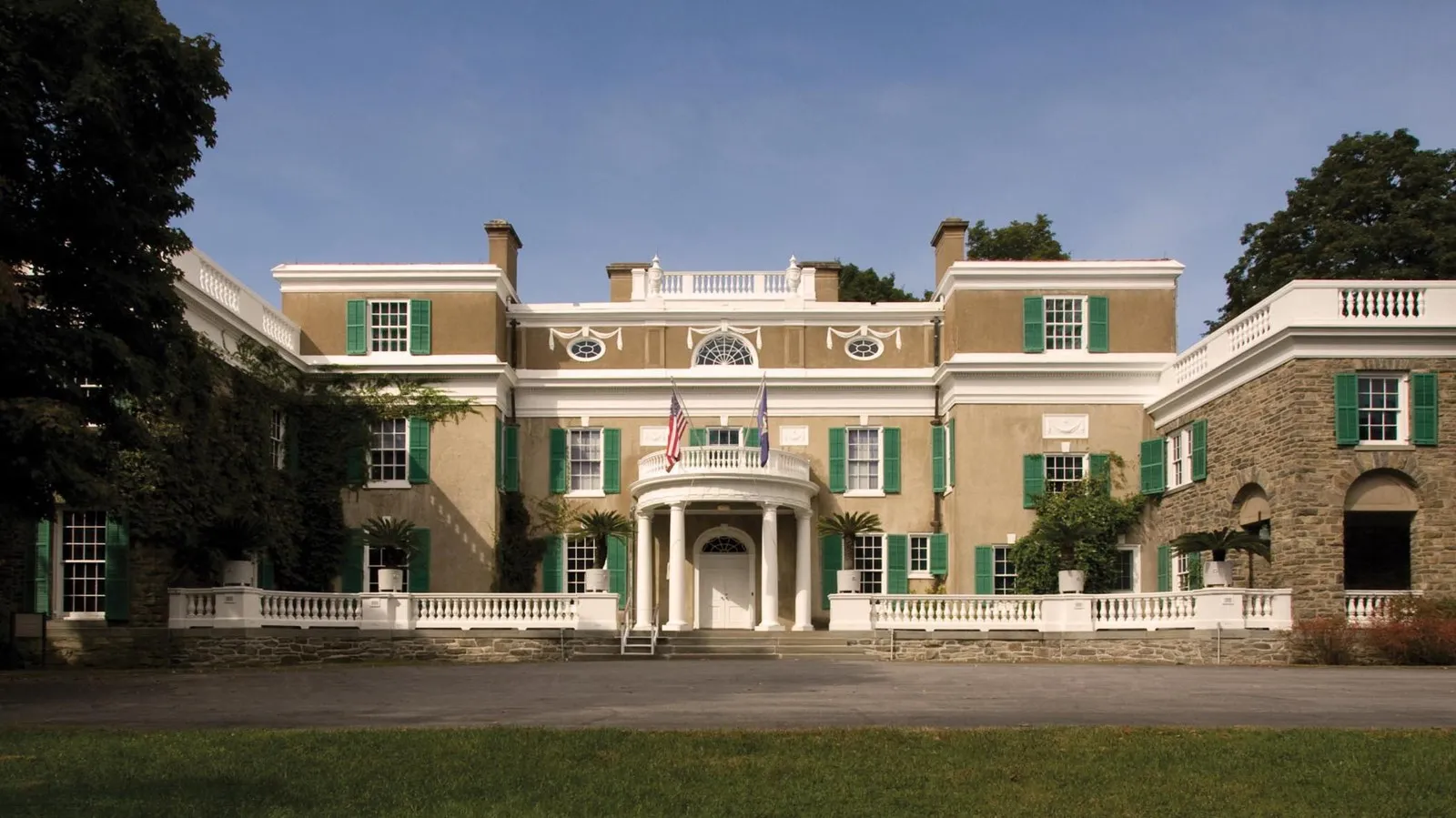
1. Begin at Springwood, Franklin Roosevelt's family home
Springwood was Franklin Roosevelt's birthplace and remained connected to his family throughout his life. Its rooms and furnishings offer a more intimate setting for considering a president usually encountered through speeches, wartime photographs and New Deal history. Roosevelt returned here throughout his political career and received important visitors at the house.
Allow time for introductory displays before joining a ranger-led house tour. Springwood is viewed by guided tour, and availability and operating hours can change; check the park's current schedule and ticket information before arriving. The grounds give visitors another perspective on how the house sits within the Hudson Valley landscape, so the trip can still include a worthwhile walk if the tour time requires a wait.
Pay attention to the building as well as the objects inside. Roosevelt's physical disability shaped the ways he moved through spaces, and the house preserves evidence of adaptations that help explain daily life beyond the public image of the presidency. Ask a ranger about accessible options currently available for the tour and grounds.
2. Walk the garden and reflect on a family legacy
The Rose Garden at the Home of Franklin D. Roosevelt National Historic Site is a quieter counterpoint to the house. Franklin and Eleanor Roosevelt are buried here, making the garden a place for reflection as well as a stop on a history itinerary. Seasonal plantings change the appearance of the space, so a November visit will look different from a summer afternoon.
Build a little unscheduled time into this part of the day. Read the park's interpretive material and consider how the family's private life intersects with the public story told inside. Paths, weather and seasonal maintenance can affect a walk, so ask staff for current conditions if you need a particular route.
The surrounding grounds are useful for families traveling with children who need a break between museum galleries. Stay on designated paths and supervise children around roads and parking areas. Comfortable shoes and an extra layer can make a big difference when a breezy Hudson Valley day changes quickly.
3. Visit the Franklin D. Roosevelt Presidential Library and Museum
The library and museum add national and international context to the nearby family home. Exhibits interpret Roosevelt's presidency through the Great Depression, the New Deal and World War II, using documents and objects to show how government decisions reached ordinary lives. Set aside enough time to read and explore rather than treating the museum as a short add-on.
Because the library is administered separately from the National Park Service home, confirm museum hours, admission and any ticket requirements directly with the Franklin D. Roosevelt Presidential Library and Museum. A home tour and museum visit can involve different arrangements. Booking the first scheduled activity early and leaving room for lunch makes the day feel less rushed.
The museum is also a useful bridge between the two Roosevelt sites. It gives visitors context for Franklin's public office before they continue to a place more closely associated with Eleanor's independent work and friendships.
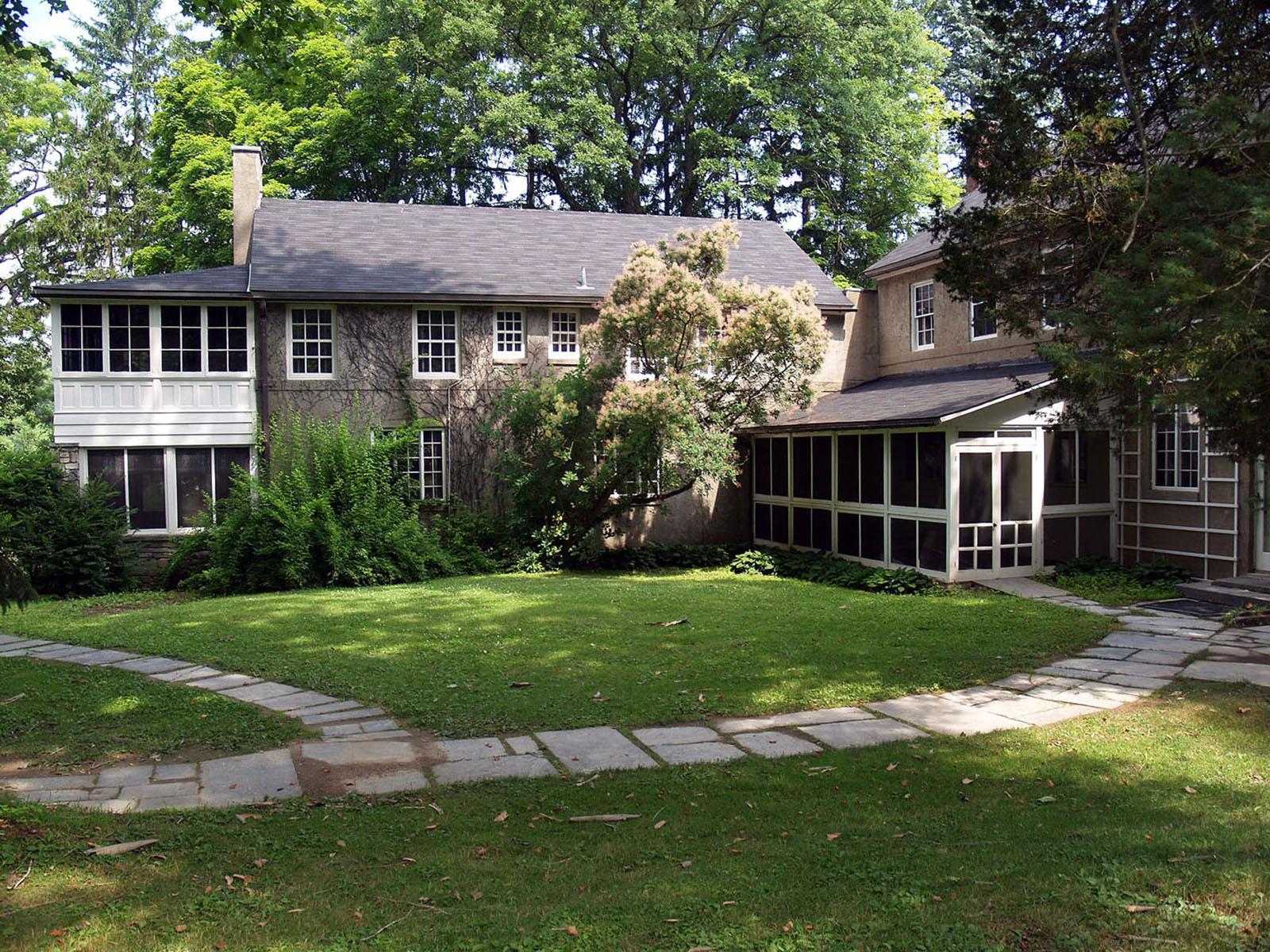
4. Continue to Eleanor Roosevelt's Val-Kill
A short drive from Springwood, Eleanor Roosevelt National Historic Site preserves Val-Kill, the place Eleanor made her own. Its story extends beyond her years as first lady: she used the property as a home, a workplace and a setting for conversations with friends and visitors. Val-Kill Cottage began as part of a furniture-making venture before it became her residence.
The modest scale changes the mood of the trip. Visitors can use the site to explore Eleanor's independent political, social and humanitarian work. Park exhibits and guided programs explain the people and projects associated with the property.
As of November 16, 2026, the park lists cottage tours and the Stone Cottage visitor center as closed for the season; reopening is tentative for May 21. Check directly with the park before planning a later visit. The grounds have their own hours and holiday closures, so verify those too. When cottage tours operate, the park says they are free and first come, first served; arrive with flexibility because space is limited.
5. Give the Hudson Valley landscape its own time
Hyde Park works especially well when the itinerary includes a pause between sites. Leave time for lunch in the area, then return to whichever grounds are open for a short walk. A clear day can make a simple stretch outdoors feel like an essential part of the visit, while rain or a cold wind may make the museum a better choice for the middle of the day.
This is a driving itinerary; check maps and parking details before departure, and allow extra time if traveling with a group or anyone who needs step-free access. Site staff can explain current accessibility options; historic buildings and outdoor paths may present different challenges.
For an easy first visit, start with a confirmed Springwood tour, follow with the library and museum, and drive to Val-Kill afterward if its grounds or programs are open. If seasonal schedules do not line up, focus on fewer stops and enjoy them properly. The reward is a fuller picture of two influential Americans, the homes they used and the wider history that unfolded around them.