The first glimpse of Niagara Falls rarely prepares you for the sound. Water moves toward the brink with a force you can hear before you fully see it, while mist softens the view across the gorge. On the New York side, Niagara Falls State Park offers several perspectives, from overlooks above the river to seasonal attractions closer to the water.
The park is open year-round, but individual attractions have their own schedules and fees. A visit in November looks different from one in July. These six tips can help you choose a pace and avoid assuming that every experience runs the same way in every season.
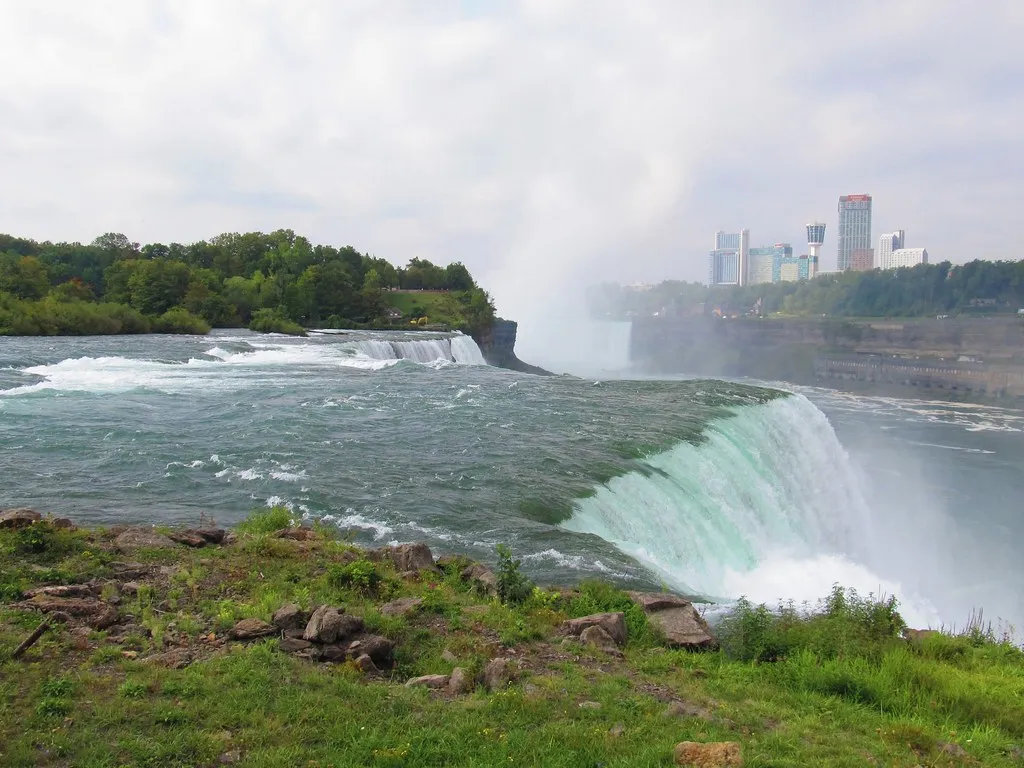
1. Begin with the viewpoints
Niagara Falls is a group of waterfalls on the Niagara River, including the American Falls, Bridal Veil Falls and Horseshoe Falls. New York's state park provides views from the U.S. side, with paths and overlooks around Prospect Point and Goat Island. You do not need to cross the international border to explore the New York park.
Start with a map and give the viewpoints more than a quick stop. Water levels, mist and light can change what you see from one minute to the next. Stay behind railings, use marked paths and give other visitors room at busy overlooks. The force of the water is a reason to respect barriers even when the weather is calm.
The park itself is open year-round and is free to walk into, although parking and attractions can have fees. Check the state park's current information for parking arrangements and seasonal changes before arriving.
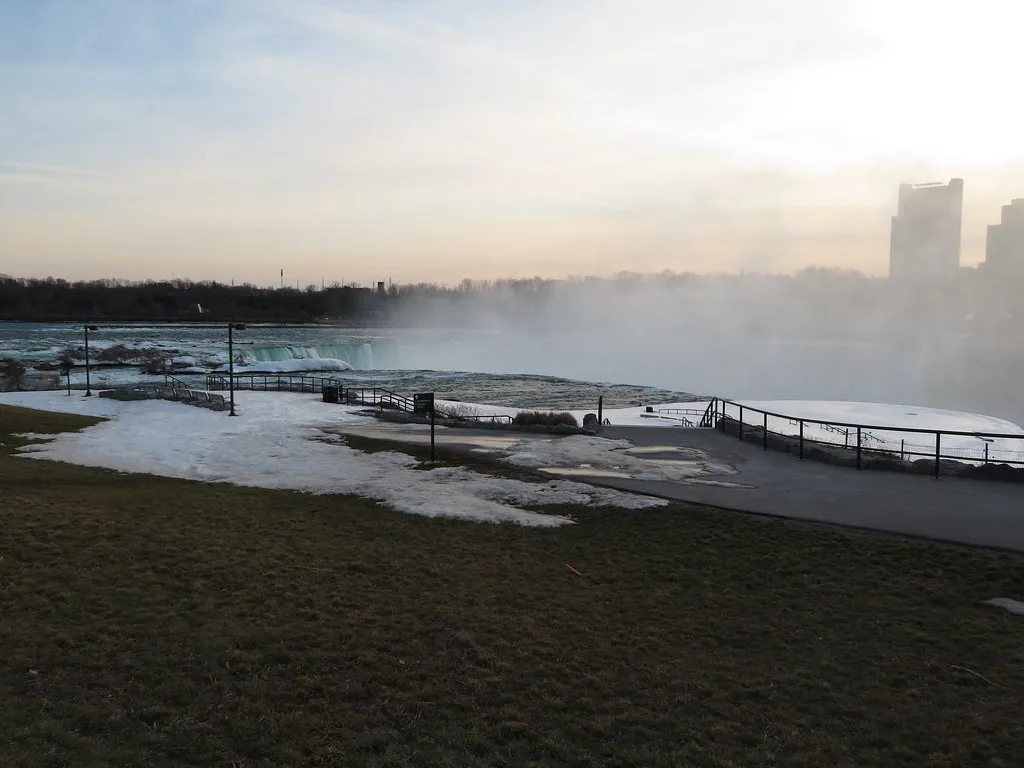
2. Give Goat Island time
Goat Island sits between parts of the falls and provides a different perspective from the mainland. Terrapin Point looks toward Horseshoe Falls; Luna Island, reached from Goat Island, offers another view near the American and Bridal Veil Falls when access is open. The park's suggested itineraries can help visitors connect overlooks without guessing at every turn.
Distances can add up as you move between parking, viewpoints and attractions. Wear comfortable shoes, allow time for rest and check accessibility information for the specific route you intend to use. In cold weather, ice and spray can make surfaces slick, and some routes may close for safety.
The photographs in this article show the American Falls brink and a winter view at Terrapin Point. They illustrate different perspectives and seasons, not a promise that the same path or weather will be available on your visit.
3. Plan Cave of the Winds separately
Cave of the Winds is a ticketed attraction on Goat Island that brings visitors close to Bridal Veil Falls. The operator says timed tickets are purchased in person at the attraction or welcome center, and recommends making that one of your first stops. Check the current schedule and ticket details on the day of your visit; the experience can change with weather and season.
The operator lists the attraction as open year-round, subject to holiday closures and changes. It also says the former sandal distribution has been phased out, so bring footwear you don't mind getting wet when the experience calls for it. In colder months, ask what portion is operating and dress for the conditions instead of assuming the summer route is unchanged.
If you prefer to stay dry or avoid stairs, the park's overlooks can still make a full visit. Compare current accessibility information with your group's needs before buying a ticket, and follow staff instructions at every point.
4. Check the boat season
The Maid of the Mist departs from the New York side for a boat experience near the falls, but its schedule is seasonal. Check the operator's current dates and weather policies before building a winter itinerary around it. A photograph of a crowded summer boat does not mean boats are running on a November day.
If the boats are operating, allow for queues and time to reach the boarding area. Mist and wind are part of the experience, so protect phones and other belongings. If the boats aren't running or your party would rather watch from shore, the state park still provides many ways to appreciate the falls.
5. Dress for the actual forecast
Spray, wind and changing temperatures can make the park feel different from the city streets nearby. Layers, sturdy shoes and a water-resistant outer layer are useful in many seasons. In winter, consult the park's alerts and avoid icy surfaces. Don't climb or cross barriers for a photograph; a dramatic angle is not worth leaving a safe route.
The park's hours and attraction schedules are separate. Confirm parking fees, restroom availability and any temporary closures before traveling, especially on holidays. Attractions can close or alter access when conditions demand it.
6. Leave time for a quieter view
Niagara is famous for spectacle, but a slower walk along a permitted riverside path can reveal the landscape around it. The park also describes trails into the Niagara Gorge, which require more preparation and may be more demanding than an overlook stroll. Choose a route appropriate to the weather and the people in your group, and check the latest trail status.
A first visit doesn't need to include every attraction. Start at the viewpoints, select one ticketed experience if it suits the season, and leave time for a meal or a second look at the water. The falls are worth seeing from more than one angle—and worth giving enough time to hear.