The Statue of Liberty is recognizable from almost anywhere in New York Harbor, but a visit to Liberty and Ellis Islands offers more than a skyline photograph. The ferry connects a monument, a museum about its creation and an immigration museum where individual journeys become part of a much larger American story.
The most useful decisions happen before you board: which ticket to buy, where to enter the security line and how much time to allow. These six tips can make a first visit smoother and more meaningful.
1. Know what a general admission ticket includes
The National Park Service identifies Statue City Cruises as the authorized ferry provider to Liberty and Ellis Islands. A general admission ferry ticket includes access to both islands, the Statue of Liberty Museum and the Ellis Island National Museum of Immigration. It does not include entry inside the statue or its pedestal.
Pedestal and crown access use limited separate ticket categories. If either is essential to your trip, check availability and reserve in advance through the authorized provider. A boat offering a view of the statue is not necessarily a ferry that lands at the islands, so read the ticket description before purchasing.
Ferries serve departure points in New York and New Jersey. Choose the one that fits your itinerary and confirm the current boarding instructions. The park says the New York security and ferry location at The Battery has moved; check its latest directions rather than relying on an older guide.
2. Allow time for screening and the boat
The time on a ferry ticket is the time to enter the security screening queue, not a guaranteed boat departure time. The National Park Service warns that waits can exceed an hour during busy periods. Arrive prepared for a line, and leave room in the day for the ferry, walking and the return crossing.
Review the park's security and prohibited-items information before packing. Comfortable shoes, water and weather-appropriate layers are useful: the harbor can be windy and much of the experience involves outdoor walking. Keep the schedule flexible enough that a delayed boat doesn't make the rest of your plans stressful.
If you want to visit both islands, the park recommends an early departure. Check the last ferry and museum hours for your date. Don't assume you can leave one island as late as you like and still see everything on the other.
3. See Liberty Island beyond the photograph
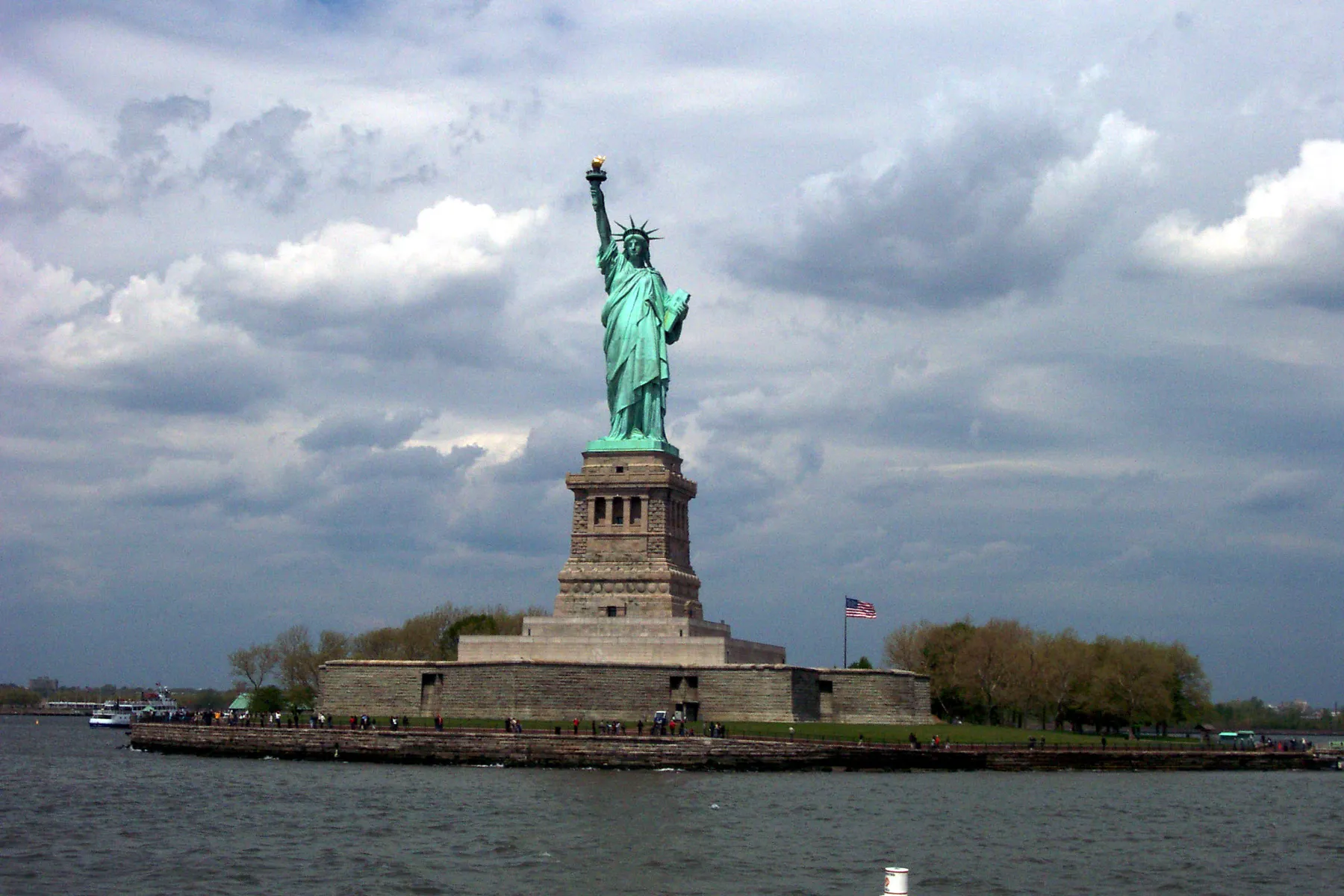
The statue stands on Liberty Island, a separate island from Ellis Island. Walk the grounds for different views of the monument and harbor, then consider the Statue of Liberty Museum. Exhibits interpret the statue's design, construction and meaning, and the museum displays the original torch.
Ranger-led and audio experiences can add context to a self-guided visit. Check what is offered on the day you arrive and choose a pace that works for your party. A view of Manhattan from the island is memorable, but leave time to look back at the monument's details and read about the people who helped create it.
The monument was a gift from the people of France and was dedicated in 1886. Its meaning has been interpreted in many ways over time. The museum can help connect its familiar image to the history and symbolism behind it.
4. Decide whether the pedestal or crown fits
Pedestal tickets allow access to the pedestal; crown tickets provide the separate opportunity to climb inside the statue. Both are limited, and advance planning matters. The park says the crown climb includes 162 steps from the statue's feet to the crown on a confined staircase, with no elevator to the crown.
That climb isn't suitable for every visitor. Review current accessibility and safety information, including any restrictions on what may be carried, before reserving. The island grounds and museum still offer a substantial visit if climbing isn't right for your group or tickets are unavailable.
5. Give Ellis Island time for individual stories
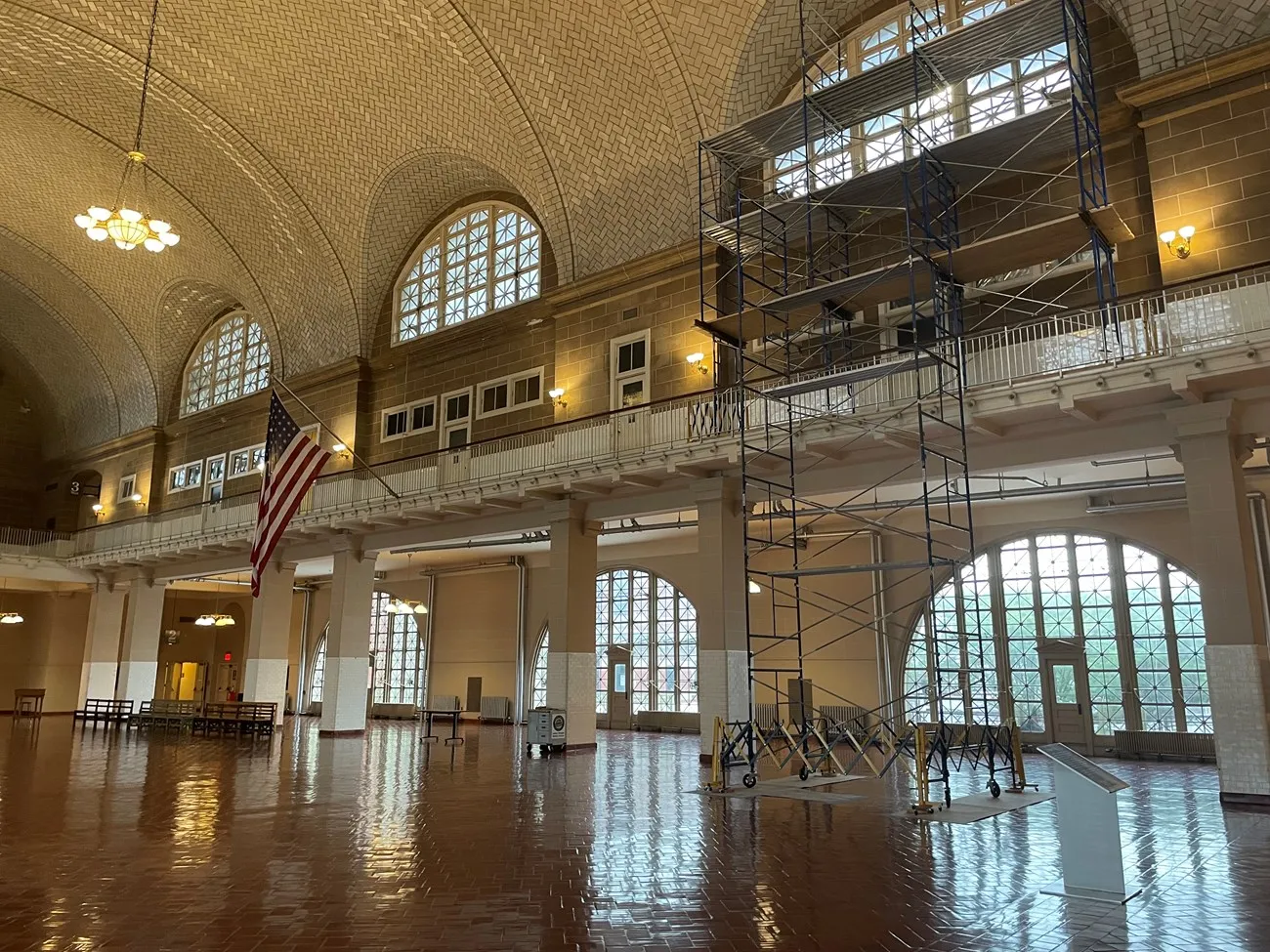
The Ellis Island National Museum of Immigration occupies the former immigration station. Its Registry Room, often called the Great Hall, is a place to consider the scale of arrivals as well as the distinct experiences of individuals and families. Exhibits and audio interpretation can help visitors move beyond a single familiar image of immigration.
The museum is undergoing a reimagining project. The National Park Service says the island and museum remain open during the work, but visitors may encounter construction, noise and temporary closures of some exhibit areas. The accompanying NPS photograph shows the Registry Room during work; check the latest project update for what is accessible on your date.
An early ferry and a realistic museum plan leave more room for reflection. If you have a family connection to immigration records, check the relevant research resources separately before arriving. You don't need a personal connection to find a story worth listening to.
6. Finish with a flexible return plan
Choose a few priorities on each island rather than trying to see every exhibit. Check the ferry schedule, plan for security and weather, and leave a margin for the return. If one museum area is temporarily closed or a ticket category is sold out, the grounds and other exhibits can still make the crossing worthwhile.
This is a trip where the logistics serve the experience. Once they're settled, you can spend more attention on the harbor, the monument and the many journeys remembered at Ellis Island.