In Ohio, an interesting day trip might start with a waterfall in the middle of a downtown, a ride along an old canal route or a ferry across Lake Erie. The reward is not just the landmark itself. It is the little bit of breathing room around it: time to walk, browse, learn something unexpected and stay for another cup of coffee.
These eight communities are spread across the state, so think of them as separate outings or stops on a longer trip rather than a single weekend route. Each has its own pace and history, and none needs an elaborate itinerary to be worth exploring.
1. Yellow Springs: A Colorful Village Beside a Limestone Gorge

Yellow Springs makes it easy to pair a downtown stroll with time outdoors. Browse the village's shops and places to eat, then choose a nearby trail for a change of scenery. Glen Helen Nature Preserve is close to town; the adjoining region also includes John Bryan State Park and Clifton Gorge State Nature Preserve.
Clifton Gorge protects a dramatic stretch of the Little Miami River, where water has cut through limestone and dolomite. Trails offer different perspectives on the gorge, from wooded slopes to views above the river. Spring wildflowers add another layer to the landscape, while fall brings a different look to the same route.

Before you go, check which property and trail you plan to visit: rules differ. Ohio's natural resources department permits pets in John Bryan State Park but not in Clifton Gorge State Nature Preserve. Stay on designated paths and away from cliff edges. A comfortable plan might be a morning walk followed by lunch back in the village, with enough time left to browse without rushing.
2. Granville: Village Streets and a Side Trip Into Deep History

Granville's Broadway is an inviting place to begin a day out. Walk past the village's shops and public buildings, find lunch, and let the afternoon unfold at a slower pace. The town has an attractive concentration of older buildings, so a visit can be enjoyable even if your plan consists mostly of walking and looking.
On the east side of the village, the Bryn Du estate is a local venue for community activities and events. The mansion and its grounds do not operate as an always-open house museum, so check the property's current public access and event calendar instead of assuming an interior tour will be available.

For a longer excursion, head toward the Newark Earthworks in neighboring Newark and Heath. The Octagon and Great Circle are part of the Hopewell Ceremonial Earthworks World Heritage site, created by Indigenous people roughly two millennia ago. Treat these places as sacred cultural sites, stay on permitted routes and check current access before visiting. They offer a perspective on the region that reaches far beyond the village's nineteenth-century streets.
3. Chagrin Falls: A Waterfall Right in the Middle of Town

Some waterfalls demand a long hike. In Chagrin Falls, the namesake cascade is part of the downtown experience. Visitors can see the water dropping through the village and use nearby stairs to reach closer viewing points. Because the steps may be difficult for some visitors, consider the view from street level when planning for mobility needs.
Afterward, explore the shops and dining spots along Main Street. Riverside Park provides another place to pause beside the Chagrin River, with a walking path and green space. It is an easy combination for a short outing: a look at the falls, a walk through town and a meal or snack before heading home.

The character of the falls changes with water levels and weather, so keep a sensible distance from the water and respect barriers. A rainy day can alter both the view and the footing around the steps. In colder months, ice can make surfaces slippery; if conditions are poor, enjoy the scene from a safe, open vantage point instead.
4. Oberlin: A College Town With a Powerful Freedom Story

Oberlin rewards visitors who like a walk with a purpose. Start downtown, then look for a guided experience offered by the Oberlin Heritage Center to learn about the people who shaped the community's abolitionist history. The center interprets stories of Black and white residents who aided freedom seekers and participated in the Underground Railroad.
There is an important distinction here: the Underground Railroad was a changing network of people and routes, not generally a set of literal tunnels under the town. The heritage center cautions against treating popular local legends as established fact. Its history walks offer a chance to hear how individuals and community action fit into the larger struggle against slavery.

Allow time around the tour to explore downtown and the college setting. Schedules for guided programs vary, so look ahead for available dates and reservation information. If the timing does not work, the heritage center's historical-marker resources can help you identify places to consider from public sidewalks. A little preparation makes the history more meaningful than simply passing through.
5. Marietta: Two Rivers and Layers of Ohio History
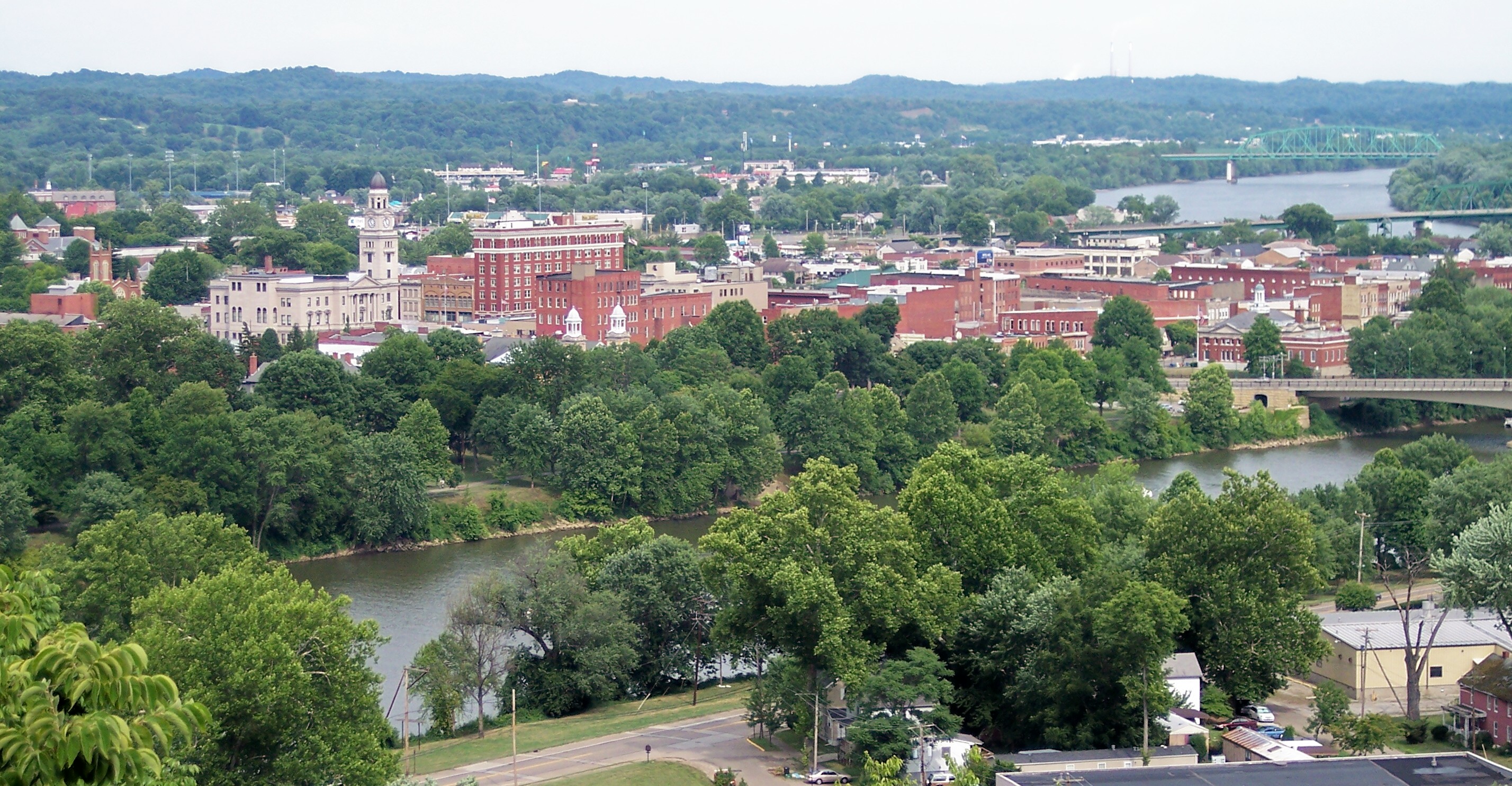
Marietta sits where the Muskingum and Ohio rivers meet, a setting that gives even a brief downtown walk a strong sense of place. The riverfront and historic streets are good starting points for exploring a community shaped by transportation and trade.
At Campus Martius Museum, exhibits and preserved structures tell part of the story of American settlement in the Northwest Territory. The Rufus Putnam House was once part of the Campus Martius stockade. The site also offers a starting point for discussing a much longer and more complicated history: this region was home to Indigenous nations, and westward expansion brought conflict and dispossession.

Plan time for the museum rather than trying to see every river-related attraction in one stop. The Ohio River Museum has a separate location and its own project and access updates, so check its current status before including it in the day. When you return downtown, the confluence makes a natural place to pause and imagine how differently travelers once moved through the region.
6. Peninsula: A Canal Trail and a National Park Village

Peninsula is a handy base for experiencing Cuyahoga Valley National Park at a leisurely pace. The Lock 29 Trailhead provides access to the Ohio & Erie Canal Towpath Trail, where walkers and cyclists follow the historic canal corridor. Choose an out-and-back distance that suits your group instead of feeling obliged to cover miles.
The village grew around the canal era, and the combination of a small downtown, the river and the old transportation route makes that history easier to picture. Peninsula Depot is also a boarding location for the Cuyahoga Valley Scenic Railroad. Train operations and departure schedules can change, so consult the railroad's current information before promising anyone a ride.

Lock 29 is popular and can be crowded, especially on appealing weekends. Arrive with a flexible plan, share the trail courteously and park only where permitted. Whether you spend an hour on the towpath or make a full day of the valley, Peninsula works well for travelers who want both a village stop and a route into the park.
7. Put-in-Bay: An Ohio Island With a Landmark Above the Lake

Put-in-Bay feels different before you even arrive: the village is on South Bass Island, and many visitors reach it by ferry. Check the operator's schedule, departure point, fares and weather advisories for your travel date, and leave a margin for the return trip. Passenger and vehicle options differ by service.
Once on the island, Perry's Victory and International Peace Memorial rises above the Lake Erie shoreline. The National Park Service explains both the Battle of Lake Erie and the enduring peace among the United States, Britain and Canada. Its visitor center provides exhibits and information about the memorial; observation-deck access is subject to hours, tickets and operating conditions.

The island can be busy during popular periods, so choose a pace that suits your group. A walk around the village and memorial grounds may be enough for a short visit, while a longer stay allows more time by the water. Keep ferry timing in mind throughout the day: the most relaxing island trip is the one that leaves room to get home comfortably.
8. Zoar: A Village Built Around a Communal Experiment

Zoar offers a chance to explore a different idea of small-town life. German religious dissenters settled here in 1817, and from 1819 to 1898 the community operated as a communal society. Historic Zoar Village preserves buildings and interprets the work, faith and daily routines of the people who lived there.
The garden is an especially memorable place to slow down. The site's public garden preserves a nineteenth-century layout and gives visitors a sense of how the community organized space as well as labor. A visit to the restored buildings adds more detail about the everyday work behind a settlement that lasted for generations.

Tours are seasonal and their schedules vary, so verify hours before driving out. If a particular building or guided tour matters to you, confirm it directly. A quiet walk around the village can still be pleasant, but the interpretation helps turn attractive old buildings into a fuller story about the choices and beliefs of the people who built them.
Before You Go
Confirm current admission fees, opening hours, accessibility, trail conditions and weather before departure. Some museums and attractions operate seasonally; ferry service and train excursions can change. Stay on designated trails, follow local rules and leave historic and natural places as you found them.


