Pennsylvania’s best-known scenery tends to be above ground: mountain overlooks, covered bridges and rivers winding through wooded valleys. But some of the state’s most surprising day trips begin when a guide opens a door in the hillside.
These six caverns offer different ways to experience the underground, from a boat ride through a water-filled cave to a sandstone maze beneath the Laurel Highlands. They are spread across the state, and their schedules and accessibility vary. Choose one that fits your group, then let the change of temperature and scenery make the rest of the day feel a little different.
1. Laurel Caverns: A Mountain of Passages in the Laurel Highlands
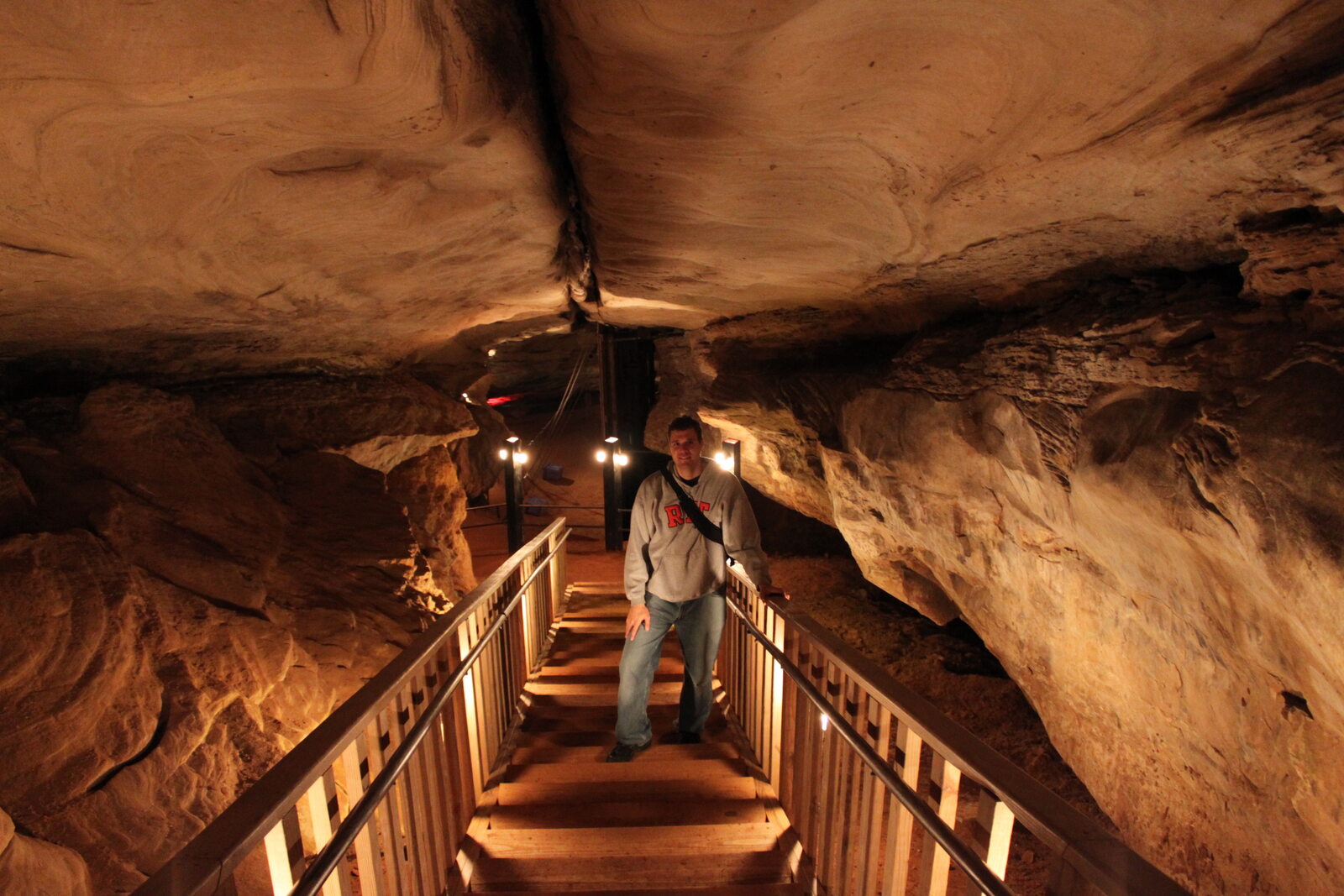
High on Chestnut Ridge in Fayette County, Laurel Caverns invites visitors into a world quite unlike a typical limestone show cave. The operator describes it as a calcareous sandstone cave with more than four miles of passages. Its character comes from sloping rooms and routes through the rock rather than the familiar stalactite displays found elsewhere.
Laurel Caverns State Park became part of Pennsylvania’s state park system in 2026. Above ground, visitors can appreciate the ridge setting; underground, several paid tour options offer different levels of challenge. Read the descriptions carefully before choosing, especially if your group includes children or anyone uncertain about steep terrain.
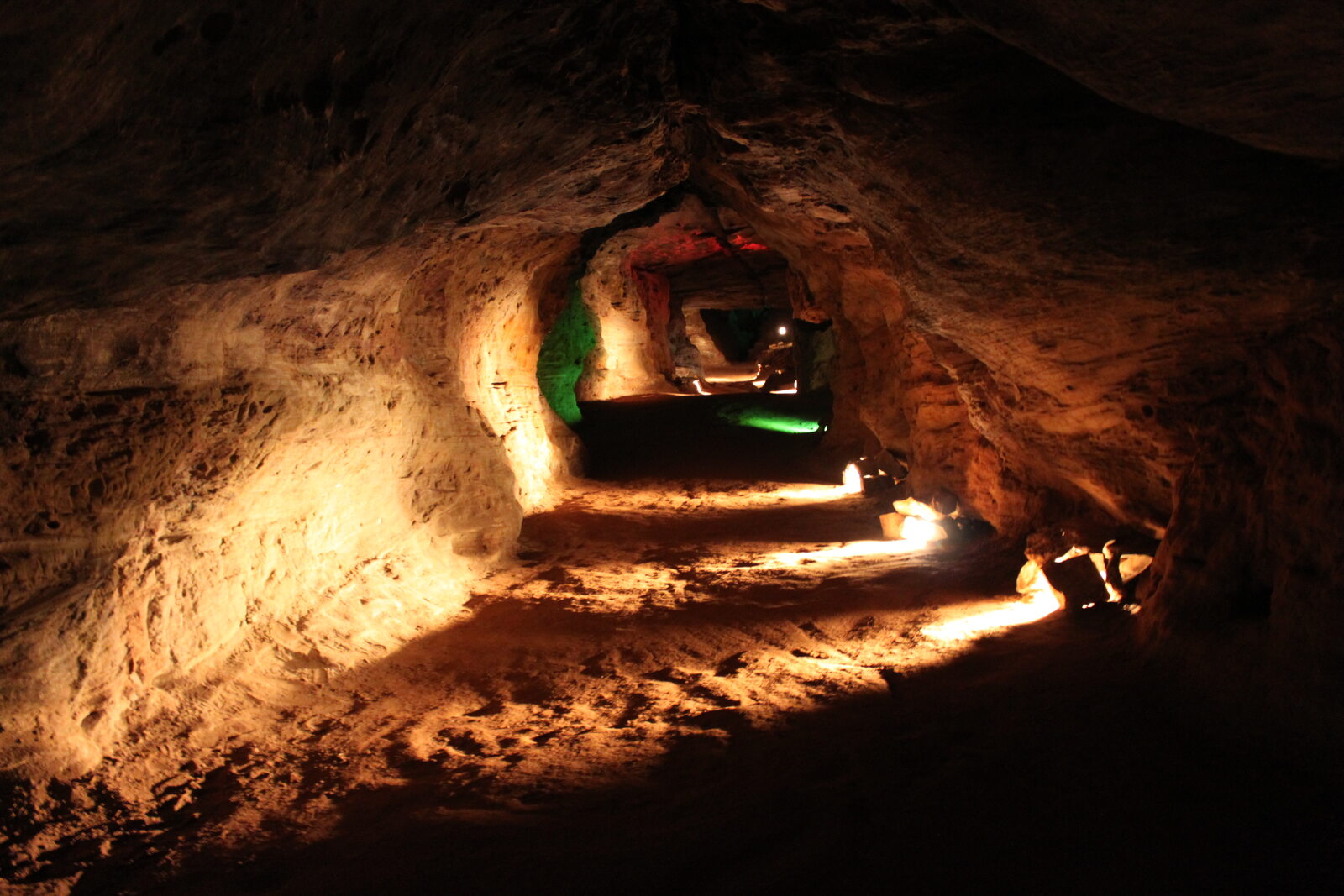
The underground season is important. As of November 15, 2026, the cave operator says its last tour day of the year was October 25. The caverns close for winter bat hibernation. Pennsylvania’s Department of Conservation and Natural Resources says the aboveground park is open year-round from sunrise to 5 p.m., while cave tours generally run from mid-April through the last full weekend of October.
Before you go: Check the state park and conservancy for the next season’s opening and tour conditions. Cavern access requires a paid guided tour; tickets are purchased on-site. A light layer and sturdy footwear are sensible, and you should ask about the specific route’s physical demands before buying.
2. Penn’s Cave: See a Cavern From a Boat
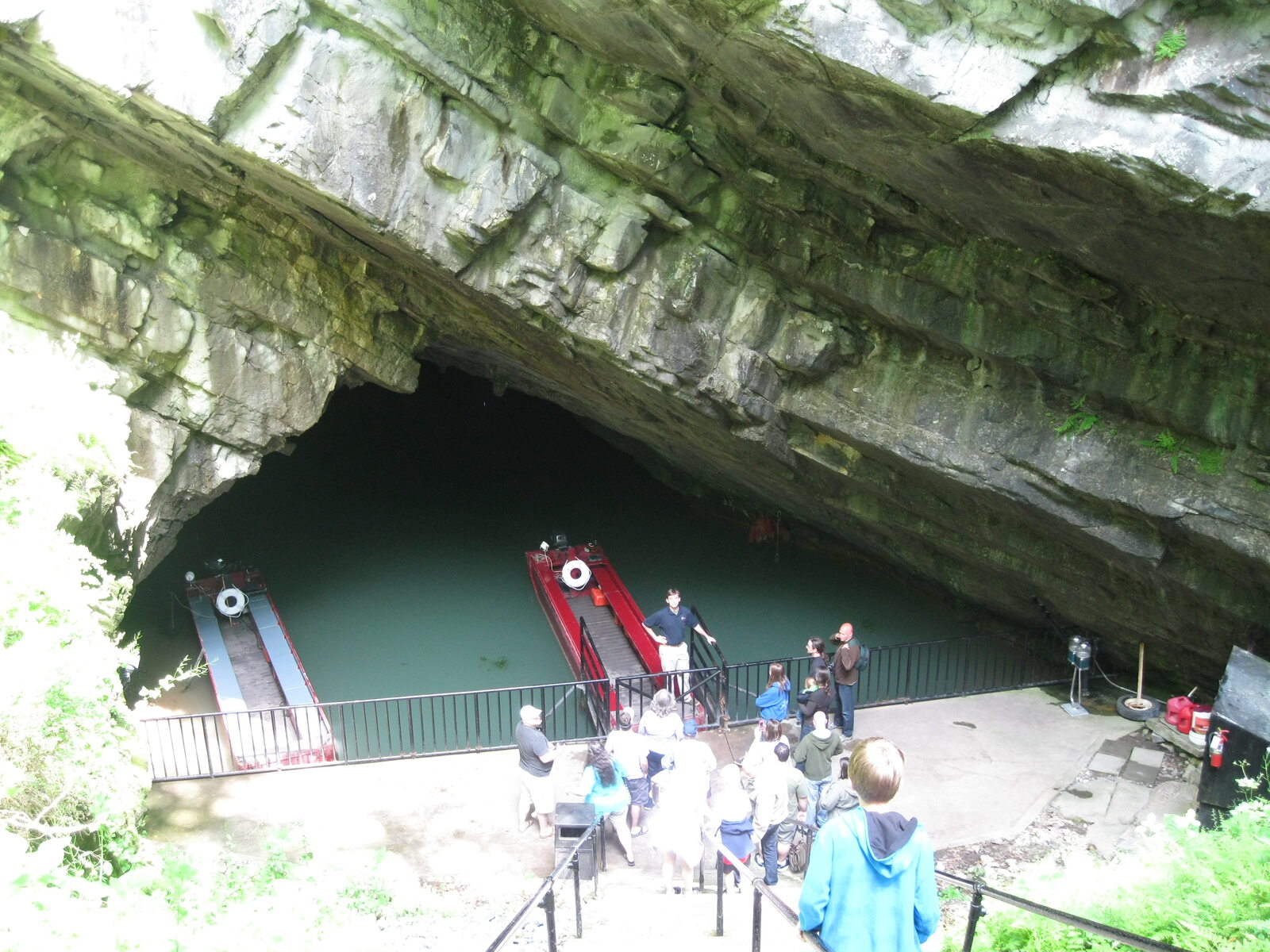
Near Centre Hall, Penn’s Cave changes the usual cave-tour perspective: visitors explore the cavern aboard a boat. Instead of following a walking path through rooms in the rock, you can look up from the water as the guide points out formations and explains the cave’s history.
It is an appealing choice for travelers who enjoy a bit of theater in their geology. Water, rock and carefully named formations give the tour its own rhythm, while the surrounding property offers other activities that operate on a separate schedule. A cave ticket should not be assumed to include every attraction.
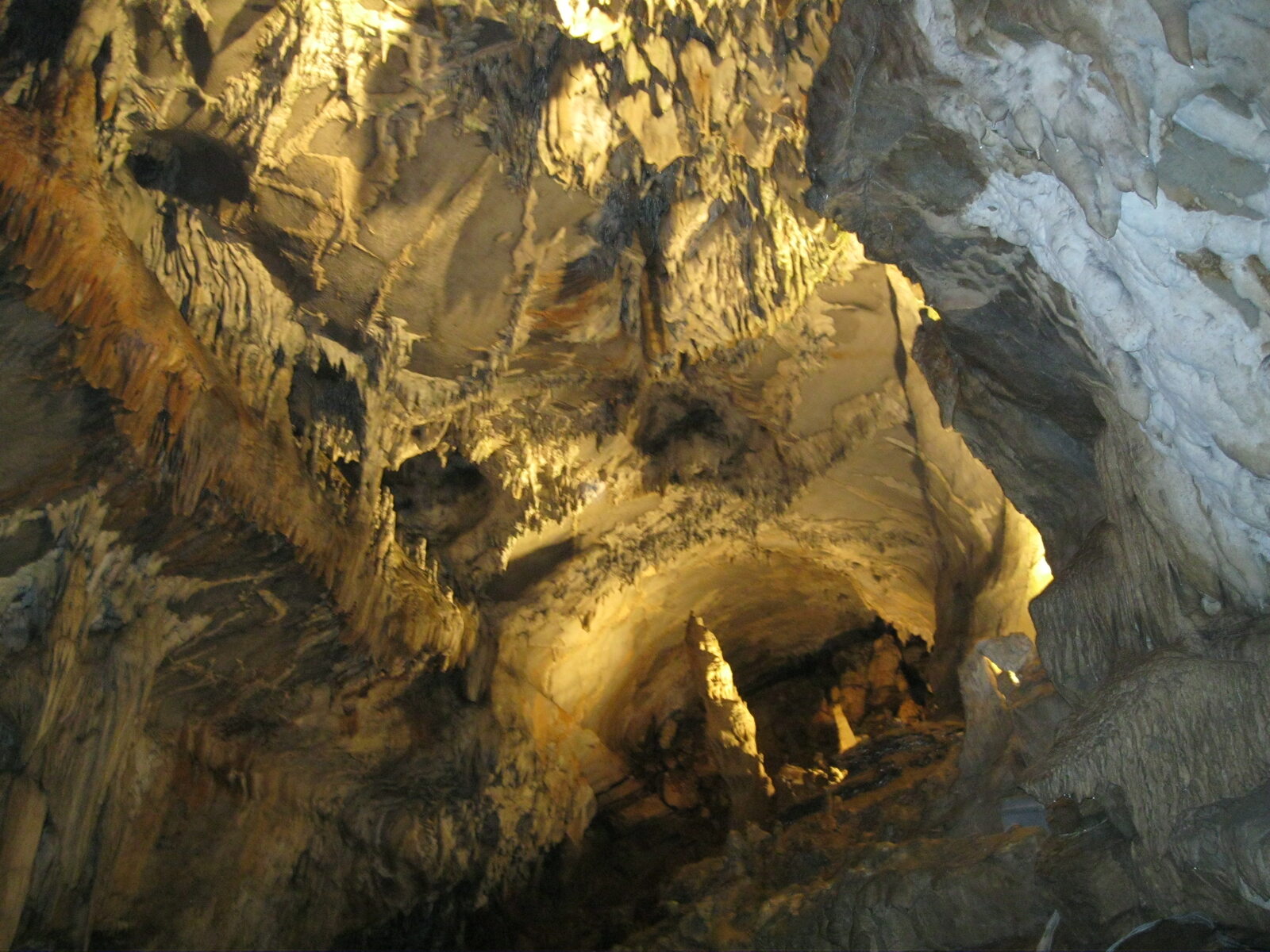
Timing matters especially in the colder months. The operator’s schedule checked November 15, 2026 lists cave tours daily in November except Thanksgiving, December tours on weekends, and a winter closure in January and February 2027. Its farm, nature and wildlife tours follow a different seasonal calendar.
Before you go: Check the latest schedule and ticket availability, particularly on weekends and holidays. Ask the operator about getting to the boat and boarding if anyone in your party has mobility concerns. Bring a jacket even when the weather above ground feels warm.
3. Crystal Cave: An Underground Attraction With a Long History
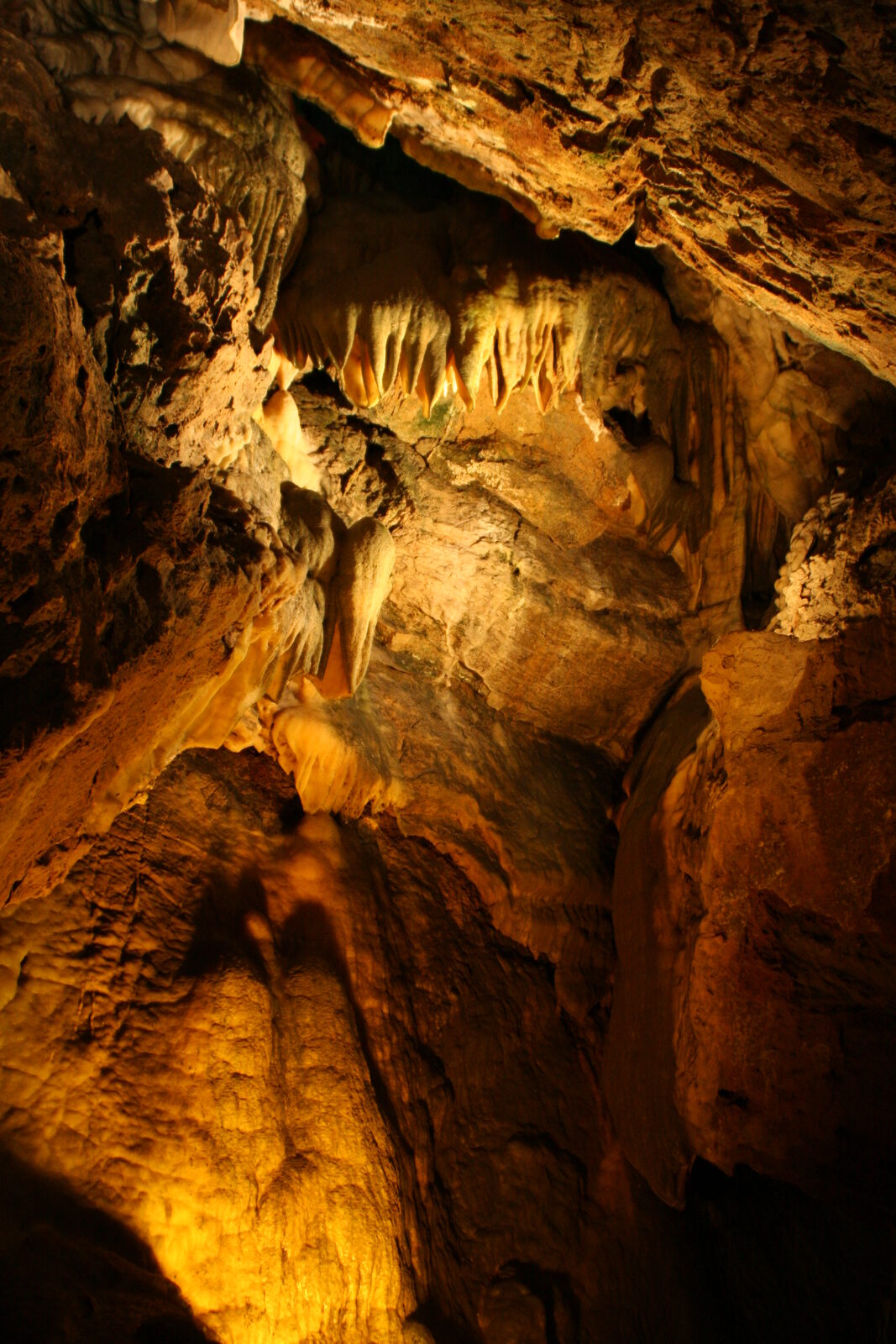
Crystal Cave near Kutztown has been welcoming curious visitors for generations. According to its operator, two men discovered the opening while blasting for limestone in 1871, and the cave opened as a show cave the following year.
The guided visit begins with a film about the site’s history and cave geology before descending underground. Once inside, visitors can look for the pale formations that gave the cave its name and learn how mineral-rich water helped shape the displays over long stretches of time.
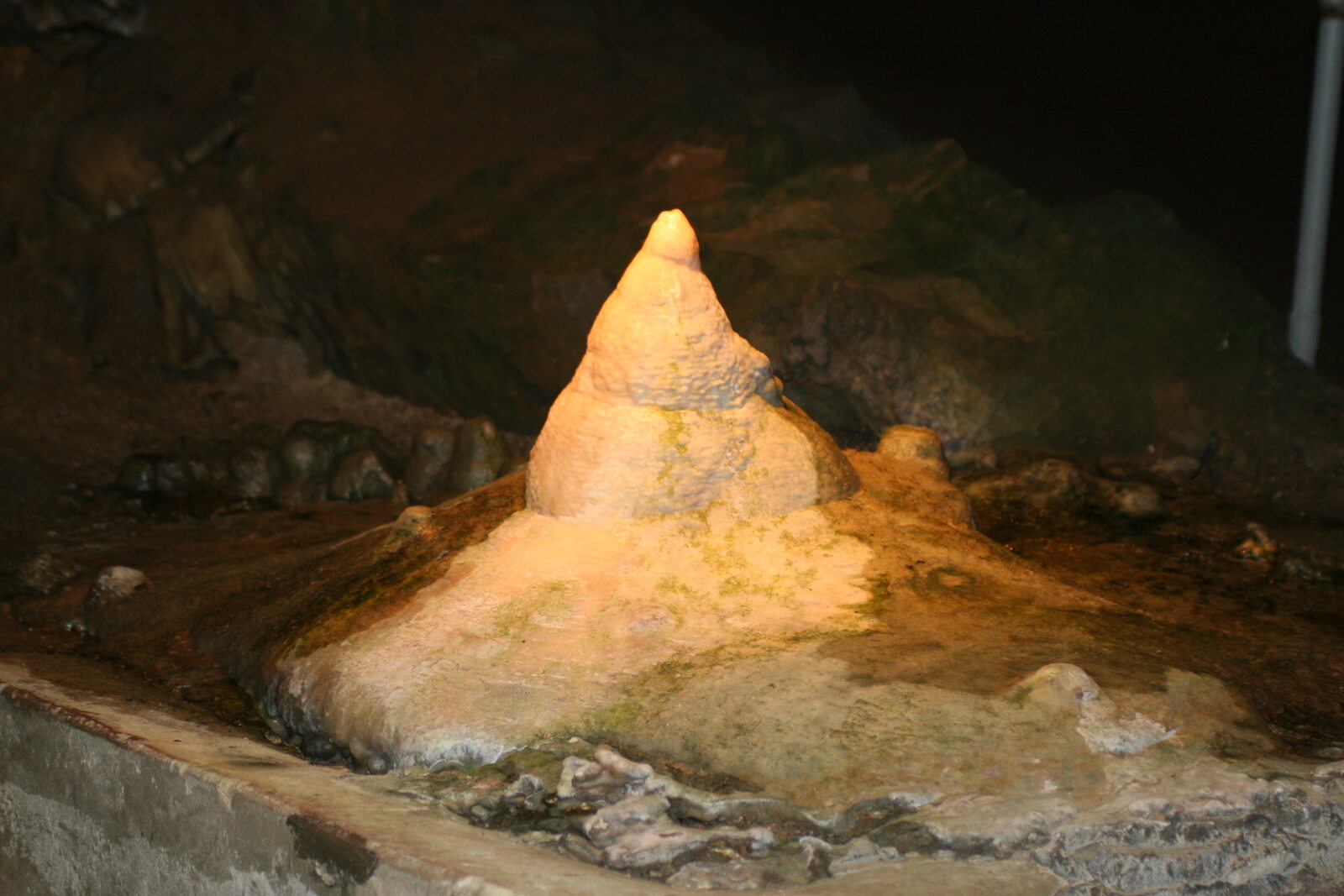
This is a good choice for a family that likes a little context along with its scenery. The property has additional attractions, but their hours and fees may differ from the cave tour. Plan the underground visit first, then decide what else fits your day and the season.
Before you go: The operator lists Crystal Cave as open March through November and closed December through February. It says the cave is not wheelchair accessible. Wear comfortable walking shoes and bring a layer; the operator reports a cave temperature of about 54 degrees Fahrenheit.
4. Indian Echo Caverns: A Cool Detour Near Hershey
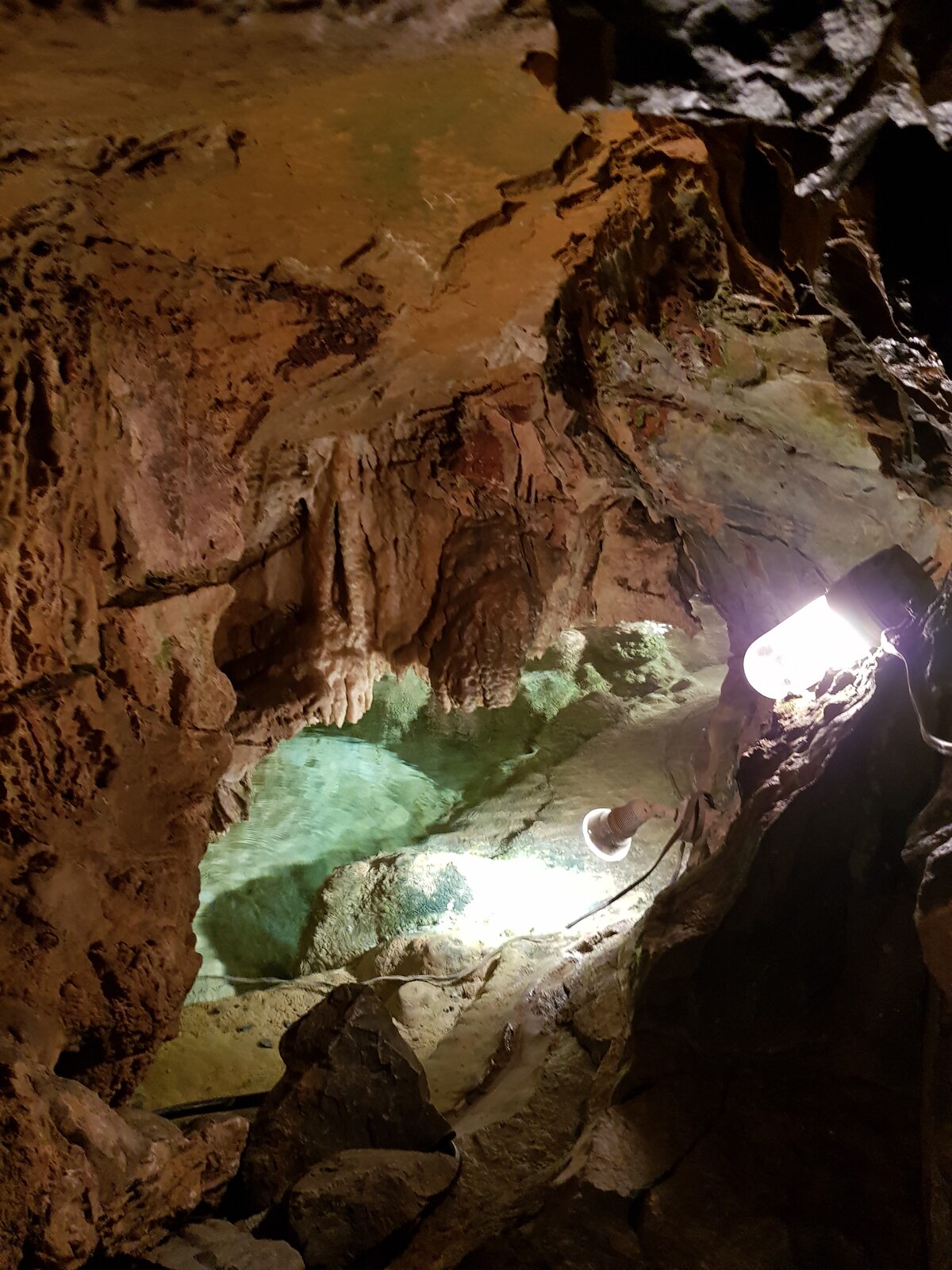
Indian Echo Caverns at Echo Dell, near Hummelstown, pairs an approachable guided experience with a location convenient to the Hershey and Harrisburg area. It is an easy addition to a regional itinerary if you would like a change from the attractions above ground.
The operator describes a roughly 45-minute interpretive tour through the caverns, where guides explain the rock, the history and the formations along the route. It reports an underground temperature of about 52 degrees Fahrenheit, which can feel refreshing in summer and surprisingly chilly if you arrive without a layer.
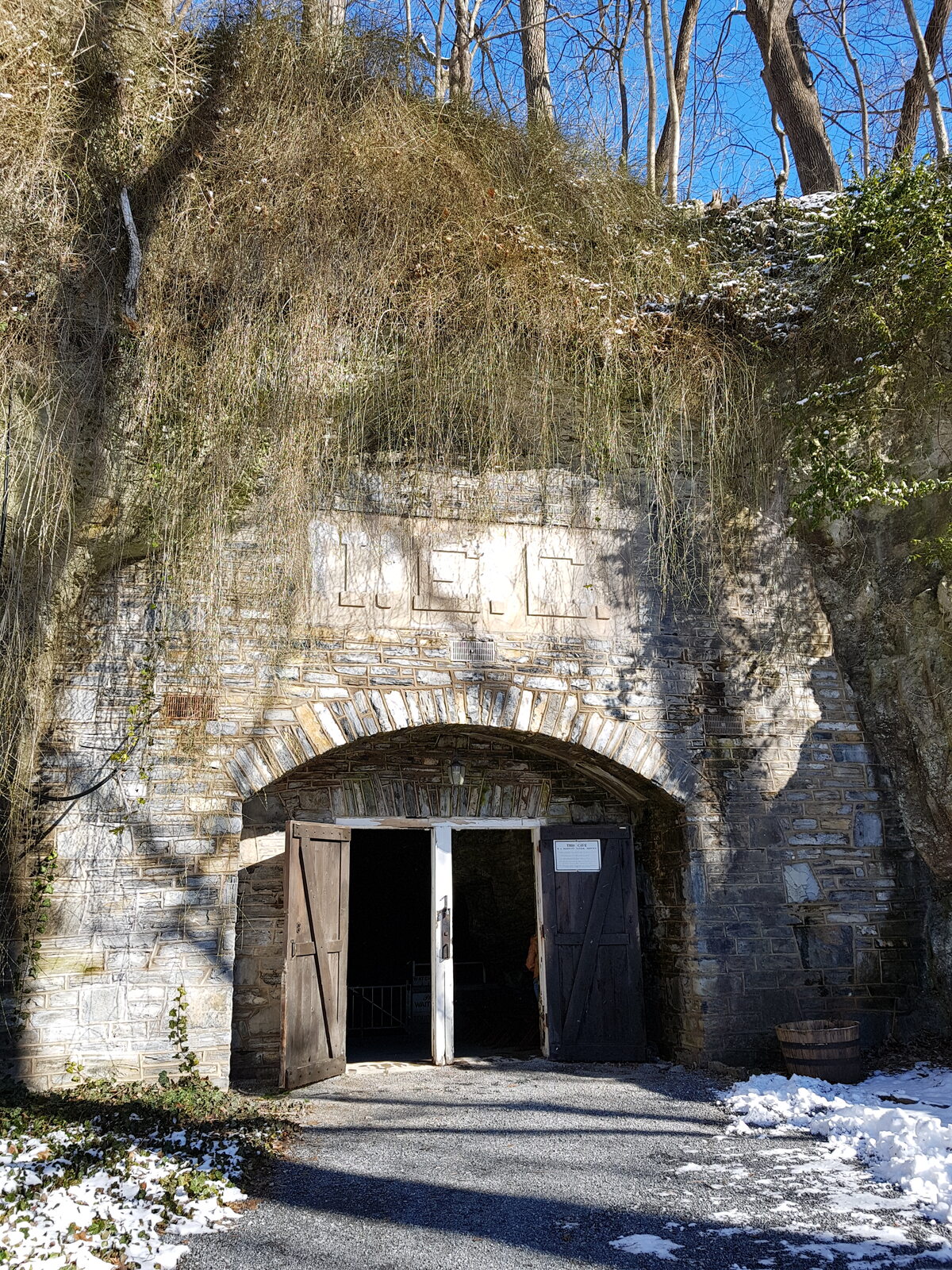
The cave’s name is part of its attraction history, but the visit is also a chance to focus on the physical place: the passageways, water and slow geological processes that created what visitors see. Stay with the guide and leave formations untouched so that future groups can enjoy them too.
Before you go: The operator says the cavern is not wheelchair accessible because of stairs and narrow passages; it offers a non-walking video tour and a written guide for visitors with hearing needs. It recommends against open-toed shoes. Confirm hours, tickets and current visitor rules directly before setting out.
5. Lincoln Caverns and Whisper Rocks: Two Caves on One Tour
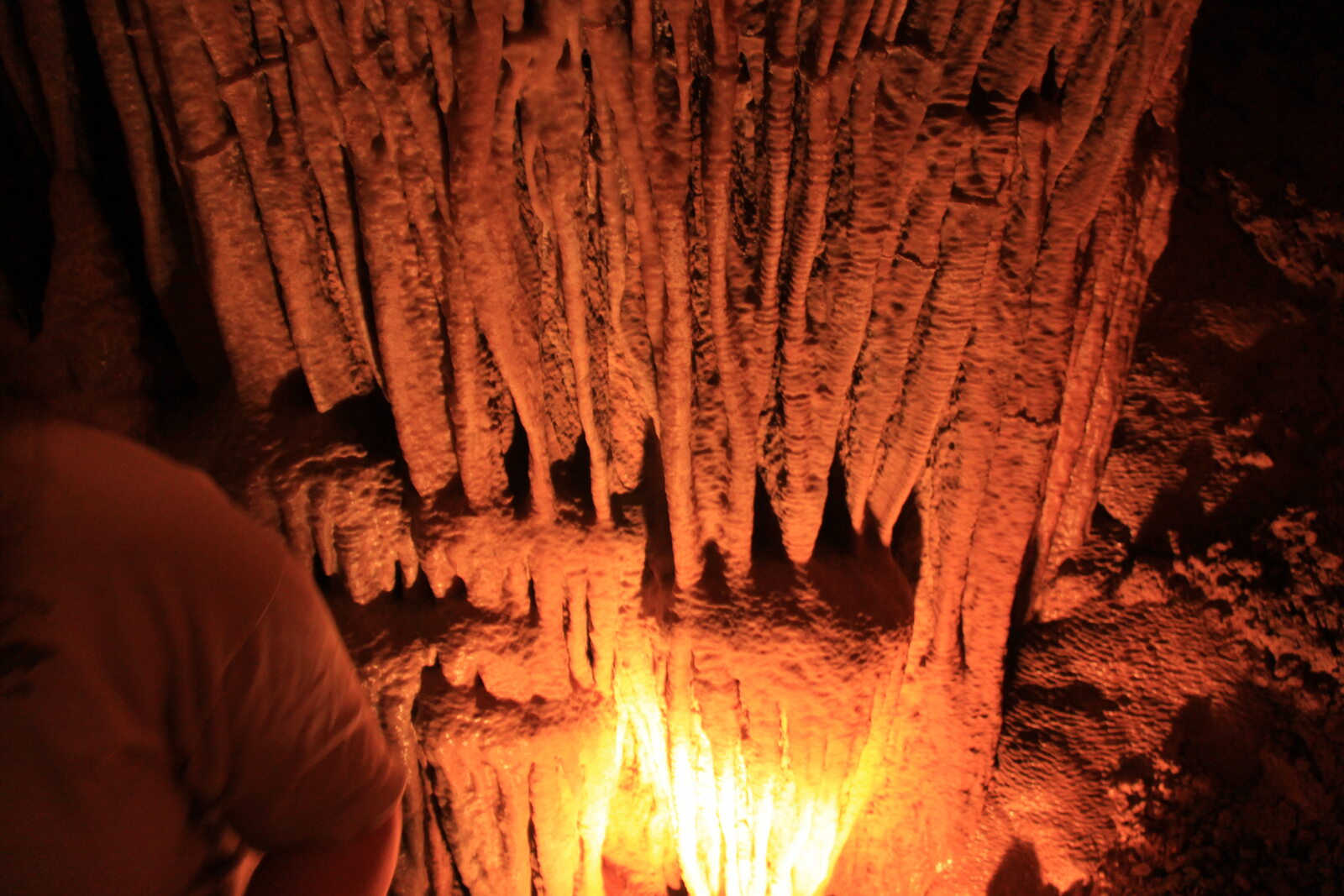
Near Huntingdon, Lincoln Caverns offers a useful answer to a traveler’s happy problem: what if one cave is not quite enough? Its regular interpretive tour visits two separate caverns, Lincoln Caverns and Whisper Rocks, with a walk between them.
The operator traces their discoveries to 1930 and 1941, respectively. On a guided visit, the point is not to race from one formation to the next. Take time to compare the rooms, listen to the explanations and notice how light reveals details in the rock that would otherwise disappear into darkness.
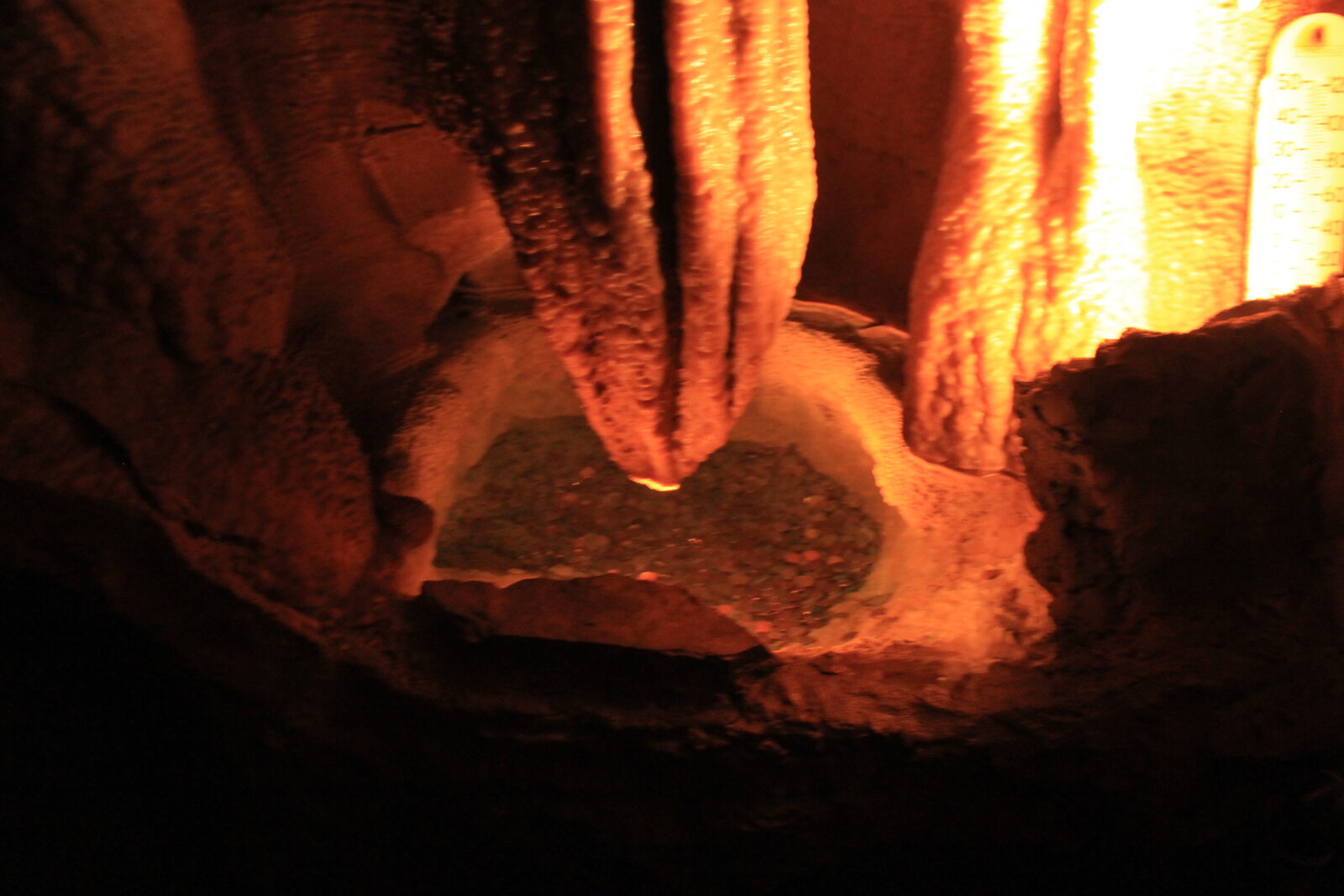
The route requires planning for stairs. Lincoln Caverns says there are several flights inside the caves, plus an uphill path and another flight outside between them. Its standard tours and most areas are not wheelchair accessible; the operator says groups can make special arrangements for access to portions of the cave.
Before you go: November hours are reduced, with Tuesdays and Wednesdays generally by appointment and holiday exceptions. The operator lists weekend tours in December and January–February visits by reservation. Check the current calendar, especially for holiday weeks, and bring shoes with good traction and a light jacket.
6. Lost River Caverns: Follow the Water Beneath Hellertown
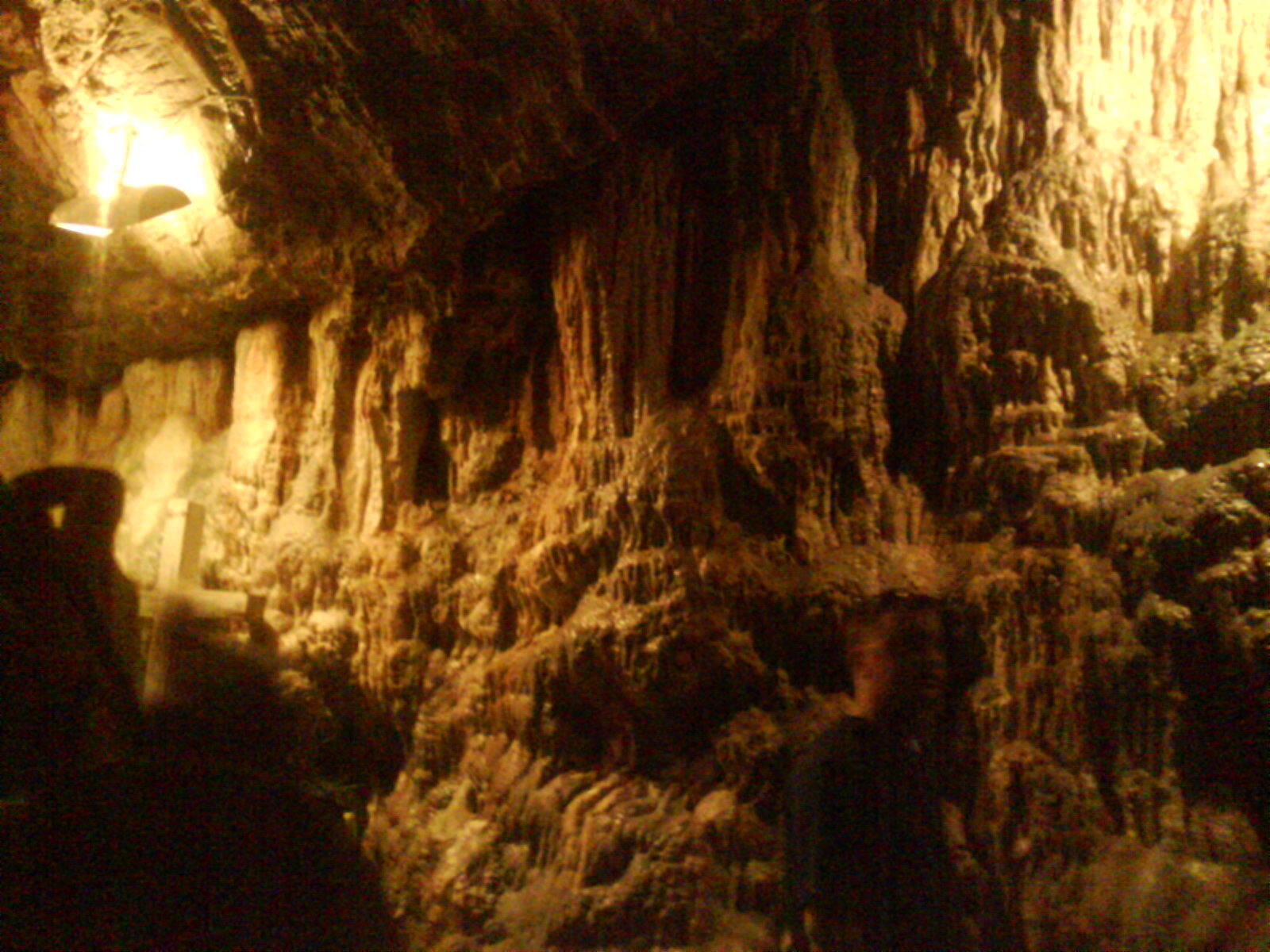
In Hellertown, Lost River Caverns takes its name from the underground waterway that flows through the limestone cave. The operator has offered tours since 1930, making this a stop with both a natural story and a long connection to local travelers.
The guided walking tour is listed as lasting approximately 30 to 45 minutes. Paved, lit paths make the route easier to follow, but they do not eliminate the character of a cave: water and rock are close at hand, and the walkways can be wet. Slow down and let the guide show you where to look.
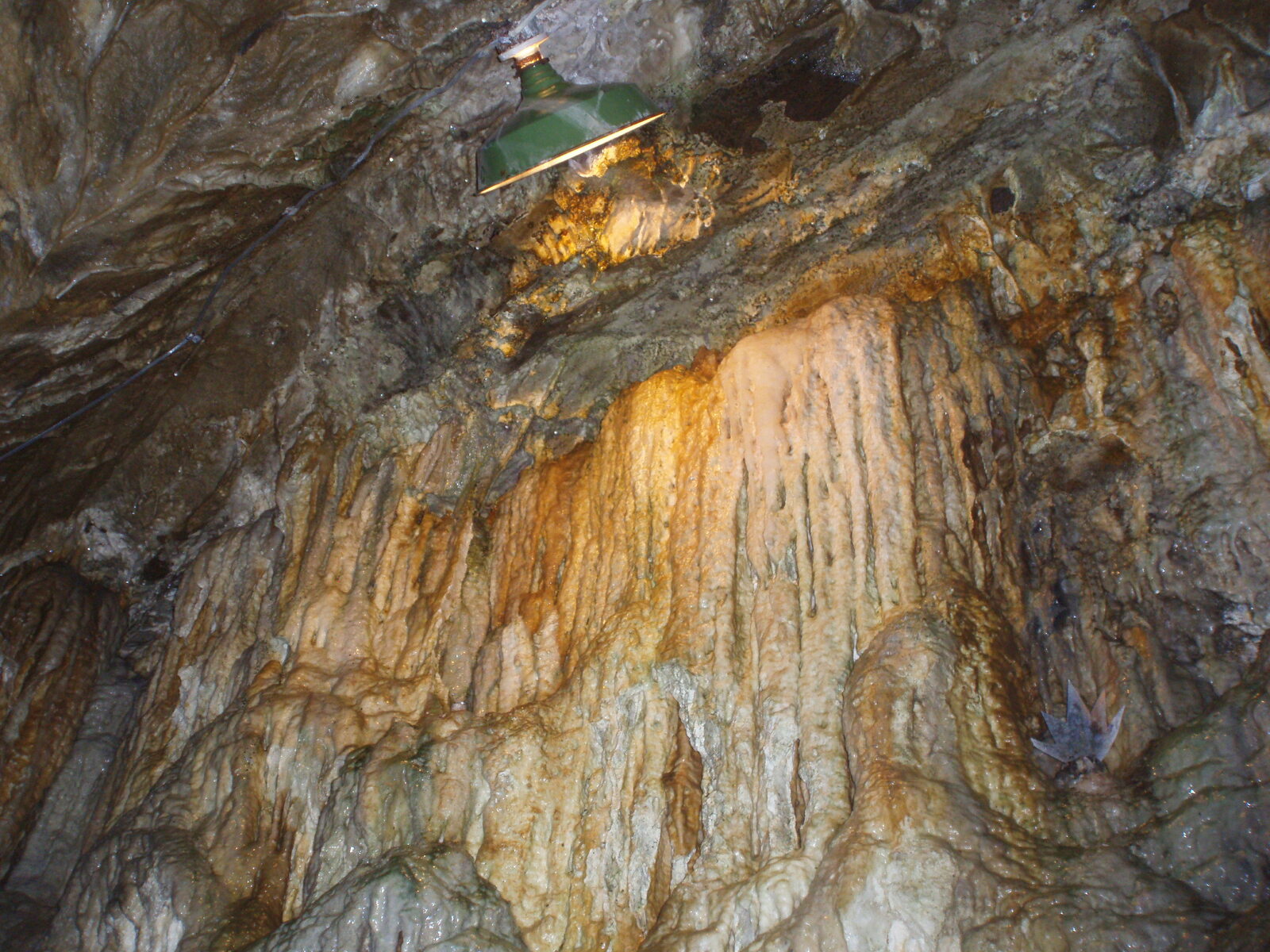
Unlike the boat ride at Penn’s Cave, this is a walking tour beside the underground water. That distinction matters when choosing a trip, particularly for families comparing destinations with similar-sounding names.
Before you go: The operator’s tour page says reservations are required. Its route includes ramps and eight steps traveled in both directions, and neither the cavern nor the visitor center is wheelchair or stroller accessible. It lists closures on Thanksgiving, Christmas and New Year’s Day; verify the current schedule and rules before booking.
A Few Things to Know Before Going Underground
Check the operator’s calendar, tour length and physical requirements before making the drive. A paved or lighted route can still include stairs, slopes, tight spaces or wet footing. Ask specific questions about mobility needs, children, bags and service animals rather than assuming the same rules apply everywhere.
Wear shoes with traction, bring a light layer and follow the guide’s instructions. Avoid touching formations, and respect seasonal closures that protect bats. If you visit more than one cave, ask each operator about its rules for clothing and equipment: protecting cave environments is part of keeping them open for future visitors.


