Some Pennsylvania buildings invite you to slow down before you even open a book. A carved stone entrance, a soaring reading room or a historic theater next door can turn an ordinary library visit into a memorable part of a day trip.
These five libraries are places of work and community as well as architecture. One serves a university and has specific visitor requirements; others are public libraries with their own hours and programs. Check each location before traveling, speak quietly around readers and ask staff before photographing interiors.
1. Fisher Fine Arts Library, Philadelphia
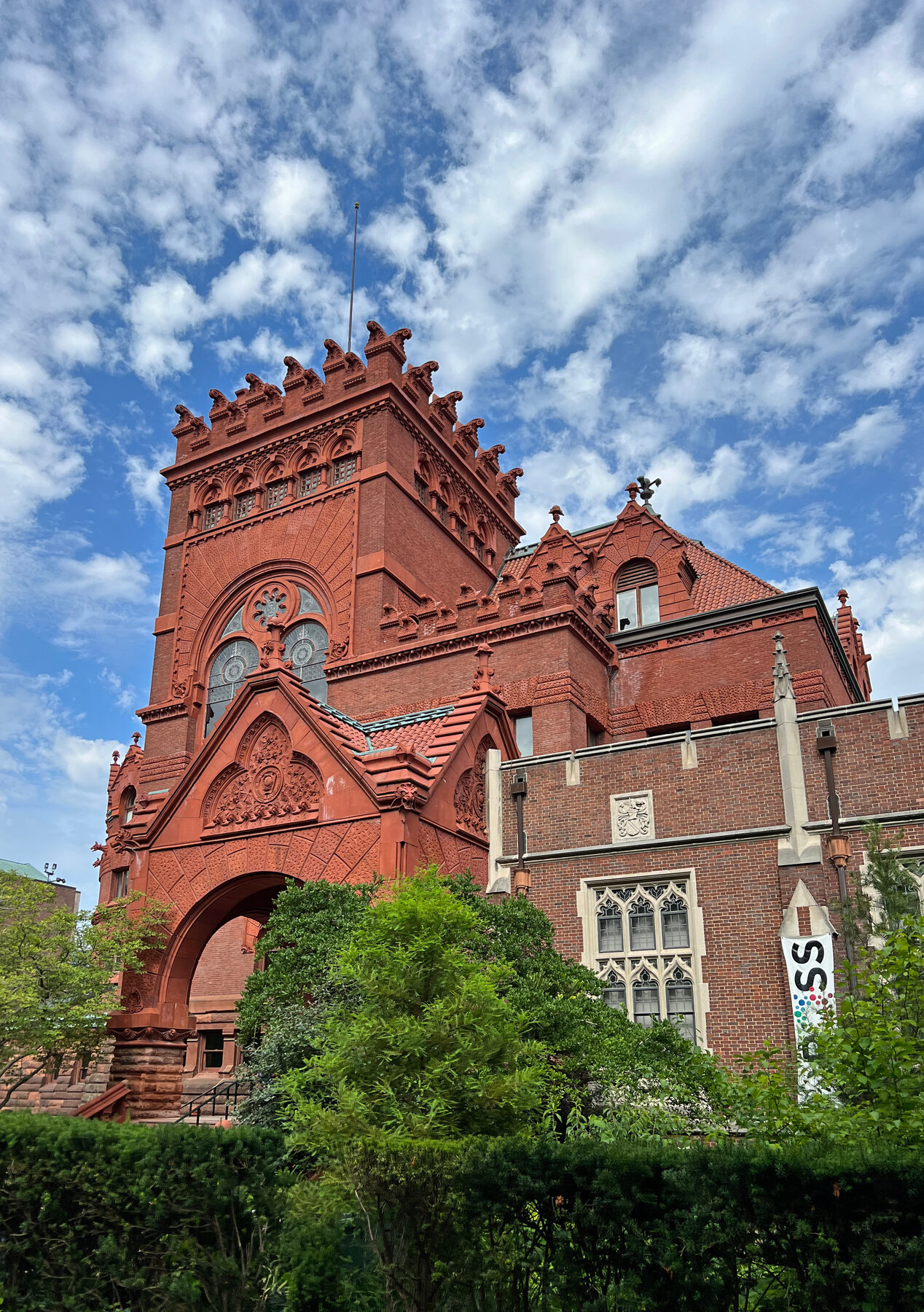
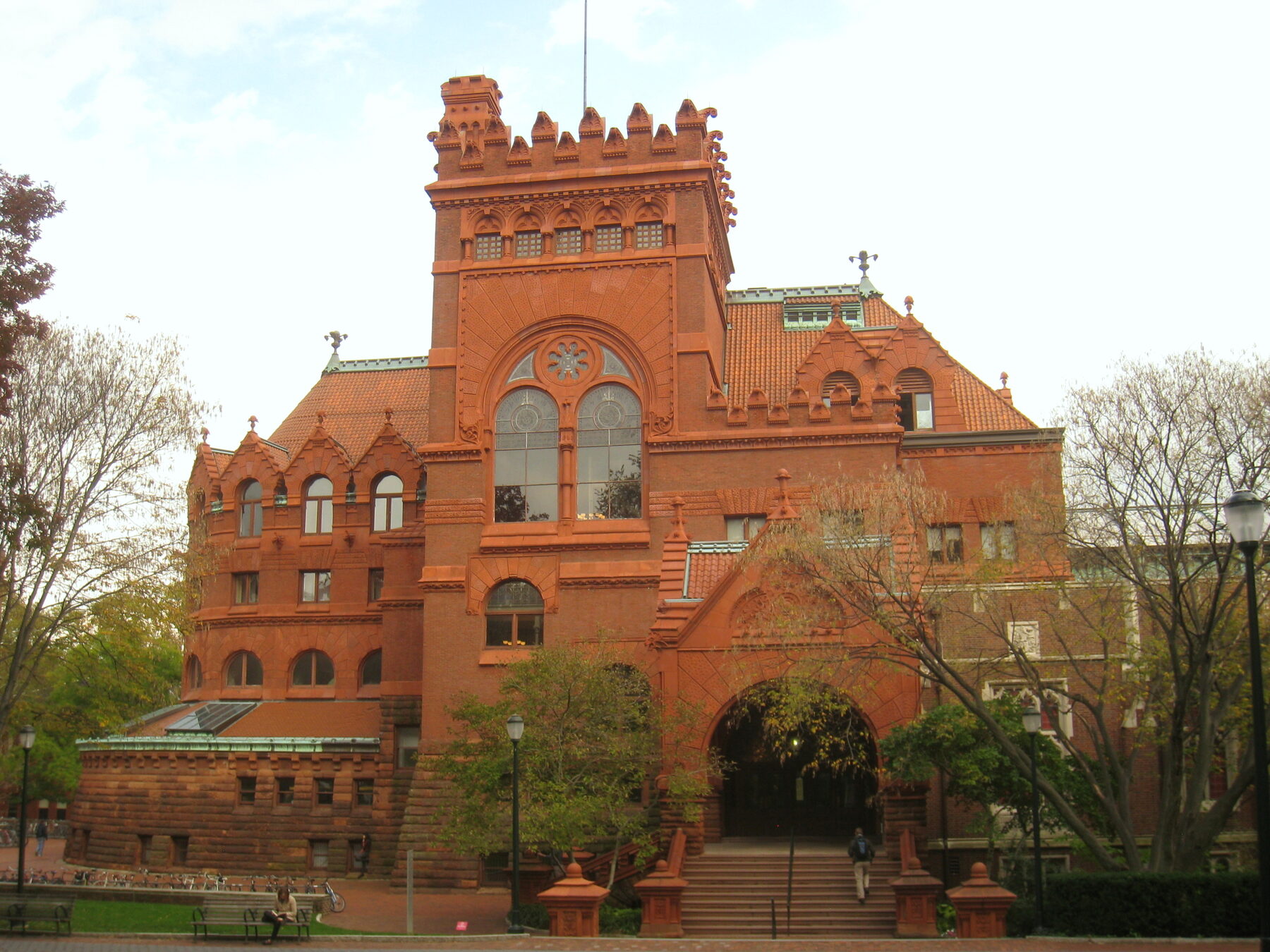
The University of Pennsylvania’s Fisher Fine Arts Library looks like a building that might have stepped out of a storybook. Its red exterior and intricate detailing draw the eye from across campus, while the reading room gives visitors a chance to appreciate the building as a place still used for study.
Architect Frank Furness designed the library, which opened in 1891. It is an unusually expressive setting for a collection devoted to art and architecture, and the university describes it as one of the campus’s most recognizable buildings. Look at the relationship between the exterior’s elaborate forms and the quiet practical work happening inside.
Visitors who are not affiliated with Penn can generally enter most weekdays from 9 a.m. to 6 p.m., according to the library’s visitor information. You must check in with security and show a valid photo ID. Academic schedules and construction can alter access, so confirm the current policy before making a special trip.
The best visit is a respectful one. This is a working university library, not a theatrical set, and the people at the tables may be preparing for exams or conducting research. Keep voices low, follow staff instructions and allow the architecture to be part of a broader walk through University City.
2. Parkway Central Library, Philadelphia
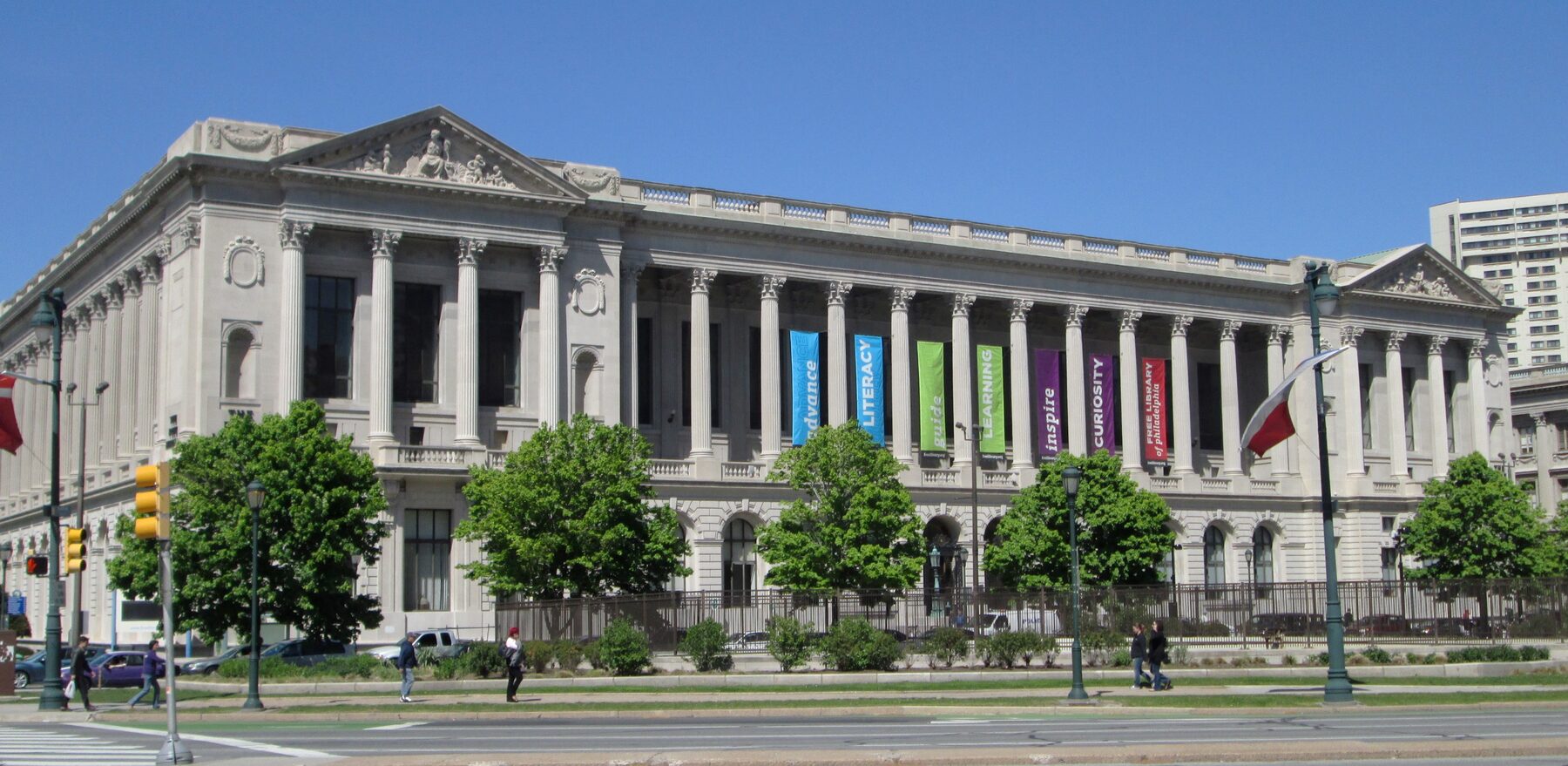
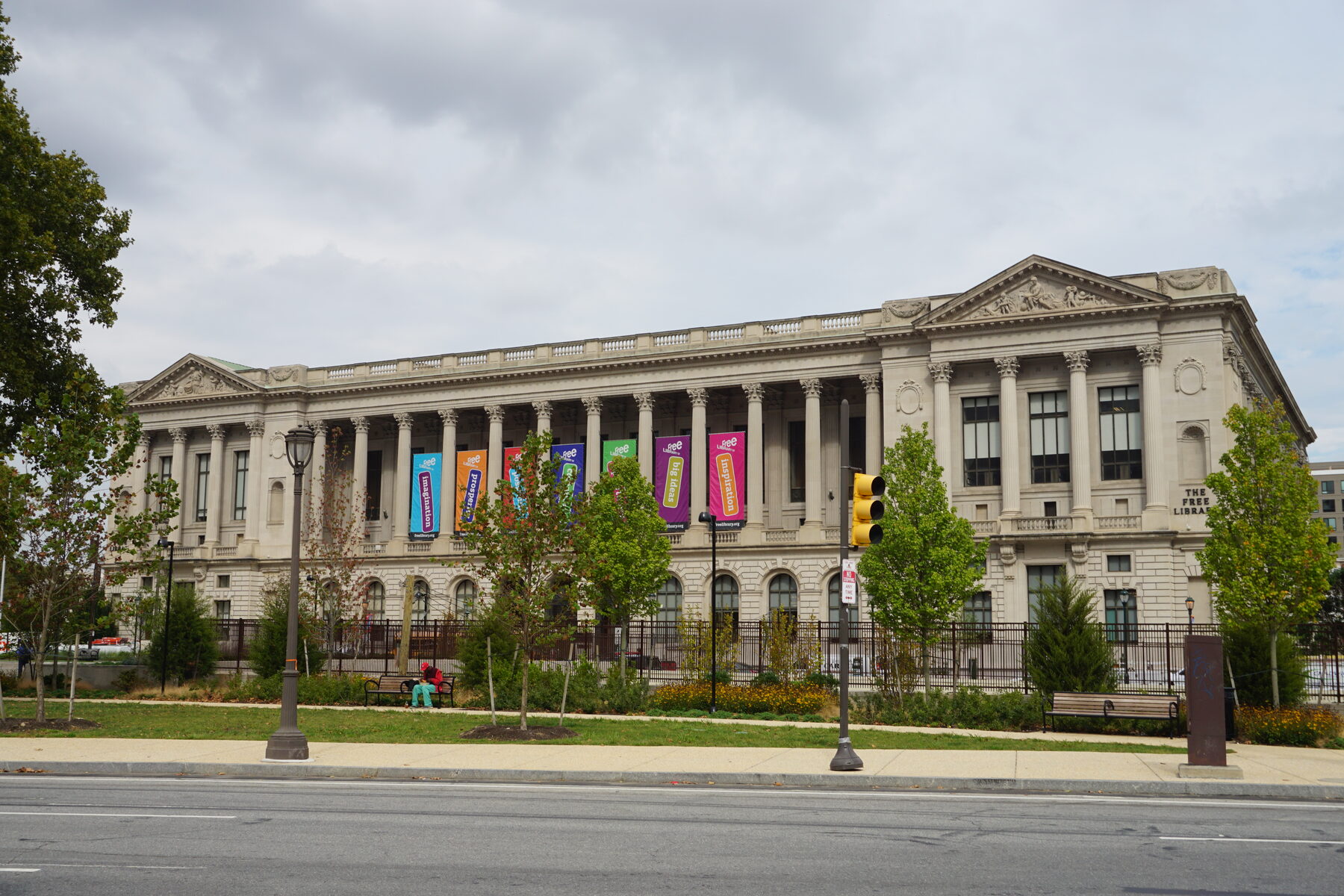
The Free Library of Philadelphia’s Parkway Central building brings a very different kind of grandeur to the Benjamin Franklin Parkway. Its Beaux-Arts architecture and public spaces make it a natural stop for travelers interested in the city’s civic history as well as its books.
The library credits architect Julian Abele, a prominent Black Philadelphia architect working in Horace Trumbauer’s firm, with the building’s design. Parkway Central opened in 1927 and continues to house specialized departments and services. Take a moment to notice the building itself, then remember that its collections and programs are the reason those rooms are still busy today.
The library lists free building tours on Wednesdays and Thursdays and weekday rare-book tours, with separate meeting points. Schedules may change for holidays or events, and larger groups are encouraged to arrange their visit. Check the library’s current tour page before planning a day around a particular time.
The Rare Book Department describes collections ranging from medieval manuscripts to the preserved raven associated with Charles Dickens. You do not need to see everything in one visit: choose a tour or department that interests you, leave time to explore the Parkway and let the library provide a quieter counterpoint to the city outside.
3. Albright Memorial Library, Scranton
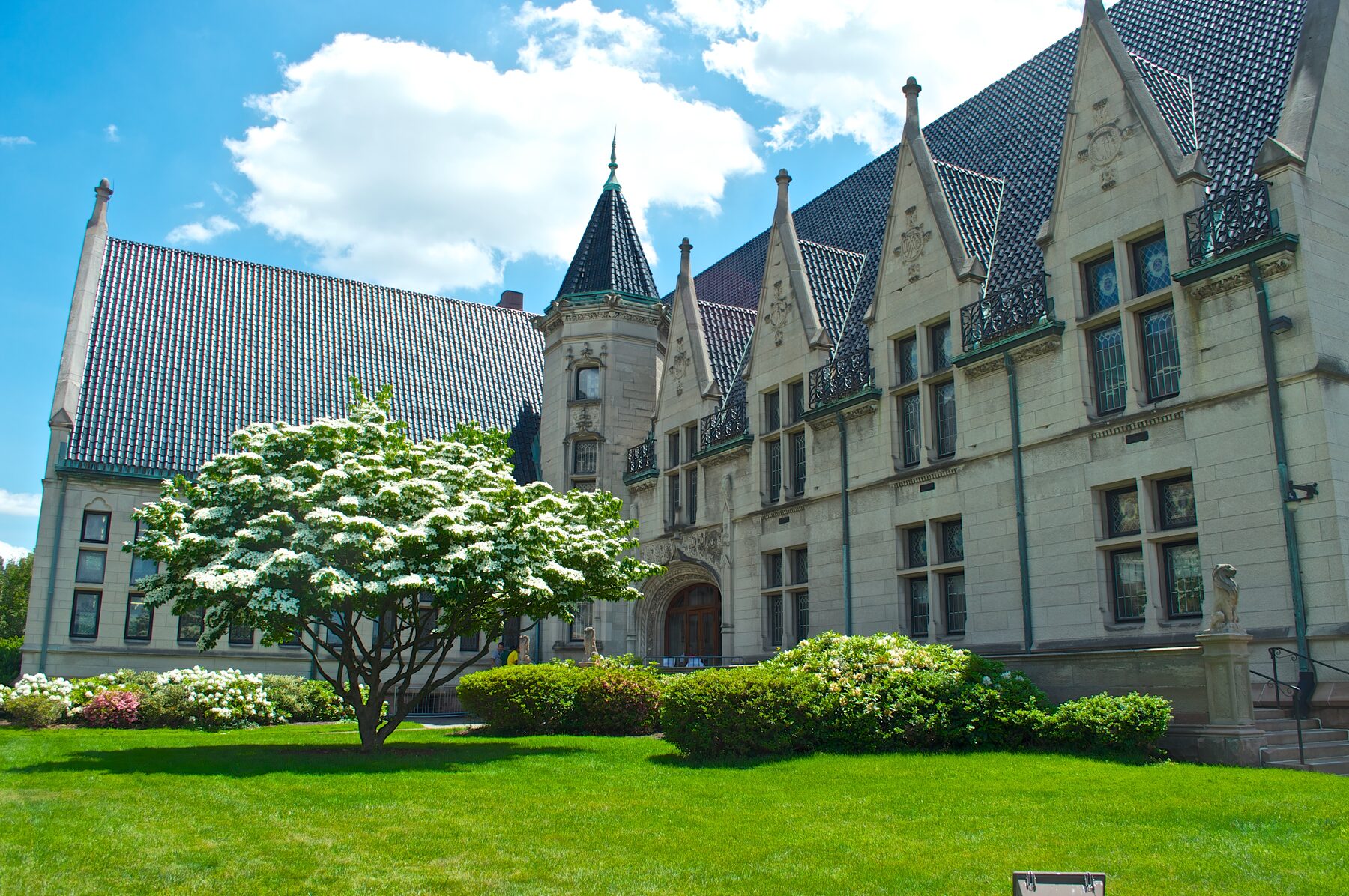
Scranton’s Albright Memorial Library brings a castle-like silhouette to a downtown street corner. Its stonework and architectural details make it easy to understand why a library can become a local landmark without ceasing to be a useful everyday place.
The Scranton Public Library opened the Albright building in 1893. A city architectural history explains that John J. Albright offered the library as a memorial to his parents on the site of the family homestead. The design by Green and Wicks wraps around a public space, an inviting detail worth looking for as you approach.
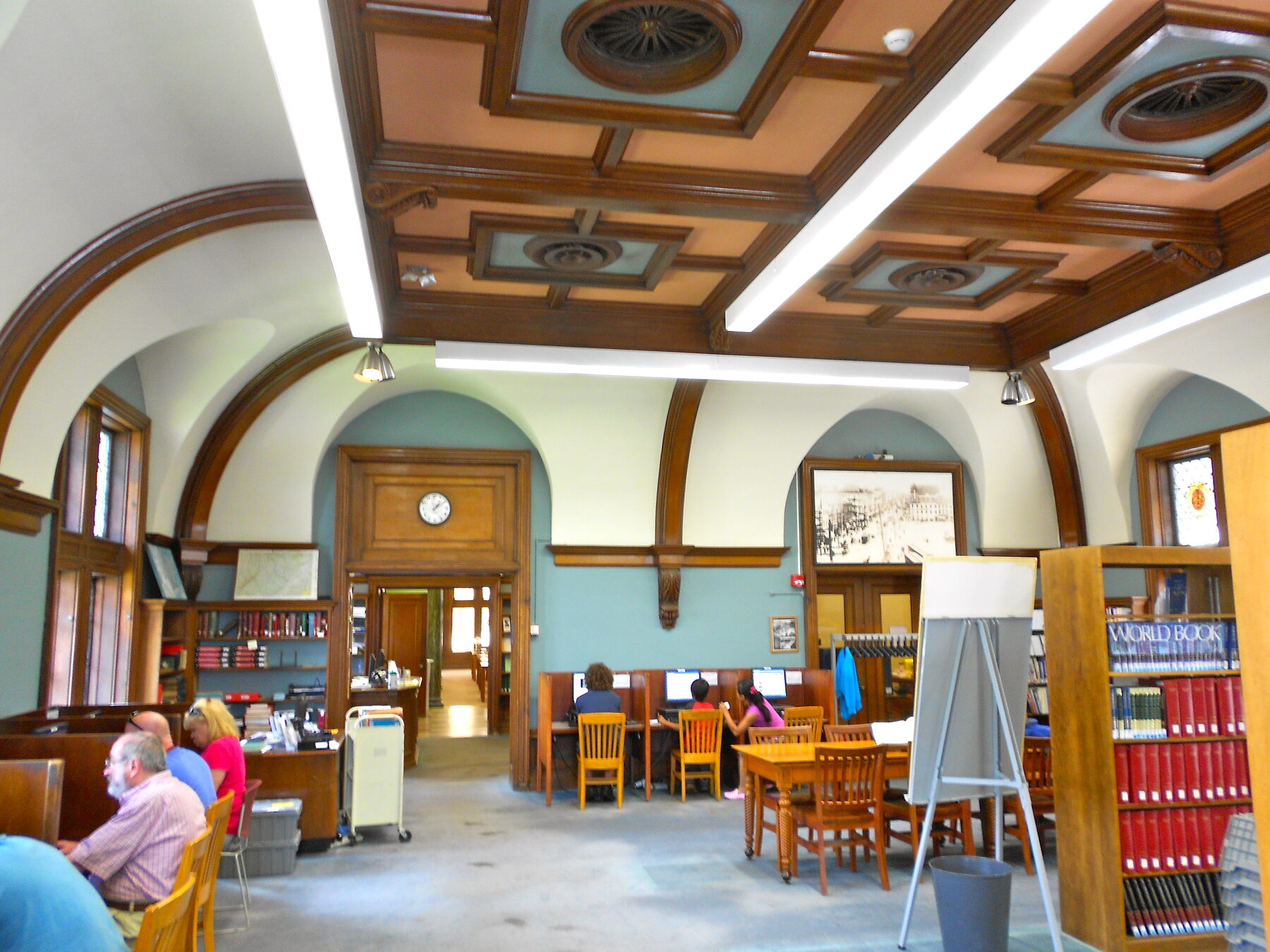
This is a satisfying stop for people who enjoy looking at the texture of a city: stone carving, the shape of windows and the way a building meets the sidewalk. The library system’s event calendar shows an active community space, so consult the current location listing for hours and any programs before you arrive.
Make the library part of a walk through central Scranton instead of expecting a museum tour to be available at every moment. If you go inside, follow posted access and photography rules, and leave the reading areas comfortable for the people using them.
4. Carnegie Library of Pittsburgh, Main, Oakland
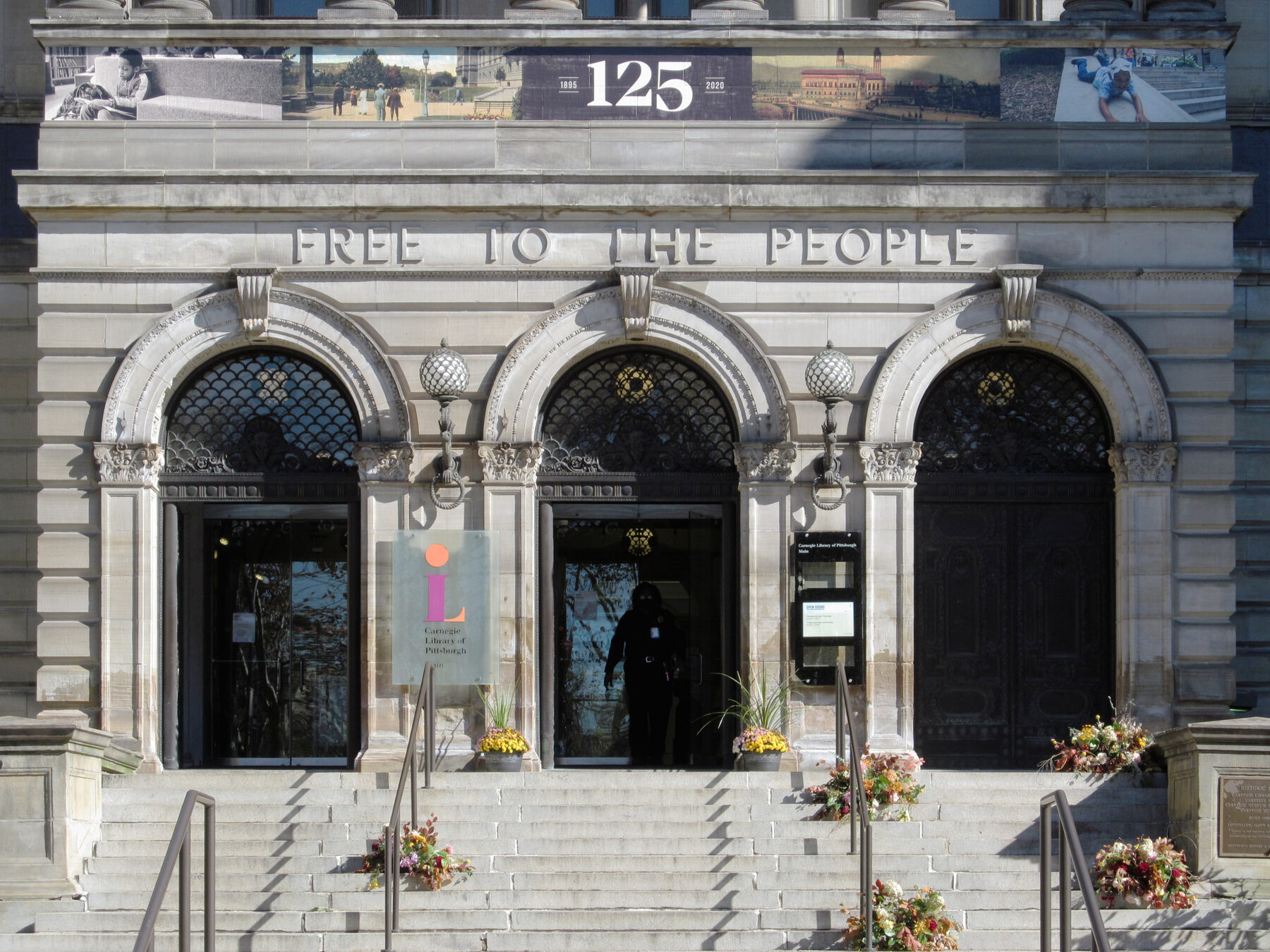
The Oakland main library belongs to a larger cultural landscape that includes the Carnegie museums and music hall. The combination makes this a useful stop for a day in Pittsburgh: a visitor can spend time with books, then explore the surrounding neighborhood and its institutions.
The library’s historical tour material traces the Carnegie Institute’s dedication to 1895 and explains that the original Oakland complex included a library, theater, art gallery and museum. Later work expanded and reshaped the complex. The result is a reminder that a city’s cultural buildings are often revised over generations rather than frozen in their opening year.
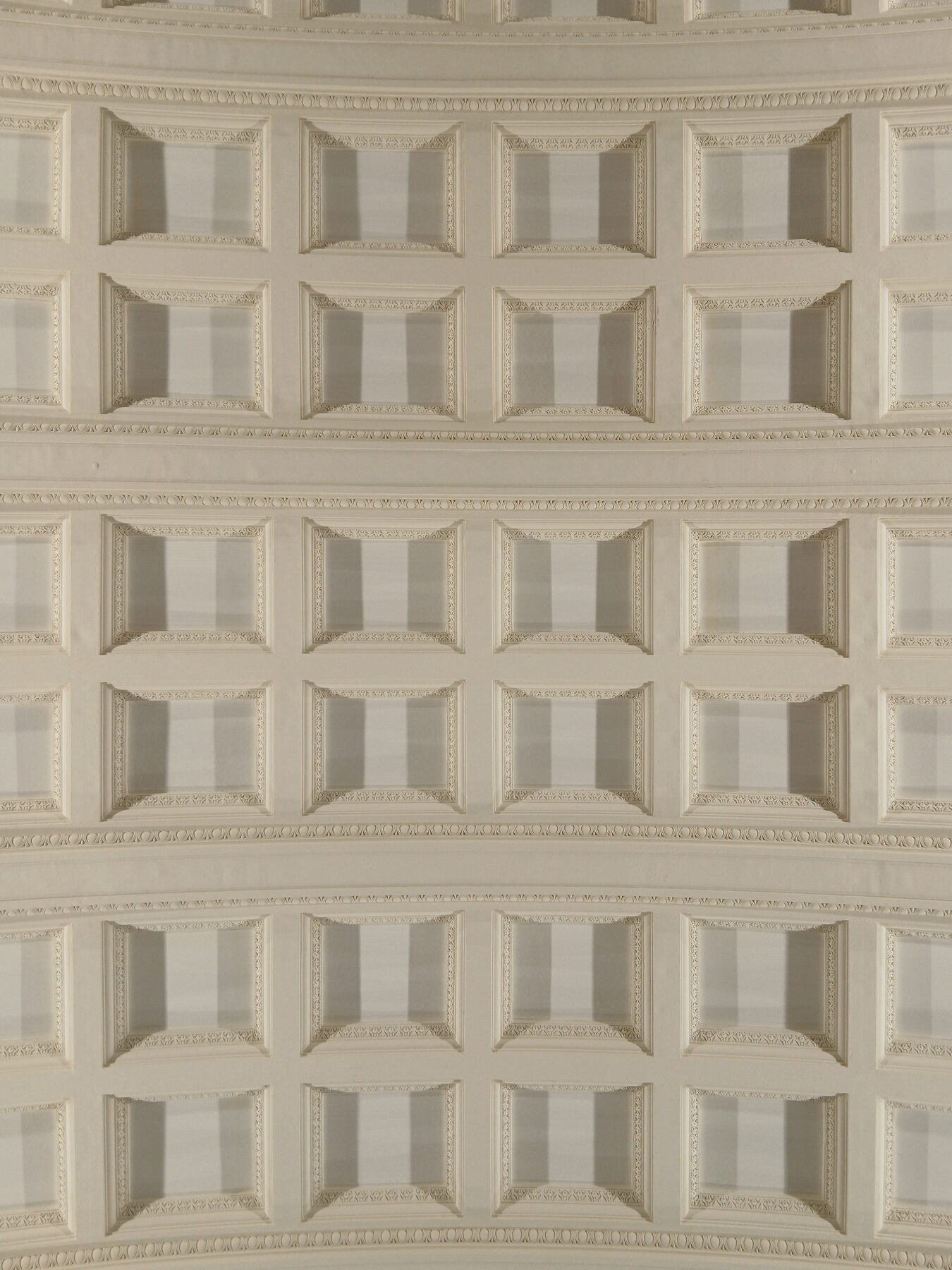
Look for the library’s own entrance and confirm hours and any tour availability before visiting. Museum admission and library access are separate matters, so do not assume a ticket for one automatically includes every neighboring space or that every part of the complex is open on the same schedule.
Inside, keep your attention on the details that serve readers as well as the historic setting. The building continues to function as a public library, with people using its collections and services throughout the day. That living role is part of its appeal.
5. Andrew Carnegie Free Library & Music Hall, Carnegie
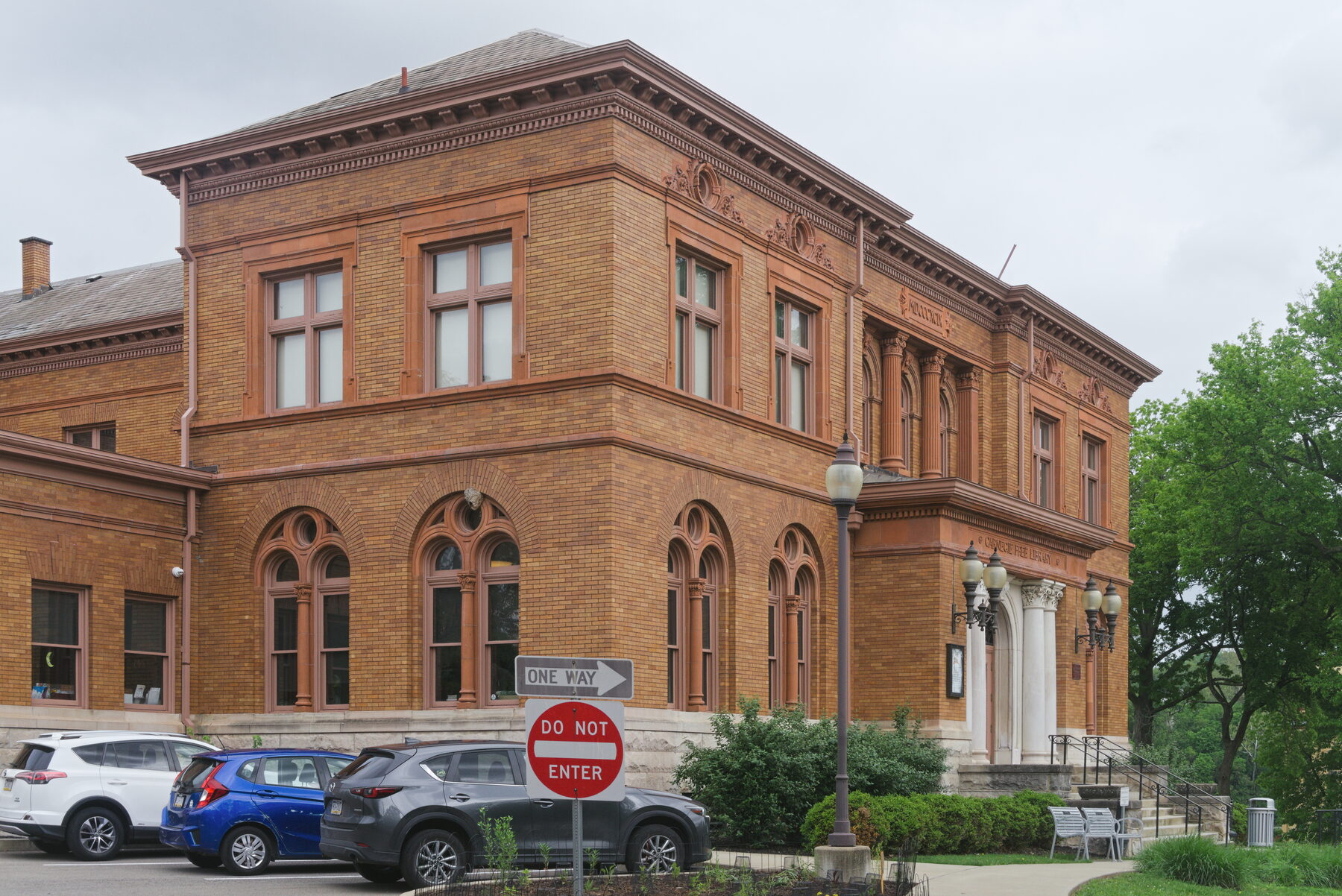
In the borough of Carnegie, west of Pittsburgh, the Andrew Carnegie Free Library & Music Hall combines several kinds of history under one roof. Opened in 1901, the complex houses a working library and a performance space often called the “Carnegie Carnegie.” It is a different place from the Pittsburgh main library in Oakland.
One of its most unusual spaces is the Captain Thomas Espy Post, a Grand Army of the Republic meeting room associated with Civil War veterans. The library says the post moved into the building in 1906 and that the room was restored in 2010 after being left undisturbed for decades following the last veteran member’s death.
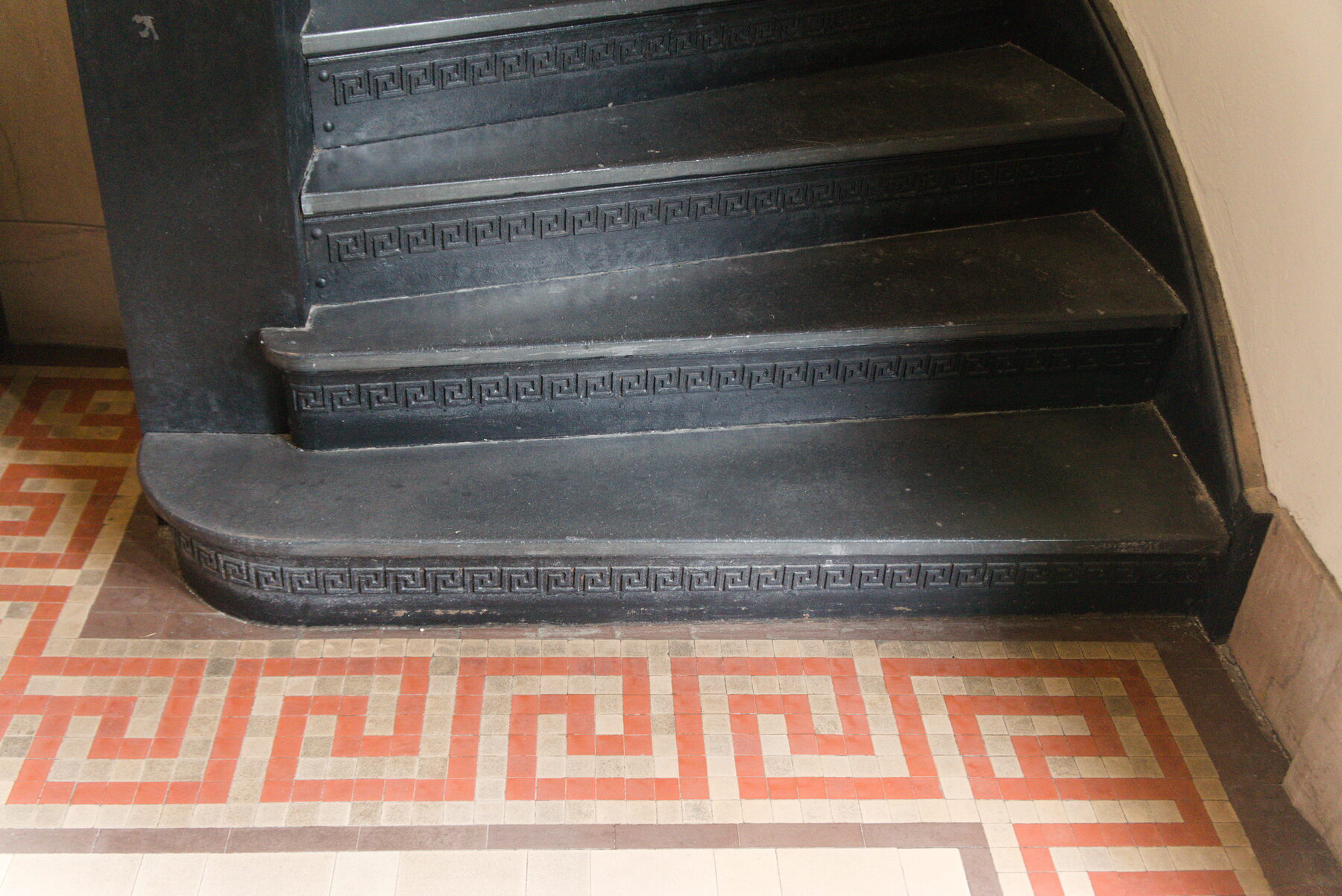
The organization lists free tours of the Espy Post on Saturdays between 11 a.m. and 3 p.m., with weekday visits by appointment. Confirm current availability before going, especially around holidays. A performance in the music hall is a separate experience, so check the event calendar and ticket information if you hope to see a show.
The hilltop setting makes this an appealing stop for a history-focused afternoon, but the building is also a neighborhood resource. Give yourself time to appreciate its different purposes and ask staff about access to specific rooms rather than assuming every space is open for self-guided exploration.
Before you visit
Library hours, university visitor policies and tour schedules change. Check the current information for each building, bring identification where required and ask about accessible entrances or elevators before your trip if needed. Special collections, performance spaces and reading rooms may have separate rules.
Most of all, treat these places as libraries first. A little quiet and consideration let visitors enjoy the architecture while local patrons, students and staff continue the work that gives each building its purpose.


