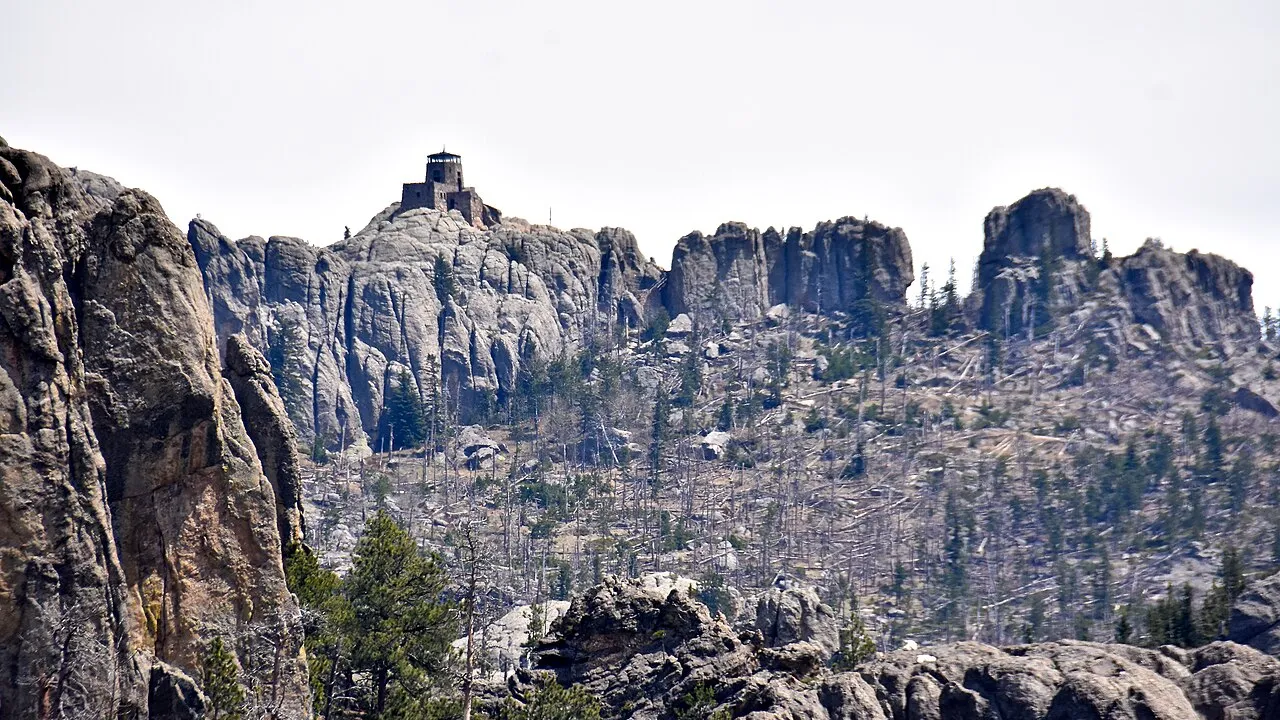
The stone lookout on Black Elk Peak seems to rise out of the granite itself. Reaching it takes effort, but the trail from the Sylvan Lake area offers an unusually memorable Black Hills day: forested slopes, changing views and a summit high above South Dakota.
This is a substantial hike, not a roadside overlook. Plan it around your group’s experience, the weather and the available daylight. These six considerations will help you decide whether the trip is right for you.
1. Begin with a realistic route
Trail 9 from the Sylvan Lake area is a frequently used route to Black Elk Peak. South Dakota’s trail information describes it as roughly three miles each way, with a strenuous rating in one park guide. Other official maps give slightly different distances and ratings, so use the current map, expect climbing and allow ample time for the return.
Trail 4 offers another approach with more changes in elevation. Junctions can be easy to miss, especially on the way back. Carry a map, note the intersections as you climb and confirm the route with park staff before setting out rather than depending entirely on a phone.
2. Respect the place and its history
The Black Hills are a sacred landscape and traditional spiritual homeland for the Lakota, Dakota and Nakota, as well as important to other Indigenous nations. Black Elk Peak is among the places identified in Forest Service material on areas of tribal importance.
Approach the landscape with respect. Stay on established routes, leave cultural objects and natural features undisturbed, and give others space for quiet reflection. The summit is more than a photo opportunity.
3. Start early and watch the weather
The Black Hills can bring strong winds, rain, hail and thunderstorms, and the summit may be cooler than the trailhead. Check the forecast before you leave and be prepared to turn around. High ground is a poor place to be when lightning threatens, and no view is worth continuing into unsafe conditions.
In colder months, snow and ice can change the route and access to trailheads. Check current road and trail conditions with Custer State Park and the Black Hills National Forest before traveling. Carry layers even when the day begins pleasantly.
4. Pack for the full round trip
Bring water, food, sturdy footwear and sun protection, plus a map and a way to communicate your plans. Tell someone where you are going and when you expect to return. There are no restrooms along the wilderness route, and the park advises visitors to pack out their trash.
Register at a wilderness trailhead when required and follow posted rules. The wilderness area has restrictions on group size and mechanized travel, so check current Forest Service guidance if you are bringing a larger party or considering equipment beyond ordinary hiking gear.
5. Give the summit time
South Dakota’s highest point offers a broad look across the Black Hills, with the historic stone lookout adding a distinctive landmark. Take a break, drink water and enjoy the view, while keeping an eye on the time and the sky. The descent still requires attention, particularly on uneven or slippery sections.
6. Keep an easier alternative ready
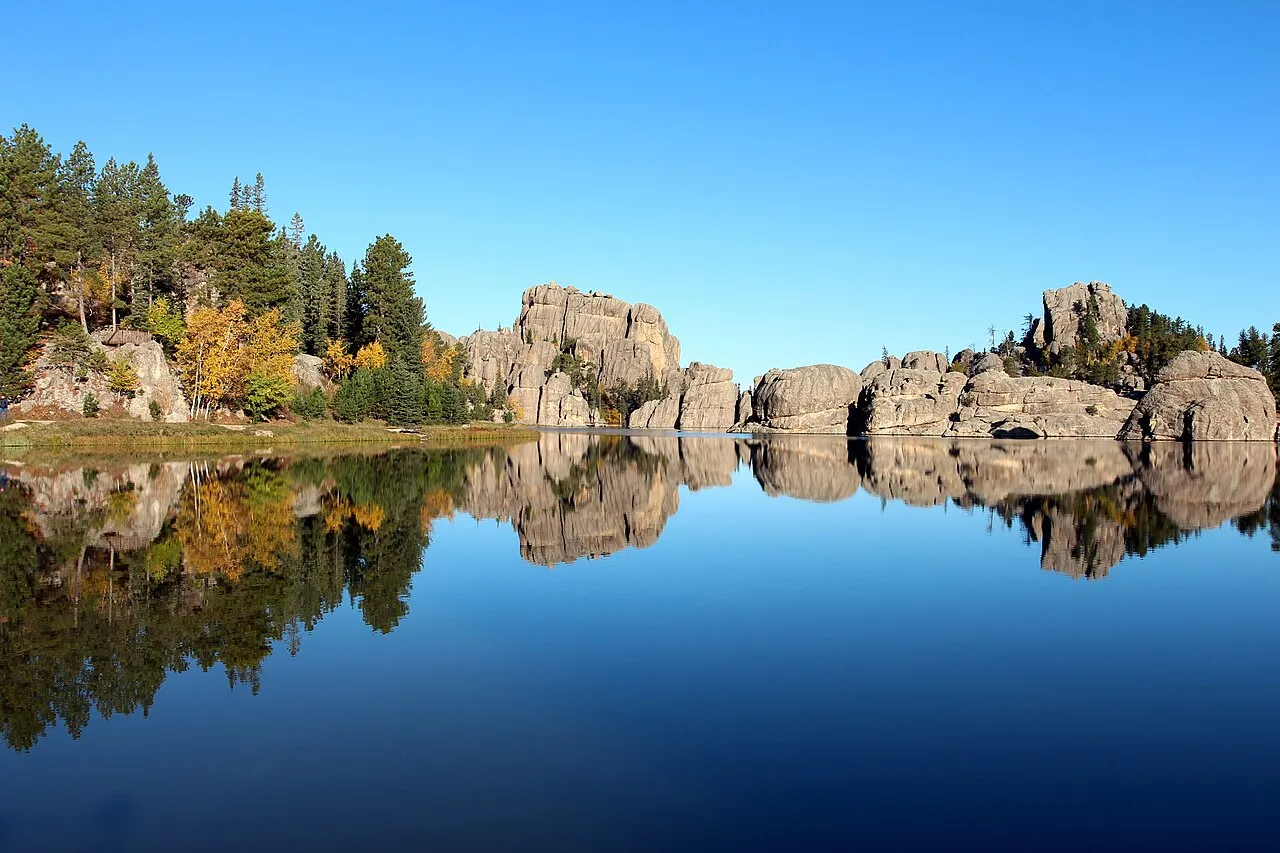
If the forecast, trail conditions or your group’s energy make the summit a poor choice, the Sylvan Lake Shore Trail offers a shorter option around the lake. The state’s trail map describes it as an approximately one-mile loop. Even a shorter walk can have uneven surfaces, so check conditions and accessibility details before setting out.
There is no need to force a summit on a day that does not feel right. A relaxed visit to the lake and surrounding Black Hills can be just as rewarding, and the mountain will be there for another trip.
Before you go
Review the state trail map and hiking guidance and contact land managers for current access, weather and restrictions. If you park in Custer State Park, confirm current entrance-license requirements. Start with a conservative plan and adjust it to the people and conditions you actually encounter.