WISCONSIN — A warmer-than-average winter may mean Wisconsin households use less energy to heat their homes, but it may not mean smaller bills. Rising energy prices could offset some of those savings, according to estimates cited by the National Energy Assistance Directors Association.
The association projects a 7% nationwide increase in heating costs this winter, though costs vary by fuel. It estimates natural gas users will pay about the same as last winter: $686. The largest increase is projected for heating oil, with average costs rising from $1,749 to $2,977. Heating oil is used by a relatively small share of households and is more common in parts of the Northeast, the association’s executive director, Mark Wolfe, told UpNorthNews.
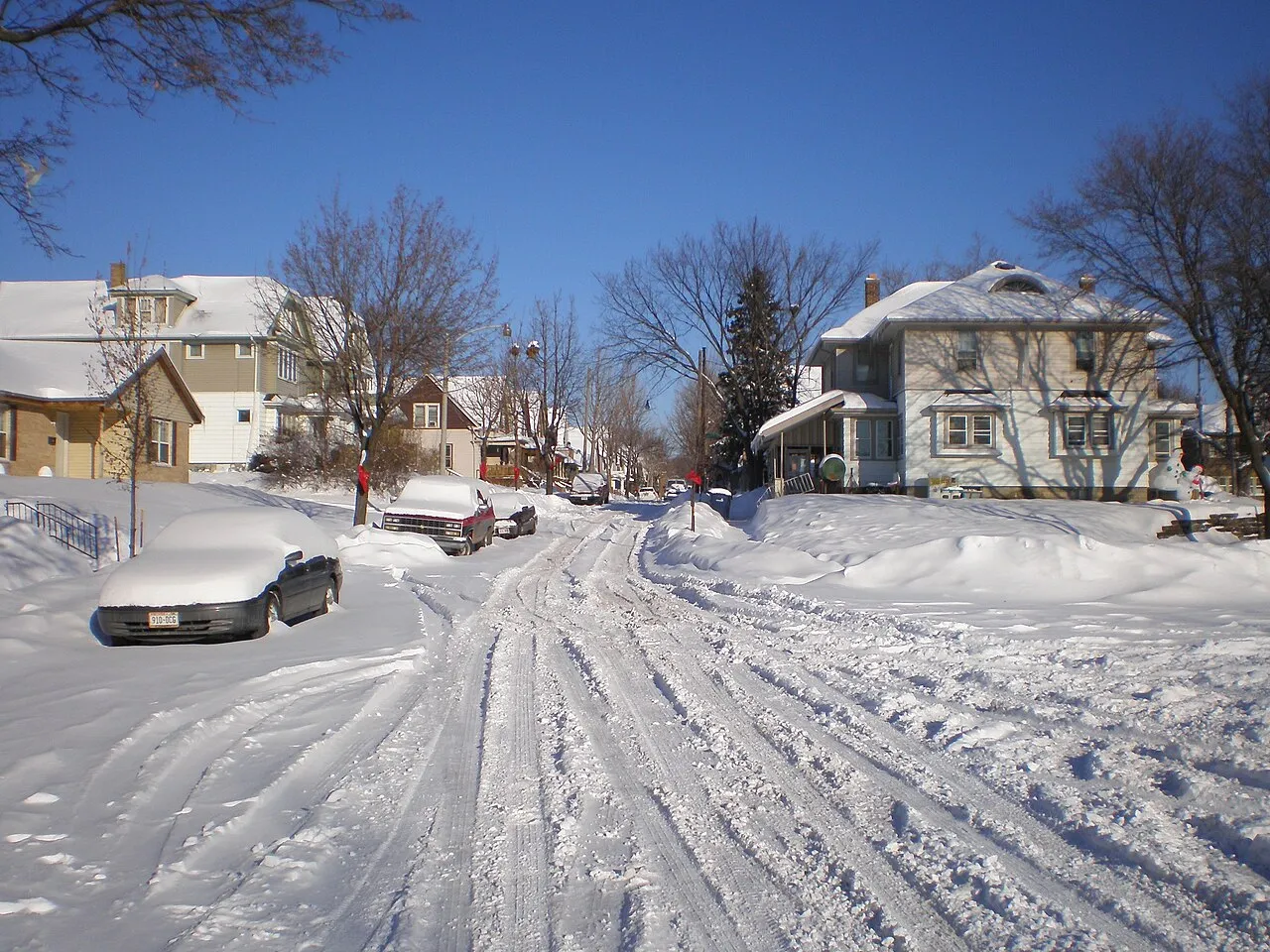
Wisconsin’s winter outlook includes a high likelihood of a strong El Niño. An analysis of previous El Niño winters found less snow and dozens of days with above-average temperatures, though cold weather is still expected. The report says increasing electricity costs, including costs associated with grid modernization and data center demand, could also affect household bills.
Wisconsin’s Estimated Monthly Costs
MoneyGeek’s monthly estimates put Wisconsin heating costs at about $81 in 2026, ranking the state eighth among 12 Midwestern states and 27th nationally. The estimate is about $4 more per month than the previous year. The figures use a monthly rather than seasonal measure, according to the UpNorthNews report.
Households can estimate energy charges by reviewing how much energy they used last winter and multiplying that usage by their current rate. A separate AOL article notes that this estimate does not include additional utility fees, and that colder weather or changes in a home or household habits can affect consumption.
Steps Households Can Consider
Small maintenance steps may help manage use. The AOL article recommends checking air filters, thermostat settings and drafts around doors and windows. It also advises starting with lower-cost fixes such as weatherstripping and caulking gaps, and cautions that replacing functioning equipment may not provide a universal payback.
Wolfe said Wisconsin utility assistance programs may serve moderate-income households as well as those with lower incomes. The report says eligibility can include households earning 60% of Wisconsin’s median income. Residents concerned about paying winter bills can check available utility assistance programs, according to the report.