A garden trip does not have to revolve around catching one flower at exactly the right moment. In California, the shape of a cactus, the shade beneath a redwood, or a path that eventually reaches the Pacific can be reason enough to go.
The six gardens below offer very different days out. Some are collections to explore slowly, reading labels and comparing plants. Others invite you to notice how a landscape is arranged: where a path turns, how a hedge frames a view, and what happens when a whole garden is organized around a color.
They are spread across a large state, so choose one that fits your next regional getaway. Give it a generous block of time rather than treating it as a quick stop between attractions. And check the garden's own calendar before buying tickets: reservations, seasonal hours, and evening events can change what a daytime visit includes.
1. The Huntington, San Marino: Let the Desert Garden Surprise You
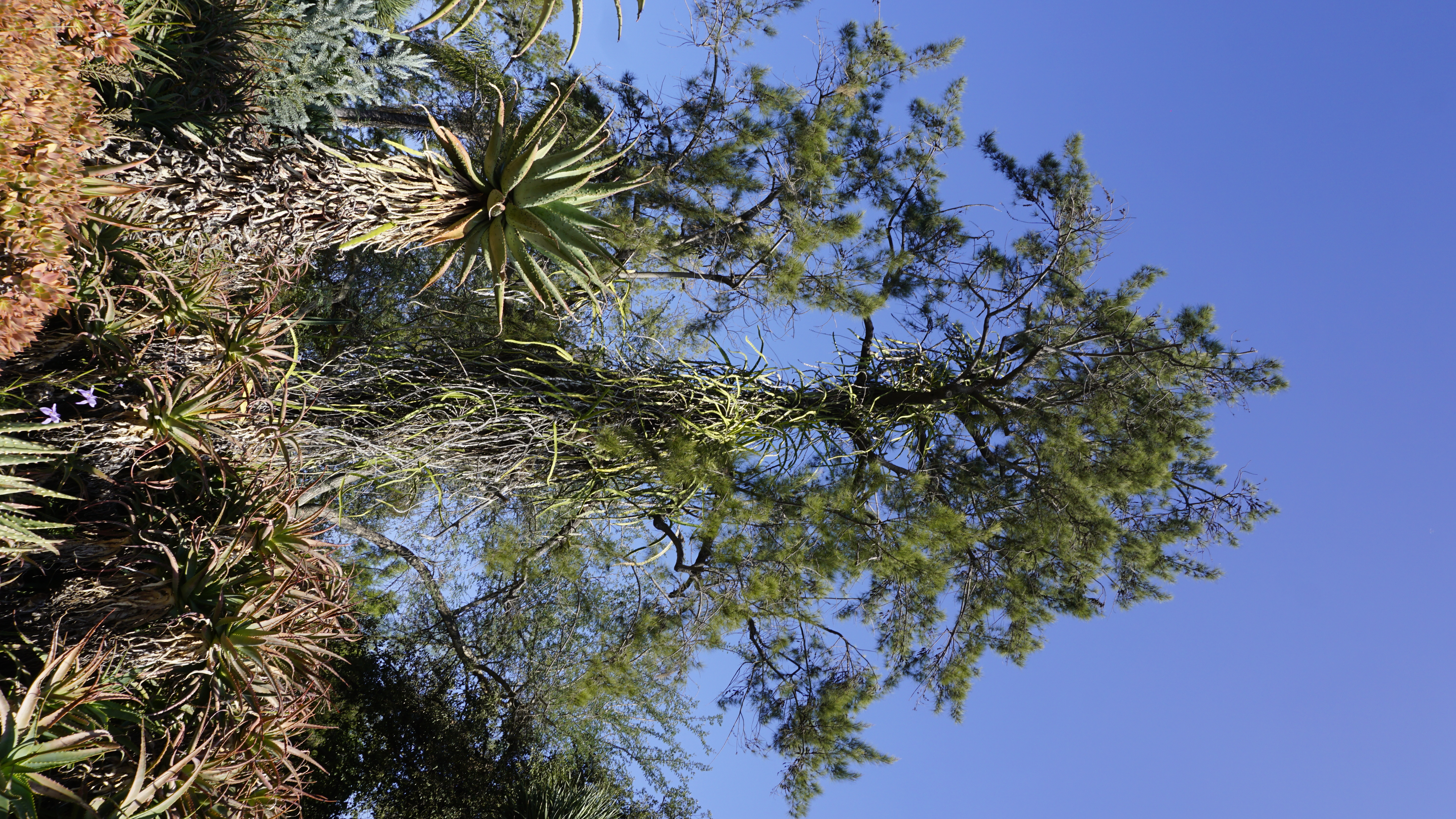
At The Huntington, it would be easy to make an ambitious list of gardens and then spend the whole day trying to complete it. A more rewarding approach is to choose a collection that deserves your attention. The Desert Garden makes a strong starting point, with forms that range from rounded and compact to tall, branching, and almost architectural.
The collection includes more than 2,000 species of succulents and desert plants. Rather than trying to learn them all, look at one small group and compare how the plants hold water, protect themselves, or present their surfaces to the sun. The labels include geographic ranges, which helps explain why plants that look similar may come from very different parts of the world.
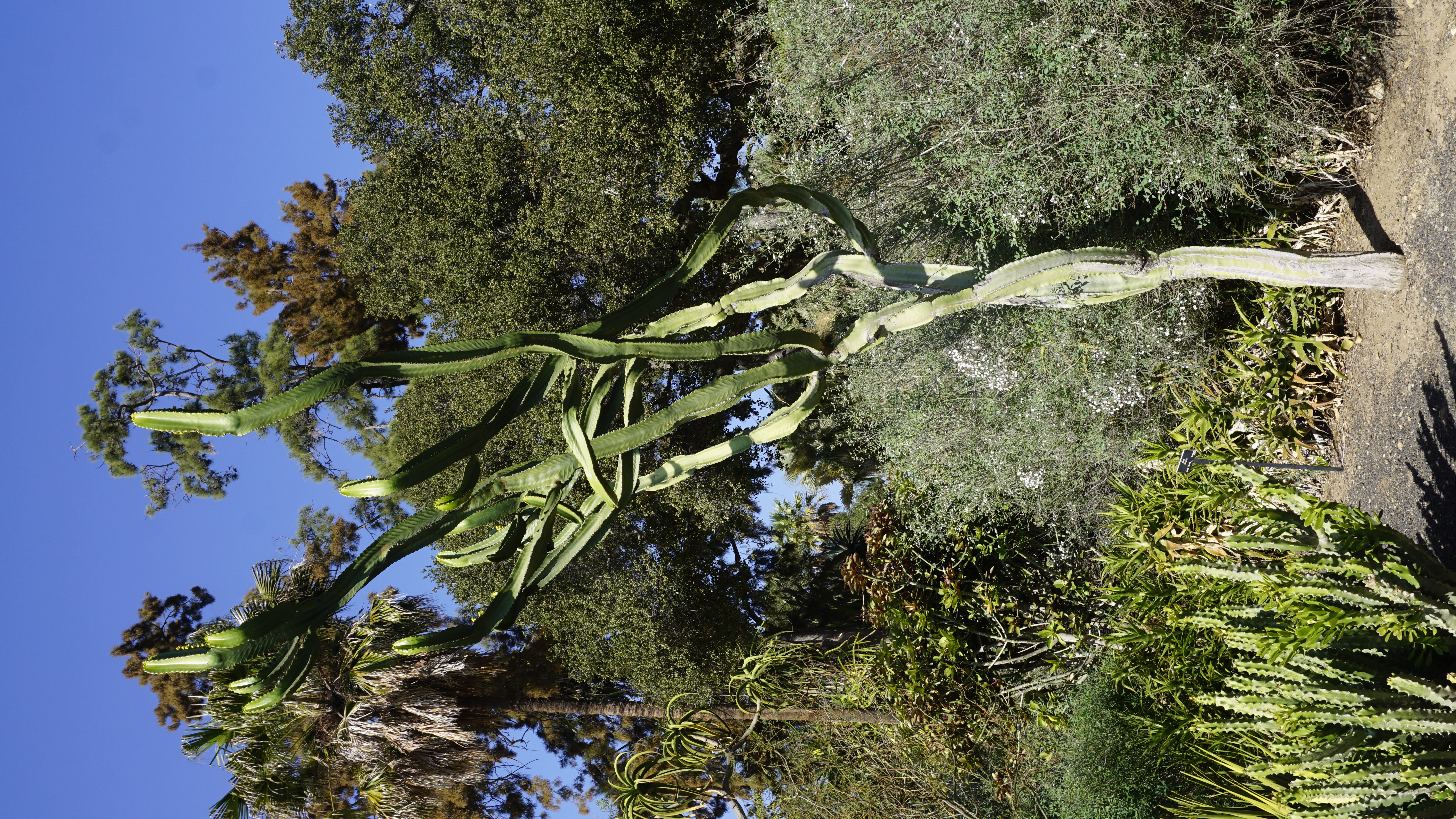
One particularly good comparison is between cacti and succulent euphorbias. The Huntington explains that some of its African euphorbias resemble cacti despite being unrelated. That is the kind of detail that can turn a photograph into a discovery: the outline catches your attention, then the label changes what you think you are seeing. Leave room in the day for another collection, but do not feel obliged to turn the entire estate into a race.
The Huntington is in San Marino, near Pasadena. Its regular public hours are Wednesday through Monday, with Tuesday closures except announced exceptions. Reservations are required Friday through Sunday, on holidays, and during designated peak periods. The outdoor Desert Garden and the Desert Conservatory have different access schedules; check the current visitor page if the indoor collection is essential to your visit. The same page lists closures elsewhere on the property, including the Library exhibition halls during construction, so avoid assuming every collection is available with every visit.
2. Lotusland, Montecito: Follow a Garden With a Strong Point of View
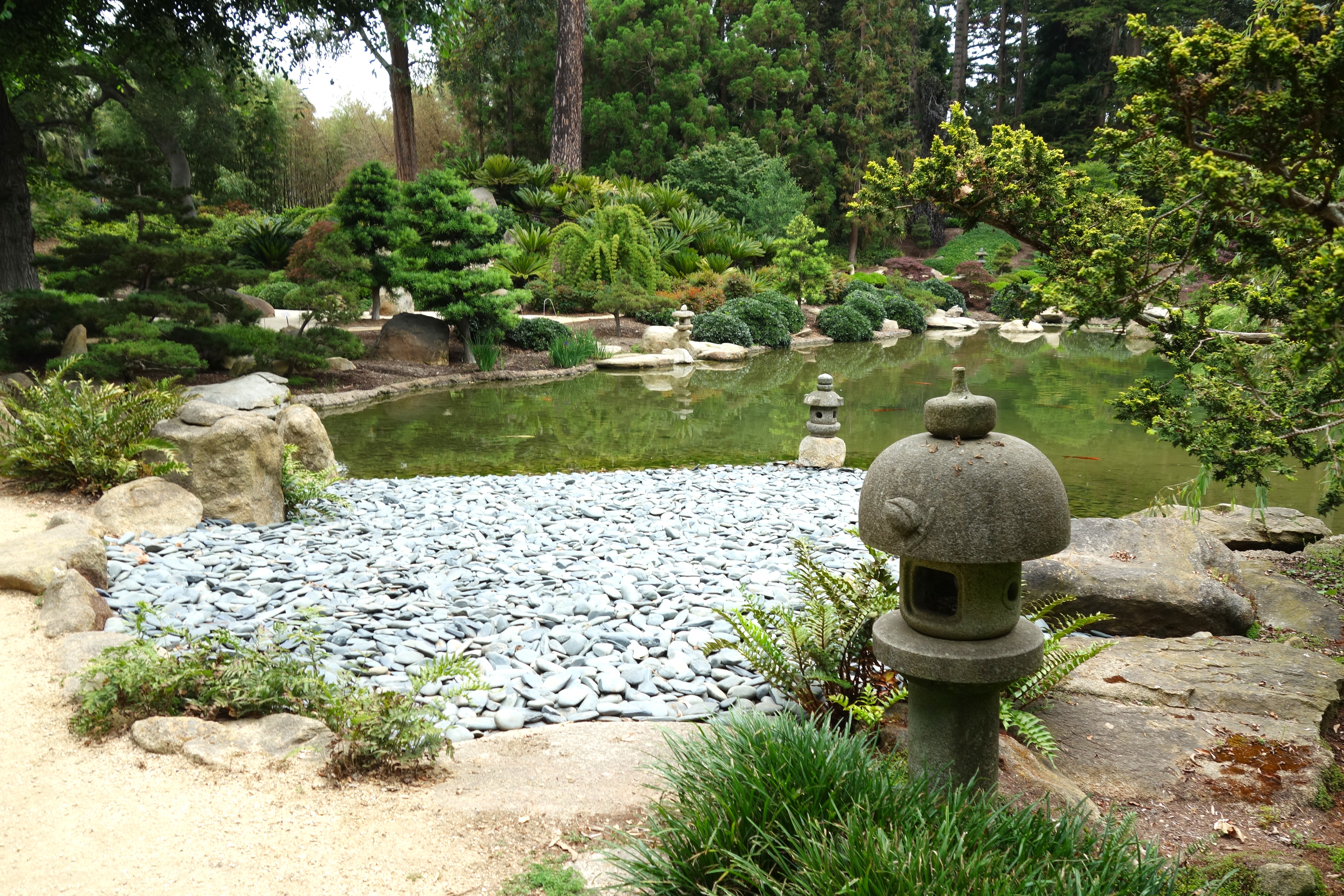
Lotusland rewards visitors who enjoy a garden as an act of imagination. Ganna Walska's plantings create distinct spaces with their own character, from the Blue Garden to the Aloe Garden and the Japanese Garden. The appeal is in seeing how one person's choices can make familiar categories of plants feel unexpected.
The Blue Garden is a good example. It began as a silver garden with blue Atlas cedars and developed through the addition of blue-toned foliage. Flowers are not required to make that color idea work. Look for variations in leaf shape, height, and texture within the shared palette, then compare the effect with a more varied planting elsewhere on your route.
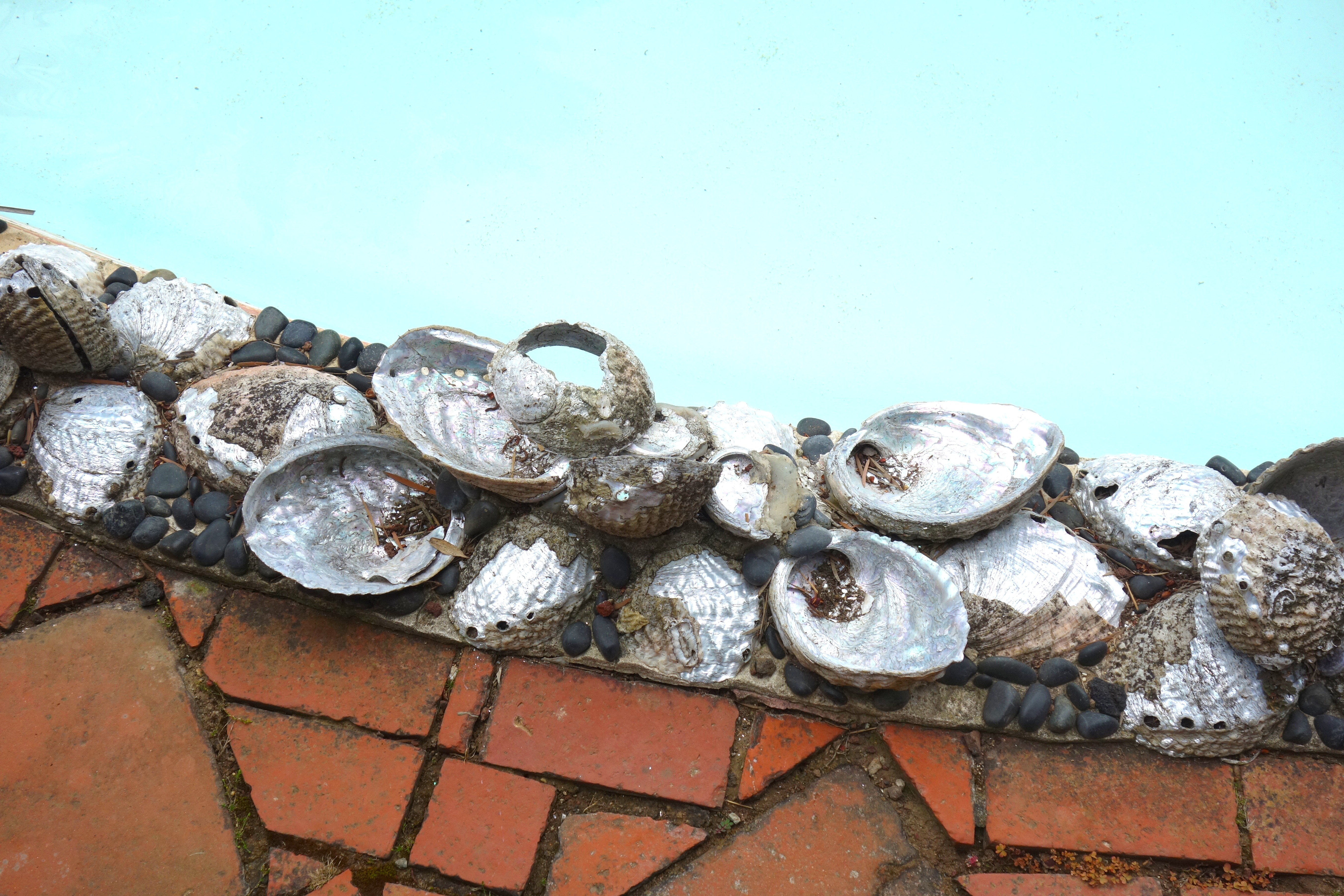
The Aloe Garden introduces another kind of focus around its distinctive water feature, while the wider collection includes cycads, cacti, and bromeliads. Choose a few contrasts to remember rather than trying to take the same photograph at every turn. A useful personal exercise is to pick one broad garden view and one close plant detail from each area you visit. The result is a better record of the design than a phone full of nearly identical paths.
This is a reservation-first destination in a residential neighborhood, not a garden where you can reliably turn up at the gate. All visitors, including children and infants, must be included in an advance reservation. As of November 14, Lotusland reports that its 2026 public tour season is sold out; consult its official events and future tour announcements before planning travel around it. Follow the arrival instructions supplied with your reservation, since the mailing address is not the public entrance. Think of Lotusland as a trip to arrange deliberately, with the garden itself setting the date.
3. San Diego Botanic Garden, Encinitas: Choose a Route Through Contrasting Habitats
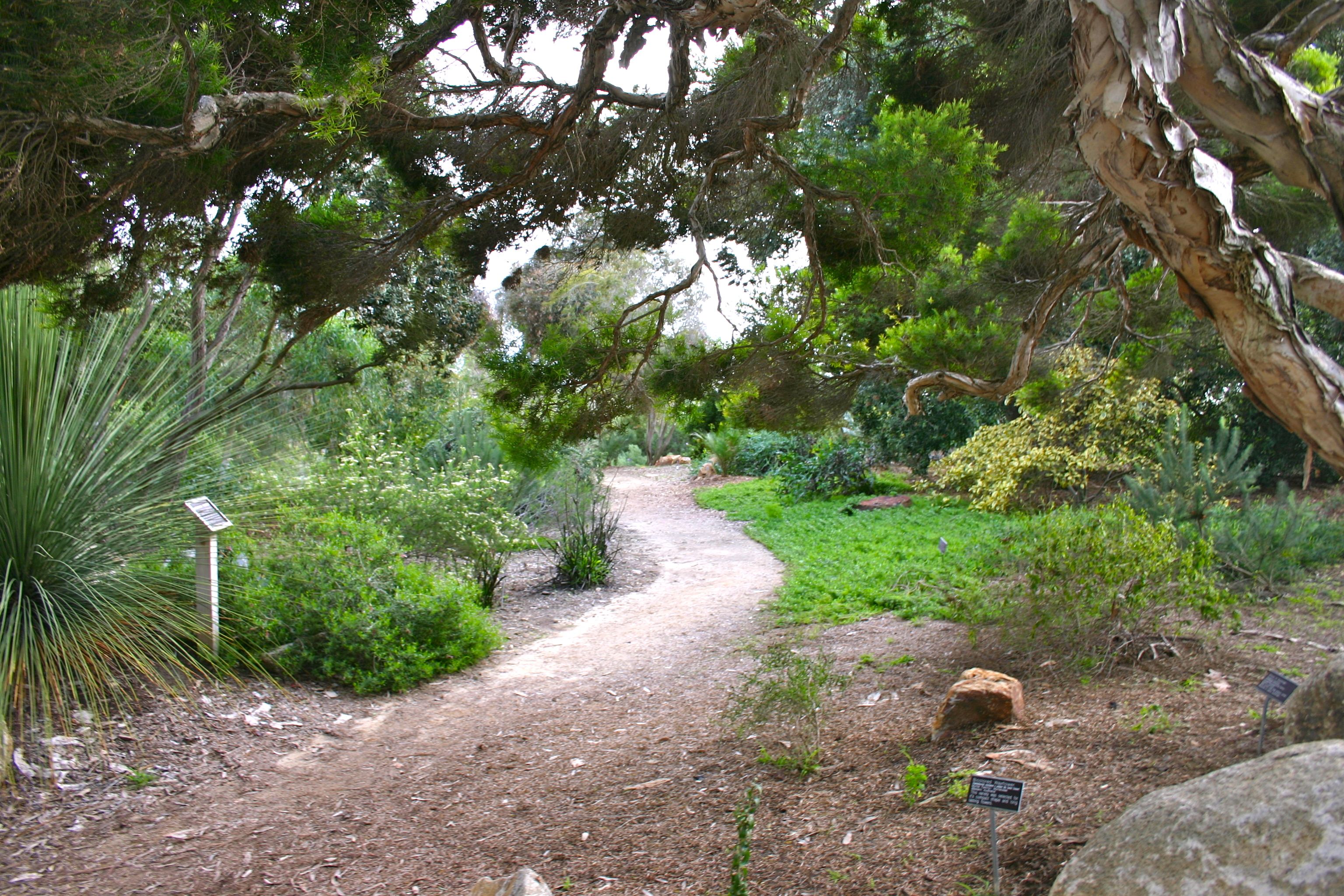
Despite its name, San Diego Botanic Garden is in Encinitas, north of the city. Its 37 acres contain a mix of geographic collections, demonstration gardens, and places designed for children. That range makes it especially useful when people in the same group have different ideas about what a garden outing should be.
The garden's topography supports changes in atmosphere along the trails. Its collections include tropical planting with a waterfall, desert plants, palms, bamboo, and areas devoted to California natives. Start with the map and choose two contrasting areas instead of assuming you need to cover all four miles of trails. The change between them can be more memorable than adding another destination to your list.
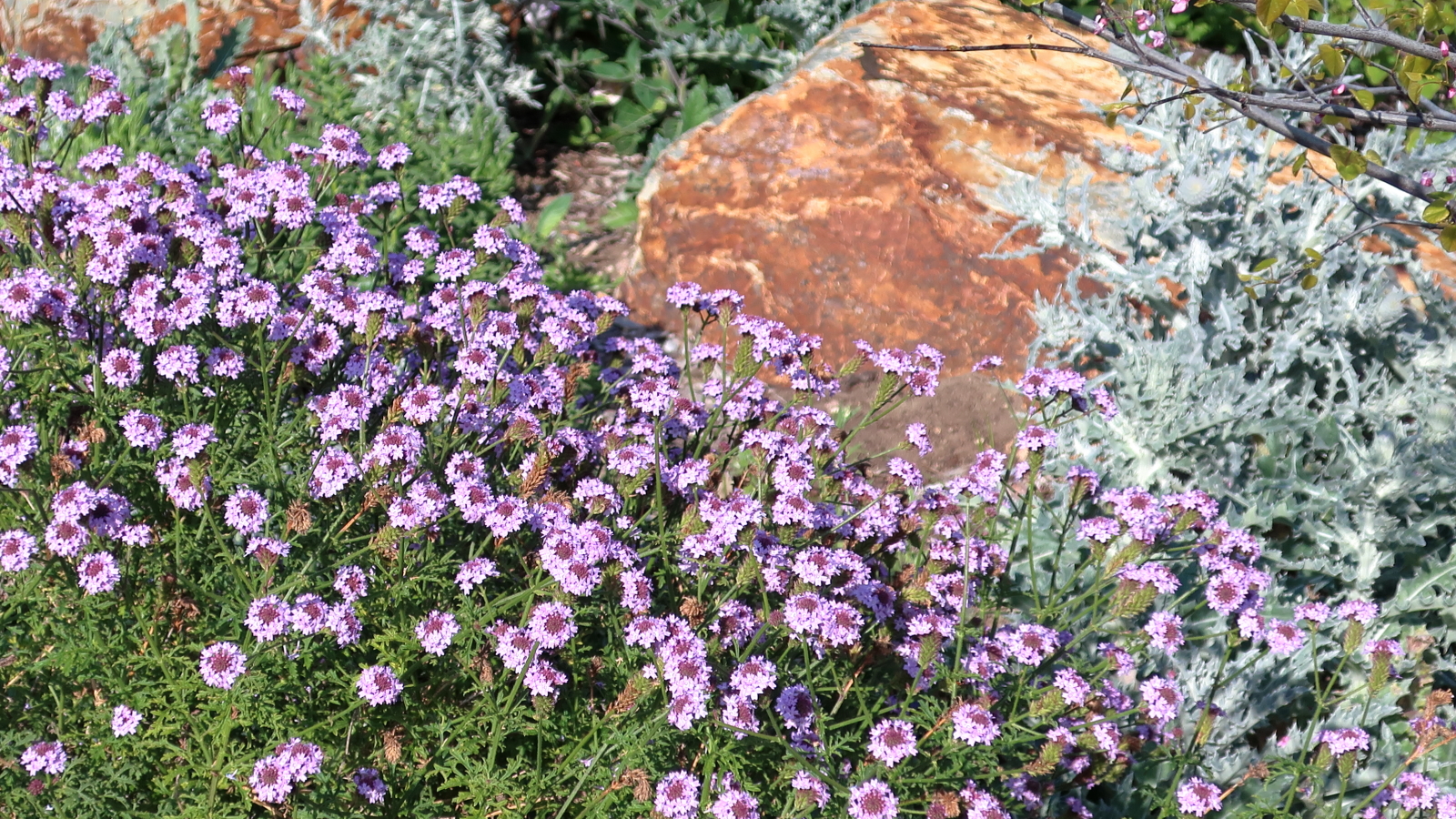
Families can build their visit around the children's gardens, while people looking for ideas to use at home can spend longer in the demonstration plantings. Those include low-water landscapes and edible plants. If something catches your eye, photograph the label as well as the plant; it is much easier to look up a name later than to reconstruct it from a leaf close-up. Avoid assuming that a plant thriving here will fit every California yard, since conditions differ sharply across the state.
Reservations are recommended, although walk-in admission is available subject to demand, and the garden is cashless. It normally closes on Tuesdays. The current winter schedule lists 9 a.m. to 4 p.m., with the last walk-up ticket entry at 3 p.m. There is also a current notice that some sections may close on selected days through November 17 for Lightscape preparations. Check that notice and the event ticket rules before visiting; a daytime plant walk and an evening light display are different experiences, even when they occupy the same grounds.
4. Filoli, Woodside: Pay Attention to the Spaces Between the Flowers
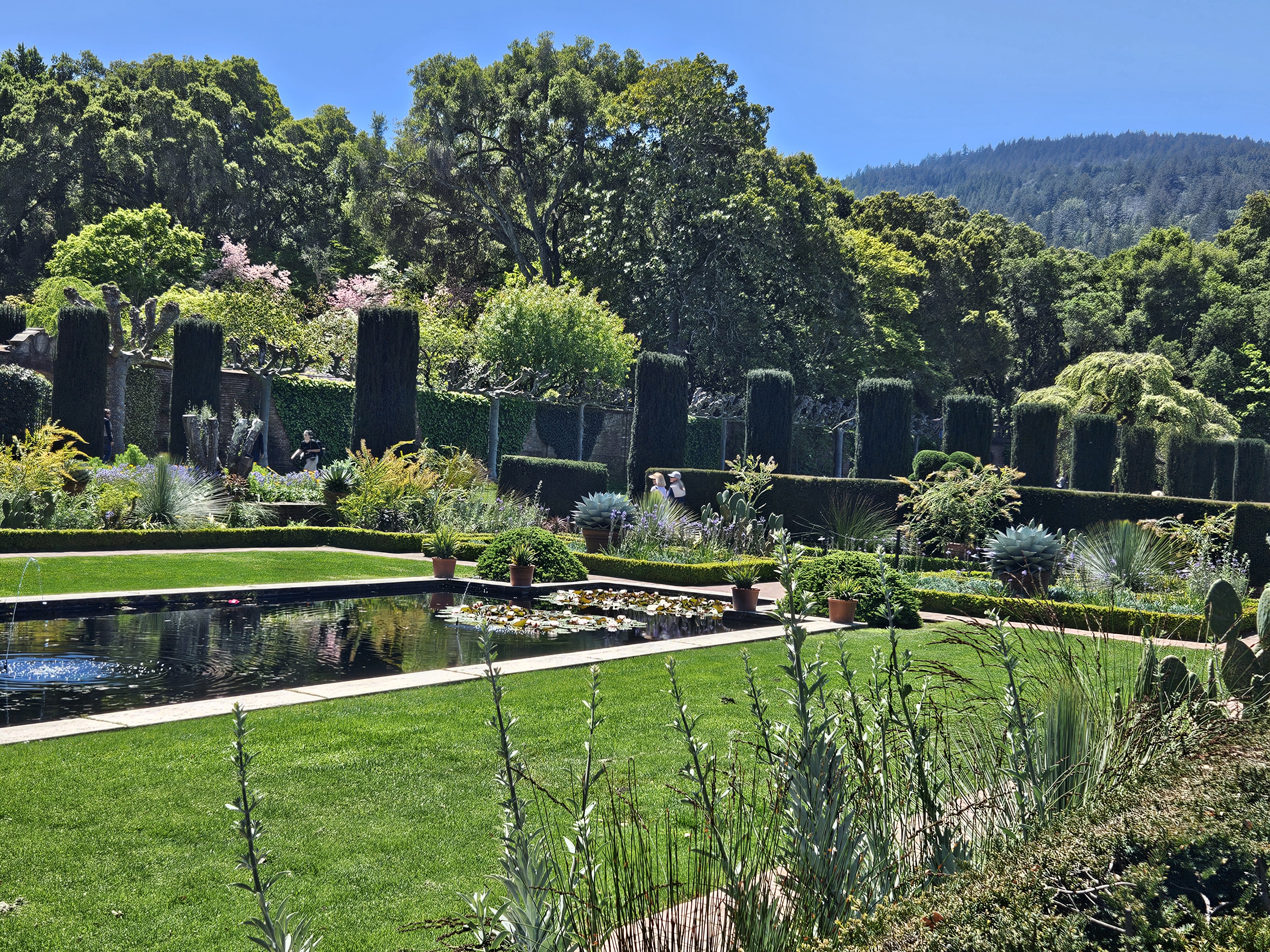
Filoli is a garden for people who like a sense of structure. Its sixteen acres of formal garden rooms use hedges, paths, terraces, and carefully arranged views to give each area an identity. Seasonal flowers bring color, but the layout is a major part of the experience even when a particular display has finished.
Slow down at the transitions between rooms. Look back through an opening, follow the line of an avenue, and notice how the Sunken Garden changes the level of your view. These small shifts make a good subject for photography: instead of isolating every bloom, include the path or hedge that gives the planting its setting.
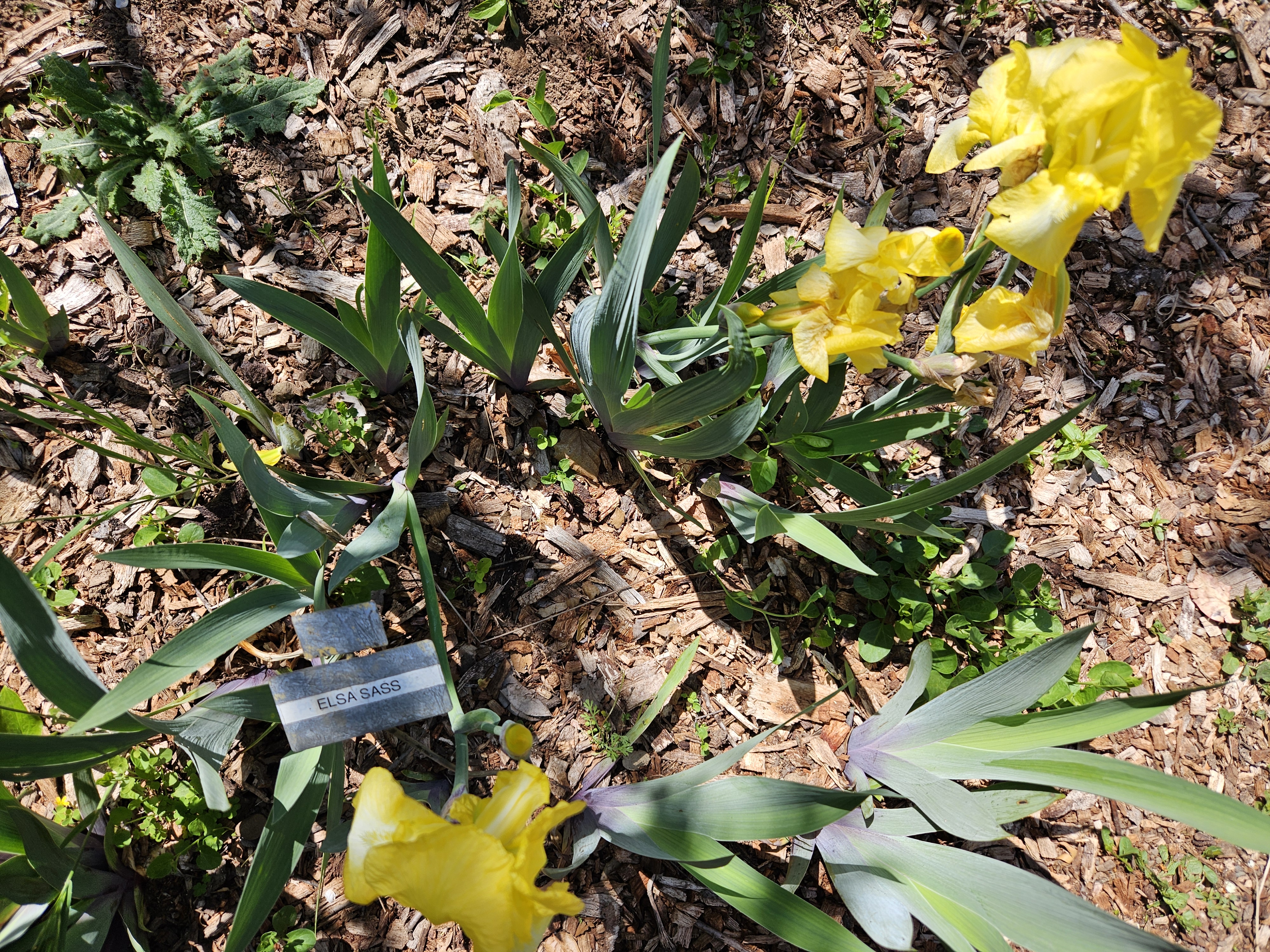
The garden's official history credits landscape designer Bruce Porter with its lines and structure, and horticulturist Bella Worn with its planting textures and colors. Keeping both contributions in mind gives you two ways to look at the same space. First notice the overall arrangement, then look closely at what fills it. The surrounding mountain views add another layer, placing the formal design within a much larger landscape.
Use the current ticket calendar rather than relying on a generic opening-hours listing. Filoli's holiday season separates daytime visits from evening admission, with different arrival and closing times. You do not need a guided tour to visit the house or garden, though special tours have their own arrangements. A stairless garden route is available, but the accessibility page notes brick, gravel, grass, and other uneven surfaces. Download that route before arriving if it will help your group, and ask staff about the most comfortable way to reach the areas you want to see.
5. San Francisco Botanical Garden: Make the Cool Climate Part of the Visit
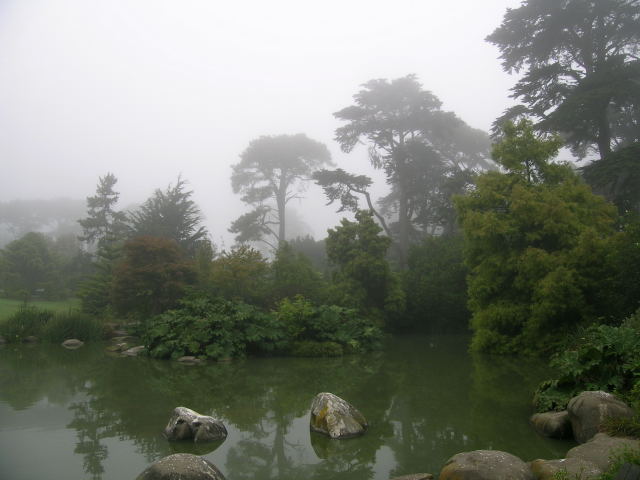
San Francisco Botanical Garden offers a different answer to the idea of a California garden. Within Golden Gate Park, its collections include plants from cloud forests as well as a redwood grove and other geographic plantings. The city's cool, fog-influenced conditions help make those collections possible.
Choose a cloud forest area and give yourself time to look at the layers of planting. The garden maintains collections representing Mesoamerican, Andean, and Southeast Asian cloud forests. These are cultivated collections, not reproductions of an entire wild ecosystem, but they provide an approachable way to learn about plants from places many visitors will never reach.
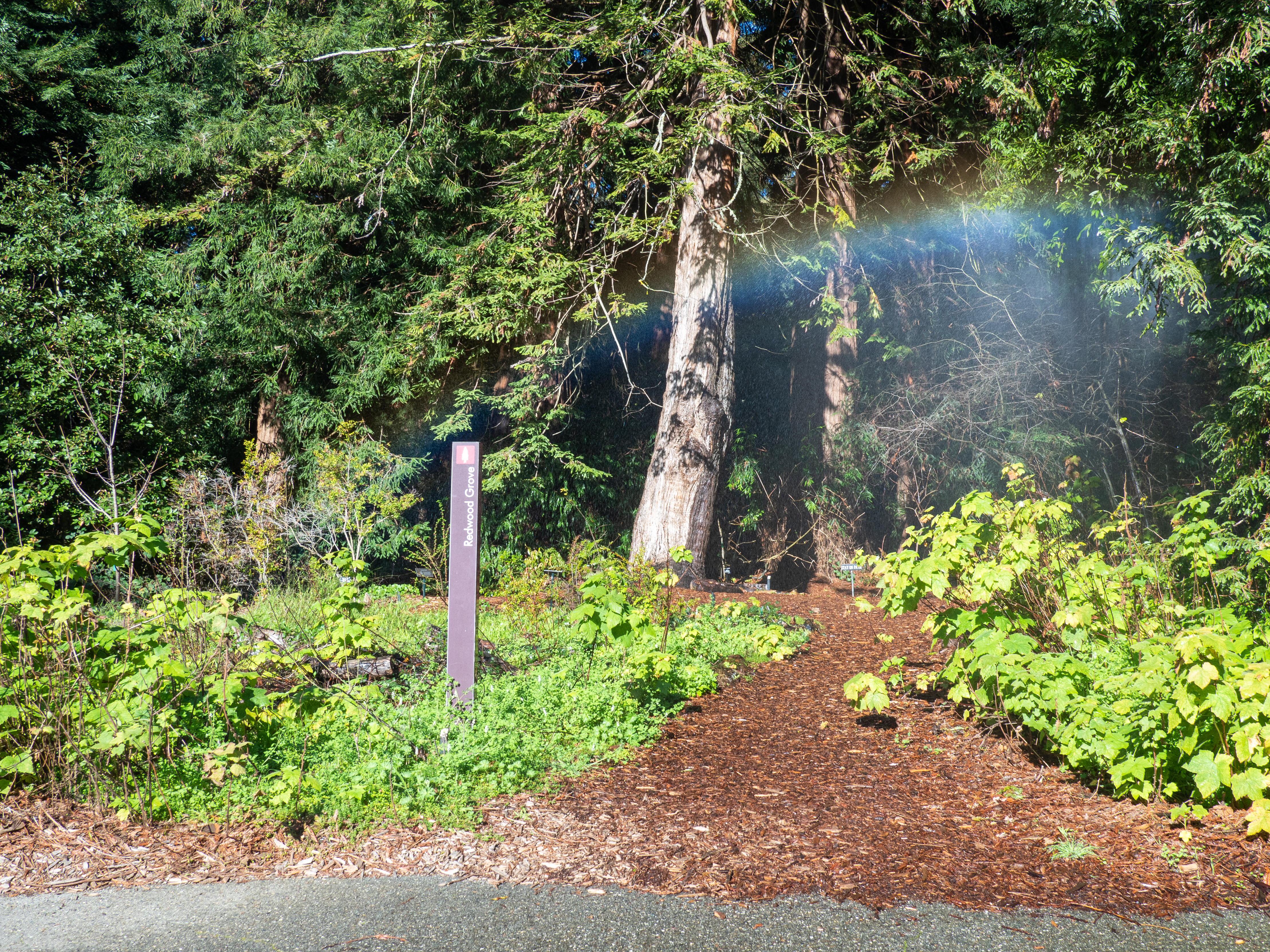
Then make a contrasting stop in the redwood grove or another section that interests you. It is worth paying attention to the space above your head as well as the plants at eye level: a garden photograph does not always need a flower in the foreground. Bring a layer even if your broader California trip has been warm, and let the local weather guide the pace of your walk.
The Botanical Garden opens early, with free admission during the published 7:30–9 a.m. window. Last entry changes by season, and the grounds close one hour after that entry cutoff; arriving at the last entry time does not buy you a whole afternoon. Check the Gardens of Golden Gate Park admission page for your date. Also keep the destinations straight: the Botanical Garden, Japanese Tea Garden, and Conservatory of Flowers are distinct places with different hours. A Botanical Garden ticket does not include special ticketed evening events such as Lightscape.
6. Mendocino Coast Botanical Gardens, Fort Bragg: Save Time for the Ocean
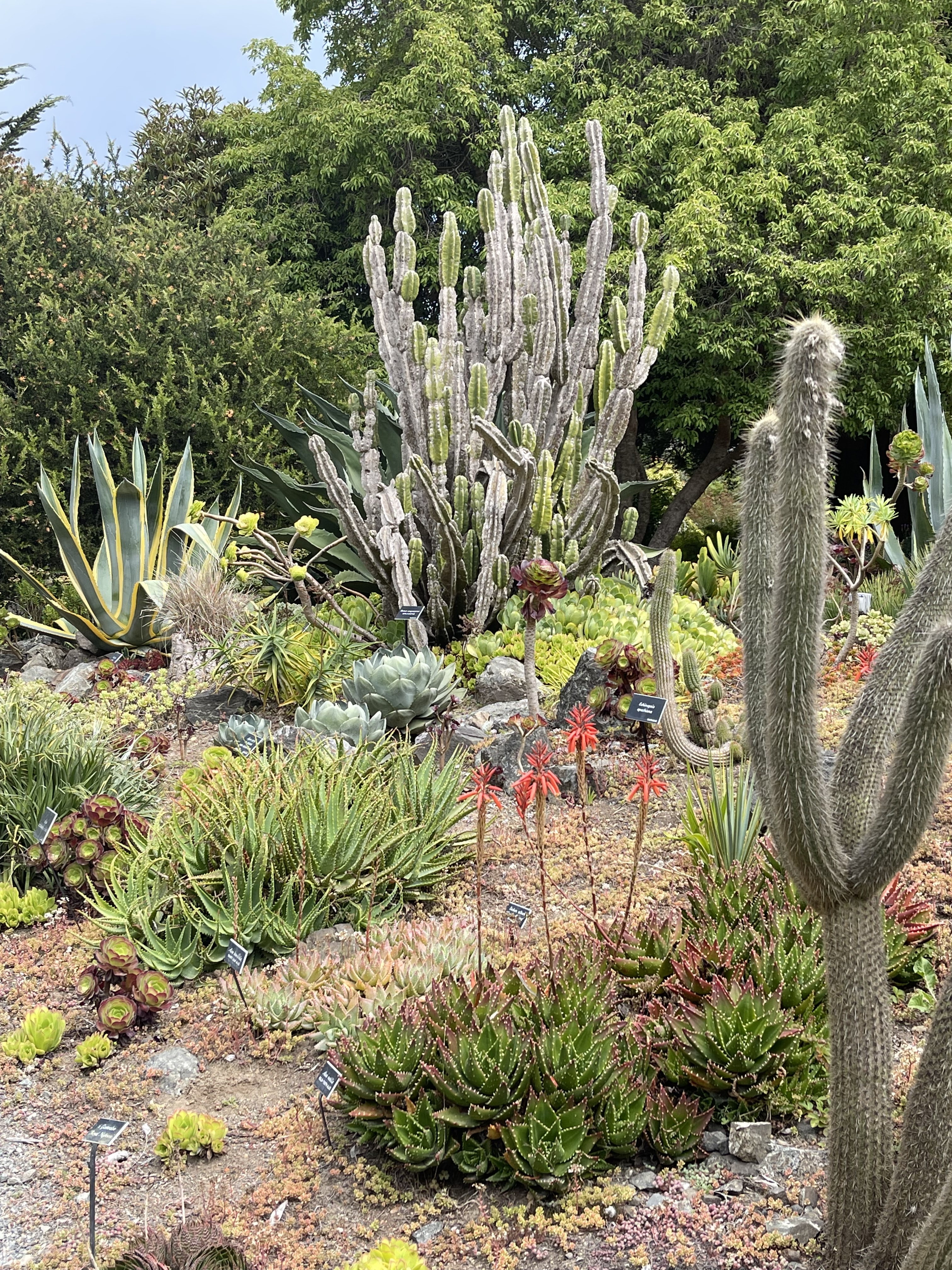
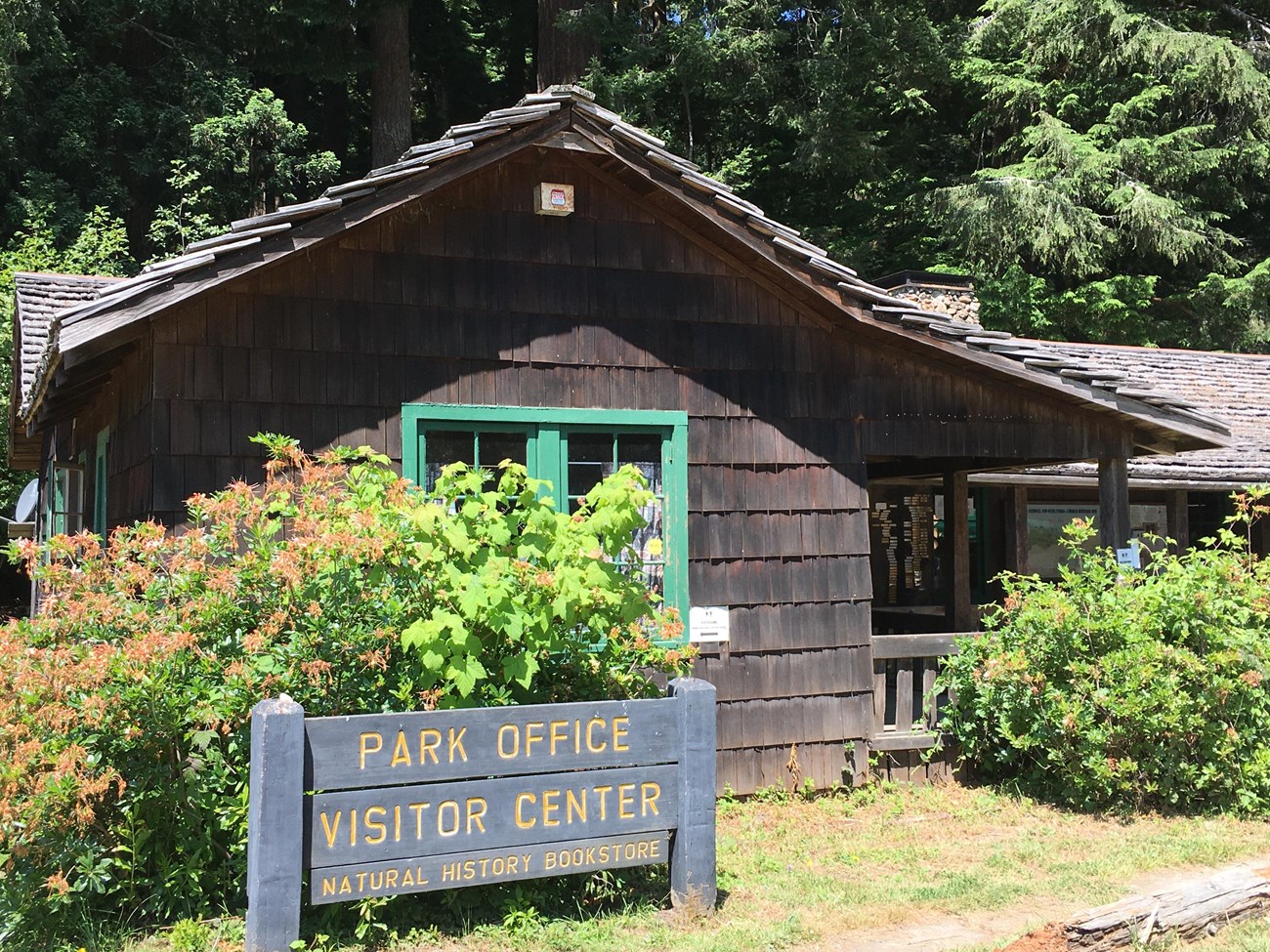
Mendocino Coast Botanical Gardens makes a compelling argument for taking a longer walk. Its 47 acres extend between Highway 1 and the Pacific, combining cultivated collections with woodland, canyons, wetlands, and coastal bluffs. The sea is part of the destination rather than something you glimpse only from the drive.
The garden's seasonal guide is a useful way to set expectations. It lists rhododendrons among the spring and early-summer attractions, while dahlias feature in its August-through-October bloom period. Winter brings different possibilities. Use those broad patterns to choose a season, then check current conditions before making a particular flower the sole reason for your trip. Photographs of peak bloom show a moment, not a year-round promise.
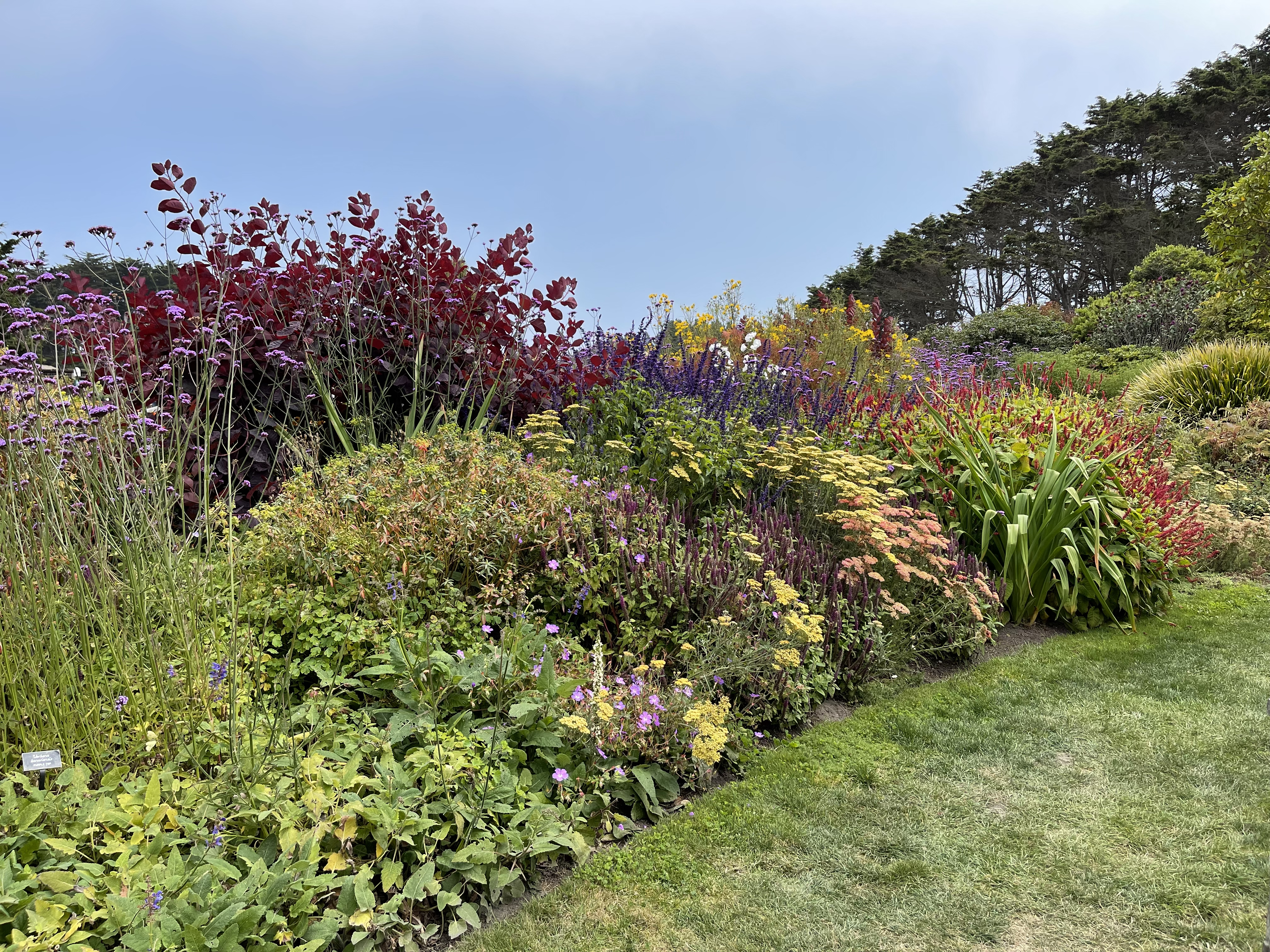
Decide early whether you want to reach the coast. The garden describes the walk from the entrance to the ocean as about half a mile each way. Saving that walk until the last few minutes can turn the best part of the visit into a hurry. Instead, leave room for the coastal section and stop at plant collections along the way, adjusting the route to the weather and your group's energy.
The main trails are hard-packed fine gravel, with uneven natural surfaces and narrower secondary paths. Ask about a suitable route if mobility is a concern, and bring water and layers for the transition toward the exposed coast. Winter hours are shorter than summer hours, and a handful of annual closures and special events affect admission. The café is seasonal too, so check its schedule separately if lunch is part of the plan. This is a garden where a little preparation buys you more time to enjoy the landscape.
Pick a Garden for the Kind of Day You Want
Choose The Huntington for a deep look at plant collections, Lotusland for a strongly individual garden design, or San Diego Botanic Garden for a varied family outing. Filoli suits a day of formal landscapes and carefully framed views. San Francisco Botanical Garden offers cool-climate collections within the city, while Mendocino Coast Botanical Gardens combines plant displays with a walk toward the Pacific.
Before committing to a date, check the admission calendar, current closures, and any separate event ticket. Then choose a small number of areas you most want to explore. A good garden visit leaves time to notice something you did not know to put on the itinerary.