In Florida, an evening out can begin before the curtain rises. It might start beneath a marquee in a downtown neighborhood, under a painted theater sky or in a building that has served its community for a century.
These six historic theaters have survived changing tastes, periods of closure and the work of restoration. They host different kinds of events, from movies and concerts to local productions, so check each venue's calendar and ticket details before planning a trip. The building is part of the experience, but the performance should fit your evening too.
1. Tampa Theatre — Tampa
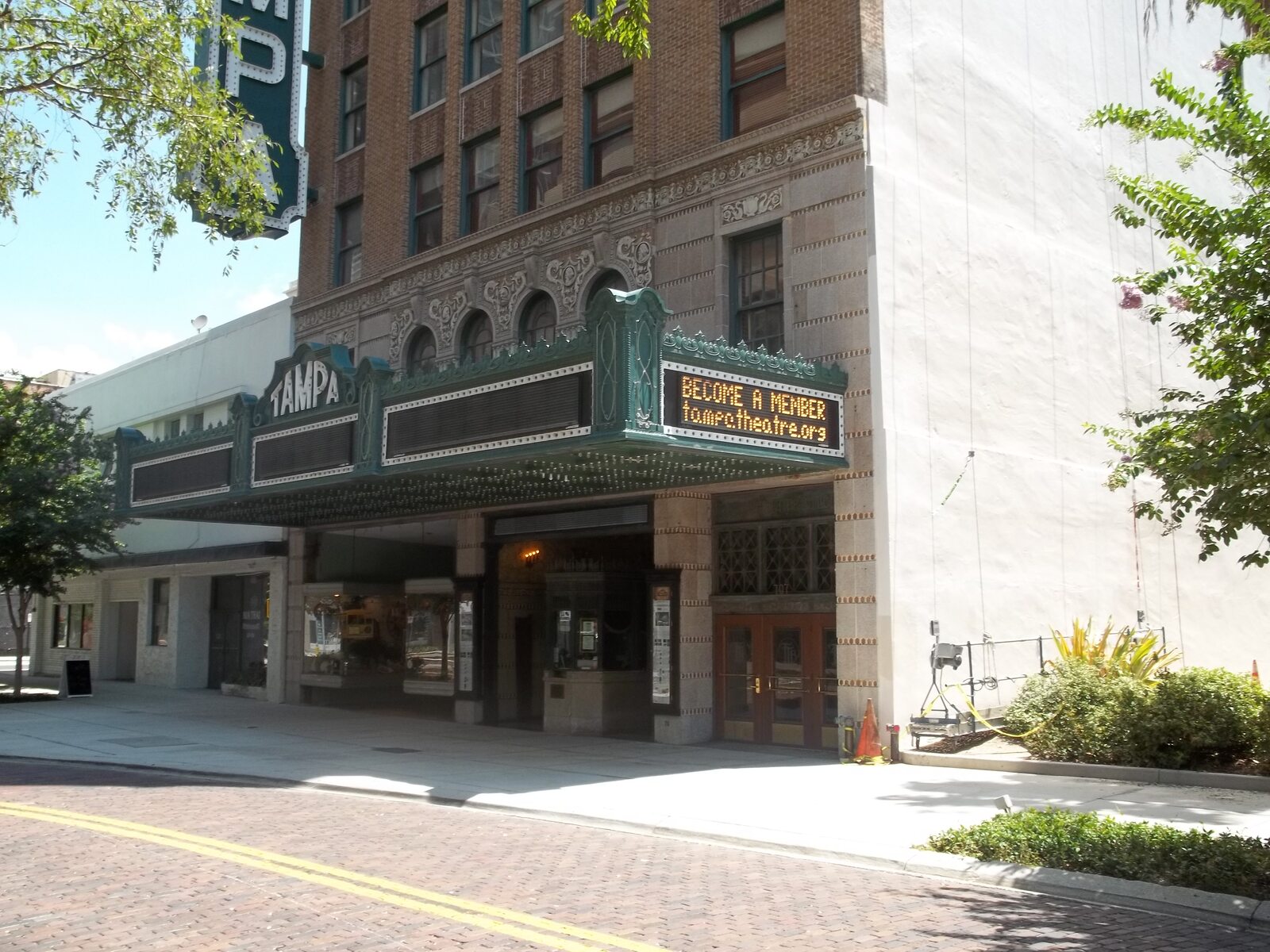
Tampa Theatre opened in 1926 as an elaborate movie palace. Its atmospheric auditorium was designed to make the audience feel as though it had entered an imagined outdoor courtyard, with architectural details and a starry sky overhead. Even before the film begins, there is plenty to look at.
The theater's survival is a story of community preservation. It reopened as a public venue in the 1970s after an effort to save it, and it continues to present films and other events. In 2026, its historic Duncan Auditorium closed for a major restoration; local public radio reported that it reopened in October, in time for the theater's centennial celebrations.
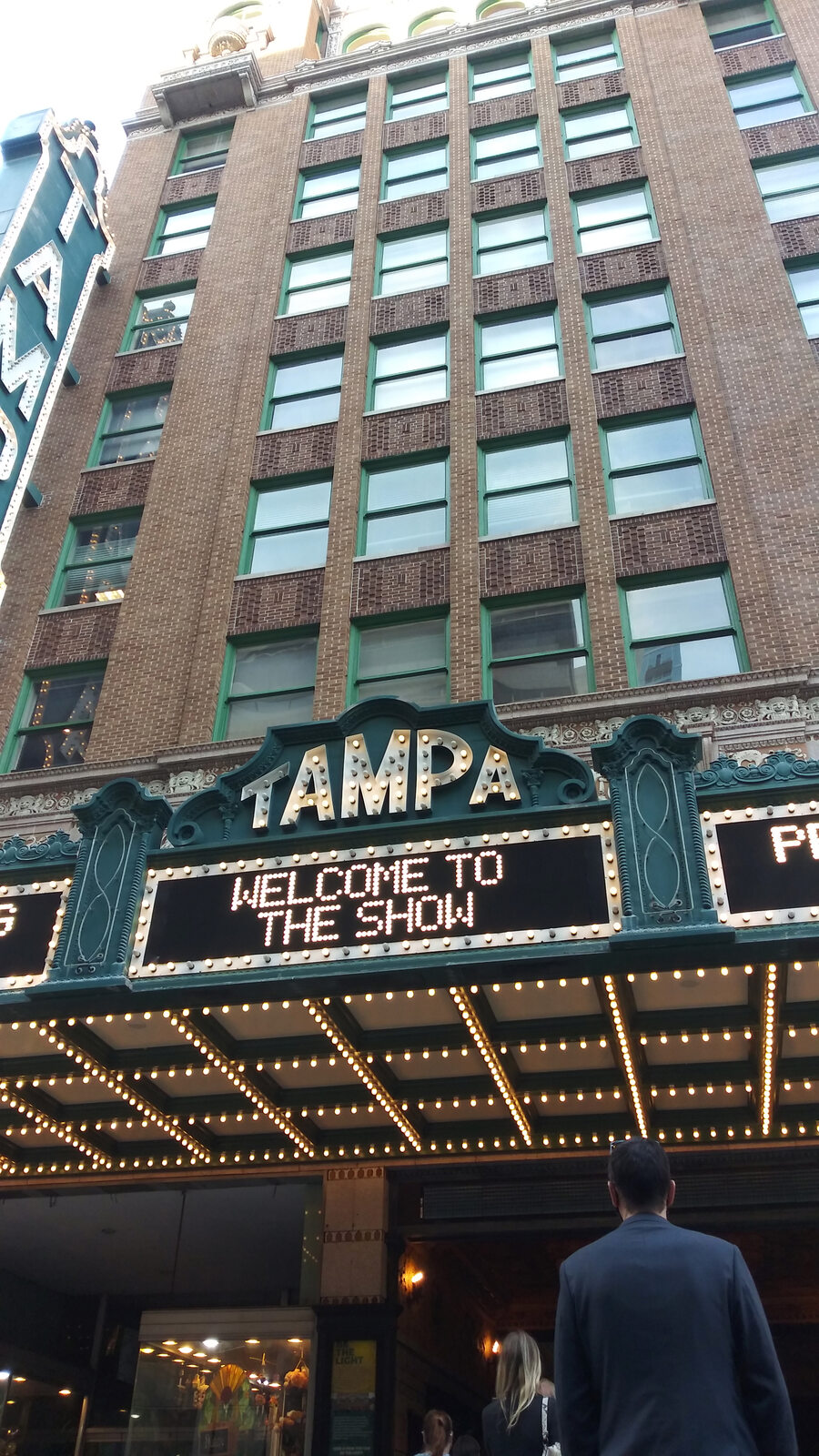
Check whether your ticket is for the historic auditorium or the smaller screening room, and ask about current tour availability if you want a closer look at the building. Arriving early gives you time to appreciate the details without holding up the people trying to find their seats.
Tampa's downtown dining and riverfront can turn a performance into a fuller evening. Look at parking and event traffic in advance, especially when other downtown venues have shows on the same night.
2. Florida Theatre — Jacksonville
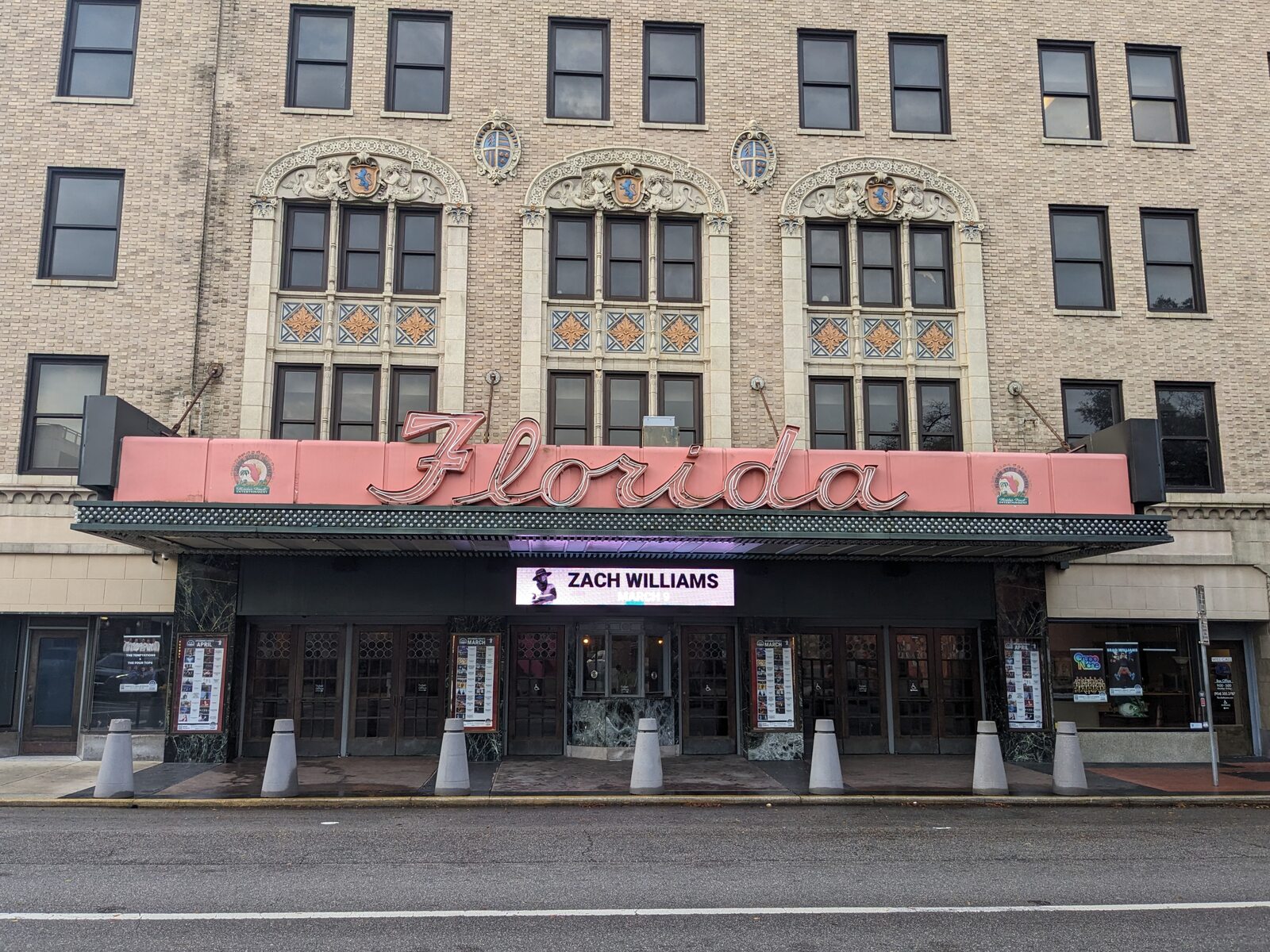
Jacksonville's Florida Theatre opened in 1927 as a place for silent films and vaudeville. It later closed as a movie house and was restored and reopened for performances in 1983. Today its calendar can offer a reason to spend an evening downtown, whether your interest is music, comedy or another live event.
The venue's own history also records an uncomfortable part of its early years: when it opened, the Florida Theatre was a white-only theater in a segregated city. Other Jacksonville theaters served Black audiences. Remembering that history is part of understanding who could enjoy the entertainment celebrated in old photographs and who was excluded.
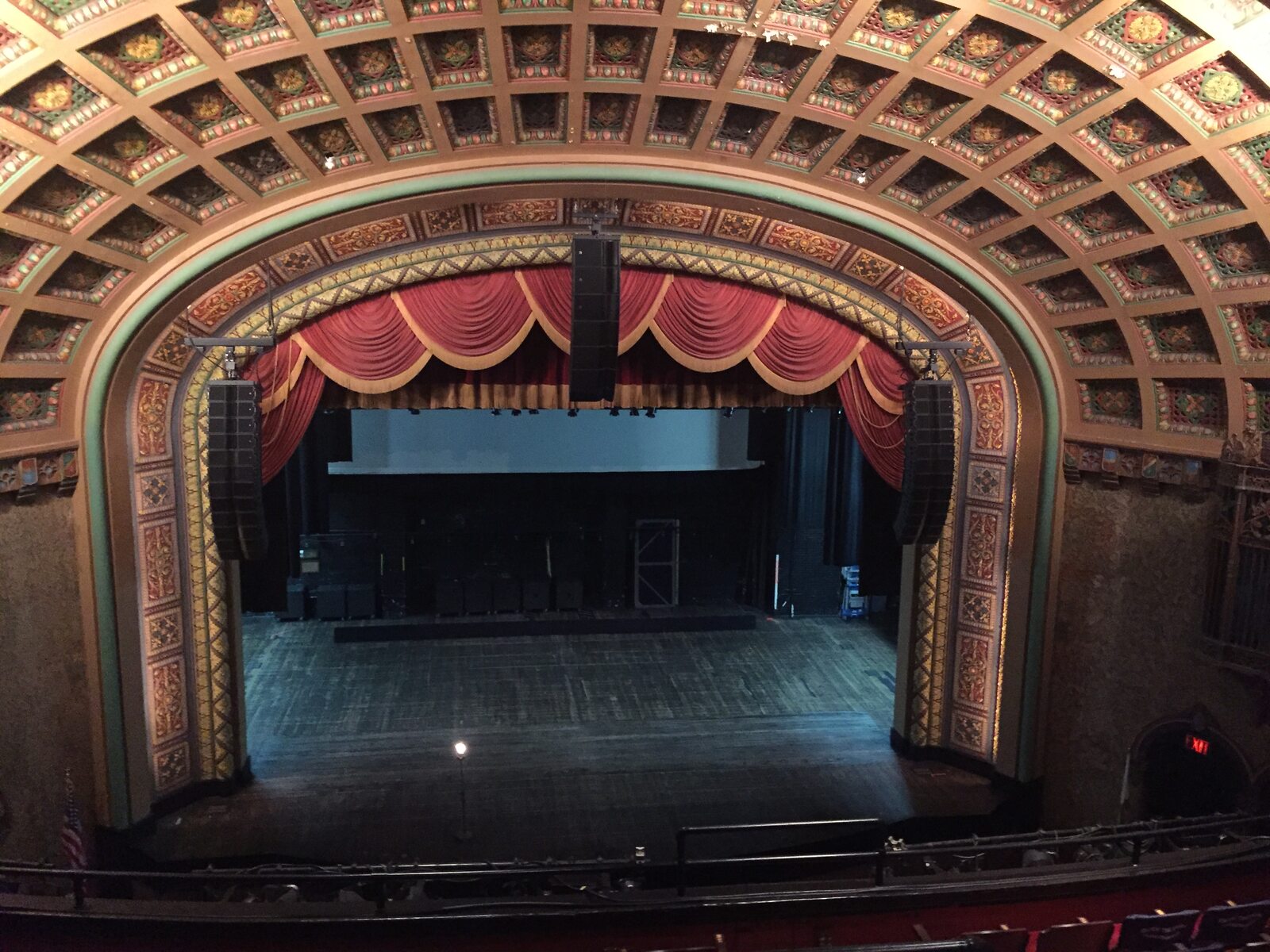
Inside, look for the decorative architecture that helped make a trip to the movies feel like an occasion. Then consider the work that went into preserving the building for new uses as entertainment habits changed. A modern concert audience occupies the same address, but not the same social world as the audience of 1927.
Choose an event first and check the seating chart, accessible seating and parking details directly with the theater. A nearby meal and a little extra time for the lobby can make the show feel like a complete downtown outing.
3. Polk Theatre — Lakeland
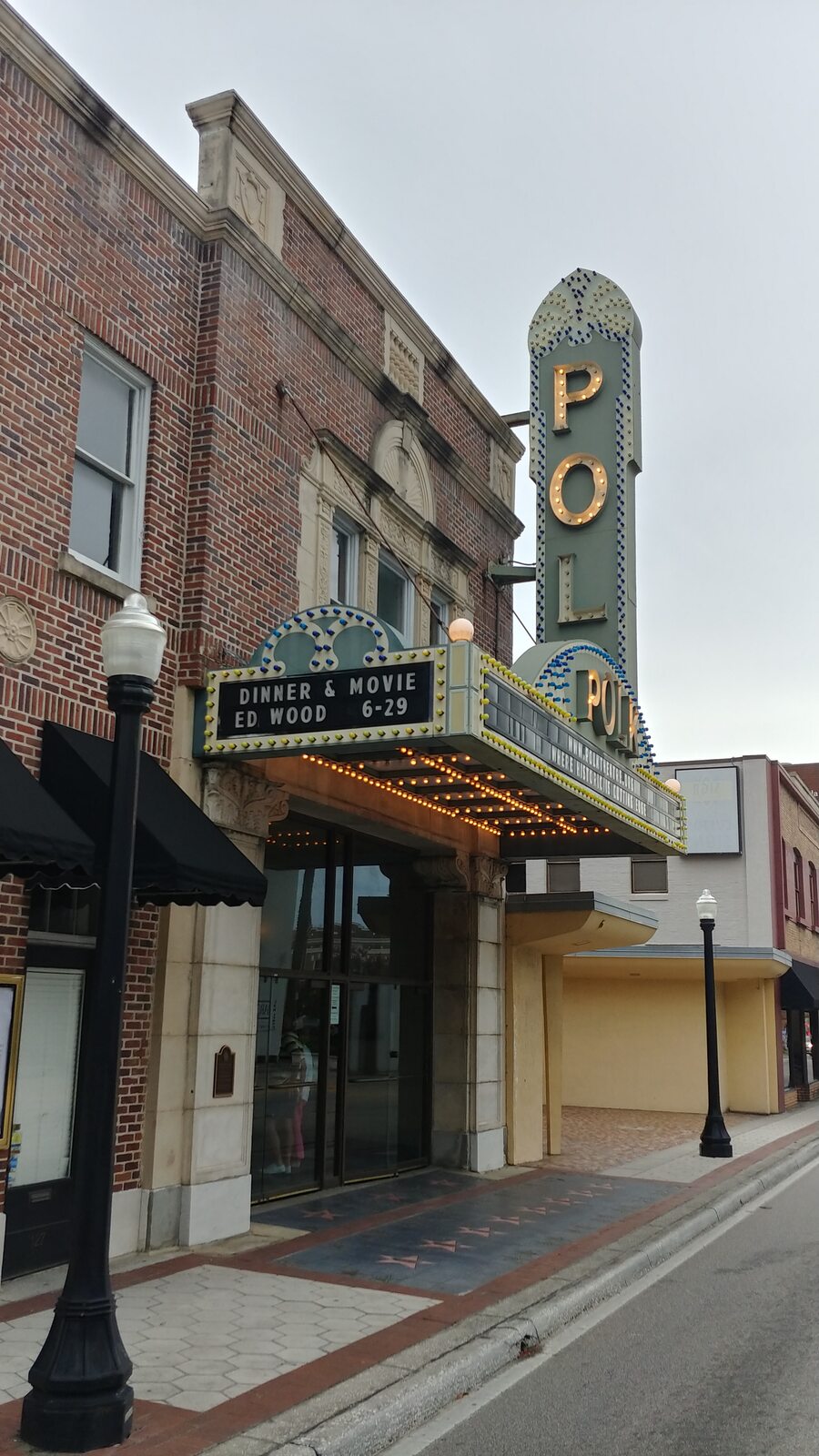
Lakeland's Polk Theatre opened on December 22, 1928, during the transition from silent pictures to talking films. Its early schedule also included vaudeville and live events, giving the building a role as a gathering place as well as a movie theater.
The auditorium's atmospheric design is one reason to arrive with time to look around. Decorative details suggest a Mediterranean setting beneath a theatrical sky, a style intended to carry the audience somewhere beyond an ordinary downtown street. Today's event calendar provides a chance to enjoy the historic room in active use.
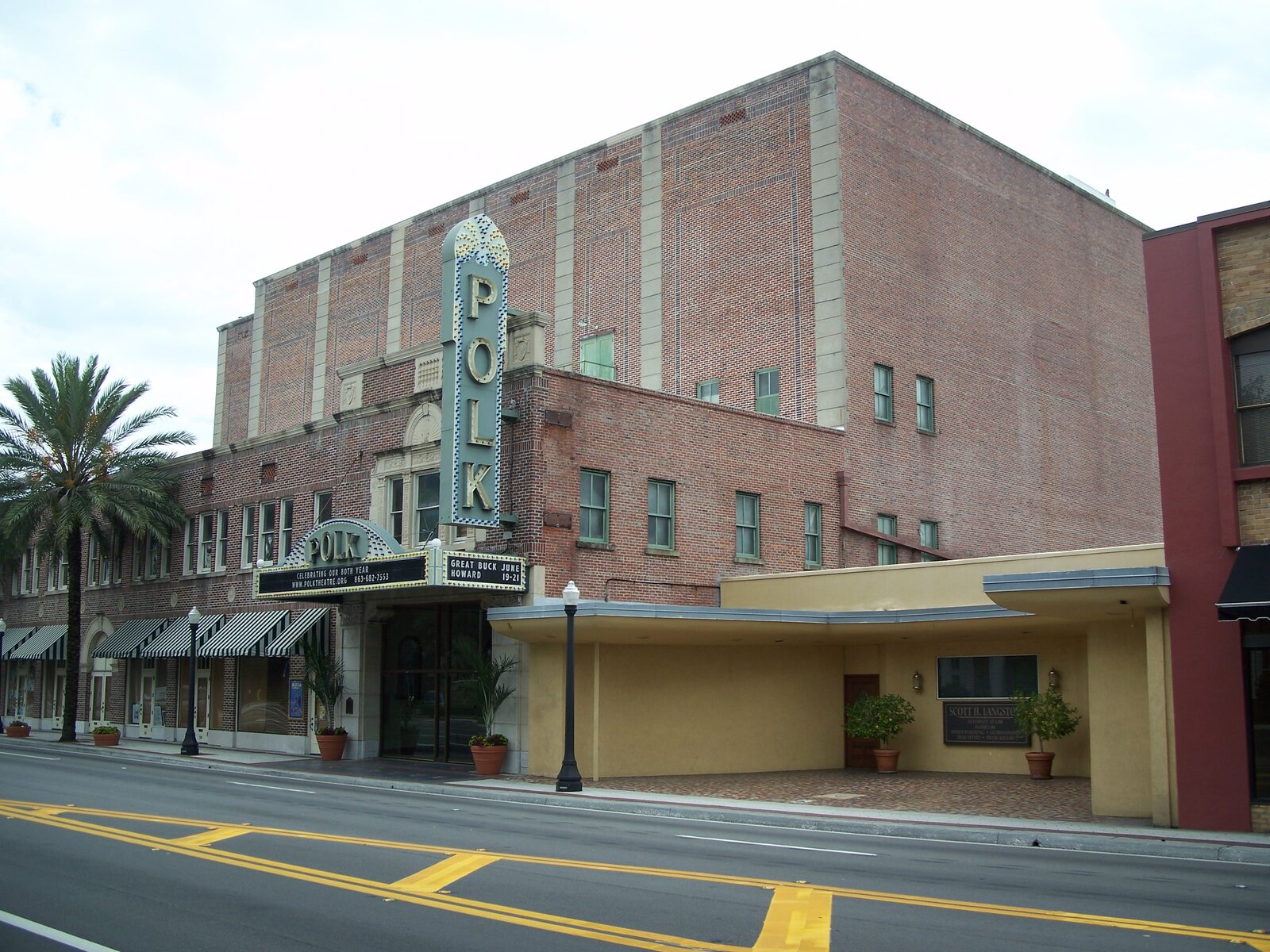
The theater's history spans economic changes and shifting entertainment habits, but it is not necessary to know every date to appreciate the setting. Look up from your seat, notice the room around the stage and imagine how different a night at the movies might have felt when sound film was still new.
Lakeland is between Tampa and Orlando, making this a possible stop on a central Florida trip, though traffic and show times deserve a realistic plan. Check the theater's current program and ticket policies, and allow time for a walk or meal downtown if your schedule permits.
4. Athens Theatre — DeLand
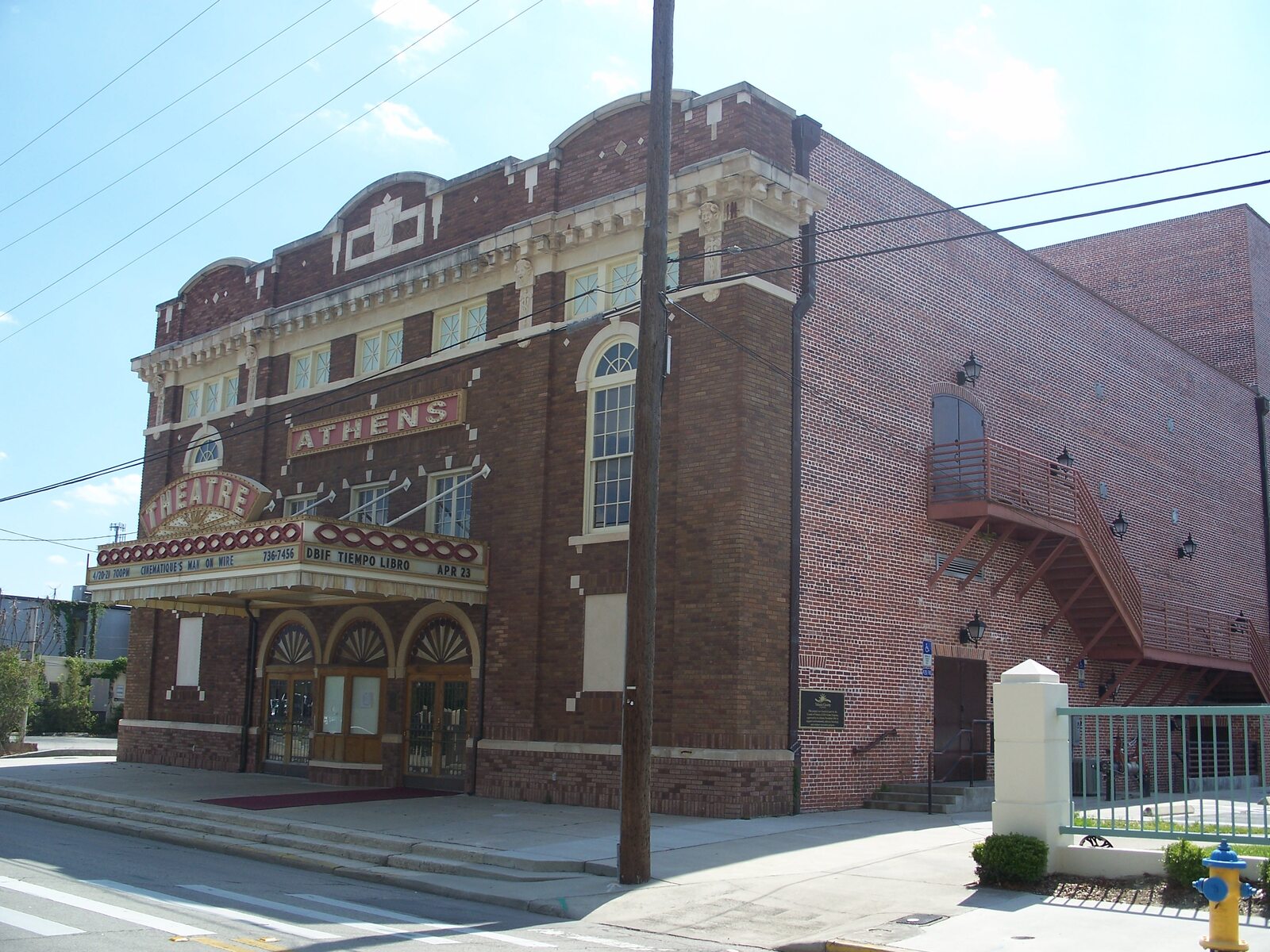
The Athens Theatre has been part of DeLand's downtown story since opening in 1922. It hosted vaudeville and other entertainment over the decades, closed and changed uses, and reopened in 2009 after restoration. Its continuing life as a theater owes much to the people who worked to bring the building back.
The theater's own history notes that memories of the building intersect with questions of race and class as well as entertainment. Those layers make an old theater more than a decorative backdrop: it is a place where a community's changing customs can be examined alongside the shows on stage.
For a visitor, the Athens pairs naturally with an afternoon in DeLand. Browse downtown, plan dinner around the curtain time and then settle in for a production. Check the current calendar and the theater's guidance on accessibility before purchasing seats, since the needs of a musical, a play and a special event can differ.
Give yourself a little time after the performance, too. An old theater looks different when the audience has spilled back onto the street and the marquee is glowing over downtown.
5. Saenger Theatre — Pensacola
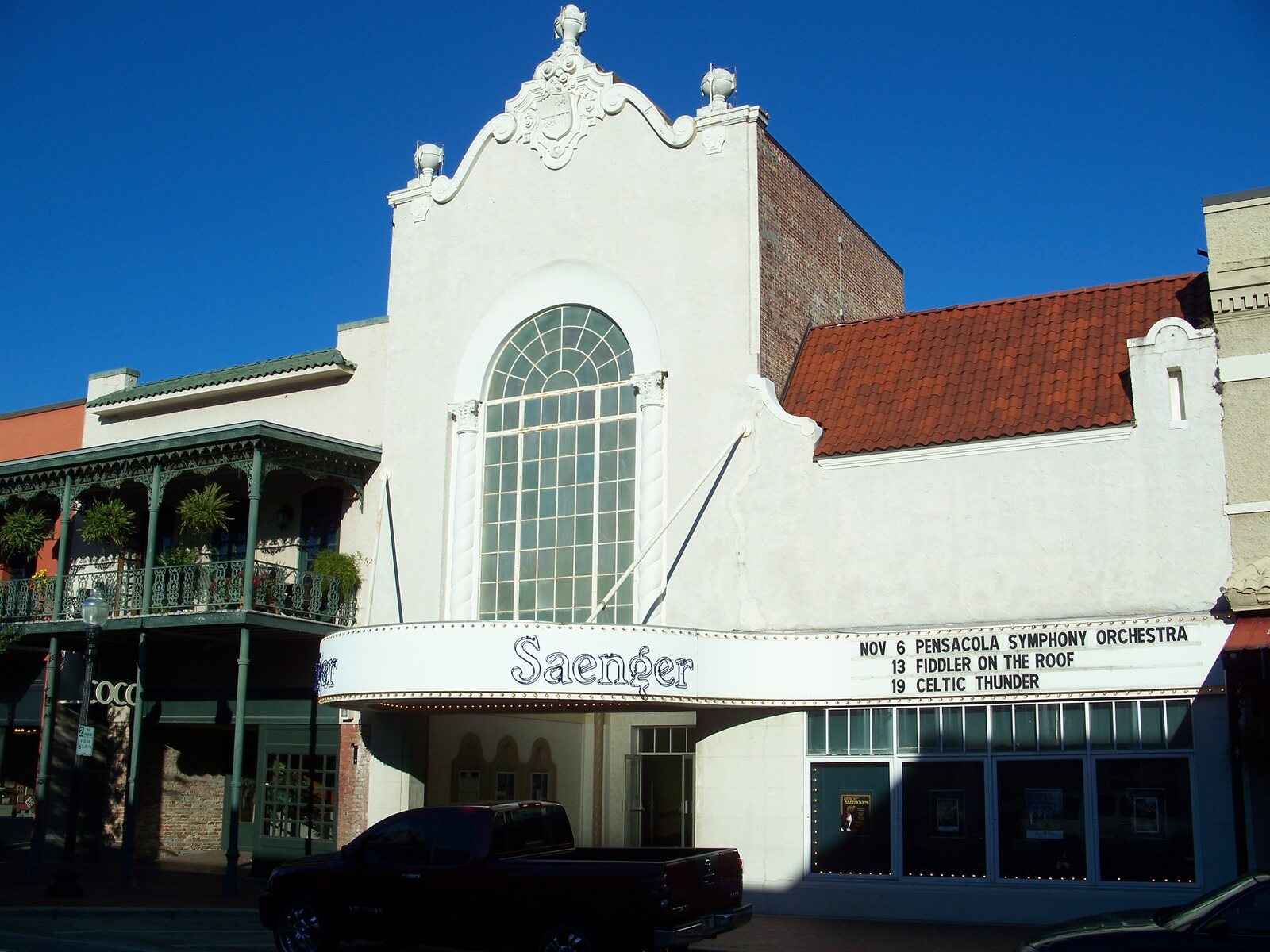
Known as the Grand Dame of Palafox, Pensacola's Saenger Theatre brings a different part of Florida into the picture. Built in 1925 for vaudeville and silent movies, it later faced the possibility of demolition before preservation efforts helped bring it back to life.
The Saenger reopened in 1981 and remains a performing-arts venue. Its history is visible in the decorative interiors, while the programming reflects a much wider range of entertainment than the original audiences would have known. Check the schedule for the kind of evening you want, from music to theater or another live performance.
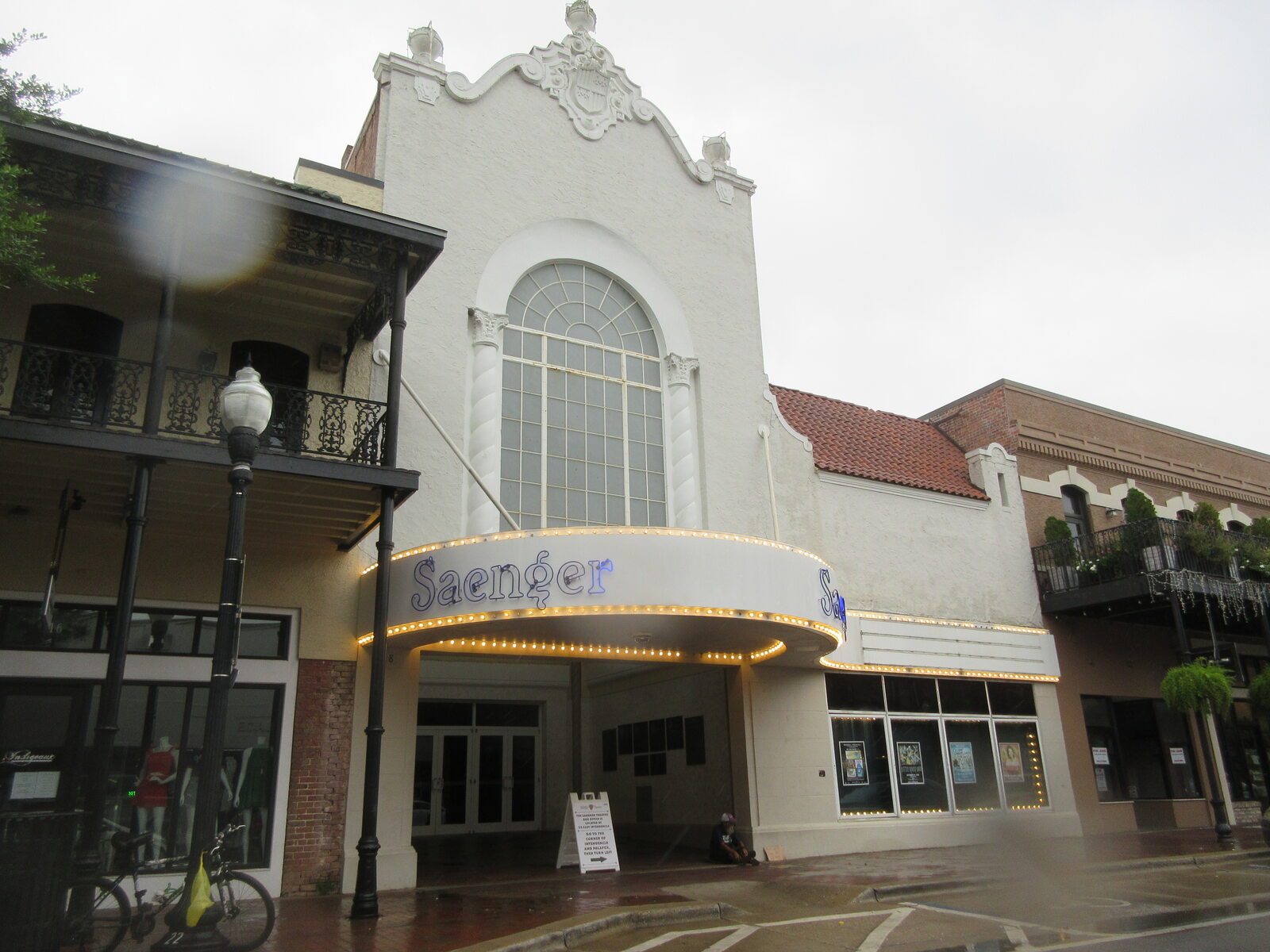
The downtown location makes it easy to build a night around the show. Allow time to walk Palafox Street and choose a nearby meal, but confirm restaurant hours and parking, especially during larger events.
As with the other venues on this list, the best way to experience the building is usually to see it doing the job it was saved to do. Look at current seating and accessibility information before booking, then arrive early enough to take in the space.
6. Sunrise Theatre — Fort Pierce
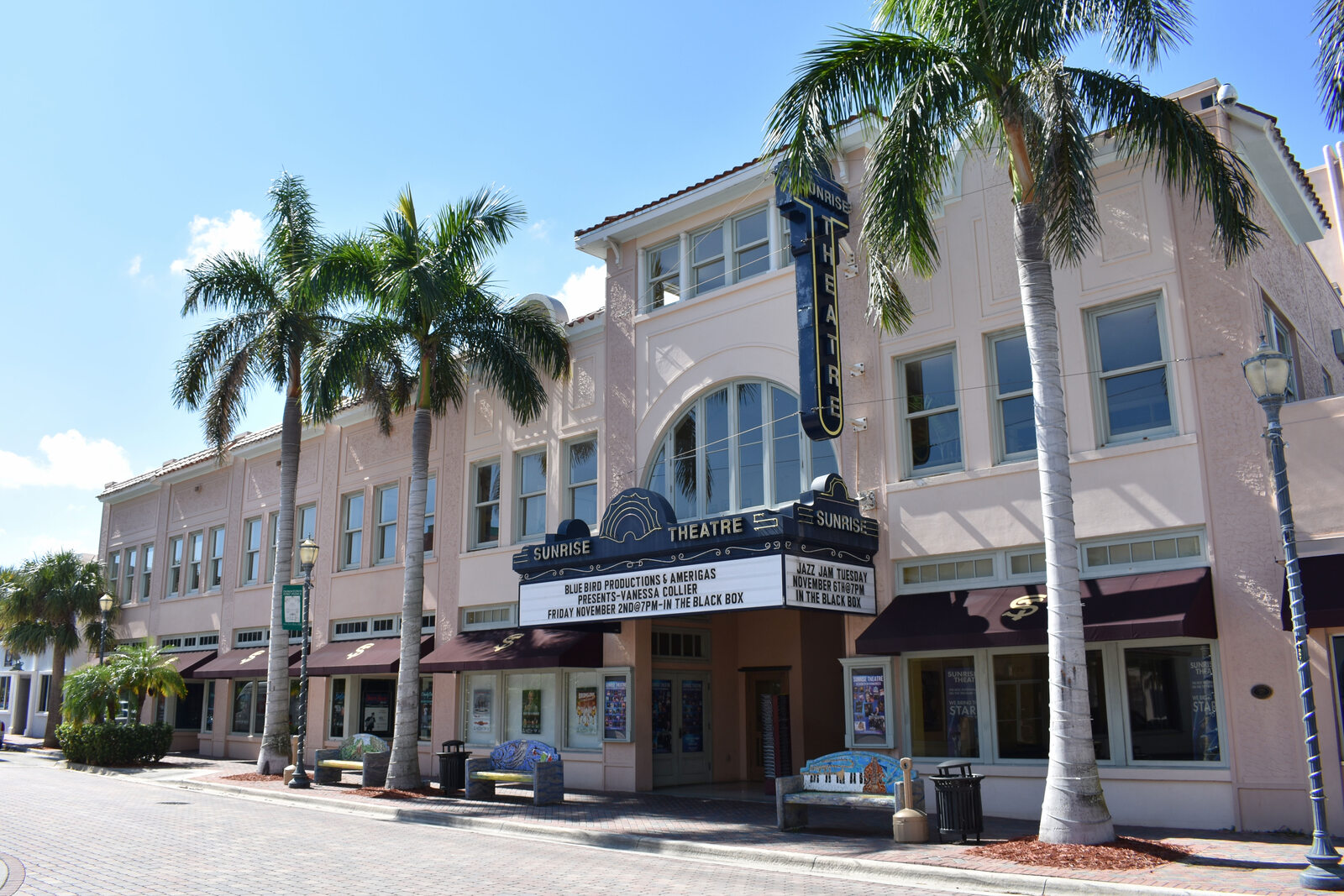
The Sunrise Theatre opened in downtown Fort Pierce in 1923, bringing vaudeville and motion pictures to Florida's Treasure Coast. It closed in 1983 and remained a preservation challenge for years; after a major renovation, it reopened in 2006 as a performing-arts venue.
That second opening gave the city a place for a new generation of audiences to gather. The historic main theater and a separate black-box space can host different kinds of events, so check your ticket and the venue map to understand which room you will visit.
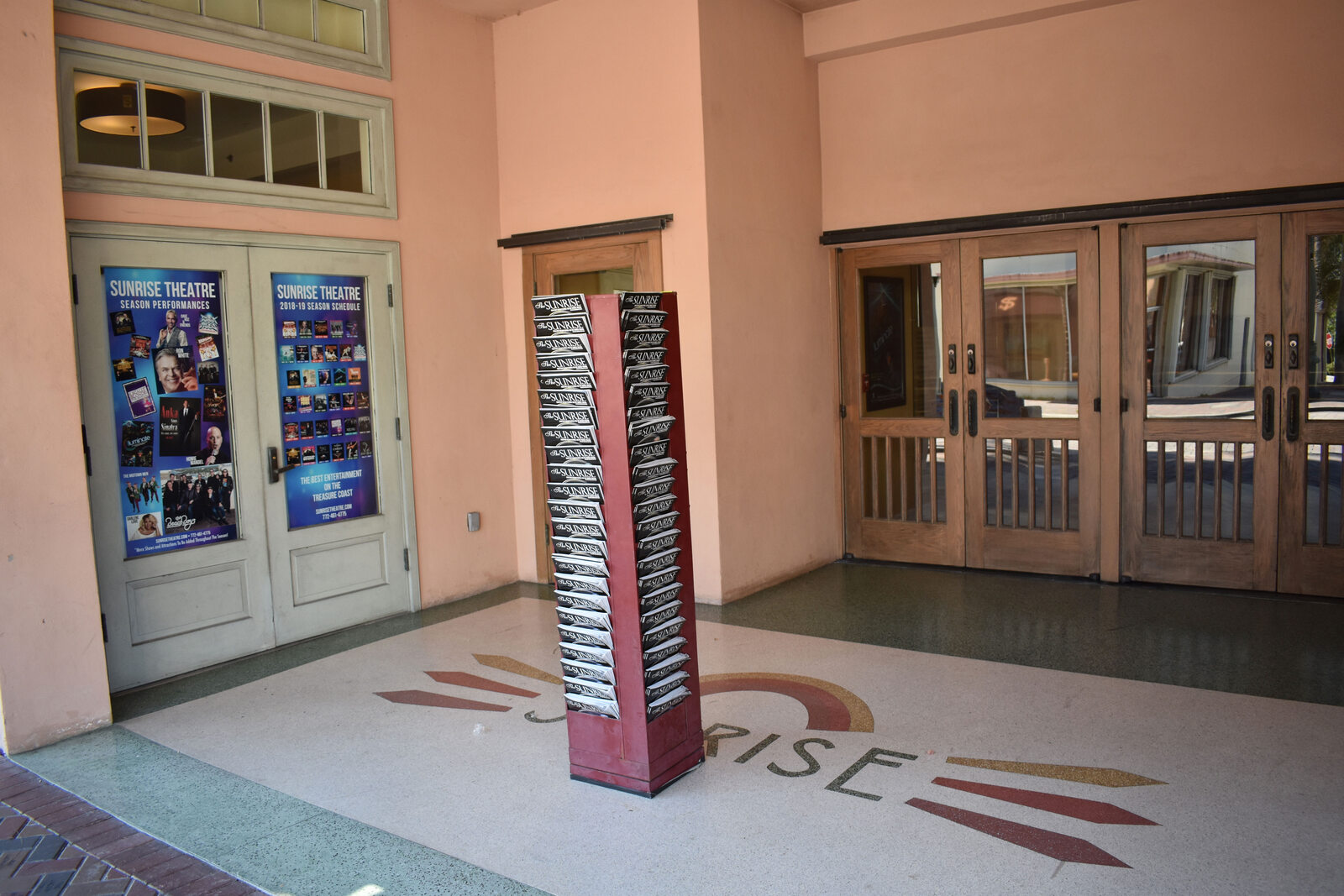
The theater sits downtown within sight of the Indian River, making a waterfront walk and a meal a pleasant pairing with a performance when weather and daylight cooperate. If you are driving from farther down the coast, leave a little extra time for traffic and parking instead of arriving just as the doors close.
The Sunrise shows why preservation is an ongoing effort rather than a single ribbon-cutting. A century-old building needs maintenance, programming and an audience willing to return. A ticket to a show is a chance to enjoy that continuing story firsthand.
Let the building share the spotlight
These theaters are spread across Florida, and their calendars change throughout the year. Pick the performance that interests you, confirm the date and seating, and arrive early enough to notice the architecture. The room may become as memorable as what happens on stage.