Indiana Dunes National Park can surprise a first-time visitor. The Lake Michigan shoreline is the headline, but the park also protects wetlands, wooded trails and places where people made their homes and livelihoods. Its sites are spread along the southern edge of the lake, with communities and roads between them, so a little planning helps turn a collection of stops into a satisfying day.
These five ideas offer a mix of shoreline, hiking and history. Pick a few that suit your group rather than trying to cover the entire park. Check the National Park Service for current alerts, parking and fees before setting out, and remember that the neighboring Indiana Dunes State Park has separate rules and fees.
1. Walk the Shore at Central Beach
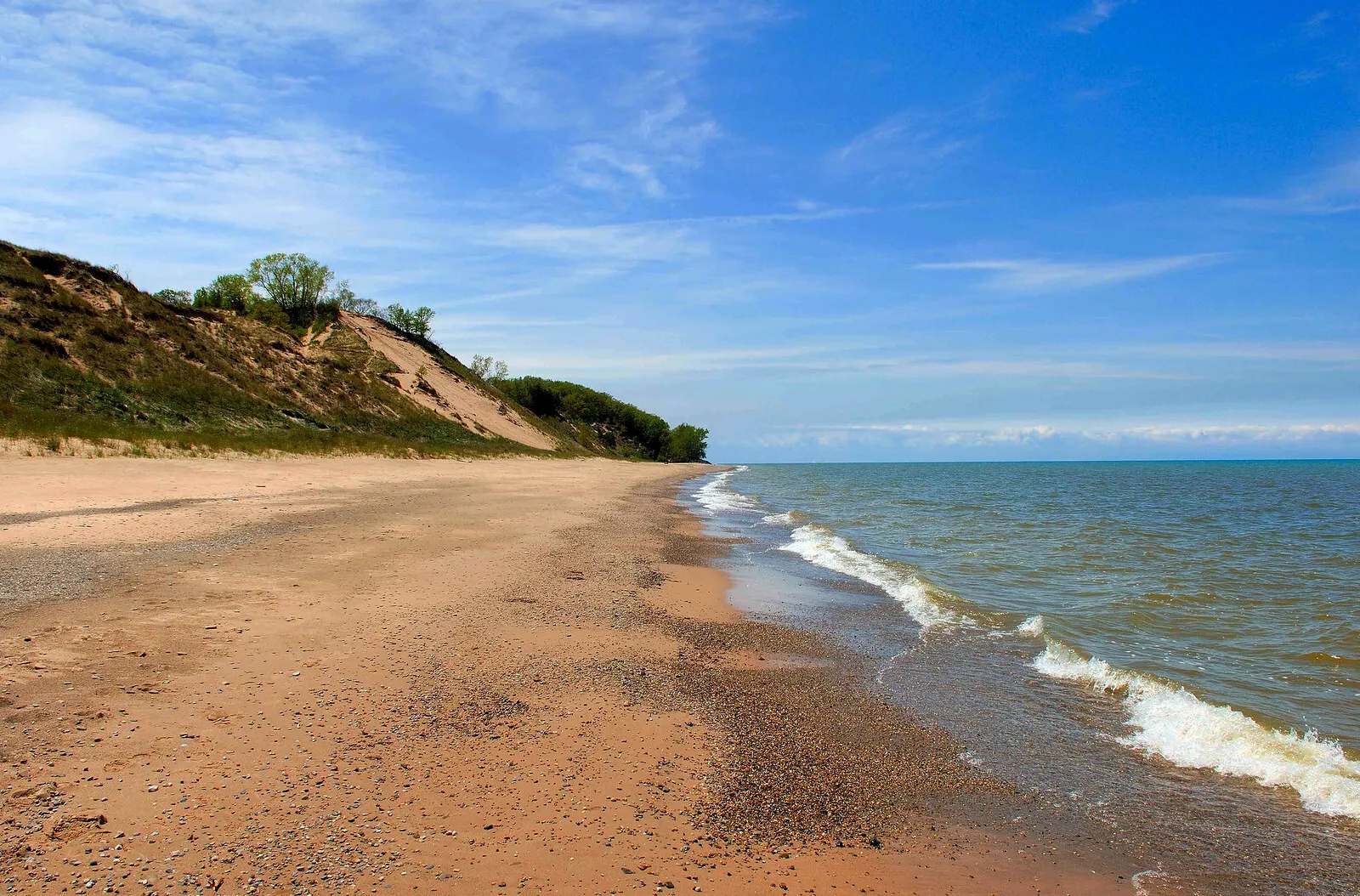
Central Beach is a place to begin with the scale of Lake Michigan. On a clear day the horizon can look more like a seacoast than the edge of an inland lake, while dunes rise behind the sand. The National Park Service provides access information for the beach and its parking area; arrive with a backup destination in mind because popular lots can fill.
Bring water and sun protection, and be prepared for wind or a sudden change in temperature. A short walk on firm-looking sand can feel longer than the same distance on pavement. Keep an eye on the time and leave enough energy for the return to the parking area.
The beach and dunes are living habitat. Stay on designated routes and respect posted seasonal closures, including restrictions intended to protect nesting wildlife. The plant-covered slopes are not a shortcut back to the car, and climbing them can damage fragile vegetation.
If you plan to enter the water, check the forecast and park guidance first. Waves and dangerous currents can develop on Lake Michigan, and conditions can change quickly. Lifeguard availability varies by place and season; never assume a beach is supervised.
2. Climb the Dune Succession Trail at West Beach
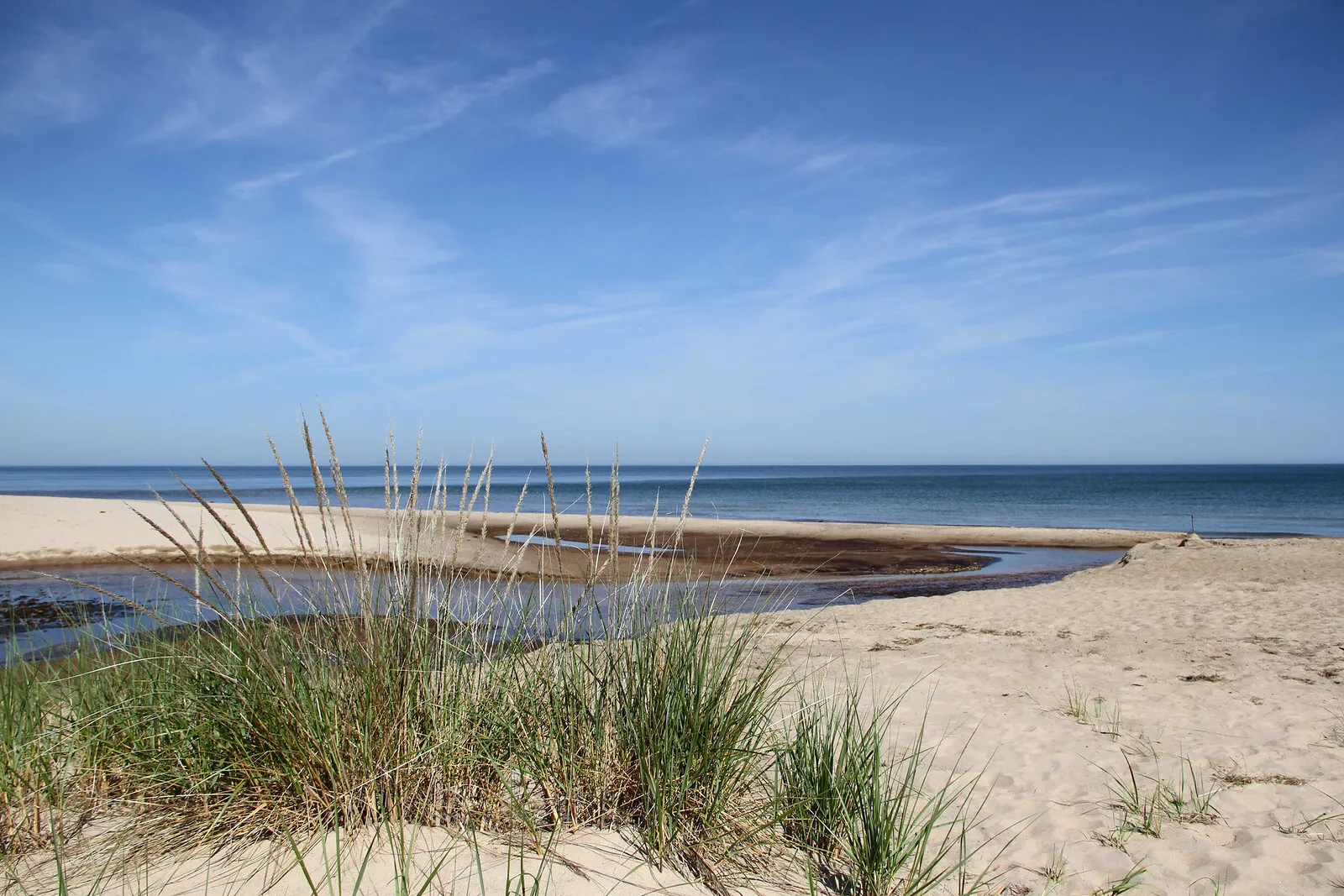
West Beach combines a lakefront visit with trails through several dune habitats. The National Park Service describes the Dune Succession Trail as a roughly 0.9-mile loop with a substantial staircase and views over the lake. It is a useful choice for visitors who want a compact introduction to the way dunes and vegetation change across the landscape.
The stairs are a real part of the outing, so consider the climb before starting and bring plenty of water. A shorter lakeside visit may suit some members of your group better. Ask at the visitor center or consult the park’s accessibility information for alternatives, since sand and stairs make some routes difficult for wheels or people with limited mobility.
The reward for taking your time is a chance to notice more than the view. Grasses, pines and other plants help hold sand in place and provide habitat. Stay on the constructed trail and boardwalk rather than cutting across dunes, and leave room for other hikers on stairs and narrow sections.
West Beach can be busy in warm weather. Check the current parking and entrance information, start early when practical and have another stop in mind. Fees and hours can vary, so use the park’s official page for your visit date.
3. Explore Cowles Bog’s Wetlands and Woods
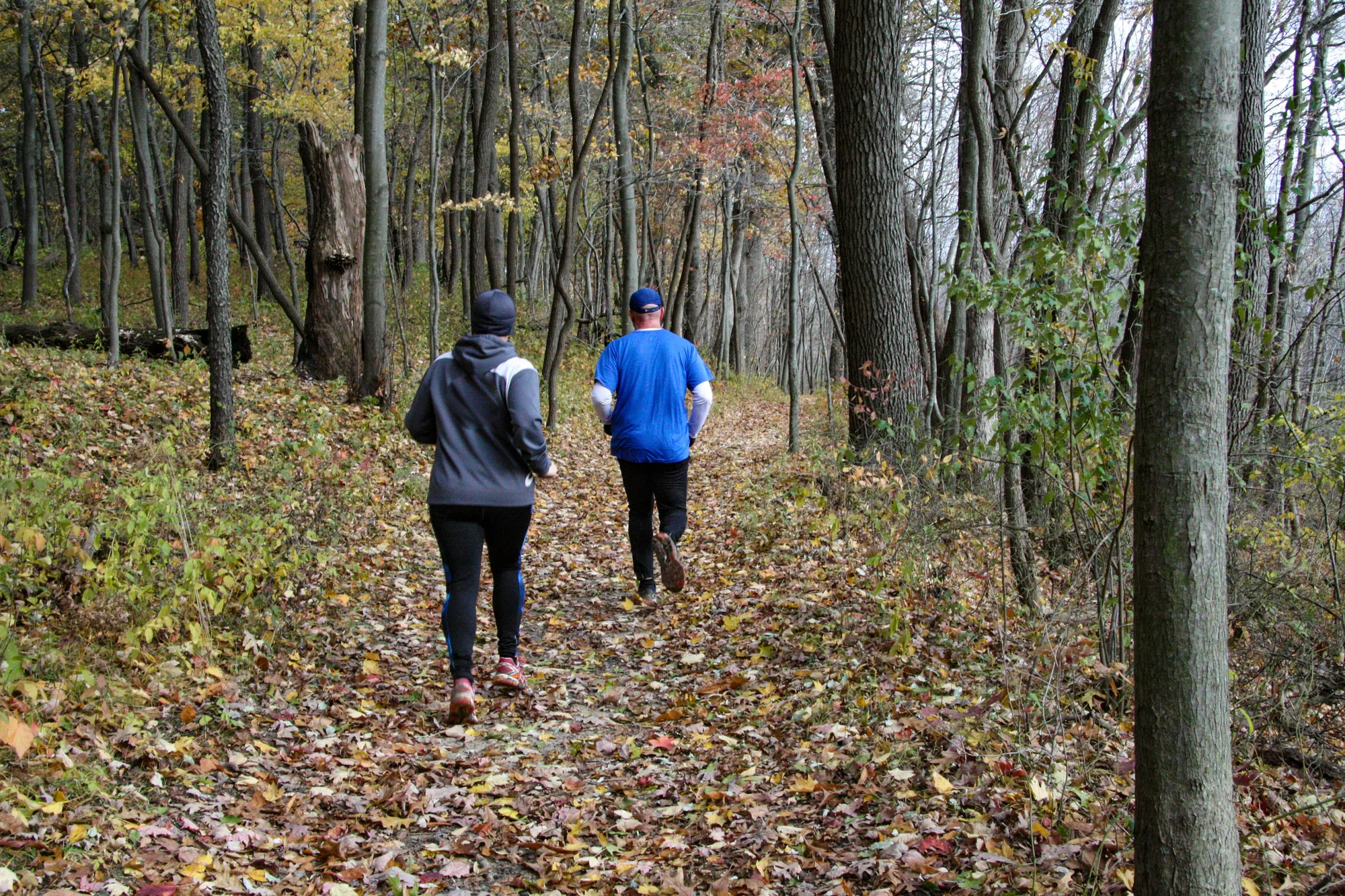
The Cowles Bog Trail shows a different side of the park. The National Park Service highlights the area’s plant diversity and its designation as a National Natural Landmark. The featured hike is substantially longer and more rugged than a quick beach walk, passing through changing habitats and over dunes.
Review the official route and trail map before setting out. The park describes a featured hike of about 4.7 miles; sand, hills and weather can make the effort feel greater than the mileage suggests. Bring water, appropriate footwear and enough daylight, and turn back if conditions or the group’s energy make the full walk unsuitable.
Some sections can be wet, muddy or sandy. Keep to marked trails, avoid trampling sensitive plants and do not rely solely on a phone signal for navigation. A paper or downloaded map is a useful addition to your bag.
Cowles Bog is especially rewarding for a visitor interested in the transition between wetlands, woods and dunes. Slow down to look and listen, but observe wildlife from a distance. The point is to enjoy a protected landscape while leaving it in good condition for the next visitor.
4. Take in the Lake at Portage Lakefront and Riverwalk
For a shorter outing, consider Portage Lakefront and Riverwalk. The National Park Service describes a roughly 0.9-mile featured trail here and recommends the area for observing Lake Michigan through changing seasons and weather. It offers a different perspective from the more demanding dune trails.
Bring a layer even when the forecast inland looks warm. Wind off the lake can make an exposed shoreline feel much cooler, and storms can arrive with little time to spare. Watch conditions around the water and respect any closures of paths or structures.
The riverwalk can make a good first or last stop on a day in the park. Spend a little time watching the lake, then continue to a second location if the weather and your schedule permit. Check the park’s current information for parking, facilities and accessible routes before traveling.
5. Add the Bailly Homestead and Chellberg Farm
Indiana Dunes is also a place to learn about the people who lived and worked in the region. The Bailly Homestead and Chellberg Farm area connects a woodland visit with stories of settlement and farming. The National Park Service lists these historic places among the features accessible from its hiking network.
Treat the buildings and grounds as historic resources: stay on designated routes and follow signs about access. Interiors or special programs may not be available every day, so check the park’s calendar if a guided experience is the reason for your visit. A walk around the grounds can still be worthwhile when buildings are closed, provided the area itself is open.
The contrast with a beach stop helps explain why the park is more than a strip of sand. Allow time for the interpretive signs and a woodland walk, then use the visitor center or park website to plan a return trip. Separate sites may require separate drives, so keep travel time between stops in your itinerary.