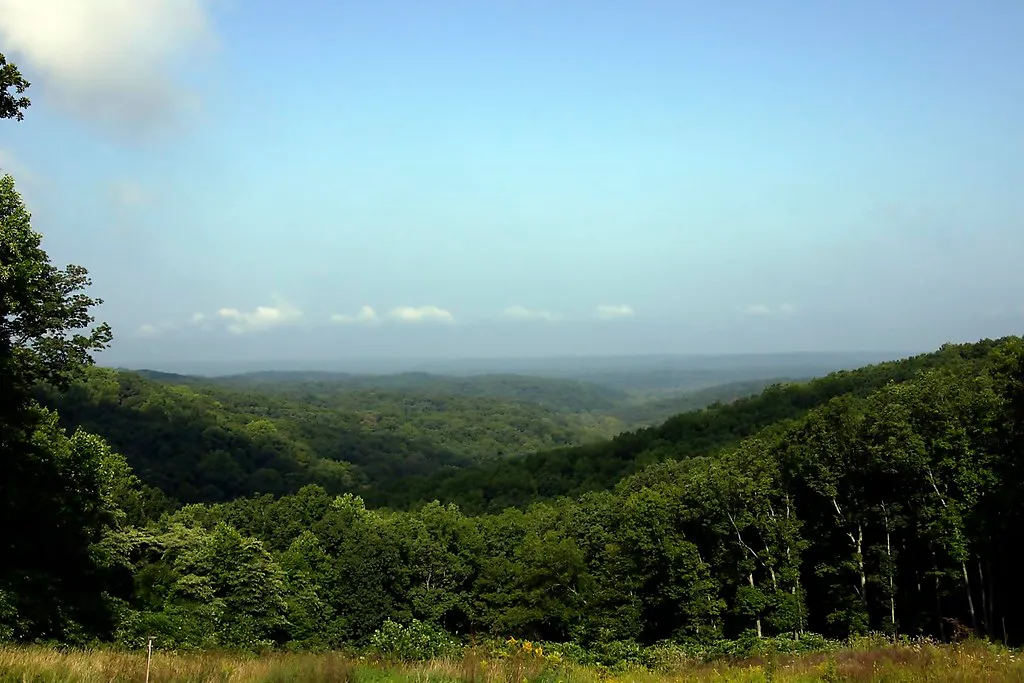
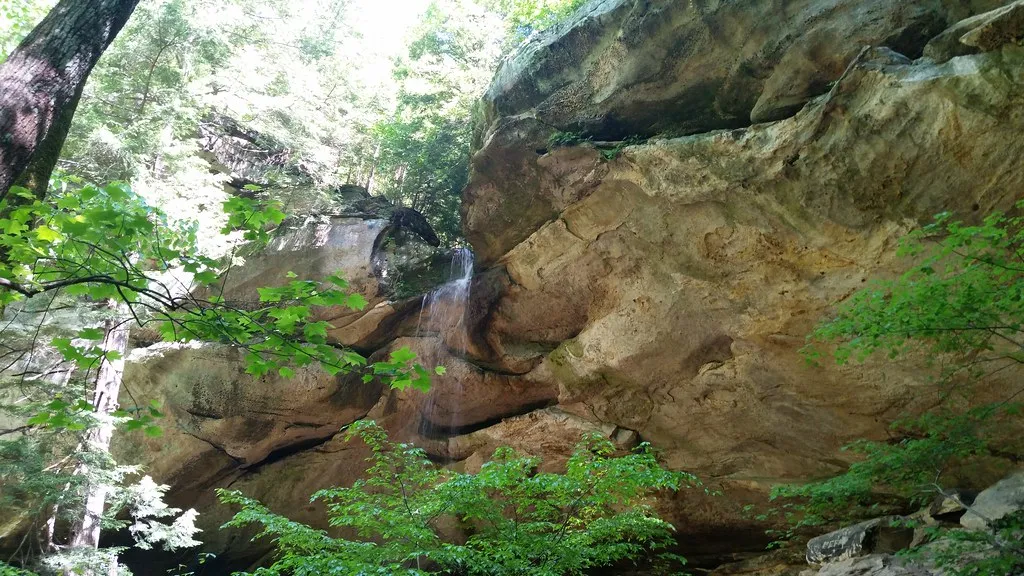
Turkey Run State Park feels like a different sort of Indiana landscape. Sandstone ravines, wooded slopes and Sugar Creek create a setting where a short walk can lead to a very different view. The park in Parke County is popular for good reason, but its trails are not all alike: some are gentle woodland walks, while others involve ladders, streambeds and slippery rock.
The best first visit starts with a realistic plan. Check the Indiana Department of Natural Resources for current trail alerts, road access, fees and weather. Choose an outing that fits the least-experienced person in your group, and give the park enough time that you do not have to hurry through the most difficult sections.
1. Start With the Park Map and Current Alerts
Stop for a map or download one before arriving. Turkey Run’s trail descriptions use difficulty ratings, but mileage alone does not tell the whole story. Indiana DNR notes that portions of trails use ravine streambeds and can become slippery, uneven or impassable during high water.
Read the latest advisory before choosing a route. Flood damage, repairs and weather can change access, and an older trip report may not reflect the conditions you find. Ask park staff which trails are appropriate for your group and how long to allow for the route you have in mind.
Wear shoes with good traction, carry water and leave room in the schedule for a slower pace. If rain is forecast or recent storms have raised the water, pick a safer alternative. No overlook is worth stepping into a flooded ravine or ignoring a posted closure.
The park charges entrance fees, with different rates or passes depending on residency and eligibility. Check the official current fee information rather than relying on an old price in a travel post. Camping, lodging and other services have their own reservation and seasonal considerations.
2. Cross Toward the Ravines and Look Closely
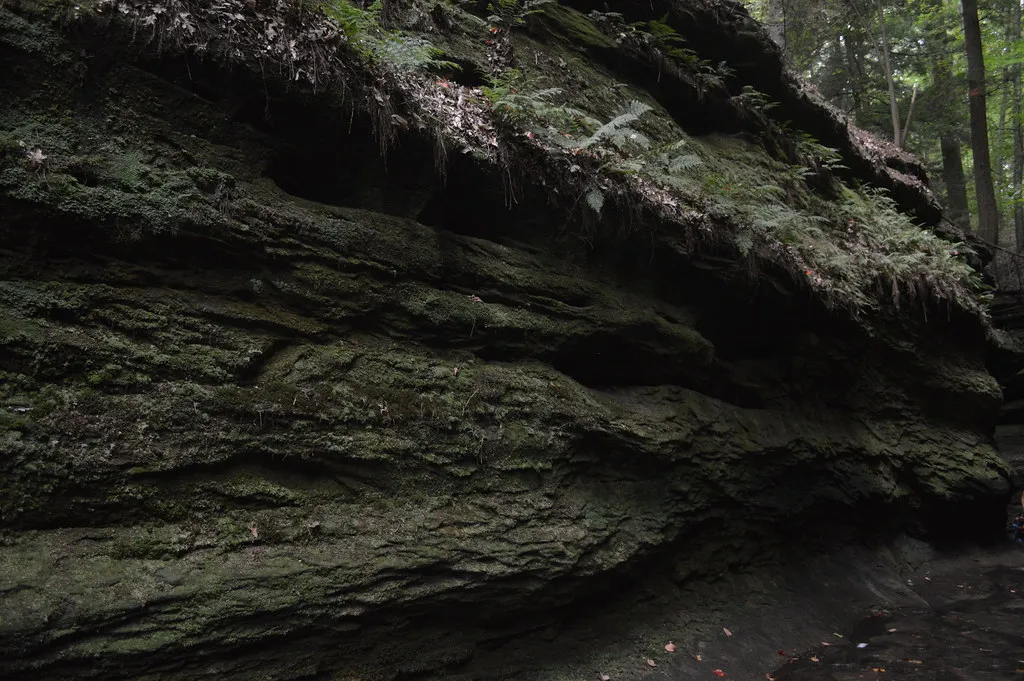
The park’s famous ravines show how water and time shaped the sandstone. The wooded setting can feel cool and sheltered, with moss, ferns and rock layers inviting a slower look. Stay on designated paths and avoid climbing on fragile formations or stepping into areas closed for safety or resource protection.
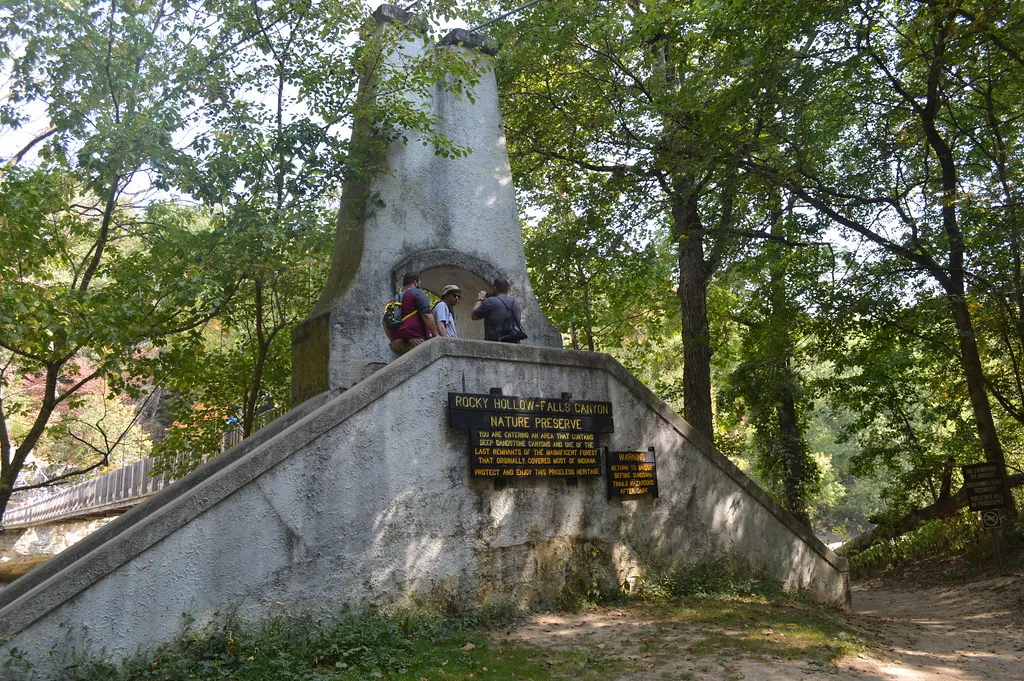
The suspension bridge provides access toward some of the park’s best-known trails, but a bridge crossing does not make every route beyond it easy. Read the map at the junction and be ready to change plans. A shorter walk with careful footing can be more satisfying than a longer route that becomes stressful halfway through.
Rain and seasonal conditions can change the appearance of the ravines. Small cascades may be flowing after wet weather and much quieter at other times. Watch where you place your feet, particularly on damp stone, and give other hikers room at narrow passages.
Leave plants, rocks and wildlife undisturbed. The park’s beauty depends on visitors staying within marked areas and carrying out their trash, especially where narrow trails concentrate foot traffic.
3. Understand the Ladder Trails Before You Choose One
Turkey Run is known for rugged routes that include ladders, stairs and uneven terrain. Indiana DNR describes Trail 3 as very rugged and warns that its ladders may be hazardous for some visitors. The park advises people with small children and pets to choose alternative trails where ladders pose a problem.
That warning is worth taking seriously before the group commits. Consider heights, balance, footwear and whether every person can safely climb and descend. Do not assume a ladder route is appropriate because it is popular or because a short distance looks manageable on a map.
If the conditions or the group are not right, choose another trail. The park also lists easier options, including a short walk to the Lieber Memorial and Log Church area. Check the official map and current alerts to confirm the route is open and suitable.
Take your time at narrow places and do not pressure other visitors to move faster. A turnaround is a normal part of a good outdoor plan when water, weather or fatigue makes continuing unwise.
4. Make Time for Sugar Creek
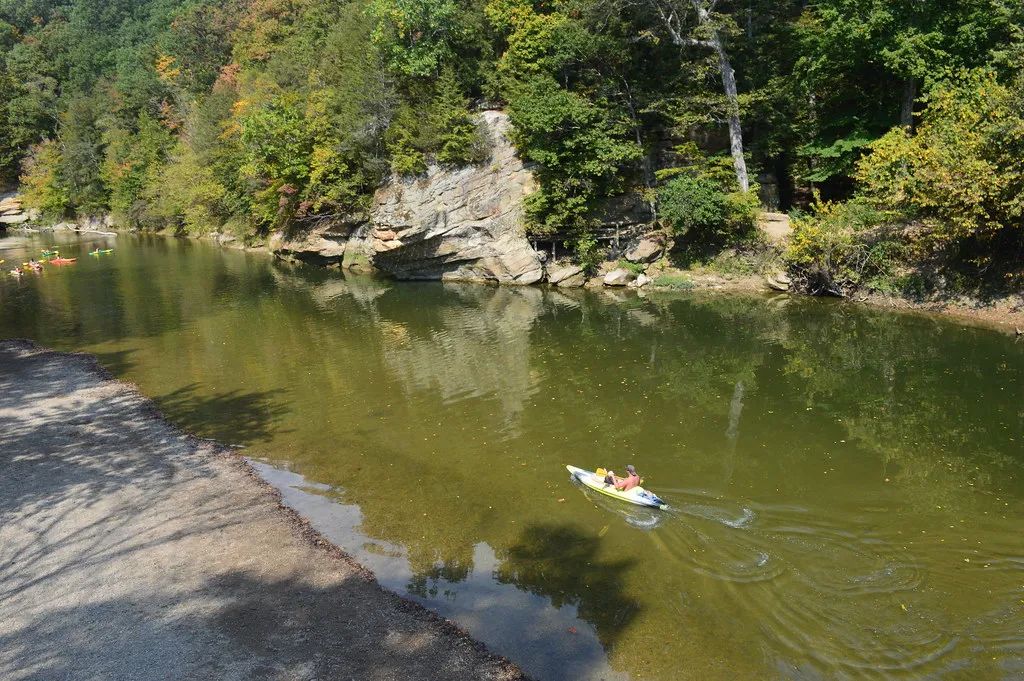
Sugar Creek is part of the park’s scenery and can be enjoyed from appropriate overlooks or established paths. A break near the water offers a contrast to the enclosed ravines, and it is a good place to pause before choosing what to do next.
Visitors who plan to paddle should check water levels, weather, access points and current guidance with the park or a qualified local outfitter. River conditions can change after rain, and a calm-looking section does not guarantee that a downstream stretch will be equally forgiving. Wear a properly fitted life jacket and choose an outing suited to your experience.
If you are staying on shore, observe from safe, designated areas and keep a close watch on children. Avoid unstable banks and never enter floodwater. The photograph shows paddlers on the creek; it does not represent a guarantee of safe conditions on any particular day.
5. Leave Room for Parke County
Turkey Run sits in a county known for covered bridges and rural roads. A visitor with more time can pair the park with a separate drive through Parke County, using the local tourism office’s route information and checking the status of individual bridges before traveling.
Treat narrow bridges and country roads with care. Pull over only where it is legal and safe, watch for traffic and respect nearby private property. Shops, tours and seasonal events may keep different schedules from the state park, so verify anything essential to the trip.
Back at Turkey Run, a relaxed visit might end with a picnic or a short woodland walk rather than another difficult hike. The park is large enough to reward a return visit, and leaving with energy to spare is a good reason to come back.