Long before Abraham Lincoln became president, he spent fourteen formative years in southern Indiana. Lincoln Boyhood National Memorial in Spencer County preserves and interprets the setting associated with that part of his life. A visit combines a museum, woodland trails, a pioneer cemetery and a historical farm that helps visitors imagine daily work on an early nineteenth-century homestead.
Plan for at least a couple of hours if you want to see the principal stops. The National Park Service says the grounds are open during daylight hours, while visitor center hours and staffing at the farm can differ. Check current schedules before traveling, and remember that the memorial is in the Central Time Zone.
1. Begin at the Memorial Visitor Center
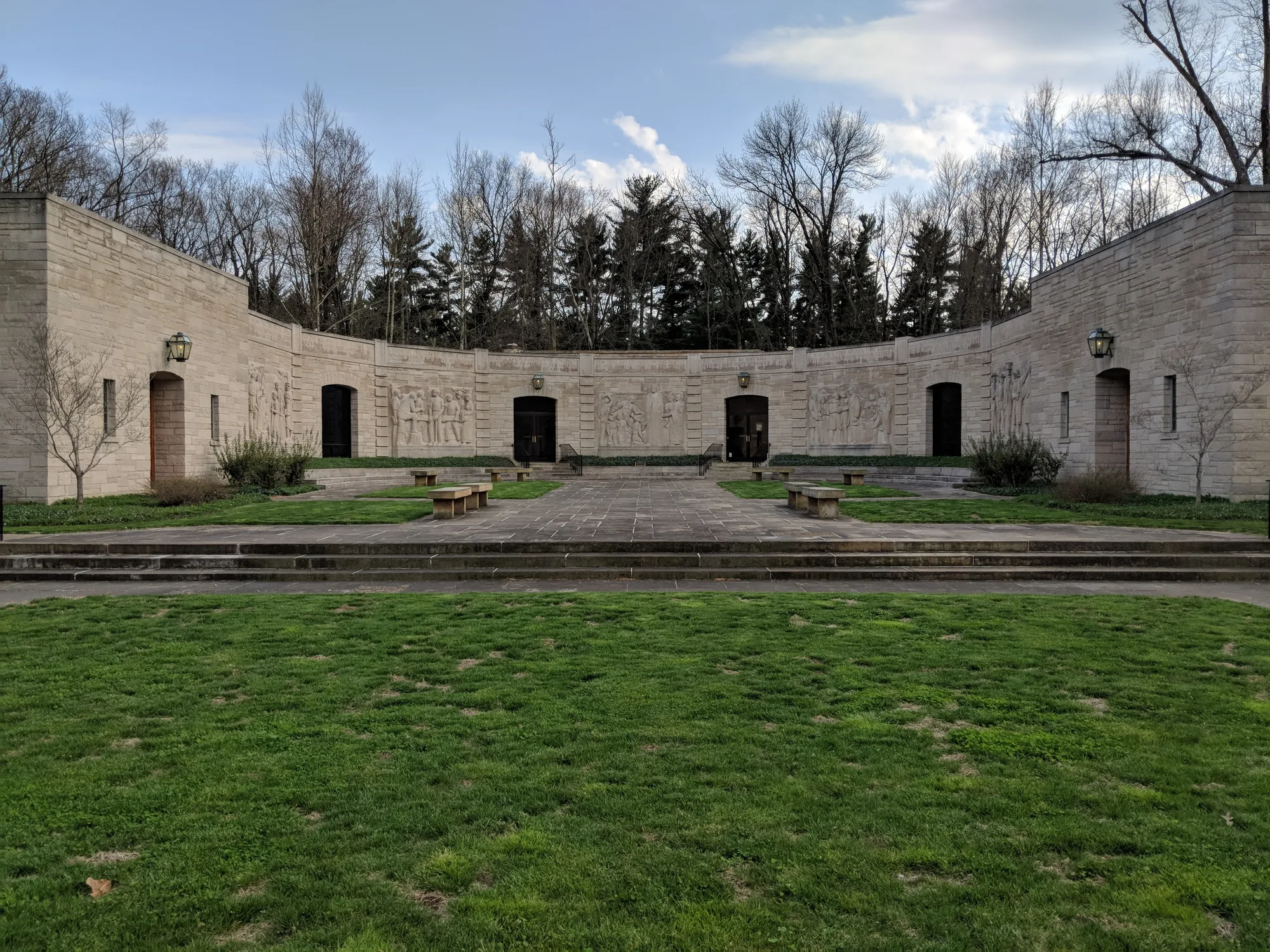
The limestone Memorial Visitor Center is a useful first stop for a map and an introduction to Lincoln’s Indiana years. The building includes memorial halls and a museum, with exhibits that place his childhood and later life in context. An orientation film is available; ask staff about showtimes and current services.
Before heading outside, take a moment to look at the sculptured panels on the building. They present chapters of Lincoln’s life, giving the visitor a broader timeline before the trails focus attention on the landscape of his youth. Pick up a trail guide and ask about current accessibility, weather or closures.
Lincoln and his family moved to Indiana in 1816 and left for Illinois in 1830. The memorial is an opportunity to explore the years between those dates without imagining that every surviving feature looks exactly as it did then. The visitor center helps distinguish the historical place from the later efforts to commemorate it.
The center does not necessarily keep the same hours as the grounds. If a film or museum visit is important to your day, confirm the current schedule and holiday closures with the National Park Service before setting out.
2. Visit the Living Historical Farm
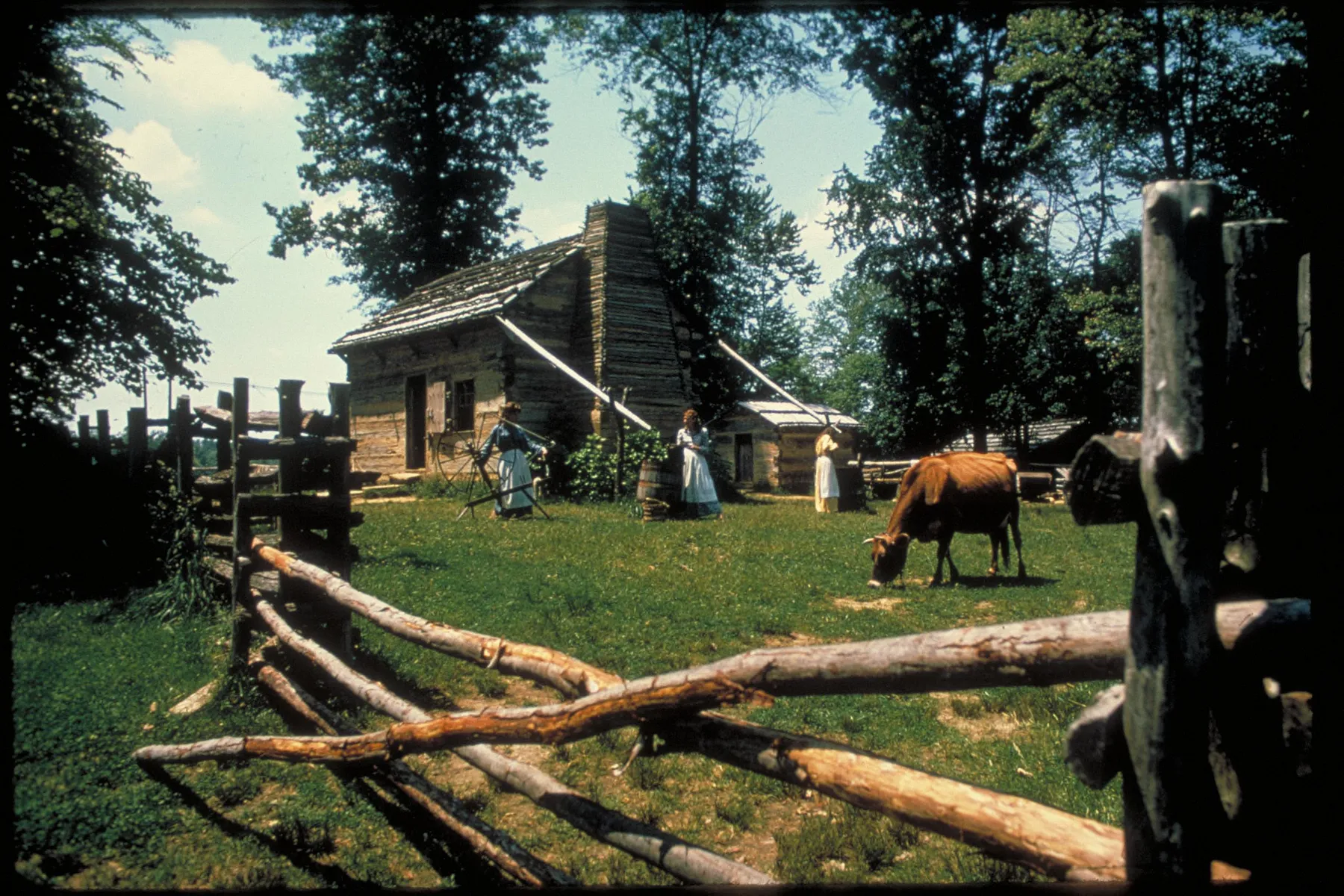
The Living Historical Farm is designed to show what an Indiana farm of Lincoln’s era might have been like. The National Park Service is clear about an important distinction: the farm buildings are not original structures from the Lincolns’ time. They are part of a historical interpretation based on what is known about farming and family life in the period.
When staff are available, interpreters may demonstrate a range of everyday tasks, from gardening and tending animals to food preparation and traditional crafts. Activities vary, and the farm is staffed seasonally as resources allow. Check the park’s current information rather than counting on a particular demonstration or an open building.
Even when interpreters are not present, visitors can generally see the farm as an outdoor exhibit during park hours. Walk slowly, read the signs and imagine how much labor went into ordinary needs such as food, clothing, shelter and heat. Keep a respectful distance from animals and follow instructions from staff and posted signs.
The farm works particularly well for families if children are encouraged to compare the tasks with their own routines. A good visit is less about finding a perfect replica of one moment and more about understanding the work and choices that shaped life on the Indiana frontier.
Near the farm, the Cabin Site Memorial marks the traditional site of one of the Lincoln family’s cabins. The National Park Service describes a bronze casting of sill logs and a fireplace surrounded by a stone retaining wall. It is a memorial representation of the site, not an original cabin that has stood there since Lincoln’s childhood.
That distinction makes the stop more interesting, not less. Visitors can consider both the early family history and the later generations who chose to mark the place. Read the interpretation around the site and allow a few minutes to orient yourself to the surrounding land.
The memorial connects naturally with a longer walk. Paths link the farm area with the cemetery and other park features, but surfaces and grades vary. Check the current trail guide and ask about the route that best fits your group, particularly after rain or if anyone uses a mobility device.
3. Walk the Trail of Twelve Stones
The Trail of Twelve Stones provides a compact way to follow events in Lincoln’s life beyond Indiana. The National Park Service describes the route as approximately half a mile, with stones arranged in chronological order and small tablets explaining their associations. The trail connects the area near the cabin site with the Pioneer Cemetery.
The stones come from places linked to different parts of the story. Rather than rushing through them, pause to read the tablets and see how the events of a much larger life fit together. Benches provide places to stop along the route, though visitors should check current conditions and accessibility guidance before choosing it.
Keep in mind that the stones form a commemorative trail created after Lincoln’s lifetime. They are historical markers and a way of telling his story, rather than evidence that every event they represent occurred on this ground.
4. Pause at the Pioneer Cemetery
The Pioneer Cemetery is the burial place of Nancy Hanks Lincoln, Abraham Lincoln’s mother, along with other pioneers and local residents. The National Park Service identifies it as a key part of the memorial landscape. It is a quiet place to consider the family losses that were part of Lincoln’s early life in Indiana.
As at any cemetery, walk respectfully, stay on designated paths and avoid disturbing markers or plantings. The park’s information can help visitors distinguish documented graves from the broader community history associated with the site.
Before you leave, return to the visitor center or consult the park’s website for anything you missed. Grounds, exhibits and programs operate on different schedules; building your day around those differences makes the visit calmer and leaves more time for the stories the memorial preserves.