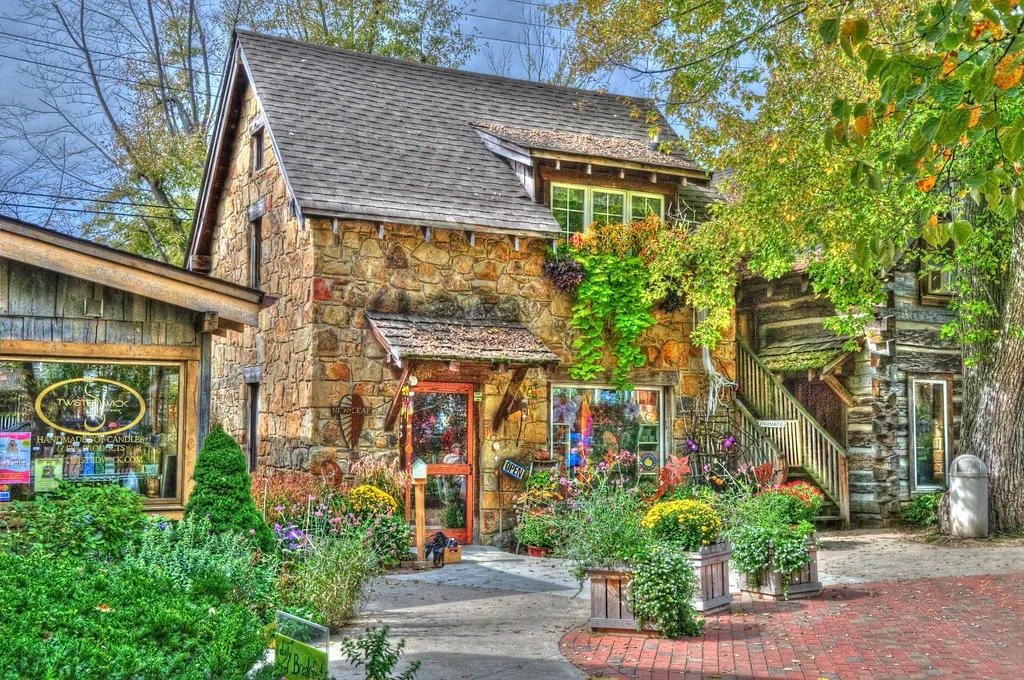
New Harmony is a small town on the Wabash River with an unusually ambitious history. In the nineteenth century, two communities came here with different visions of how people might live together. Today, historic buildings, gardens and modern architecture invite visitors to explore those ideas at a walking pace.
Several organizations manage sites in town, so a little advance planning helps. Check current opening hours, admission and tour availability with the individual operator, and remember that New Harmony is in the Central Time Zone. Allow a few hours for a first visit and more if you want a guided tour.
1. Get Oriented at the Atheneum
The Atheneum serves as the visitor center for Historic New Harmony and is an architectural landmark in its own right. The University of Southern Indiana describes the building as a design by Richard Meier, completed in 1979. Stop in for a map, current information and details about tours operated by Historic New Harmony.
The building introduces an important theme of a visit: New Harmony is more than a collection of nineteenth-century structures. Later generations added places intended for art, reflection and learning, creating a town where old and new stand close together.
The Atheneum has its own seasonal schedule. Check the university’s current visitor information before setting out, especially in winter or around holidays. If it is closed, consult an official map in advance and confirm which outdoor sites remain accessible.
The historic district is compact enough for a walk, but allow time between stops and watch for traffic. Visitors with accessibility needs can contact the operators ahead of time about routes, transportation and building access.
2. Learn About the Harmonists and Owenites
New Harmony State Historic Site interprets two early American experiments in community life. The Harmony Society, a religious group led by George Rapp, moved to Indiana in 1814. In 1825, the Harmonists sold the settlement to Robert Owen, who, with William Maclure, pursued a different vision centered on education and social reform.
The Indiana State Museum and Historic Sites operates a group of historic properties and offers guided tours. The stories are more nuanced than a simple success-or-failure label: visitors can consider what each group hoped to accomplish, how daily life was organized and why the experiments changed over time.
Tours of historic interiors require tickets and operate on a schedule. The operator recommends reserving ahead, especially on busy days. Check the current details before traveling, since tour times, capacity, photography rules and admission can change. State historic-site tours and tours offered by Historic New Harmony are separate offerings.
Give yourself time after the tour to walk through town with the new context in mind. Buildings and streets can look different once you have heard how people worked, learned and lived within them. Respect private property and enter buildings only where public access is provided.
3. Walk a Labyrinth and Find a Quiet Garden
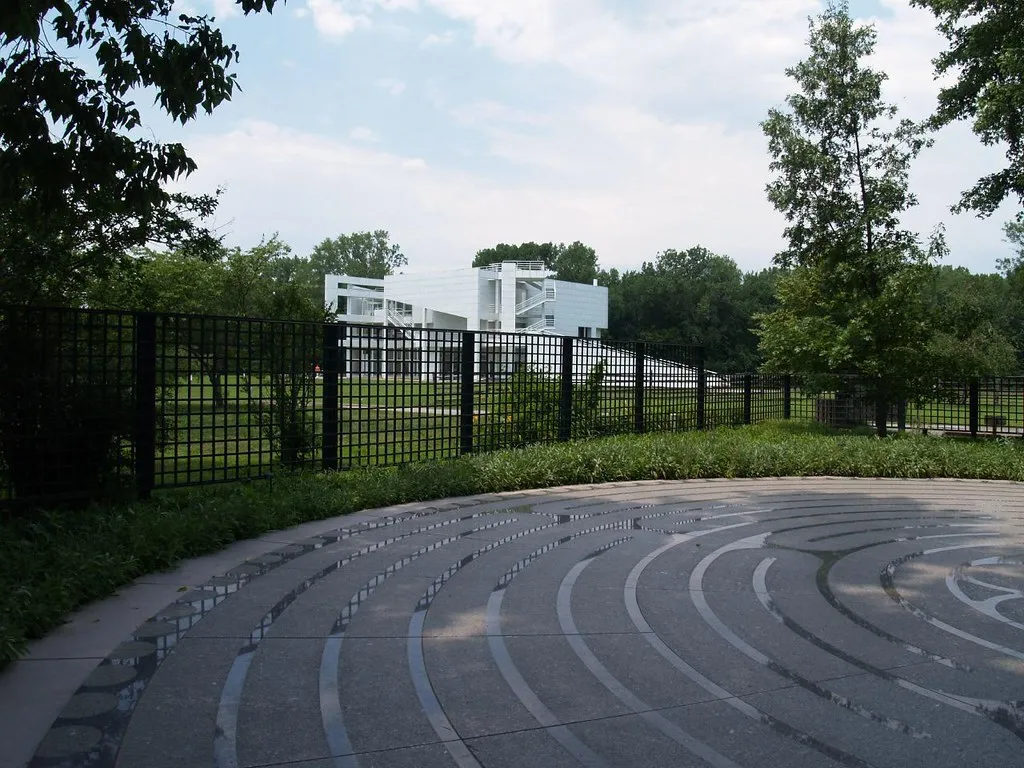
New Harmony has more than one labyrinth, so it is worth checking the name and location when planning a visit. The Harmonist Labyrinth is associated with the state historic site, while the Cathedral Labyrinth is a different, later place for reflection. The photograph shows the Cathedral Labyrinth with the Atheneum visible in the distance.
Walk slowly and give other visitors space. A labyrinth is usually followed along a continuous path rather than solved as a maze of dead ends; the experience is more about taking time than finding a shortcut. Check the managing organization for current hours and access before visiting either location.
Historic New Harmony also describes Church Park, a formal garden on the site of earlier Harmonist churches. The Roofless Church offers another reflective setting. These are places where a quiet visit is appropriate; respect signs, services, other visitors and any scheduled events.
Outdoor surfaces and shade vary. Carry water in warm weather, wear comfortable shoes and ask the visitor center about accessibility if you need a route without steps or uneven ground.
4. Explore Main Street and the River Setting
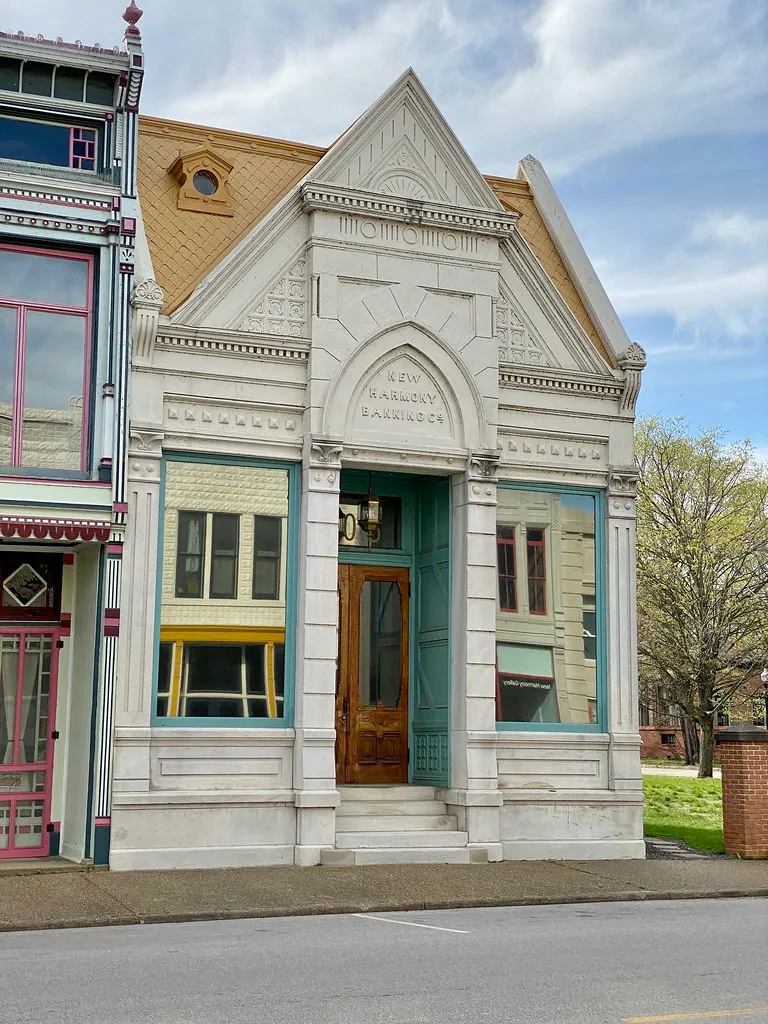
Leave time to look around Main Street and the nearby blocks rather than moving directly from one tour to the next. Historic commercial buildings, shops and places to eat add a contemporary small-town layer to the history. The pictured former bank building is an exterior view, and its current use may differ from the photograph.
Check individual business hours, which can vary through the week and by season. If you are hoping for a particular meal or shop, confirm it directly. A flexible plan makes it easier to enjoy an unexpected find without rushing to the next reservation.
The Wabash River helps explain why people chose this location, though the town’s relationship with the water has changed over time. Use established public paths and viewing areas, and keep away from the bank when water levels or weather make it unsafe.
Before leaving, consider what you want to see on a return visit. One trip might focus on the historic communities, another on architecture, gardens or art. New Harmony’s appeal lies partly in the way those subjects overlap within a place small enough to explore slowly.