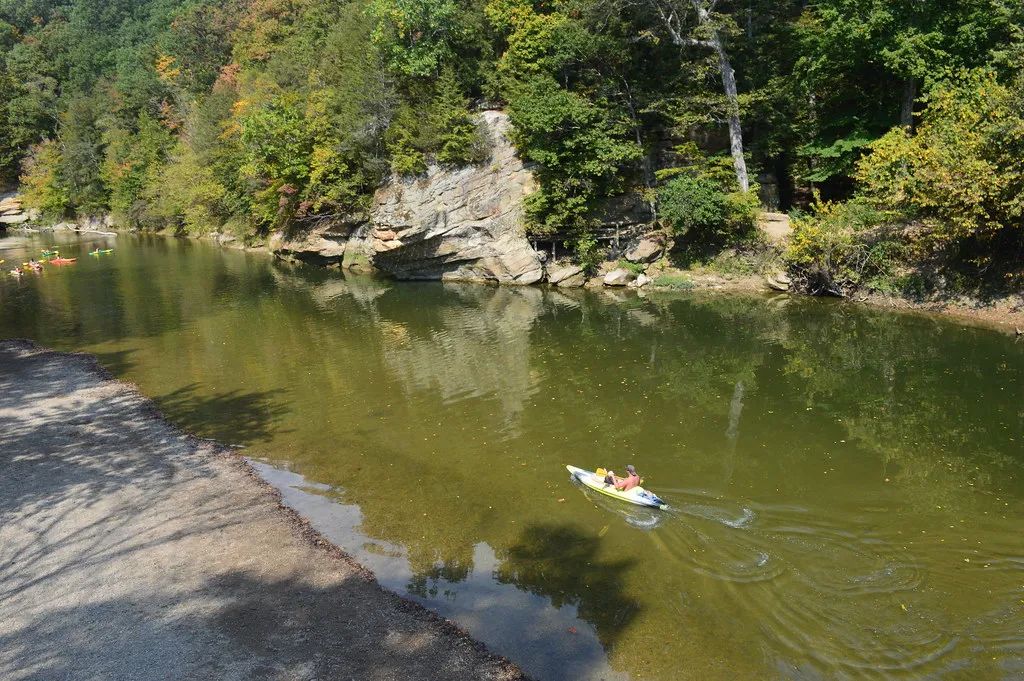
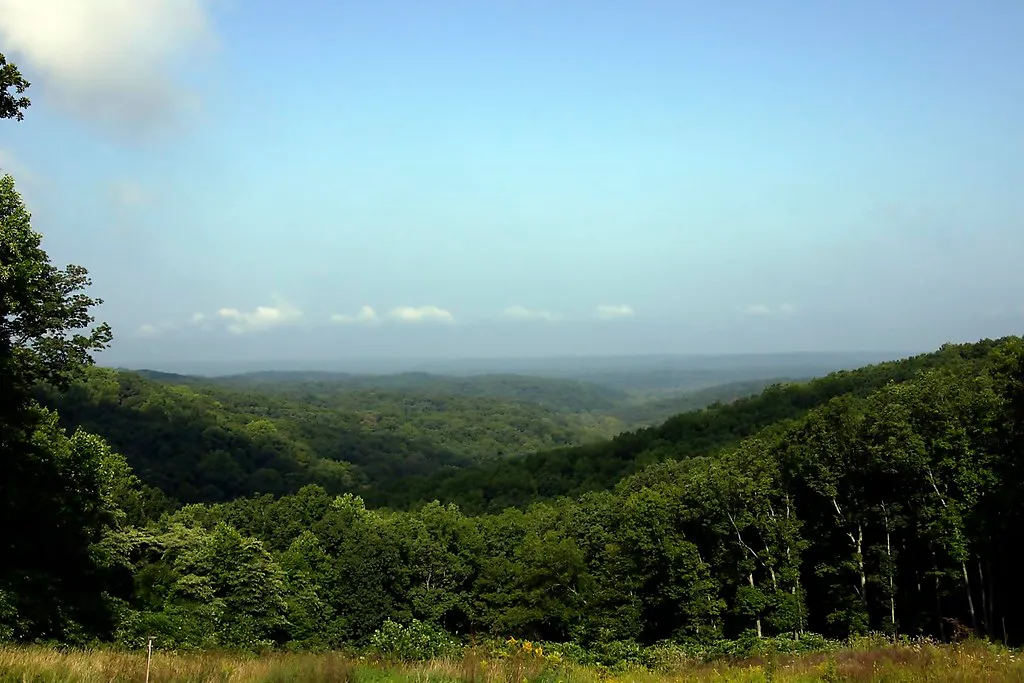
Indiana’s memorable small-city trips do not all look alike. One stop offers an Ohio River walk and historic storefronts; another pairs galleries with wooded hills. Two Wabash River communities add stories of territorial government, community experiments and architecture.
These four places make rewarding separate getaways rather than a single route to race through. Use each town’s visitor information to check hours and plan a comfortable pace. The photos were taken on earlier visits; businesses, displays and access can change over time.
1. Madison: Main Street and the Ohio River
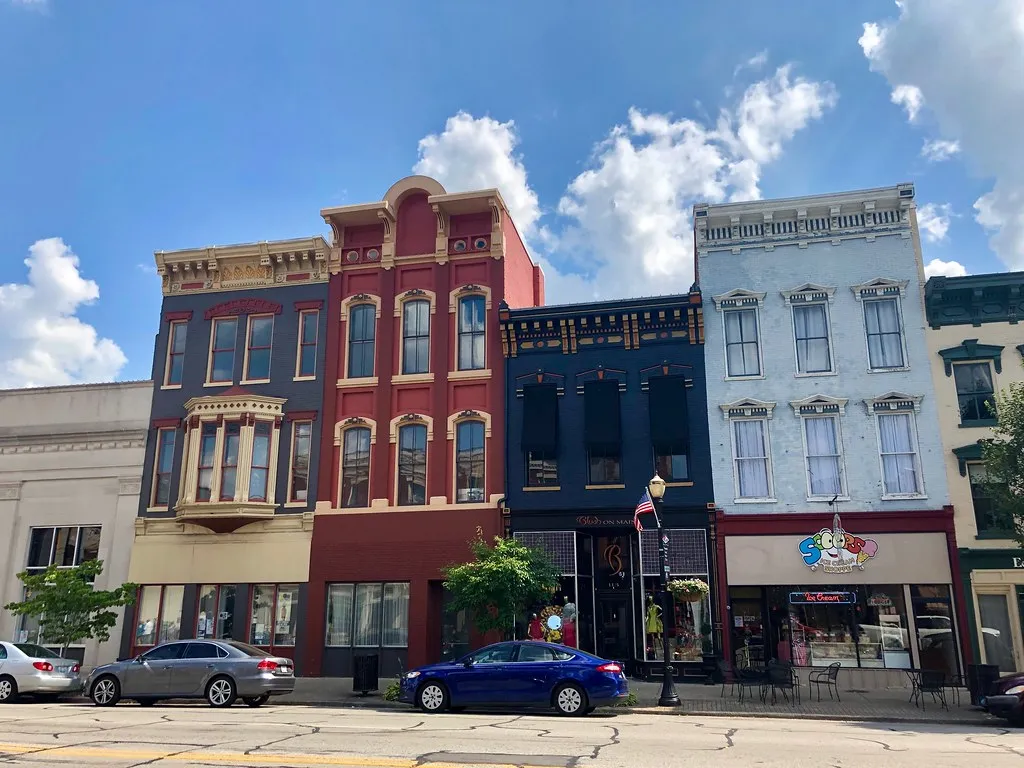
Madison’s historic downtown is a natural place to park and walk. Look up at the upper stories along Main Street, browse the independent businesses that interest you and stop at the Broadway Fountain. The local tourism office describes the fountain as a longstanding downtown landmark with roots in the 1876 Philadelphia Centennial Exposition.
The Ohio River is close enough to become part of the same outing. Walk along the public riverfront, take a break on a bench and watch the changing water and boat traffic. Follow local signs and stay away from unsafe banks when the river is high or the weather is poor.
For a deeper look at the city’s history, consider a guided visit to Lanier Mansion State Historic Site. The operator interprets the Greek Revival house and its nineteenth-century setting, with tours that require registration. Check current availability and accessibility before making it the anchor of your day.
Clifty Falls State Park adds a different landscape just outside downtown. Its gorge and waterfalls are affected by rainfall, and trails vary in difficulty. Consult Indiana DNR for current conditions and choose a route appropriate to your group. Madison is most enjoyable when you leave enough time to experience both the town and the river without rushing.
2. Nashville: Art, Shops and Brown County Hills
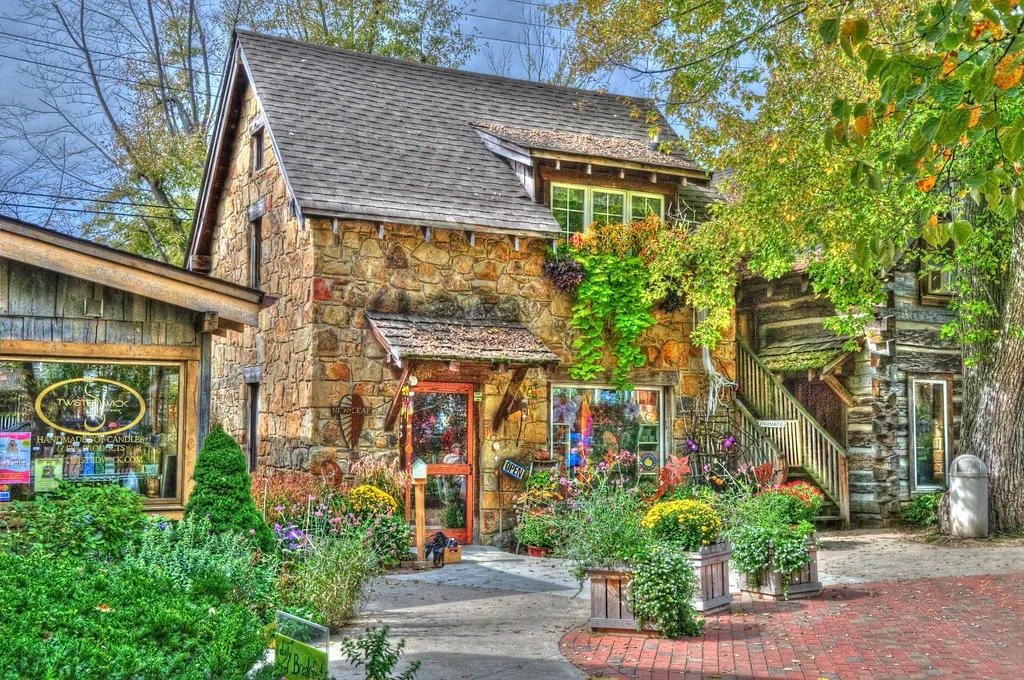
Nashville offers a compact village center with shops and galleries, surrounded by the wooded landscape that drew artists to Brown County. Begin downtown with a walk, but make the itinerary personal: choose a gallery, find a meal and leave room for an unexpected shop rather than trying to see every business.
The local tourism organization connects the area’s art history to painters who were inspired by its hills in the early twentieth century. Today’s galleries and working makers add their own perspectives. Check exhibition and business hours directly, as they can change with the season and day of the week.
Brown County State Park provides an easy way to add outdoor time. Indiana DNR describes a range of overlooks and trails, including a loop around Strahl Lake and more demanding woodland hikes. Pick a route from the official map, carry water and check alerts before heading out. The park has its own entrance fees.
For a longer art-focused outing, T.C. Steele State Historic Site is a separate drive in Brown County. Confirm tours and grounds access with the operator. A comfortable Nashville weekend can be as simple as a morning in town, an afternoon in the hills and enough time for a relaxed meal.
3. Vincennes: Territorial History Along the Wabash
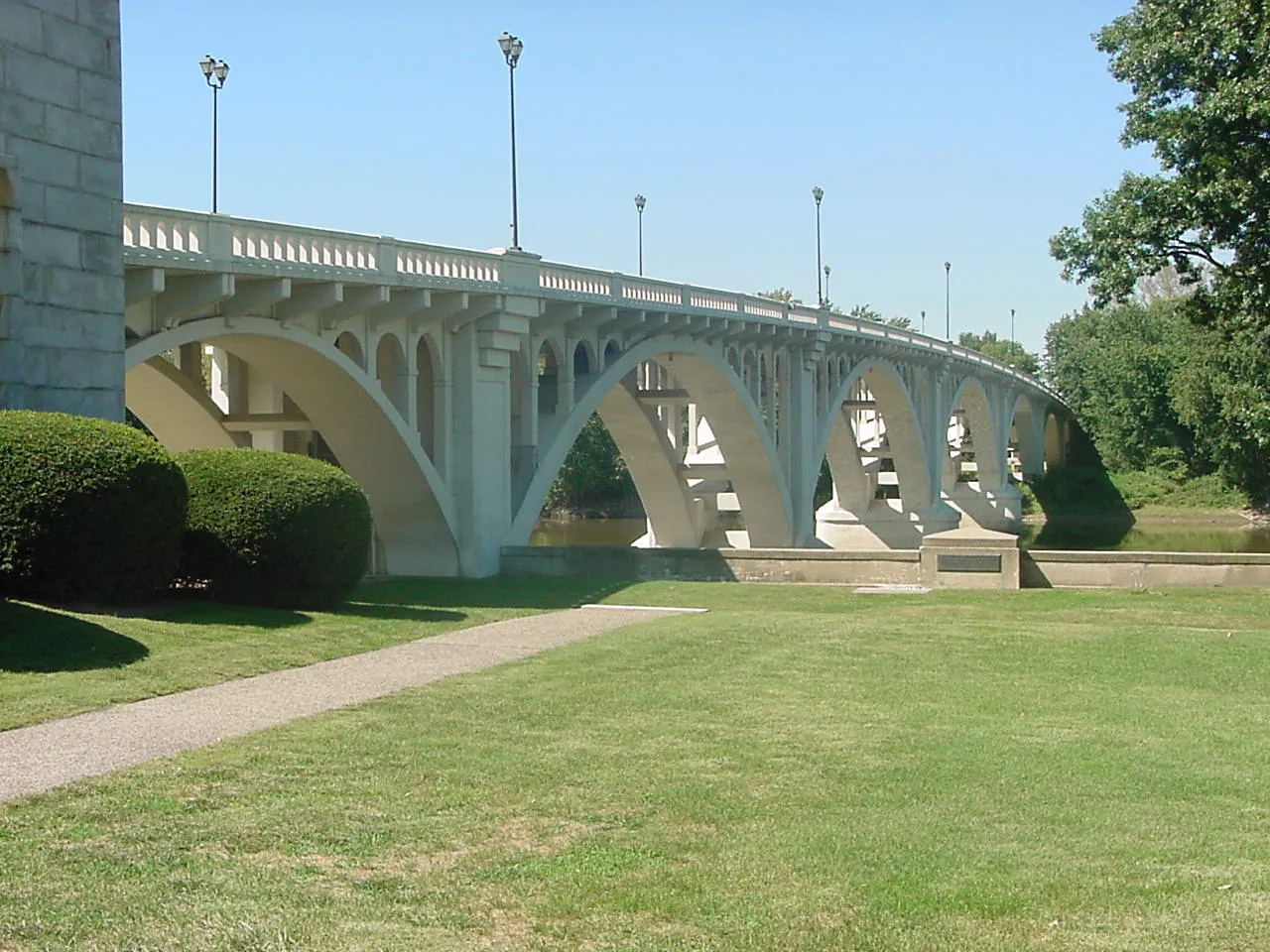
Vincennes pairs a Wabash River setting with places that interpret the American Revolution and Indiana’s territorial years. At George Rogers Clark National Historical Park, begin at the visitor center to understand the 1779 campaign and the memorial built to commemorate it. The National Park Service asks visitors to check with a ranger about entering the memorial.
The park’s story includes Native nations and French residents as well as American and British forces. The exact location of Fort Sackville is not known, so avoid assuming the modern memorial stands on a precisely identified fort footprint. Give the exhibits time to explain the wider context and consequences of events in the region.
Vincennes State Historic Sites interprets the former territorial capital through several buildings, including the original capitol. Guided indoor visits have separate tickets and schedules. Grouseland, associated with territorial governor William Henry Harrison, adds another perspective; check each operator’s current tour information.
Between stops, use public paths to look toward the Wabash and the Lincoln Memorial Bridge. The river helps explain the city’s historical location, but water levels and weather can affect safe access. Keep the day flexible enough to read, reflect and take a break between tours.
4. New Harmony: A Town Built Around Ideas
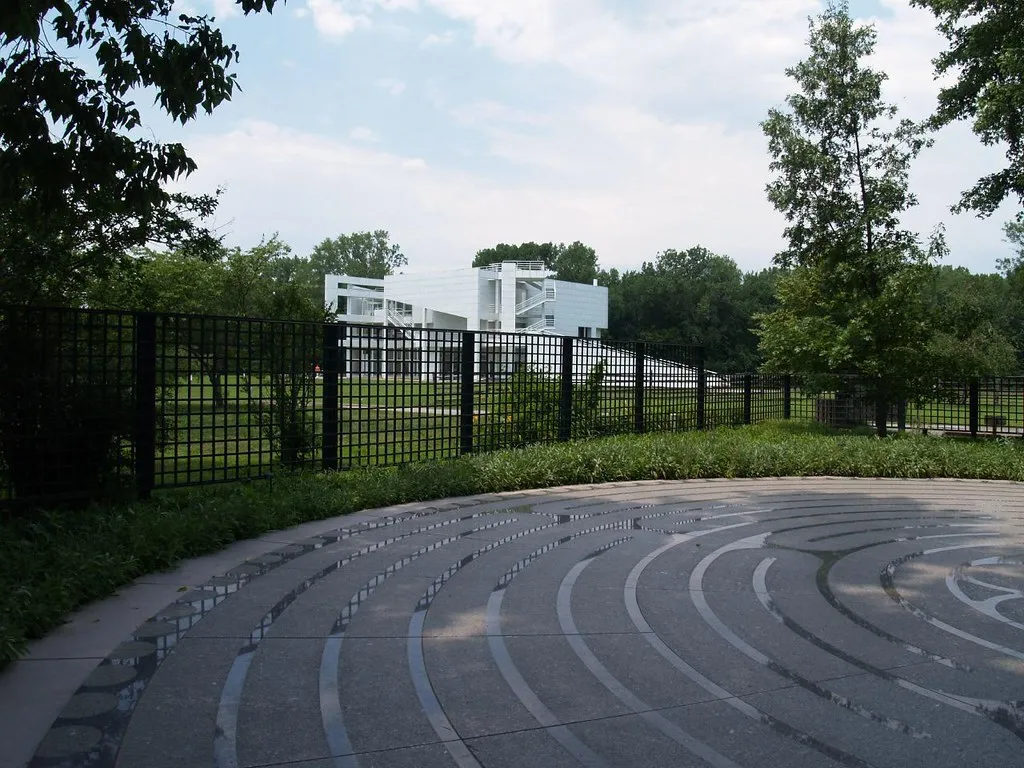
New Harmony, also on the Wabash, is known for two nineteenth-century community experiments. The Indiana State Museum and Historic Sites explains that the Harmonists settled here in 1814 and later sold the town to Robert Owen, whose community pursued a different vision of education and social reform.
Begin at the Atheneum visitor center when open, or consult its operator’s current information before arriving. The University of Southern Indiana describes the building as a modern architectural landmark and a source of maps and tour information. New Harmony is in the Central Time Zone, an easy detail to overlook when planning a trip across Indiana.
Historic properties are managed by different organizations. State historic-site tours and Historic New Harmony tours have separate schedules and tickets, so select the one that fits your interests and book ahead when appropriate. Respect private buildings and follow each site’s rules about photography and access.
Leave time for the town’s gardens and labyrinths. The Cathedral Labyrinth pictured here is a later, separate site from the Harmonist Labyrinth. Both invite a quieter pace, while Main Street adds shops and places to eat. Check individual hours and let a few unplanned moments be part of the visit.