Vincennes sits on the Wabash River in southwestern Indiana, where several chapters of the region’s history meet within a relatively small area. A national historical park recalls the American Revolution, while a former territorial capital and an early governor’s home tell stories from the years that followed.
The city rewards a slow day of museums, historic buildings and a walk near the river. These four stops are run by different organizations, so check each one’s opening hours and admission requirements before setting out. Vincennes is in the Eastern Time Zone; build in time for tours as well as the short drives between sites.
1. Start at George Rogers Clark National Historical Park
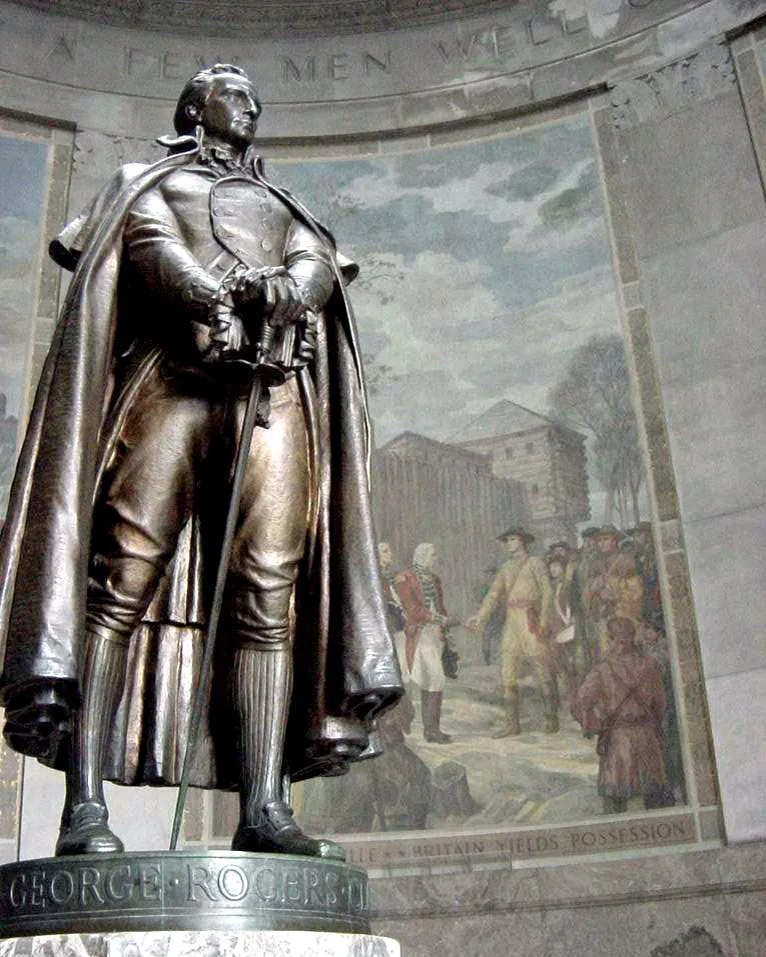
Begin at the national park visitor center for context on George Rogers Clark’s campaign and the 1779 surrender of British-held Fort Sackville. Exhibits and an introductory film explain the Revolutionary War story before you visit the memorial. Check in with a ranger about access to the memorial building, since the National Park Service says it is opened on request when staff are available.
The granite memorial was built in the twentieth century to commemorate Clark and his associates. Inside are a statue and murals interpreting the campaign and its aftermath. The images reflect the perspective of their era, making the building a place to think about commemoration as well as the events it depicts.
The story extends beyond a military victory. Native nations and French residents were part of the region’s history, and later American expansion brought major consequences for Indigenous communities. Give yourself time to read the park’s interpretation and ask questions rather than treating the monument as a quick photo stop.
The memorial is associated with the area of Fort Sackville, but the exact fort location is not known. Outdoor paths and lawns offer a chance to pause near the Wabash River; the park’s operating schedule and accessibility information are the best guide to what is available on your visit.
2. Tour Indiana’s Territorial Capital
After the Revolution, Congress created the Indiana Territory and named Vincennes its capital. Vincennes State Historic Sites preserves a group of buildings connected to that period, including the original territorial capitol building. The site’s operator also lists the Old French House, the Jefferson Academy and the Elihu Stout Print Shop among the places interpreted here.
Start at the historic site visitor center and ask about the day’s tour. Indoor visits require admission and operate on a schedule, so checking in advance is especially useful for families or groups. The buildings do not all tell the same story: government, education, printing and everyday life each provide a different lens on the town.
Consider the decisions made here in their larger context. The territory once included land far beyond today’s Indiana, and the officials who gathered in Vincennes influenced policies that affected many communities. Interpretation at the site can help connect those decisions to the people who lived with their consequences.
Allow enough time for a guided visit rather than peeking at one exterior and moving on. Ask about the walking route, stairs and accessibility before purchasing tickets if those details matter for your group.
3. Visit Grouseland
Grouseland was the home of William Henry Harrison and his family while he served as governor of the Indiana Territory. Completed in the early nineteenth century, the house was also a setting for official business. It is a National Historic Landmark and a chance to examine the relationship between a private home and the government of a growing territory.
Check the site’s current tour arrangements before arriving. A guided visit can give architectural details meaning and explain how the house was used. Tour times, admission, group arrangements and accessibility may differ from those at the nearby state historic sites.
Harrison’s territorial leadership included negotiations over Native land, a subject that deserves attention alongside the furnishings and architecture. Look for interpretation that explains whose lands were affected and how government decisions shaped Indigenous communities. The house is most useful as a window into the period when its setting is considered from more than one perspective.
You can combine Grouseland with the territorial capital, but verify the hours of both before deciding which to visit first. Leaving a gap between tours makes the day more comfortable and gives you room for lunch or a walk.
4. Walk Near the Old Cathedral and the Wabash
The Old Cathedral, also known as the Basilica of St. Francis Xavier, adds another chapter to Vincennes’s history. The local tourism bureau describes the current church and adjoining cemetery as part of a religious site with earlier predecessors. Confirm visiting arrangements with the parish and be mindful that it is an active place of worship.
Treat the cemetery and church as places of reflection, not simply attractions. Follow posted rules, keep voices low and respect services, private events and people visiting graves. If the interior is closed, an exterior view and a later visit may be more appropriate than trying to enter.
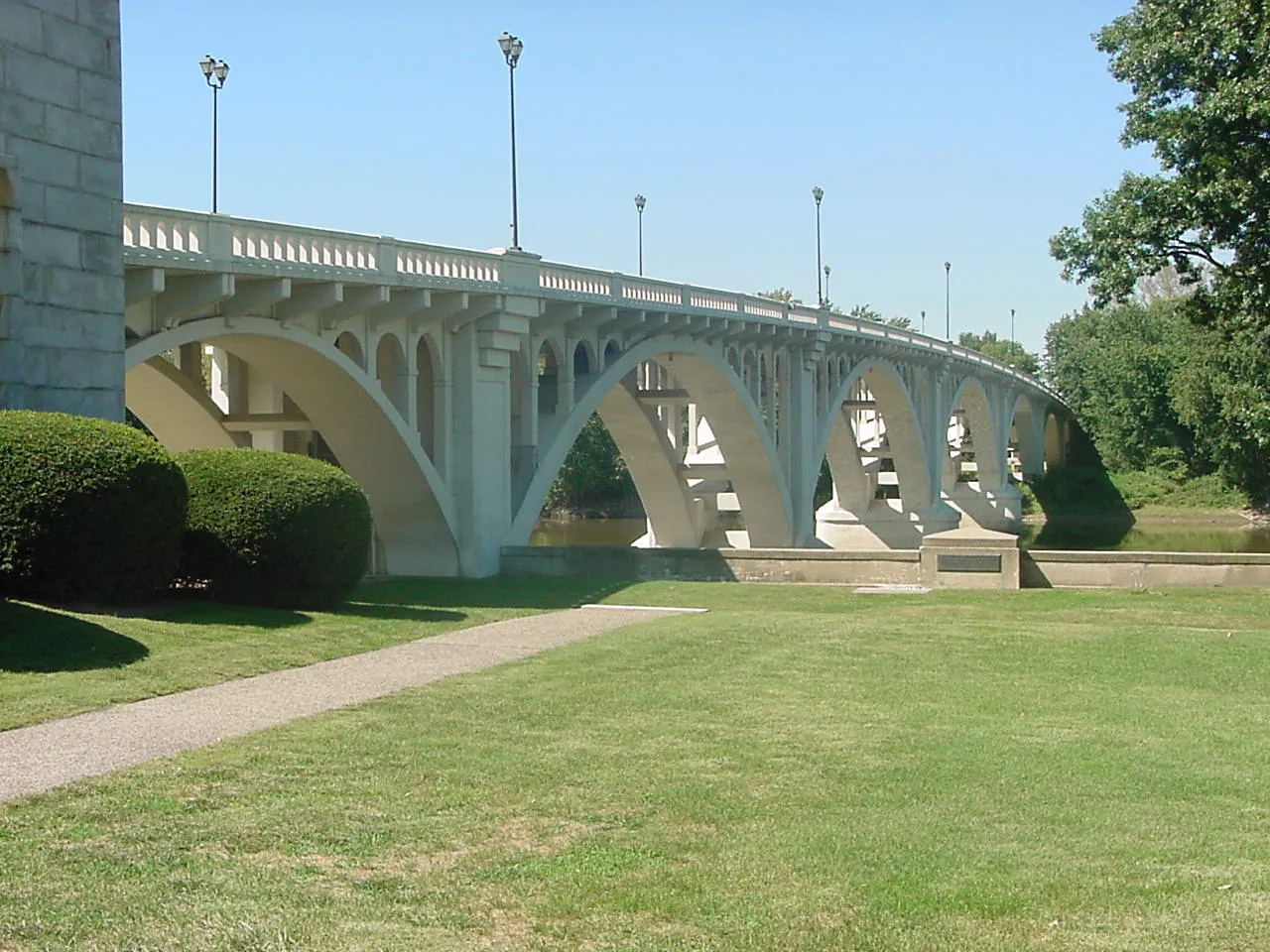
Finish with a look toward the Wabash and the Lincoln Memorial Bridge near the national historical park. The river helps explain the city’s position as a meeting place and transportation route, though today’s banks and buildings reflect many later changes. Use established paths and keep away from the water’s edge when conditions are unsafe.
The best Vincennes itinerary leaves time between stops to absorb the differences among them. Each site has its own organization, interpretation and schedule; together, they offer a richer view of a place that mattered to many people long before the present-day city took shape.