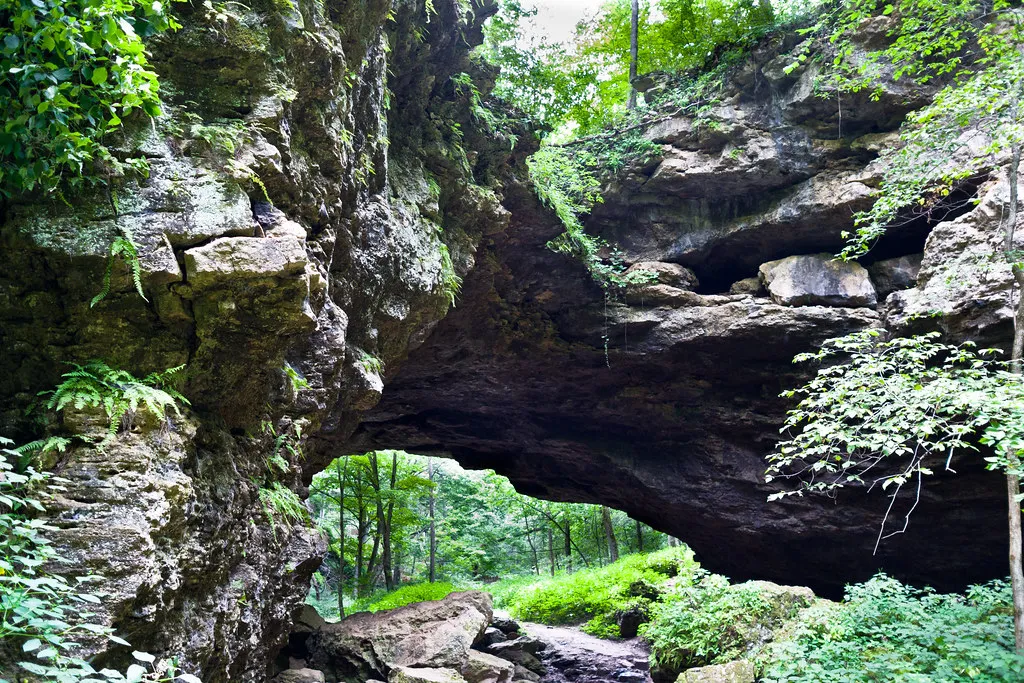
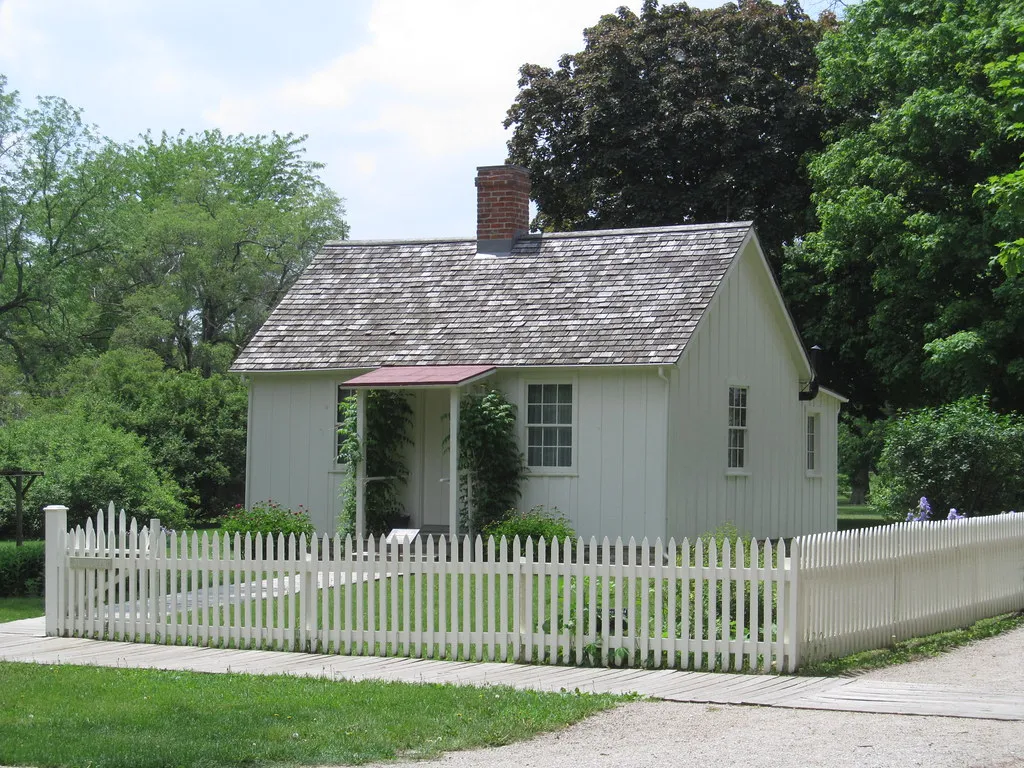
In northeastern Iowa, the Mississippi River is not just something to cross. Bluffs rise above its channels and wetlands, creating places where a traveler can look across the valley, walk through woodland and learn about the people connected to this landscape.
These three outings near McGregor and Harpers Ferry make a rewarding introduction to the river country. They are managed by different agencies, so check each site’s current alerts, hours and rules. Pick one or two for a relaxed day rather than trying to complete every trail at speed.
1. Fire Point at Effigy Mounds National Monument
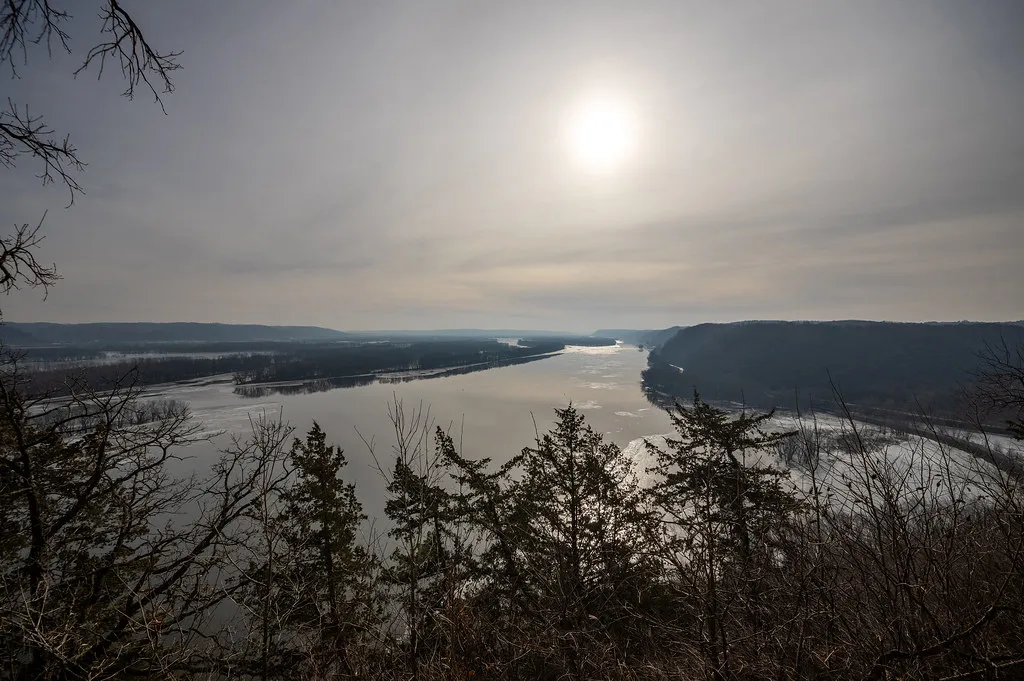
At Effigy Mounds National Monument, the walk toward Fire Point combines a Mississippi River view with a much more important cultural landscape. The monument protects Indigenous earthworks, including animal-shaped effigies, and remains connected to living Tribal nations. Begin at the visitor center to learn about the mounds and ask about current trail conditions and ranger programs.
The National Park Service describes a roughly two-mile round-trip ranger hike to the Fire Point area with a significant climb. Switchbacks, natural surfaces and weather affect the effort, so bring water and allow more time than you might for the same distance on a flat paved path. Call ahead if you hope to join a guided program, since staffing and weather can change the schedule.
View the mounds from the designated trail without walking on them. Their forms may be subtle from the ground, and vegetation changes through the seasons. Treat them as sacred places rather than obstacles or photo props, and leave plants, stones and cultural resources undisturbed.
At the overlook, keep children and pets away from the edge. The park warns that there are few railings along its trail system and those present are not safety-rated. A river view is worth enjoying carefully, with your footing secure and your attention on the path.
2. Pikes Peak State Park: Two Rivers From a Bluff
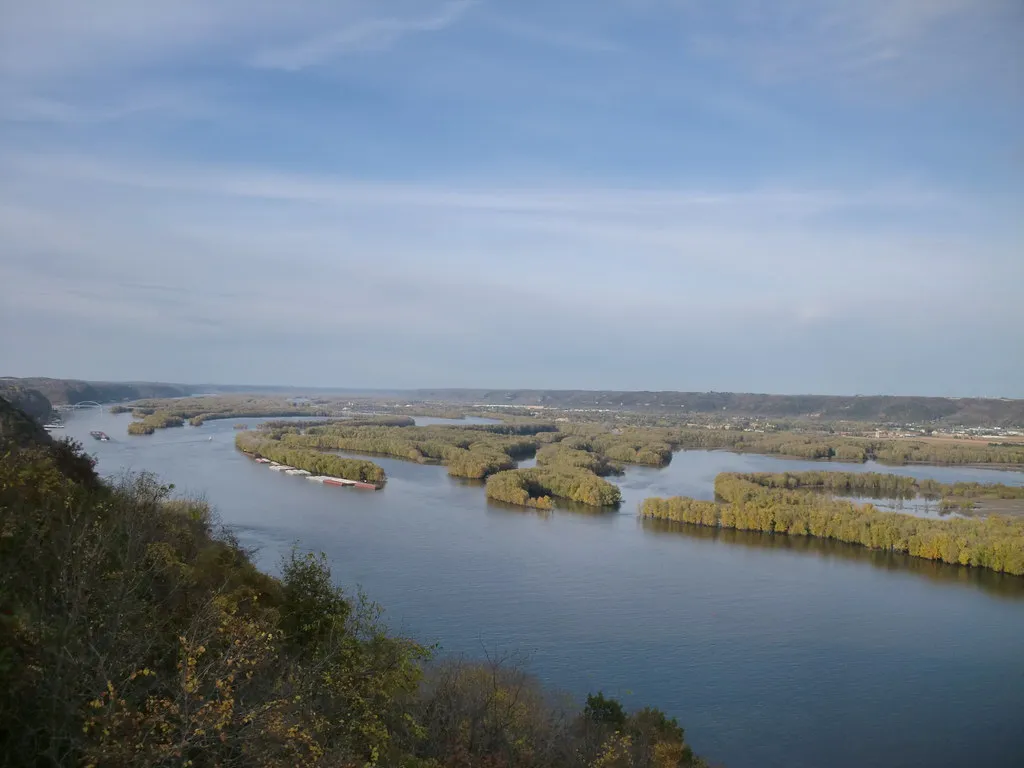
South of McGregor, Pikes Peak State Park offers a view toward the meeting of the Mississippi and Wisconsin rivers. Iowa DNR identifies a main overlook with paved access and nearby facilities. Contact the park for current accessibility details if you need specific information about a route or service.
The overlook can be the focus of a short stop, but the park also has trails for visitors who want to spend longer. DNR describes a boardwalk route to Bridal Veil Falls and a more substantial hike toward Point Ann. Check the park map and current conditions before choosing, since trails may include steps, steep grades and slippery sections.
Waterfalls depend on weather and recent precipitation. A quiet flow can still be a pleasant reason to walk through the woods, but it may not resemble a photograph taken after rain. Wear shoes with traction, carry water and remain on the designated trail.
The park also protects an Indigenous effigy mound. Respect posted boundaries and do not walk on the earthwork. For camping, concession hours or any facility that matters to your plan, consult the current DNR information rather than relying on an older schedule.
3. Ballard Bluff: A Prairie Walk Above the River
For another perspective, the U.S. Fish and Wildlife Service identifies Ballard Bluff Hiking Trail south of McGregor as a route through blufftop prairie with river views. It is part of the broader Upper Mississippi River National Wildlife and Fish Refuge landscape, where visitors may encounter wetlands, wildlife and changing seasonal conditions.
Check the refuge’s current trail information and any closures before leaving. A prairie trail can be exposed to sun and wind, so bring water, sun protection and suitable footwear. Insects, tall vegetation and mud may also affect the experience depending on the season.
Wildlife watching works best with patience and distance. Bring binoculars, stay on the established route and avoid disturbing nesting or resting animals. Refuge rules may differ from those at a state park or national monument; read posted signs and leave plants and other natural materials in place.
If the day is hot, stormy or visibility is poor, choose a shorter option or save the hike for another trip. River-country weather can change quickly, and a safe turnaround is part of a good plan.
Planning a River-Country Day
McGregor can serve as a convenient break between nearby outdoor stops. Check local businesses directly for food and services, and leave room in the schedule for the drive between sites. The landscape is especially popular during fall color, but timing changes from year to year; spring, summer and winter bring different views and conditions.
Before setting out, review the National Park Service, Iowa DNR and refuge pages for the specific places you plan to visit. Each agency manages different land and facilities. A little preparation leaves more time to appreciate the river, the bluffs and the stories carried by the places above them.