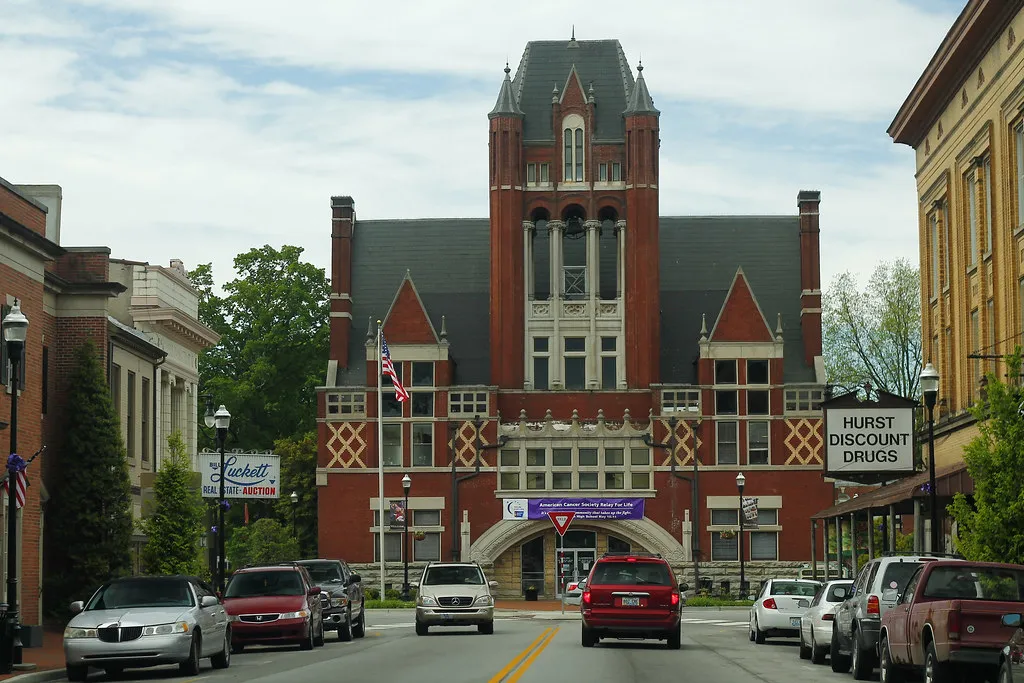
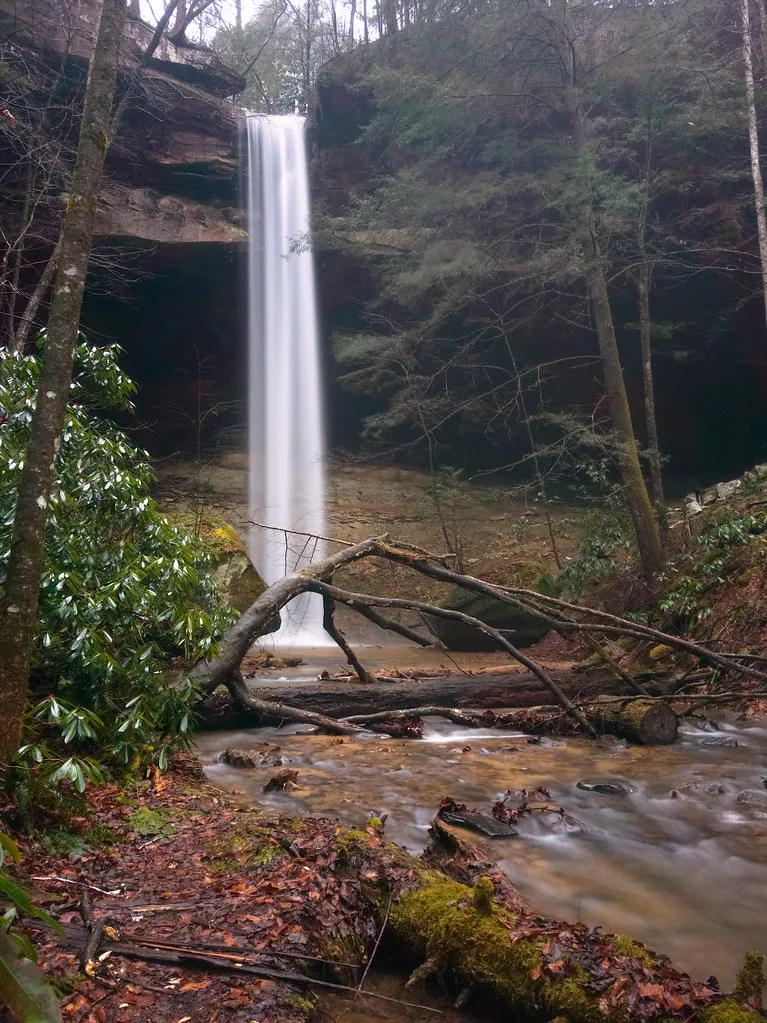
In Berea, a day can move from a working artist's studio to a college gallery, then out toward a forest overlook. The central Kentucky community is known for crafts, but its appeal is not limited to buying a handmade souvenir. It is a place to learn how people make things, spend time outdoors and let a small-town visit unfold at a comfortable pace.
These five ideas can be mixed and matched. Start with the town's visitor information, pick the indoor stops that interest you and add a hike only if it fits your group and the weather. Shops, programs and trail conditions change, so check current details before leaving.
1. Start in the Old Town Artisan Village
Kentucky tourism describes Berea as the state's Folk Arts and Crafts Capital, and the Old Town Artisan Village is a useful place to see that identity at street level. The welcome center occupies a restored railroad depot, and the state tourism office says visitors can walk from there to shops and working artist studios.
Begin by asking what is open on the day you arrive. Individual makers keep their own schedules, and a studio demonstration is not guaranteed simply because a shop is listed online. Leave time to look closely at different materials and techniques rather than rushing through every doorway.
Buying something is optional. Conversation, when an artist is available and willing to talk, can reveal the work behind a finished piece: the choice of material, the patience of making it and the decisions that give it character. Respect studio boundaries and ask before photographing people or works in progress.
2. Explore the Log House Craft Gallery
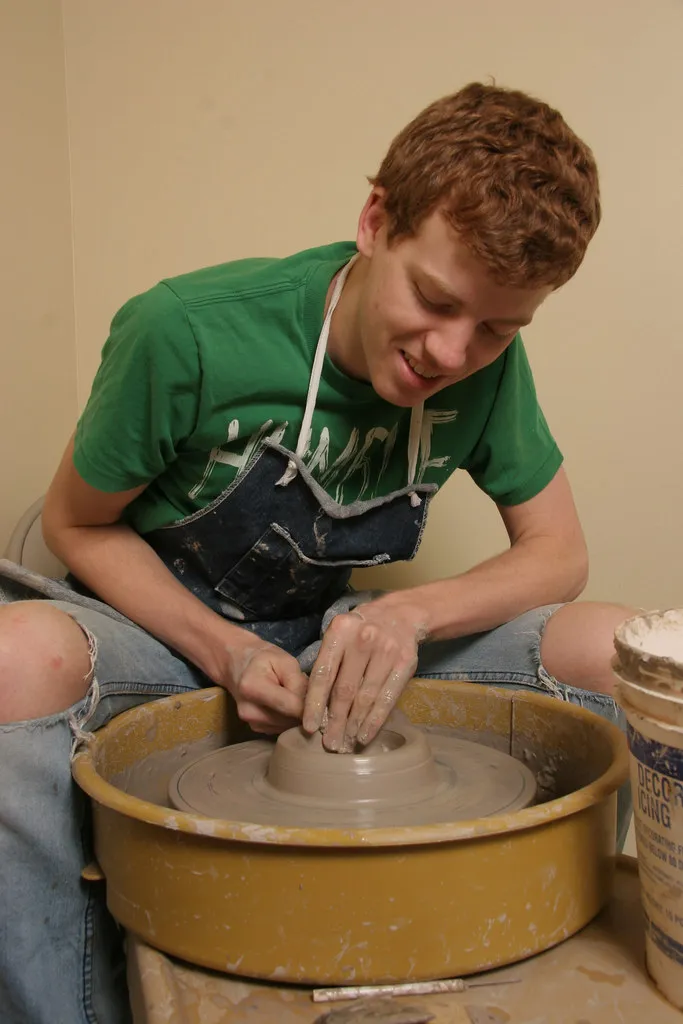
The Log House Craft Gallery connects the town's craft tradition with Berea College. The college describes the gallery as a long-running home for work by hundreds of artists, including pieces created through its student craft program. The current building dates to 1917 and provides its own sense of place as you move through the rooms.
Take time to compare objects that serve a practical purpose with those made primarily to be seen. A handmade bowl, woven item or piece of woodwork can carry evidence of both skill and daily use. Inventory changes, so treat the particular objects you find as part of the pleasure of the visit.
The college publishes gallery hours and contact information, but seasonal and holiday changes are possible. Check directly before making it the anchor of your trip, especially if you are traveling on a Sunday or around a holiday.
3. Visit College Square and Learn About Student Crafts
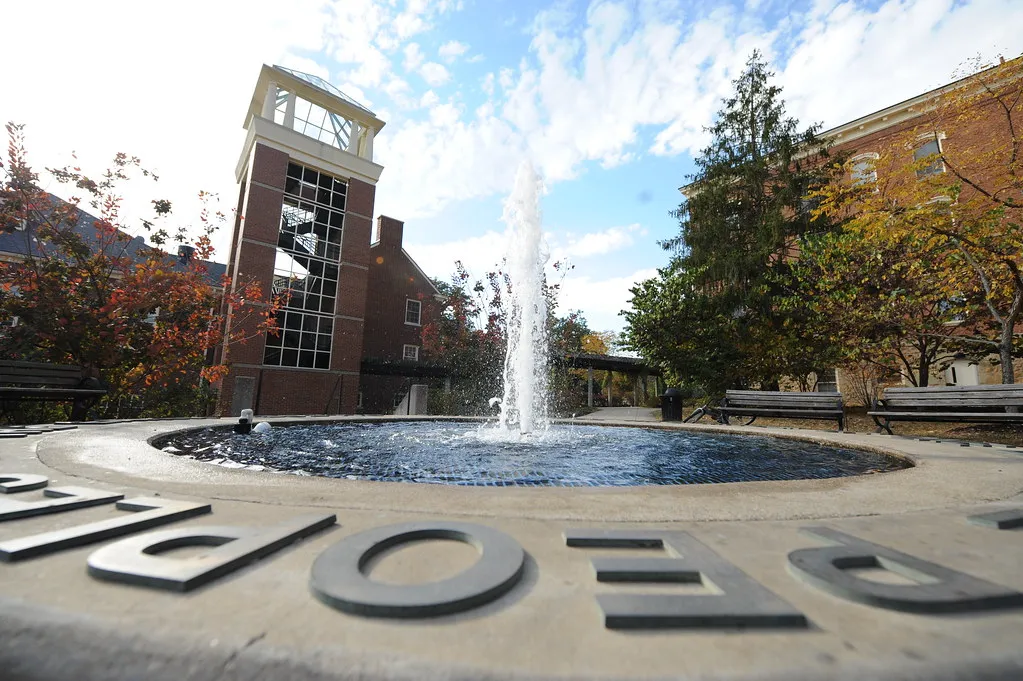
Berea College is part of the community's story, and College Square offers another way to encounter student-made work. The visitor center and shop describe campus and craft-industry tours as well as demonstrations, but specific times and availability should be confirmed before arrival.
This stop can add context to what you saw in Old Town. Instead of treating all handmade work as the same, notice the different processes, materials and traditions involved. Ask staff what visitors can see that day, and remember that the college is a working educational community rather than a museum set.
The nearby Historic Boone Tavern Hotel has welcomed guests since 1909 and offers an option for a meal or overnight stay. Restaurant service and reservations can change, so consult the property directly. A planned lunch break is useful if you intend to add an afternoon hike.
4. Choose a Walk at the Pinnacles
The Pinnacles offer a very different Berea experience: wooded trails and rocky overlooks managed through Berea College's forest program. The Forestry Outreach Center lists several destinations with different distances and elevation gains. Review the trail map and pick a route that fits your fitness, available daylight and the weather rather than assuming every overlook is an easy stroll.
The college says the trails are generally open dawn to dusk and may close for exceptional circumstances. Leashed dogs are allowed on the trails, according to its current visitor guidance. Bring water, shoes with traction and a way to navigate; stay back from exposed edges and turn around if conditions become unsuitable.
Accessibility also varies. The outreach center says the trail is paved for a few hundred feet to the amphitheater but is not accessible beyond that point. Contact the center if you need more detail about the building, restrooms or an appropriate route. The Pinnacles are not a state or national park, so use the college's own current rules.
5. Leave Room for the Unexpected
One advantage of choosing a smaller place is the chance to let the day change. A gallery might be hosting a demonstration, a shopkeeper may suggest a nearby event, or a long lunch may be more appealing than another planned stop. The goal is not to collect every attraction but to pay attention to the community you came to visit.
Check local event calendars for markets and festivals, and confirm dates with organizers. Busy weekends can bring more activity and less parking; quieter days may offer easier browsing but fewer open studios. Either can be a good choice when you know what to expect.
If you take home a piece of craft, ask about the maker and care instructions. A useful object often becomes a stronger reminder of a trip when you know who made it and how it should be looked after.
Planning Your Visit
Start with the restored depot welcome center, then group your stops around opening times and the length of daylight. The gallery and college areas are different from the Pinnacles trailhead, so check a map and allow time to travel between them. Bring layers for the season and confirm trail alerts before hiking.
Berea works well as a day trip precisely because you can adjust the balance: more studios and history on a rainy day, or more time in the woods when the weather is inviting.