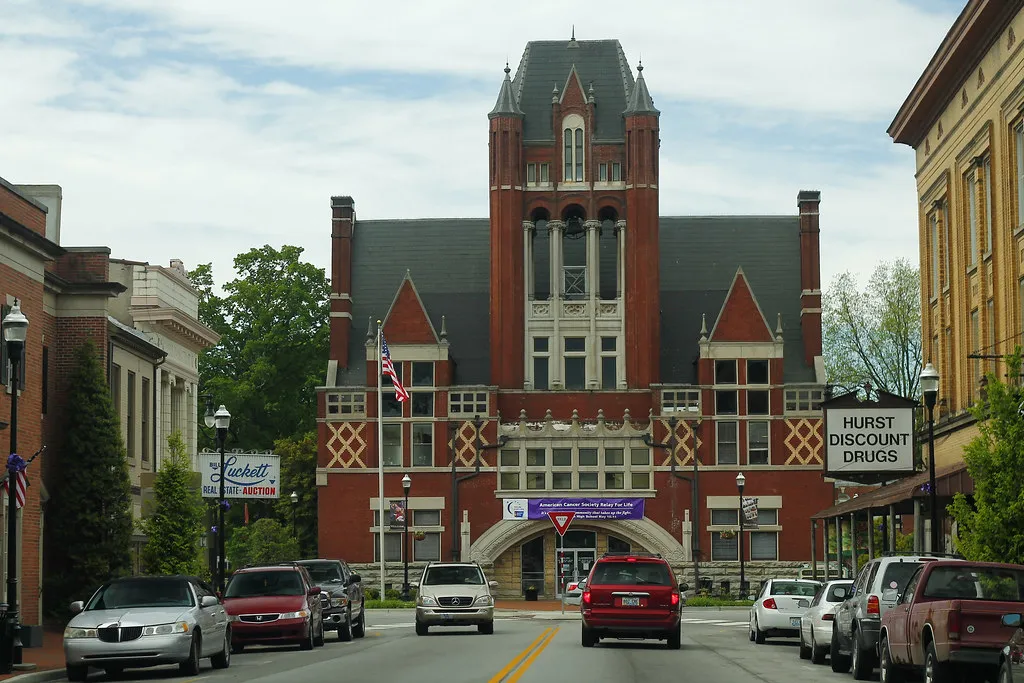
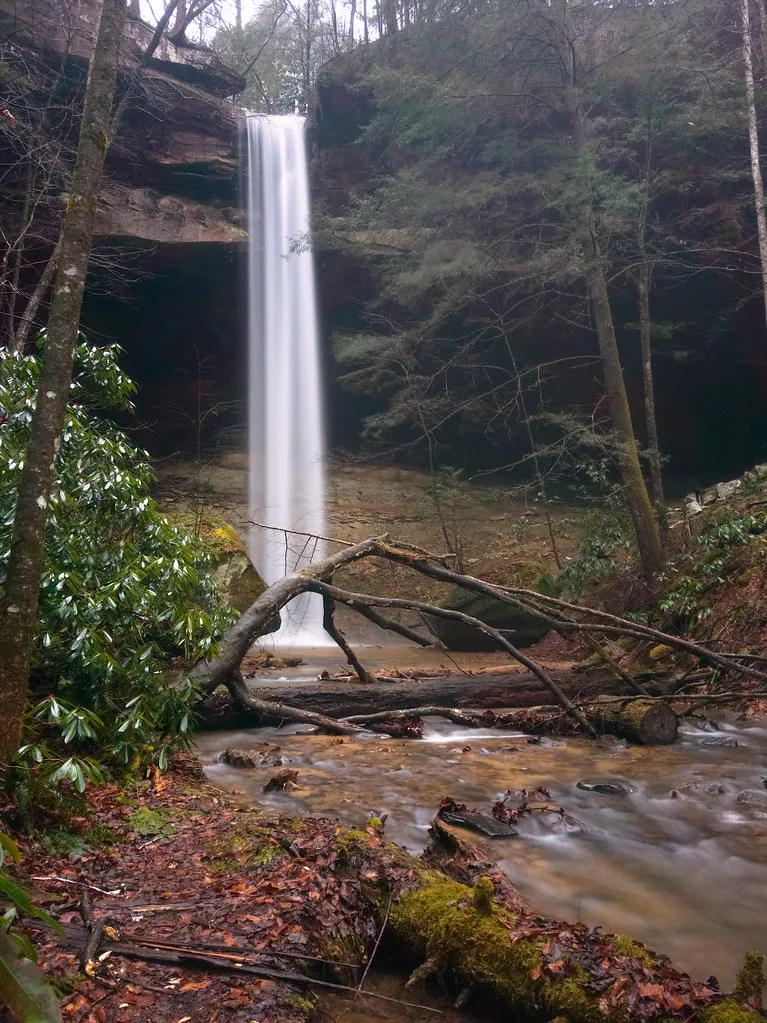
Kentucky's national park experiences do not all look alike. One leads underground into vast cave passages, another preserves the setting of Abraham Lincoln's early life, and two extend across state lines into mountain and river country. Together, they offer several ways to explore the Commonwealth's landscape and history.
These four destinations are far apart and should be planned as separate outings or pieces of a longer trip. Some have multiple units, and several share boundaries with neighboring states. Check each park's official map, current conditions and operating hours before setting out.
1. Mammoth Cave National Park: A World Beneath the Hills
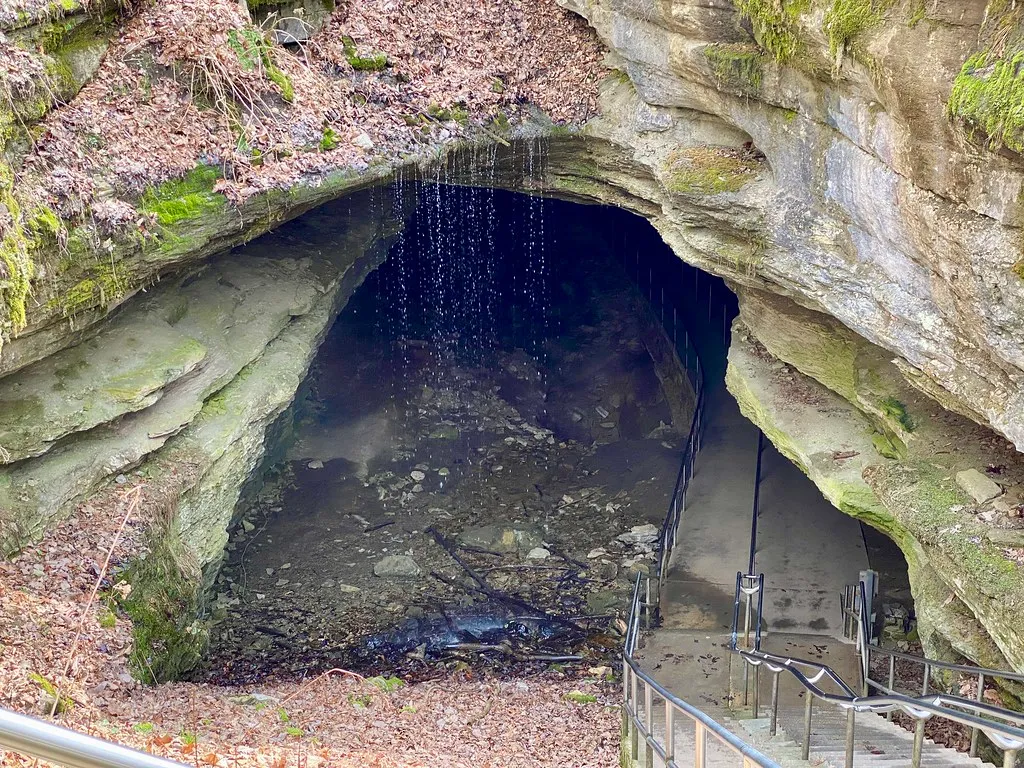
Mammoth Cave is home to the longest known cave system in the world, but visitors experience it through specific tours rather than by wandering freely through the network. The National Park Service strongly recommends reserving cave tickets in advance because tours often sell out. Routes vary substantially in duration, stairs and physical demands.
Choose a tour that suits everyone in your group, read its description closely and arrive around 30 minutes before the scheduled start. Bring a light layer for the cool cave, wear sturdy shoes and review the list of prohibited items. Flash photography is not allowed, and park staff provide instructions intended to protect bats and their habitat.
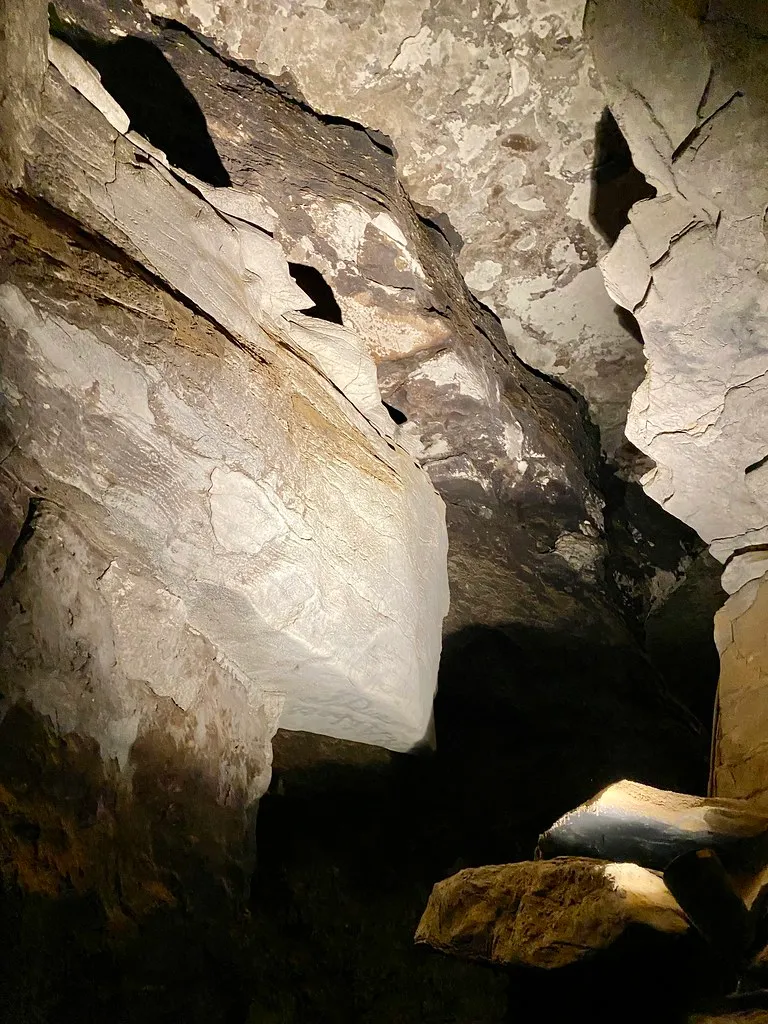
The park also offers forests, rivers and surface trails. A first visit can combine one underground tour with a short daylight walk, making space for both sides of the landscape. Park entrance does not require a pass, but cave tours require tickets and some other activities have separate fees.
2. Abraham Lincoln Birthplace: Two Sites, Two Chapters
Abraham Lincoln Birthplace National Historical Park preserves two Kentucky locations connected to Lincoln's early childhood. The Birthplace Unit near Hodgenville includes the memorial building and visitor center; the Kentucky Boyhood Home at Knob Creek is a separate unit, so allow travel time between them rather than assuming they are on the same grounds.
Inside the memorial is a symbolic cabin representing the kind of home associated with Lincoln's beginnings. The distinction matters: the cabin is an interpretive object, not a verified claim that every log belonged to the original birth cabin. The setting invites visitors to think about family life and the landscape of early nineteenth-century Kentucky.
The two units have different hours. The National Park Service lists the Birthplace visitor center and memorial with daytime hours, while the Knob Creek grounds are open dawn to dusk and its visitor center operates seasonally. Both units close on certain holidays. Verify current hours and accessibility before making the drive, especially if an indoor exhibit is central to your plans.
3. Cumberland Gap: A Mountain Pass and a View Across Borders
Cumberland Gap National Historical Park sits at the meeting place of Kentucky, Tennessee and Virginia. Its visitor center is a sensible first stop for maps, current conditions and context about the mountain pass. Long before modern highways, the gap was a route through the mountains for people and wildlife; the park helps visitors explore that longer history without reducing it to a single traveler or era.
Pinnacle Overlook offers a broad view, reached by a four-mile park road from near the visitor center. The overlook itself is in Virginia, while the scenery and park connect the surrounding states. Weather can close the road, especially during ice or snow, so check the park's alerts before relying on the drive.
For a more active option, the park describes a moderate hike to Tri-State Peak, where Kentucky, Tennessee and Virginia meet. The route involves uneven trail, so check the current map and choose it for the conditions and abilities of your group. A visitor-center stop and a scenic drive can be a satisfying alternative when a hike is not a good fit.
4. Big South Fork: A Kentucky Mining Community in a River Landscape
Big South Fork National River and Recreation Area extends across Kentucky and Tennessee. On the Kentucky side, Blue Heron preserves the story of a company coal-mining community through an outdoor interpretive area. The National Park Service says visitors can explore the outdoor museum year-round, with exhibits and audio programs explaining the people and work connected to the site.
The Blue Heron interpretive center and bookstore operate on a seasonal schedule. As of November 2026, the National Park Service's listed season has ended after October 31, so check the latest information before expecting indoor services. The outdoor site can still offer a meaningful visit when the center is closed.
A scenic railway from Stearns is a separate operator's experience and runs on its own schedule. If that is part of your plan, confirm tickets and dates directly; you can also reach Blue Heron by road. The wider park contains rugged trails and river access, so use the appropriate current map and choose activities that match your preparation and the conditions.
Plan Each Visit on Its Own Terms
The parks use different time zones and schedules: Mammoth Cave is in Central Time, while the Lincoln birthplace and Big South Fork's Kentucky sites use Eastern Time. Confirm the local time and reservation details for each stop, especially when a timed cave tour is involved.
Check current alerts, road conditions, holiday closures and fees with the National Park Service. These are places to explore at a human pace: a well-chosen tour, a quiet memorial or an overlook can carry a day without the pressure to see everything.