Before Abraham Lincoln became president, he was a child in rural Kentucky. The National Park Service preserves two places connected to those early years: the farm where he was born and the nearby valley where he spent part of his boyhood. Together they make a thoughtful day trip through a quieter chapter of a much larger American story.
Abraham Lincoln Birthplace National Historical Park has two separate units. The Birthplace Unit near Hodgenville contains a memorial building, visitor center and spring; the Boyhood Home Unit at Knob Creek lies roughly ten miles to the northeast. Plan time to drive between them and check each unit's hours, which are not identical.
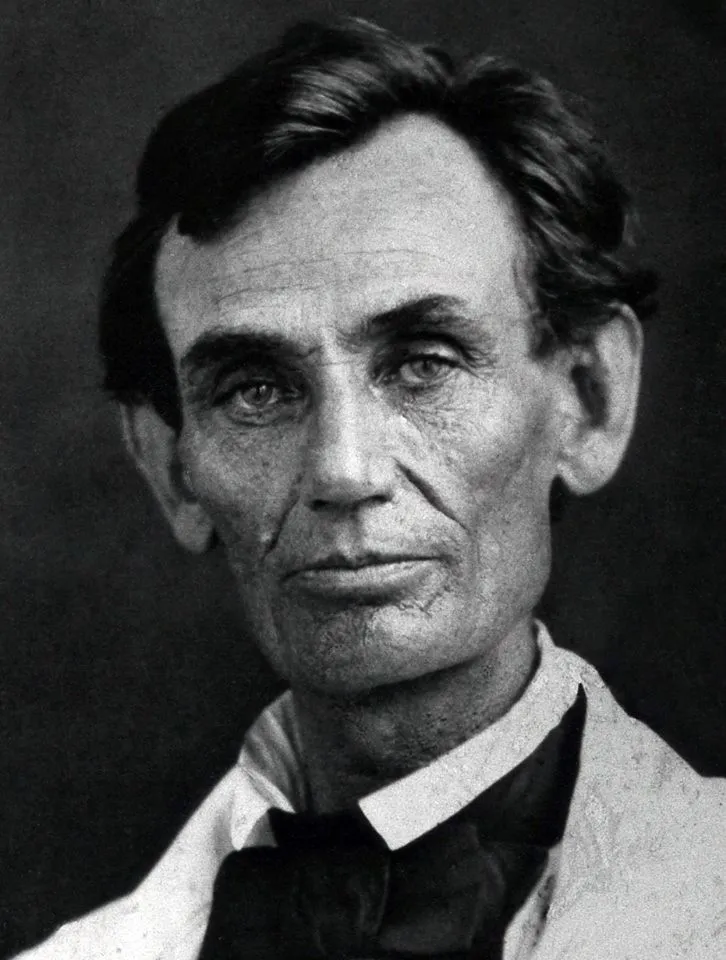
Begin at the Birthplace Unit
The Birthplace Unit preserves the setting of Sinking Spring Farm, where Abraham Lincoln was born in 1809. The visitor center offers a place to orient yourself through exhibits and a park film before exploring the grounds. Ask a ranger about current programs, accessible routes and any temporary changes on the day of your visit.
The National Park Service lists the Birthplace visitor center and parking area as open from 9 a.m. to 5 p.m. Eastern Time, with the memorial building closing at 4:30 p.m. The park closes on New Year's Day, Thanksgiving and Christmas. These are published hours, not a substitute for checking current alerts before a trip.
The site is about two miles south of Hodgenville on U.S. Highway 31E. Leave room to enjoy the setting without treating the stop as a quick photo opportunity: the landscape, memorial and interpretation all contribute to the story.
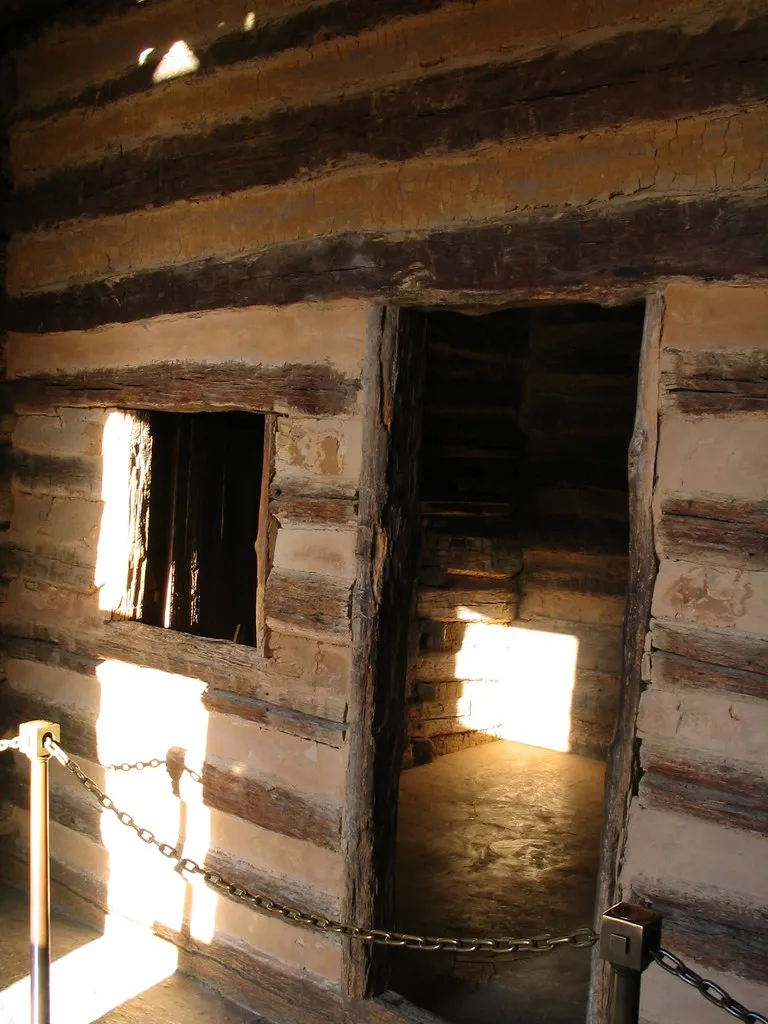
Look Inside the Memorial Building
The stone memorial encloses a small log cabin, a striking contrast between a monumental building and the modest dwelling it represents. The National Park Service calls this the Symbolic Birth Cabin. It is important to use that word: the cabin represents the type of structure associated with Lincoln's birth, but it is not the authenticated original cabin.
According to the park service, the original cabin was likely lost over time, and most logs in the surviving symbolic cabin date from the 1840s. The building still serves a purpose: it helps visitors think about what early frontier homes could have looked like while showing how later generations chose to remember Lincoln's beginnings.
Take a moment with both layers of history. The child who lived in Kentucky and the people who later built a memorial to him belong to different periods, and understanding that distinction makes the site more interesting, not less.
Find the Sinking Spring
The farm takes its name from Sinking Spring, a natural feature the National Park Service identifies as a water source for the Lincoln family. A visit to the spring shifts attention from the monument to the practical questions of everyday life: where water came from, how a household used its land and how closely a family depended on the surrounding environment.
Use the marked path and ask about current access or surface conditions, particularly after rain or in cold weather. Steps and outdoor terrain may not suit every visitor in the same way. The visitor center can help identify options for a group with different mobility needs.
This is also a good place to slow down. A park visit can be more memorable when there is time to consider a single ordinary resource than when every minute is spent moving toward the next landmark.
Continue to Knob Creek
The Boyhood Home Unit at Knob Creek preserves the setting where Lincoln formed early childhood memories after the family left Sinking Spring Farm. It is a separate destination northeast of the Birthplace Unit, so use the National Park Service directions and allow for the drive.
The park lists the Knob Creek grounds as open daily from dawn to dusk, while the Knob Creek Tavern visitor center opens seasonally. Check the latest schedule before expecting indoor exhibits or ranger services. A quiet visit to the grounds can still provide context, but it is helpful to know what will be available before arriving.
Use the park's interpretation to distinguish historic structures, later buildings and reconstructed or symbolic features. A family landscape changes across two centuries, and a thoughtful visit makes room for those changes instead of imagining that everything is frozen exactly as it was in Lincoln's childhood.
Make the Day Comfortable
Both sites are in Eastern Time. Check the official park website for holiday closures, weather alerts, current visitor-center hours and directions. Bring comfortable shoes for outdoor paths, water for warm weather and layers when conditions are cool. If stairs or uneven ground are a concern, contact the park in advance about the specific places you hope to visit.
Hodgenville can serve as a convenient point for a meal or break between the two units. Check individual businesses for their current hours, and leave enough time to reach the second site without hurrying through the first.
There is no need to turn the trip into a race through a presidential biography. A spring, a symbolic cabin and a remembered childhood landscape provide enough detail to begin a conversation about how personal history becomes public memory.