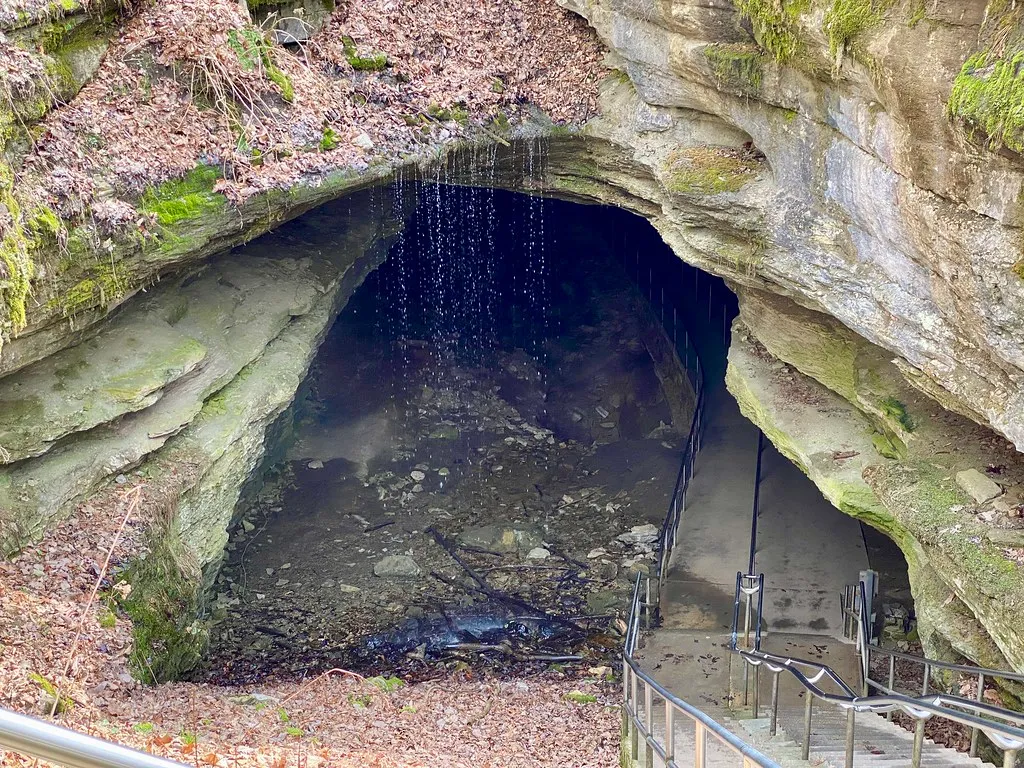
The entrance to Mammoth Cave looks almost modest from above: a dark opening in a Kentucky hillside, framed by rock and woodland. Below it lies the world's longest known cave system, a place where the first decision for most visitors is not simply when to arrive, but which part of the cave to experience.
Mammoth Cave National Park rewards a little planning. Tours differ in length, stairs and scenery, and there is a whole park above ground as well. These practical tips will help you build a first visit around your interests and abilities instead of discovering the choices only after you reach the visitor center.
1. Reserve the Cave Tour You Actually Want
The National Park Service says cave tours often sell out and strongly recommends advance reservations through Recreation.gov. A walk-up ticket is not guaranteed. Tour offerings also change with the season, and a complete schedule may not be posted until one to three months before a date.
Start with the park's official tour descriptions, then compare actual availability for your travel dates. A short trip that emphasizes formations is a different experience from a longer route through broad historic passages. Reserve for everyone in your group, including children who require tickets under the current rules, and read the cancellation terms before paying.
The park advises arriving around 30 minutes before the scheduled tour to collect tickets and prepare. Allow extra time for parking, restrooms and the ordinary delays that come with a family trip.
2. Compare Stairs and Terrain, Not Just Distance
A cave tour can be short on a map and still involve a surprising amount of climbing. The park lists the Frozen Niagara Tour at about a quarter mile and 64 stairs, with an optional additional set of 98 stairs; the longer Domes and Dripstones Tour includes hundreds of steps. These figures describe different experiences, not a ranking of which one is best.
Read the current description for the tour you are considering, including stairs, narrow spaces, duration and any health cautions. Choose for the person in your group who will have the hardest time with the route. If an accessible tour is needed, review the park's specific accessibility information and contact staff about availability and the right fit before booking.
Wear sturdy footwear with traction. Cave paths can be uneven or damp, and descending steps may feel different from climbing back up them. Carry only what is permitted and leave room in your schedule to recover afterward.
3. Expect a Different Climate Underground
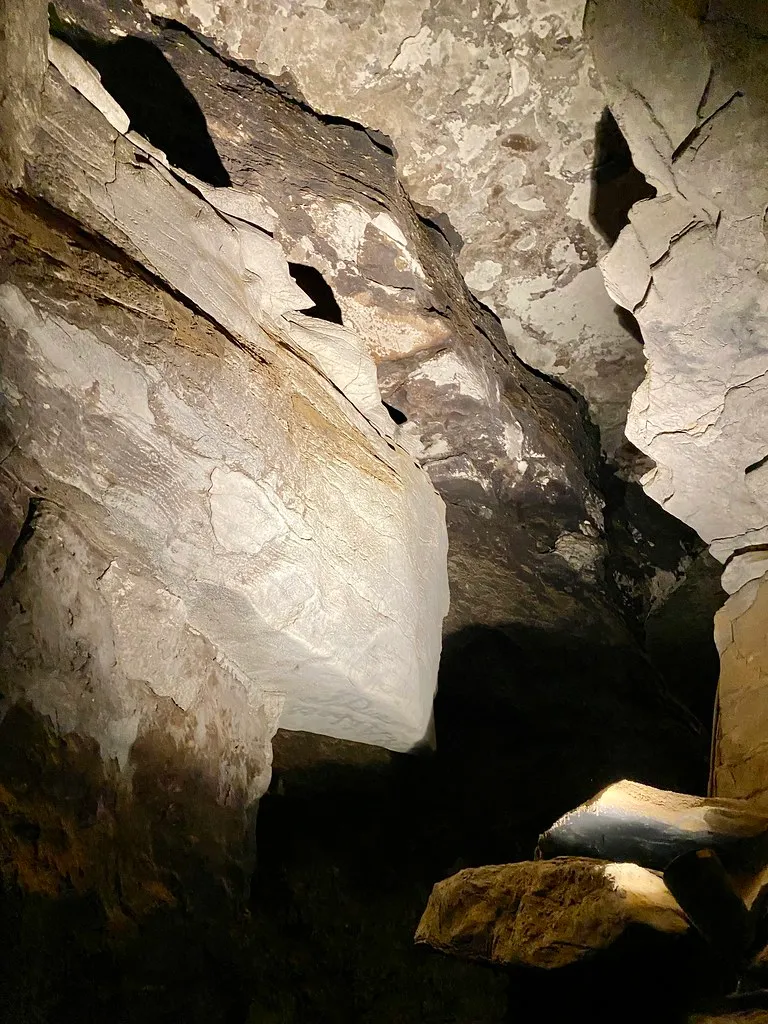
The weather at the visitor center is only part of the story. The cave stays cool compared with a Kentucky summer day, so a light layer can make a longer tour more comfortable. In winter, outdoor conditions still matter on the way between the visitor center and tour starting points.
Bring a layer you can manage easily and check the current park guidance for the route you choose. A tour group moves together, so dress for the duration rather than assuming you can return quickly to a car for a forgotten jacket.
The dramatic photographs associated with caves often come from carefully controlled lighting. Let your eyes adjust, stay with the ranger or on the designated self-guided route, and give other visitors room to see.
4. Protect the Cave and Its Wildlife
Mammoth Cave is a living environment and an important home for wildlife, not simply a backdrop for photographs. The park provides instructions to reduce the spread of white-nose syndrome, a disease affecting bats. Follow current decontamination procedures and answer any questions about clothing or equipment honestly; do not bring items that park rules prohibit because they were used in another cave.
The National Park Service prohibits flash photography on cave tours. Its current rules also restrict items including strollers, large backpacks and child backpack carriers, while front carriers are permitted. Mobility canes have a specific exception to the walking-stick rule for visitors who need them. Check the full list before arrival, since the exact restrictions matter.
Stay on the approved path, avoid touching formations and never remove anything from the cave. Small actions by thousands of visitors can have a lasting effect in an underground environment that changes very slowly.
5. Leave Time for the Park Above Ground
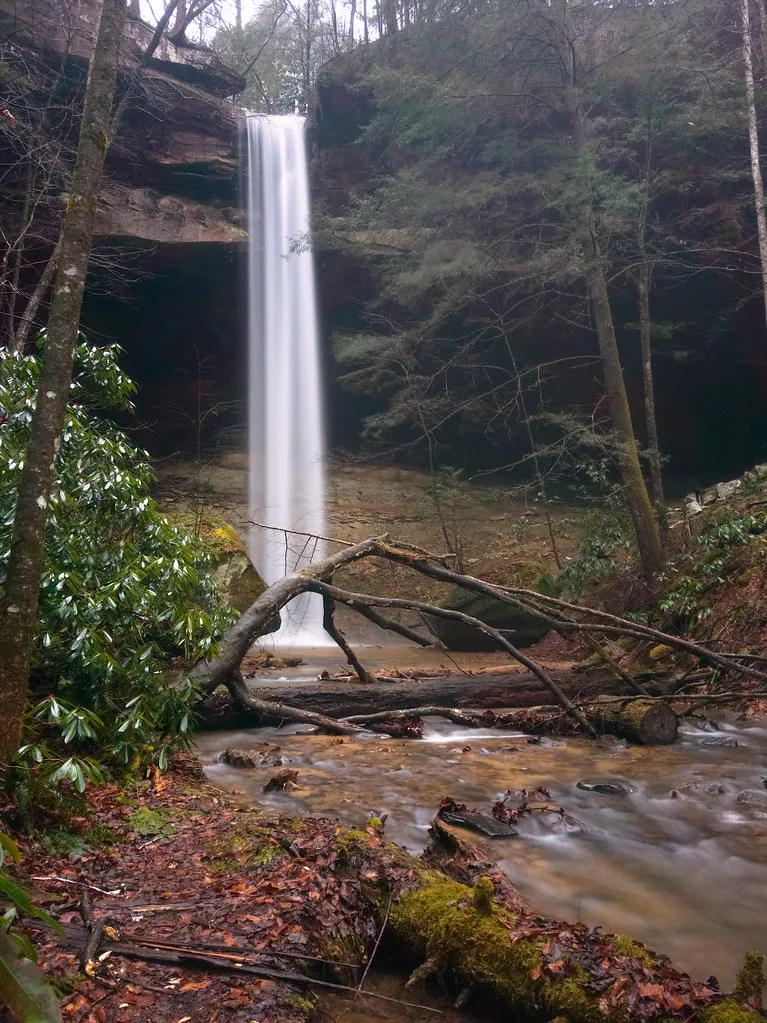
The cave is the headline, but Mammoth Cave National Park also protects forest, rivers and trails. A surface walk can be a pleasant contrast after an underground tour and gives members of the group who prefer daylight another way to experience the park.
Choose a route using the park's current map and alerts. Trail length, steepness and conditions differ, and rain can make some surfaces slippery. Tell someone where you are going if you plan a longer walk, bring water and give wildlife space. River activities require their own preparation and current information about water levels and access.
A short visit can still include a pause outdoors near the visitor center. You do not need to fit every activity into a single day to appreciate the relationship between the forest above and the passages below.
6. Know What Costs Extra
The National Park Service says there is no entrance pass required to enter Mammoth Cave National Park, but cave tours require tickets. Other activities, including certain camping arrangements, can have separate fees or permit requirements. Review the current fee page rather than assuming that free park entry includes a cave tour.
Keep your tour confirmation available and review the meeting point and time. If your plans change, use the reservation provider's current cancellation rules; a change or cancellation may involve a charge depending on the ticket and timing.
7. Build in a Little Flexibility
The park is open around the clock, but visitor services and cave tours have limited hours. Seasonal schedules, weather and operational changes can affect the day. Check the park's alerts and operating hours shortly before leaving, then keep an alternative surface activity in mind if a tour does not fit your schedule.
For a first visit, one carefully chosen cave tour plus time to explore above ground can be more satisfying than trying to do everything. Bring a layer, arrive early and let the ranger's account help turn the passages into a place with a story.