In Louisiana’s Atchafalaya Basin, water and forest meet in a landscape that changes with the seasons. Atchafalaya National Wildlife Refuge protects bottomland hardwood forest, bayous and cypress-tupelo swamp, offering visitors a quieter way to experience part of this remarkable region.
This is a place to plan carefully and travel at the pace of the landscape. Water levels, weather, hunting seasons and road conditions can all affect a trip. These three ways to explore provide a starting point for a first visit.
1. Walk a refuge trail or levee
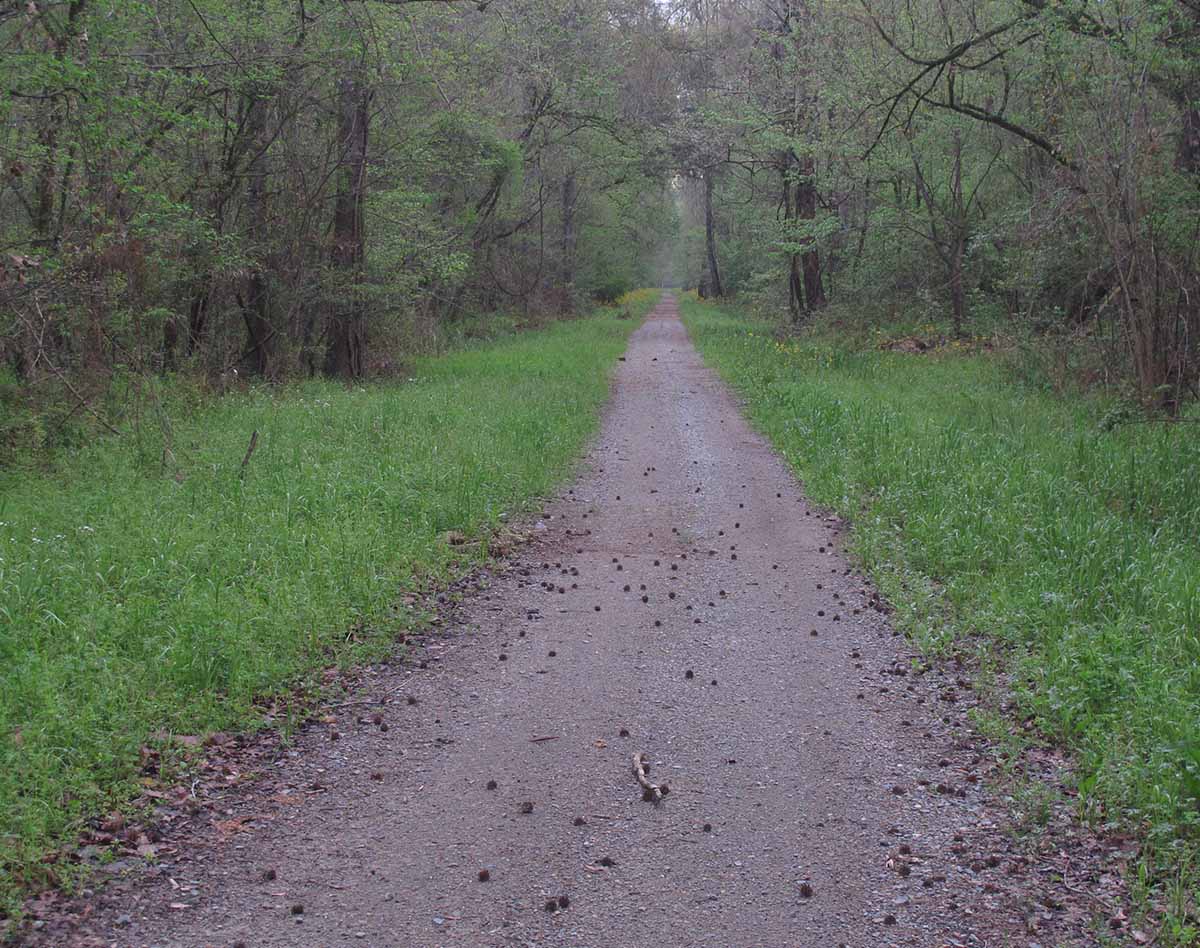
The U.S. Fish and Wildlife Service identifies a nature trail at the end of Section 120 Road, along with opportunities to walk on some levees and designated trails. Before setting out, obtain a current map and check which routes are open. The refuge is part of a larger managed area, and signs and rules may differ between neighboring lands.
Choose a distance that fits your group and the conditions. Trails through bottomland forest can be wet, uneven or overgrown, and access can change after high water or storms. Sturdy shoes, drinking water, insect protection and a downloaded map are sensible additions even for a short walk.
The Fish and Wildlife Service notes that winter after hunting season can be a comfortable time for walking when vegetation has receded. During hunting season, the agency recommends wearing blaze orange or pink. Check the current regulations and calendar before arrival rather than assuming a route is appropriate on every day of the year.
2. Watch for wildlife along the water
Bayous, lakes and seasonally wet woods support a variety of wildlife. Bring binoculars and pause where you can safely observe the water’s edge. You may see different birds in open water, along a wooded bank or overhead; what appears will depend on the season and the day.
Quiet observation is often more rewarding than trying to cover the largest possible area. Listen for calls, watch for movement and give animals space. Keep a safe distance from alligators and never feed wildlife. If you bring a camera, a longer lens or binoculars can help you enjoy a distant sighting without disturbing it.
The refuge’s mix of bottomland forest and swamp also tells a larger ecological story. Seasonal water movement shapes habitat, and the same route can look very different in high water and dry periods. Do not enter flooded areas or assume a familiar path is passable after a storm.
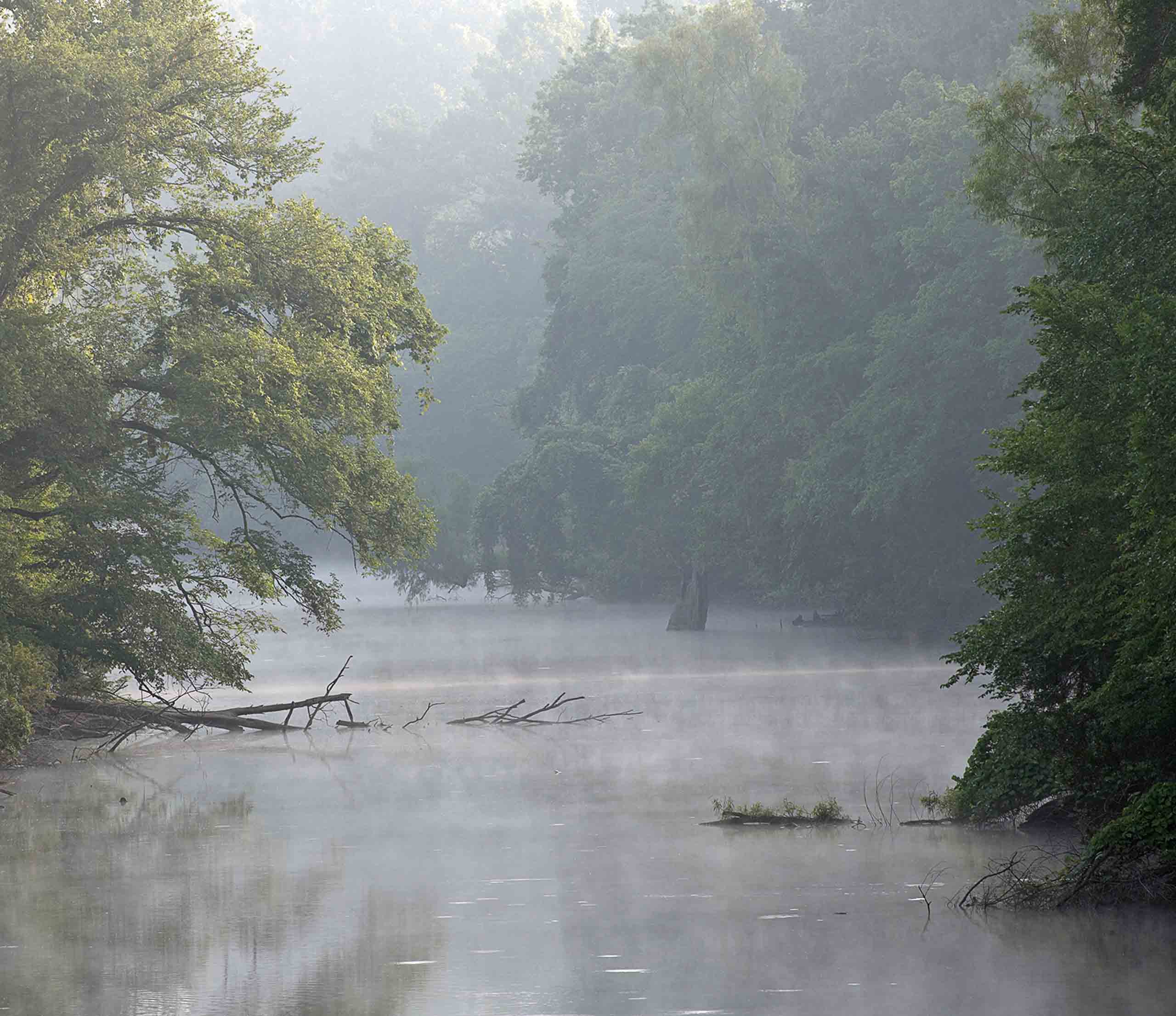
3. Plan a boating or paddling outing
The refuge lists boating and paddling among its recreational opportunities. A trip on the water can reveal the basin from another perspective, but it calls for more preparation than a walk from a trailhead. Ask refuge staff about current launch access, water conditions, applicable rules and the suitability of your intended route.
Carry required safety equipment, wear a properly fitted life jacket and tell someone your plans. Weather and water conditions can change, and waterways may be difficult to navigate for visitors unfamiliar with them. Choose an outing that matches your skills and equipment; a guided local trip may be a better introduction if you do not know the area.
Fishing and hunting are also among the refuge’s listed activities, subject to regulations and seasons. Check the current official information and permits before participating. Visitors who are not hunting should still be aware of active seasons when selecting a trail or launch.
Before you go
Review the refuge visitor information and contact staff for current access details. Bring water, sun and insect protection, suitable footwear and supplies for a rural outing. Do not rely on cell service for navigation, and leave gates, signs and natural features undisturbed.
Atchafalaya rewards a patient visit. A short walk or quiet pause beside a bayou can reveal the connection between the water, the forest and the wildlife that depends on both.