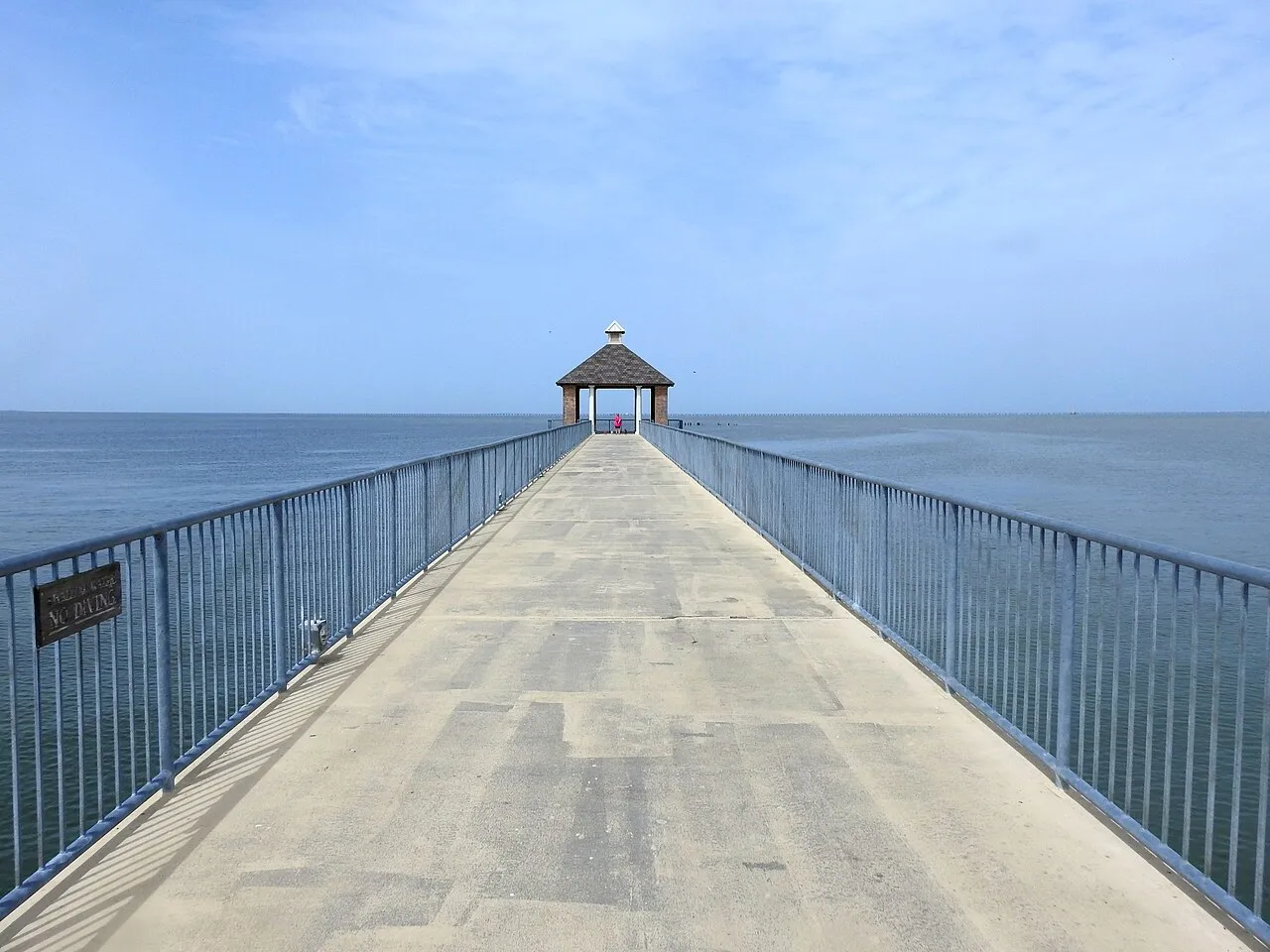
From ground level, the low rises at Poverty Point can look almost modest. Step back, study a map and the scale of what people built here begins to come into focus: broad, curving earthen ridges, a central plaza and enormous mounds arranged across a Louisiana landscape.
In northeastern Louisiana near Epps, Poverty Point World Heritage Site preserves an extraordinary Indigenous place that was built and used thousands of years ago. A visit is both an outdoor outing and a chance to learn about the people whose planning and labor shaped the site. These five steps will help you make the most of a first visit.
1. Start with the museum
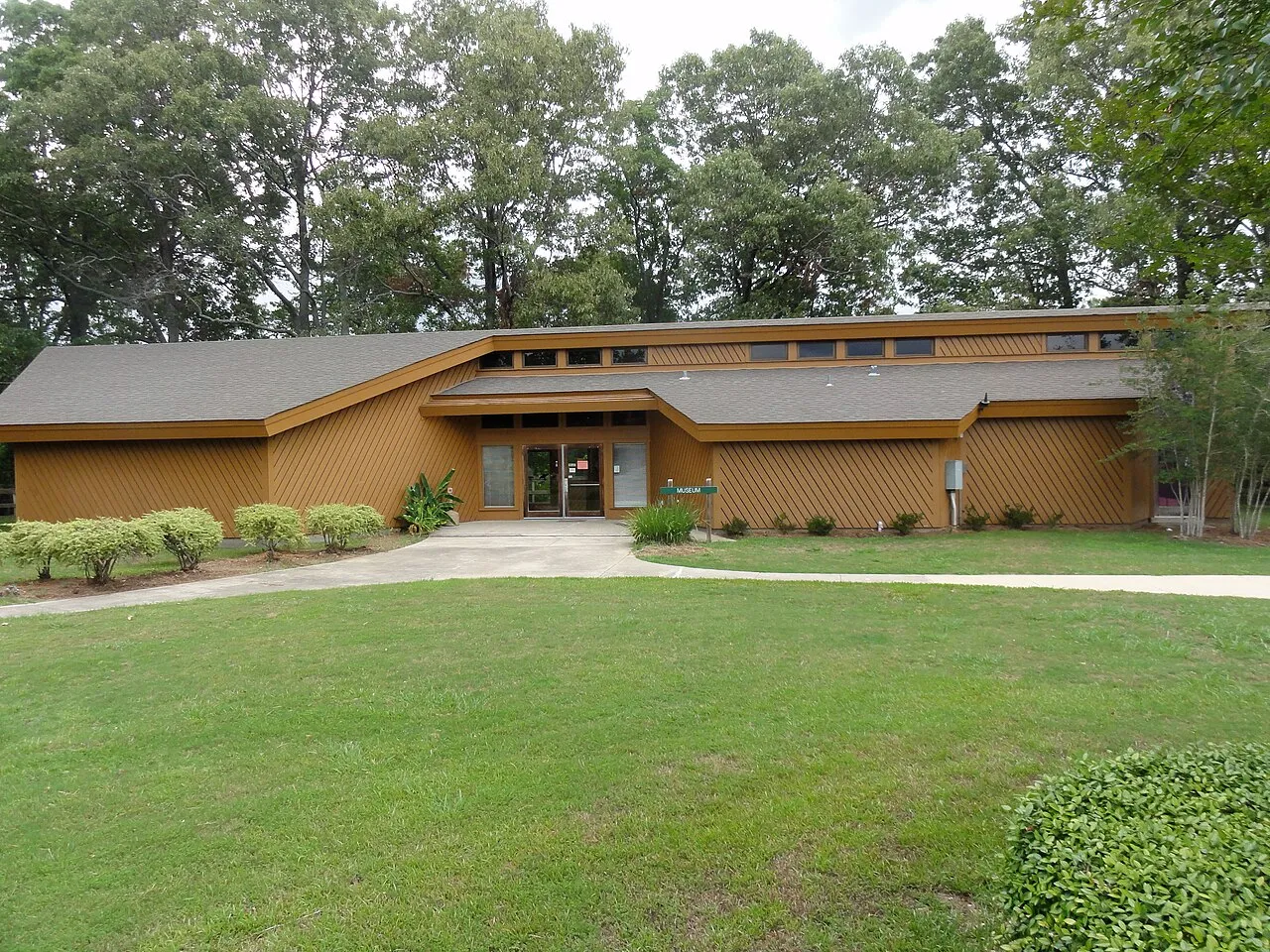
Begin inside the interpretive museum before heading into the landscape. Exhibits and site information help explain how the earthworks fit together and why their construction matters. Without that introduction, the ridges can be difficult to distinguish at ground level, particularly for visitors expecting stone walls or standing buildings.
Ask staff about current guided tours, tram availability and the best route for your group. Louisiana State Parks lists a museum, programs and guided tours, but schedules and fees can change. A tour can be especially helpful if you have limited time or want an introduction before walking independently.
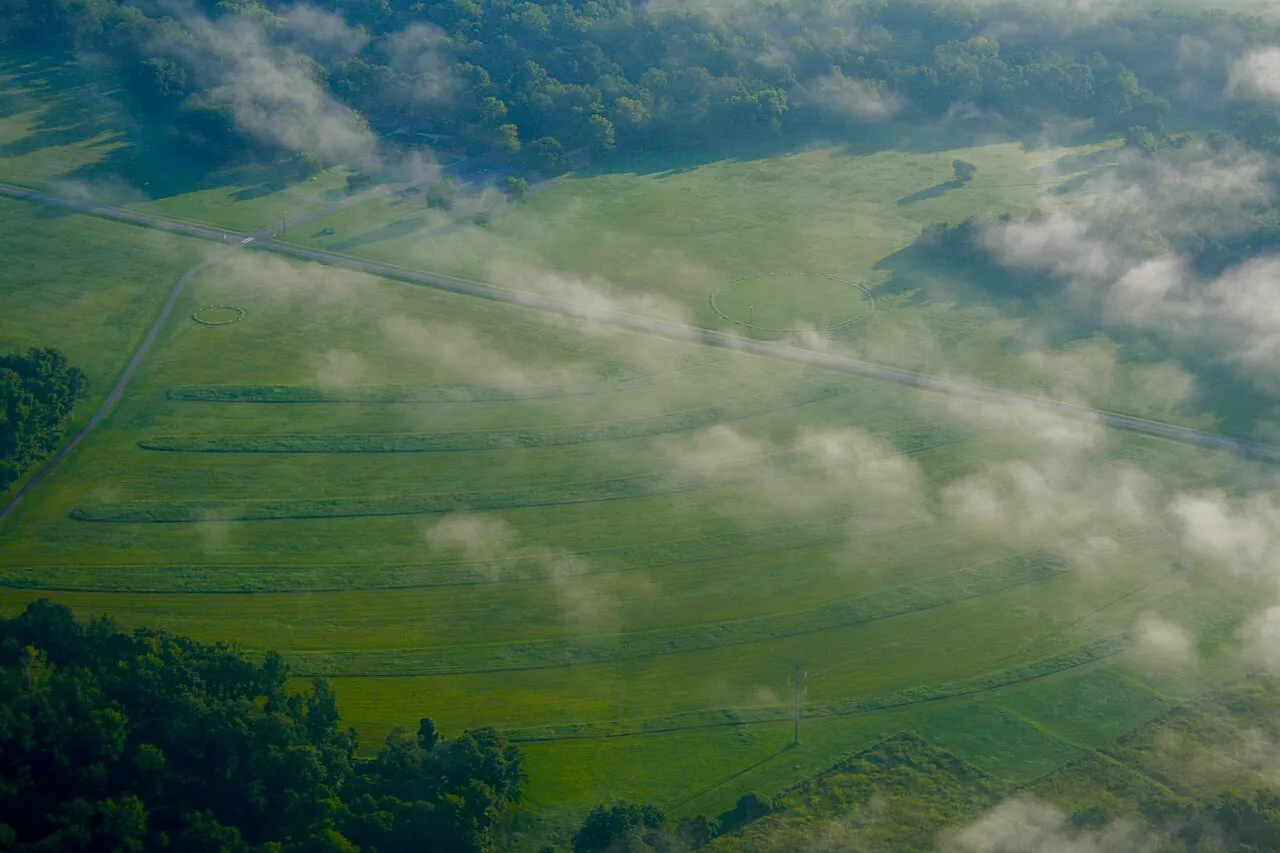
2. Picture the ridges and plaza as a whole
UNESCO describes the site as a complex of mounds, six semi-elliptical ridges and a large central plaza. The ridges and surrounding natural terrain were part of a deliberately organized place, not a collection of unrelated hills. They are easier to appreciate once you compare what you see on the ground with an aerial image or map.
According to UNESCO, the complex was created and used for residential and ceremonial purposes by hunter-fisher-gatherers between roughly 3,700 and 3,100 years ago. Those dates are a useful reminder that the history of this place reaches far beyond the later plantation that gave Poverty Point its present name.
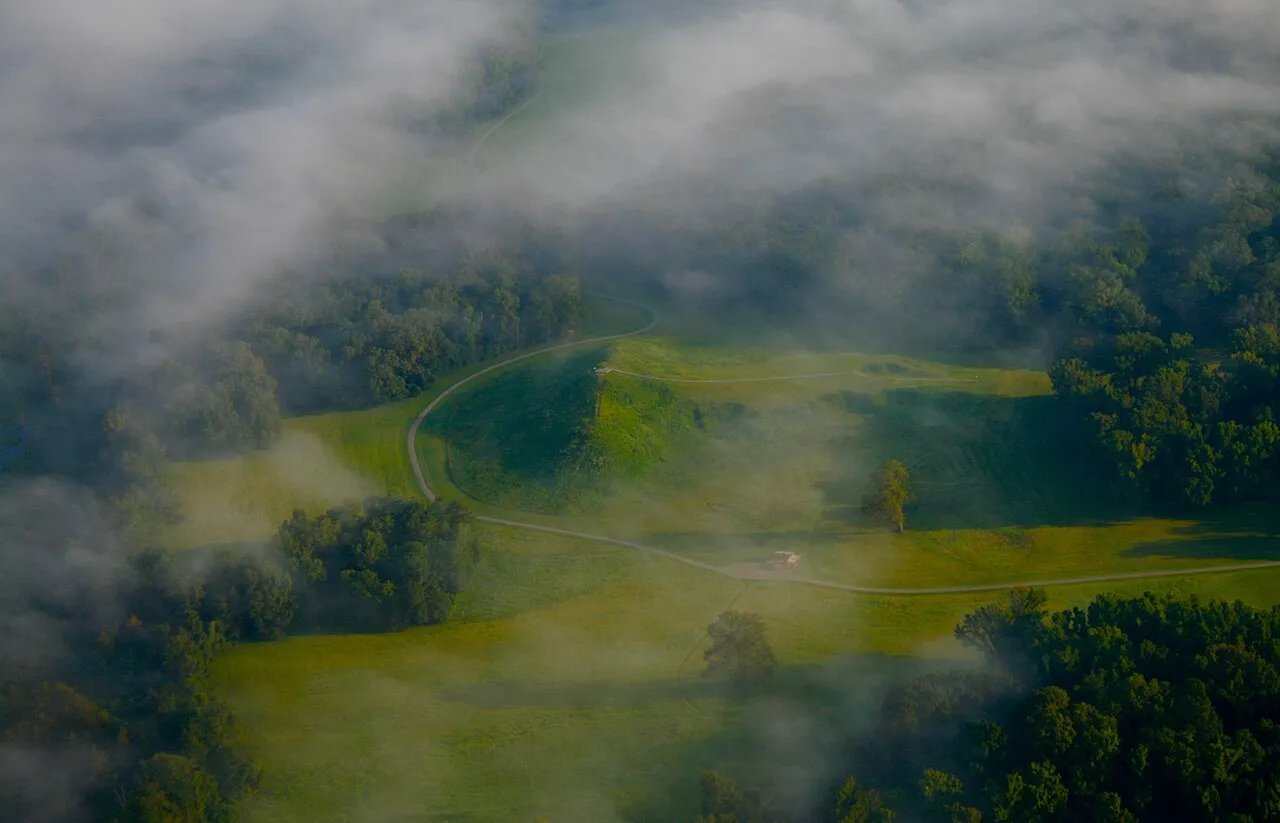
3. Take time to understand Mound A
Mound A is the largest structure at the site and dominates the earthworks. Its size is impressive from the ground, but its relationship to the ridges and plaza becomes clearer when you look at the site plan. Rather than hurrying to a photo stop, give yourself time to notice the surrounding landscape and read the interpretation provided by site staff.
The earthworks were made by people carrying and placing earth, an undertaking that required coordination and detailed knowledge of the land. UNESCO recognizes the complex as a remarkable achievement in earthen construction and landscape design. Follow posted paths and instructions to help protect the archaeological site.
4. Think about the connections beyond Louisiana
One of the most striking parts of the story lies in the materials found here. The surrounding area did not supply all the stone used for tools and other objects, and research has documented materials that came from far away. UNESCO describes an extensive exchange network that connected Poverty Point with places hundreds of kilometers distant.
As you look at exhibits, consider what those connections suggest about travel, shared knowledge and the relationships among communities. Archaeology can reveal patterns in materials and construction, but it does not answer every question about the people who lived here. The museum’s interpretation is a good starting point for learning more without treating uncertainty as a mystery to be solved by speculation.
5. Walk the grounds at a comfortable pace
Louisiana State Parks lists a 2.6-mile hiking trail at the site. Ask for a current map and trail conditions, and choose a distance suited to the weather and your group. The open landscape can be hot and sunny, so bring water, sun protection and comfortable shoes. After rain, check whether routes are muddy or temporarily restricted.
Do not collect artifacts, disturb the earthworks or leave the designated visitor routes. This is a protected cultural landscape, and the details underfoot matter to its preservation as much as the larger shapes visible in photographs.
Plan your visit
The site is at 6859 Highway 577 in Pioneer, Louisiana. State Parks lists daily hours from 9 a.m. to 5 p.m., with closures on Thanksgiving, Christmas and New Year’s Day. Admission and guided-tour fees differ, and groups are asked to call ahead. Check the official site for current hours, accessibility details, tours and alerts before traveling.
Allow time for both the museum and the grounds. Poverty Point rewards a slower visit: the longer you spend comparing the ridges, mounds and surrounding terrain, the more clearly this carefully shaped landscape comes into view.