There is an easy way to see the French Quarter without trying to squeeze every landmark, restaurant and music venue into one afternoon: follow the streets outward from Jackson Square, pause whenever something catches your ear, and leave room for a long look at the Mississippi.
New Orleans’ oldest neighborhood rewards curiosity. Balconies and courtyards sit above busy sidewalks, the French Market invites a leisurely browse, and a national park visitor center helps put the city’s layered history in context. These seven stops make a flexible first visit; take them in order or pick the ones that suit your day.
1. Start with the view across Jackson Square
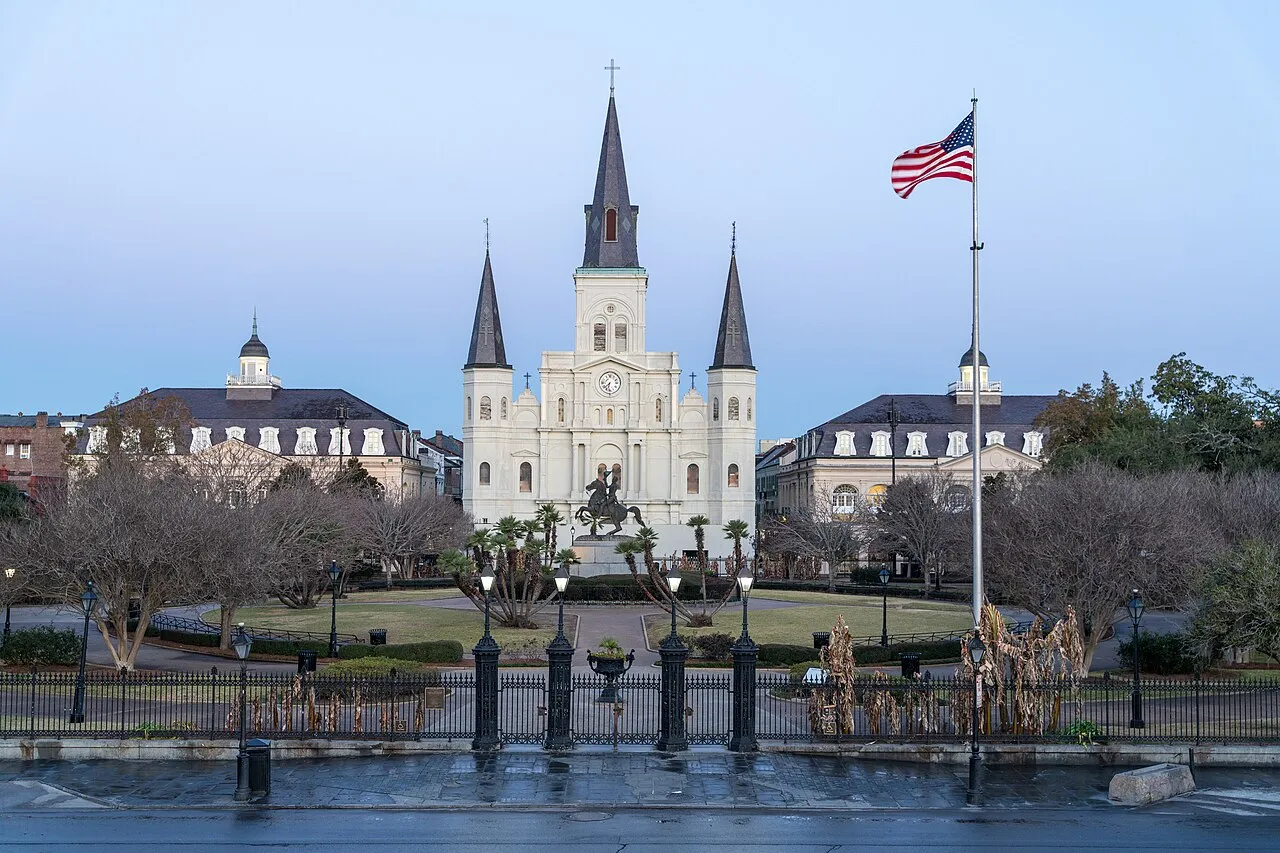
Jackson Square makes a natural meeting point because it is easy to recognize: St. Louis Cathedral rises behind the landscaped square, with the historic Cabildo and Presbytère on either side. Begin on the river side for a broad view, then wander around the square’s edges and notice how much activity can fit into a few blocks.
Allow time to look at the artists and performers who may be working nearby, remembering that schedules and permitted activities can change. If you visit the cathedral, treat it as an active place of worship and check visitor information before entering.
2. Browse the French Market
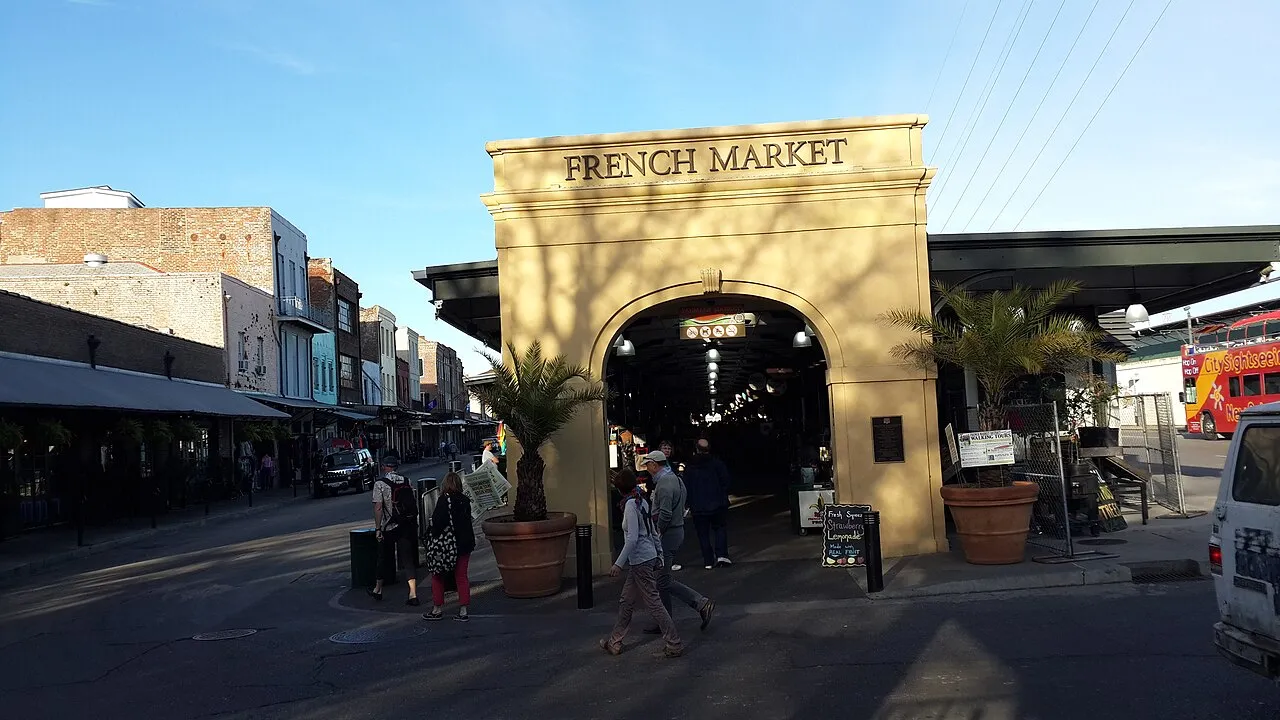
Continue along Decatur Street toward the French Market, an open-air stretch of shops and stalls where browsing can be as entertaining as buying. The mix of vendors changes, so give yourself time to wander rather than treating it like a single storefront. Stop for a snack if something appeals, and compare a few stalls before choosing a souvenir.
The market district runs for several blocks, which makes it useful for a gradual, low-pressure walk. Bring a reusable water bottle on warm days and check individual vendor hours if a particular shop is the reason for your visit.
3. Take a riverside break
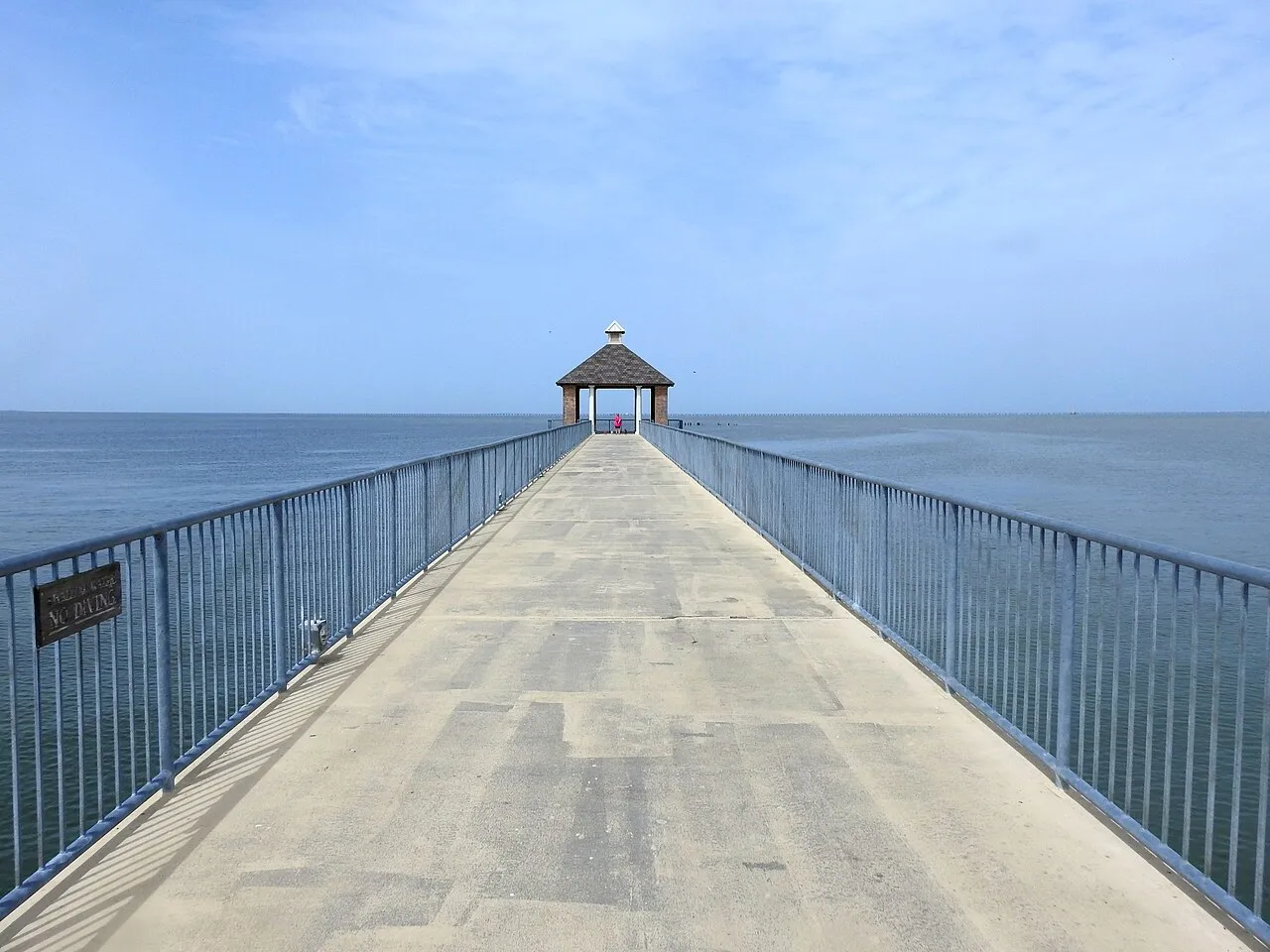
Cross toward the Mississippi River for a different perspective on the neighborhood. The riverfront promenade and Woldenberg Park offer space to slow down and watch boats travel past. The waterway is a reminder that the city’s story extends well beyond the picturesque streets behind you: trade, migration and cultural exchange all shaped New Orleans.
There is little need to build a strict schedule around this stop. Sit for a few minutes, look for shade and use the break to decide whether the next part of your day calls for a museum, a meal or more walking.
4. Look up on Royal Street
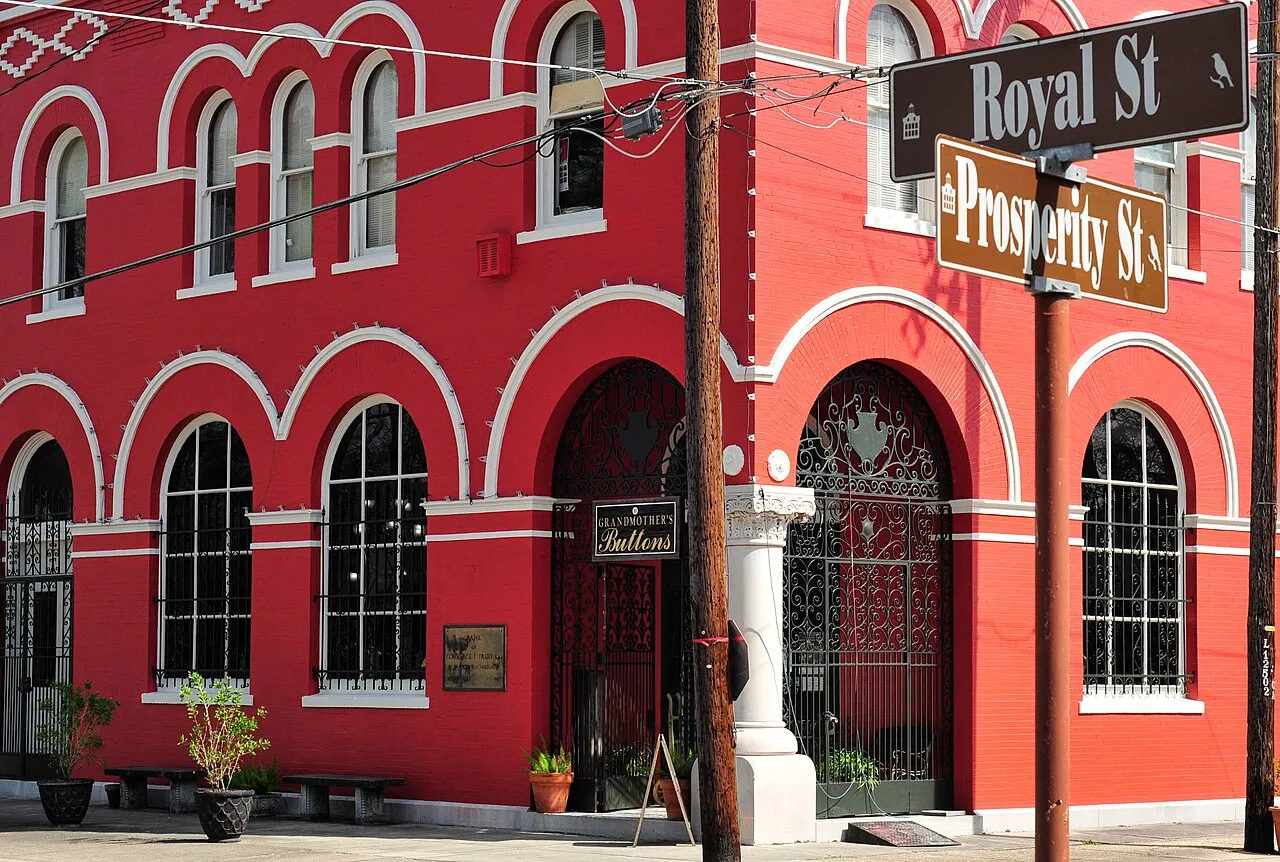
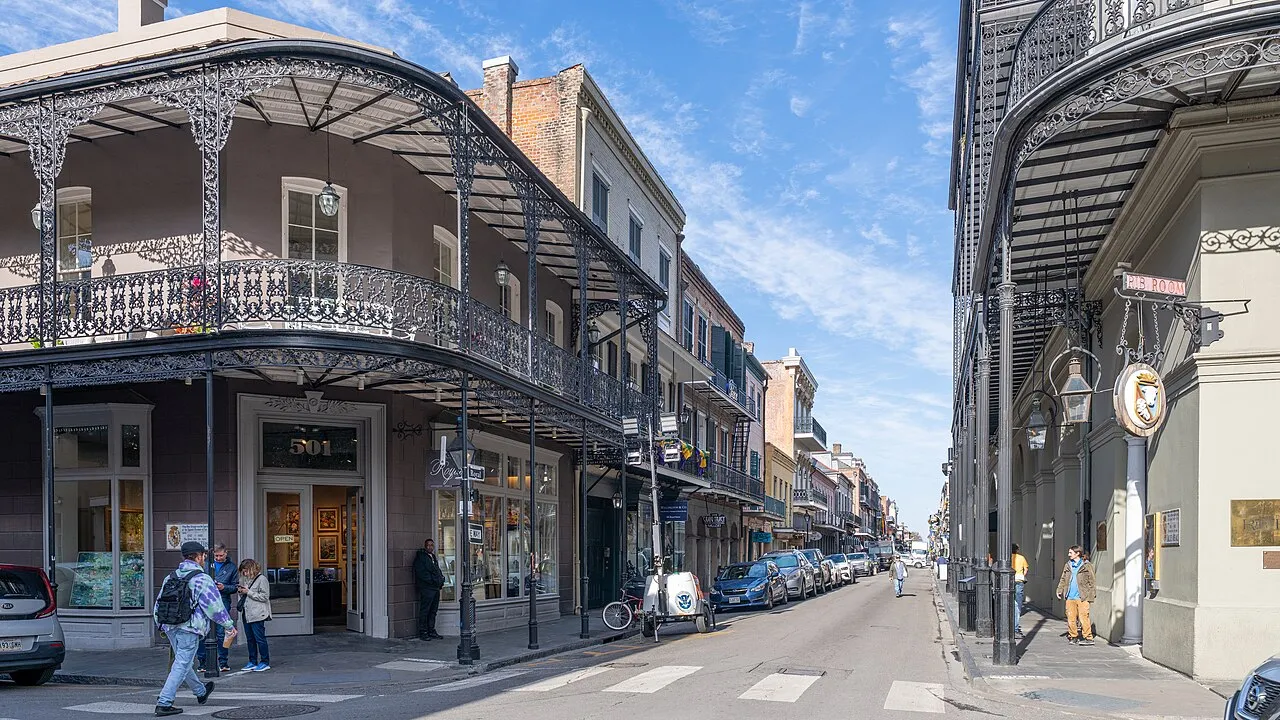
Royal Street offers a change of pace from the riverfront. Walk past galleries and shops, and notice the ironwork, shutters and architectural details above street level. Stores set their own hours, but window-shopping and looking at the buildings are worthwhile even when you do not plan to purchase anything.
Be considerate of residents and businesses: admire courtyards from public spaces, keep entrances clear and ask before photographing people or the interiors of shops. Sidewalks can be uneven, so comfortable shoes make a real difference.
5. Add a history stop at the Presbytère or Cabildo
The buildings flanking St. Louis Cathedral are part of the Louisiana State Museum system. Exhibits provide an opportunity to move beyond the postcard view and explore subjects connected to the state’s history and culture. Choose the museum that most interests your group and check current exhibits, admission and opening days before setting out.
A museum stop also gives a walking day a useful indoor interval. If you are traveling with children, leave time afterward for questions and discussion instead of rushing straight to the next attraction.
6. Ask a ranger about New Orleans’ cultural stories
The French Quarter Visitor Center at 419 Decatur Street is a convenient place to add context to your walk. The National Park Service uses the location for Jean Lafitte National Historical Park and Preserve and New Orleans Jazz National Historical Park. Ask about exhibits, ranger programs and music-related events available during your visit.
The park service lists the center as open Tuesday through Saturday, with closures on federal holidays and Mardi Gras; verify hours and the program calendar before relying on a particular performance. Offerings are not necessarily the same every day.
7. Leave time to listen and eat
New Orleans deserves more than a checklist. Plan a meal at a locally owned restaurant, look for a venue with music that fits your schedule, or simply pause when you hear a street musician. Styles, performers and schedules vary, and a good day does not depend on finding a particular act.
If you enjoy a street performance, consider tipping the musicians. For an indoor show or a popular restaurant, confirm the venue’s current hours, age policies and reservation requirements. Make the final stop the one you are most excited about rather than the one that looks best on a map.
Planning your French Quarter walk
Several of these stops are close together, but heat, humidity, rain and crowds can make a short distance feel longer. Start early in hot weather, carry water and take breaks indoors. Use transit, a taxi or a rideshare to reach the neighborhood if parking would complicate your day, and check accessibility information for individual museums and venues.
Allow a few hours for the walk or most of a day if you include museums and a sit-down meal. Above all, leave space for the unexpected detail—a courtyard glimpse, a conversation or a song drifting around a corner—that makes the French Quarter memorable.