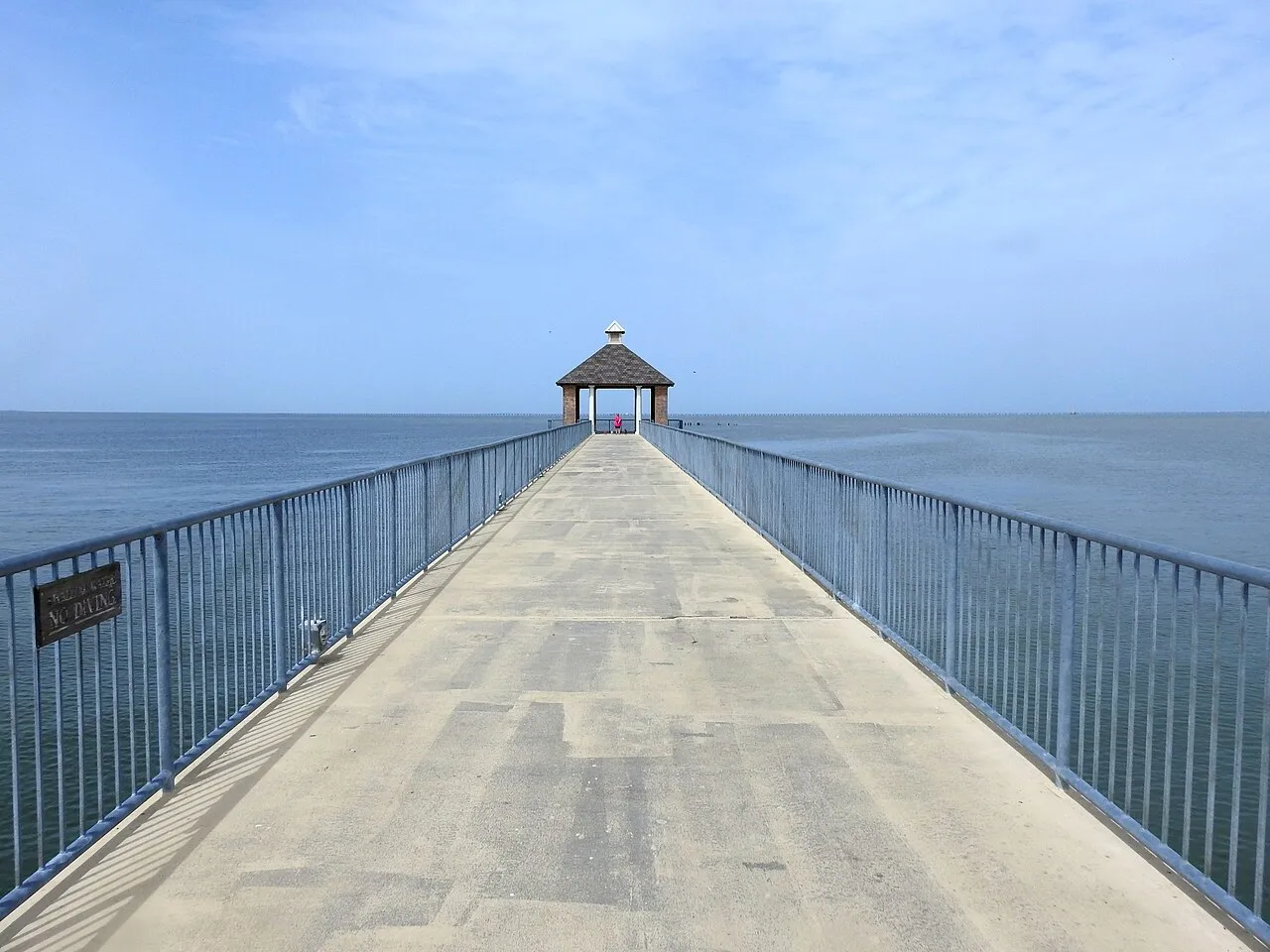
New Orleans is known for music, food and historic streets, but the city also contains a remarkable place to watch birds and explore wetlands. Bayou Sauvage Urban National Wildlife Refuge protects marshes, waterways and patches of forest near lakes Pontchartrain and Borgne, offering a different kind of outing within the city limits.
A visit can be as simple as a short boardwalk walk or a quiet stop with binoculars. These four ideas will help you enjoy the refuge while respecting the wildlife and checking the conditions that can change access.
1. Walk the Ridge Trail boardwalk
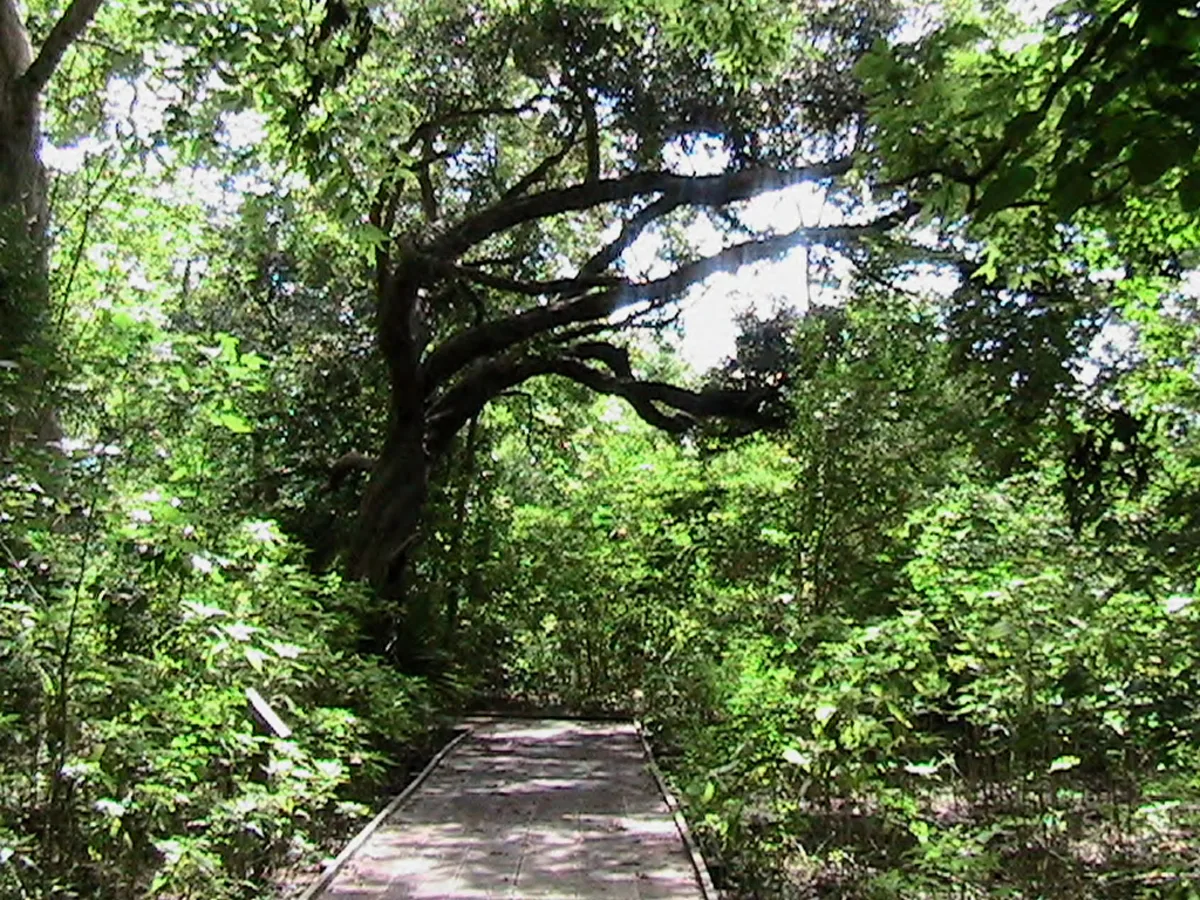
The Ridge Trail is a popular place to begin. The U.S. Fish and Wildlife Service describes an interpretive loop through forest and wetland habitat, with views toward the bayou and a marsh overlook. Signs explain natural history and restoration, offering useful context for visitors who are new to the area.
The refuge announced that the Ridge Trail and its boardwalk reopened after construction. Because closures and maintenance can change, check the official refuge page before you leave. The agency’s materials describe the loop as roughly half a mile to two-thirds of a mile; use the posted map and allow extra time for stops.
A picnic pavilion and restrooms are listed at the trail site. Even on a short walk, bring water, insect repellent and sun protection. Louisiana heat and humidity can make a quick outing feel longer than expected.
2. Bring binoculars for a wildlife-watching stop
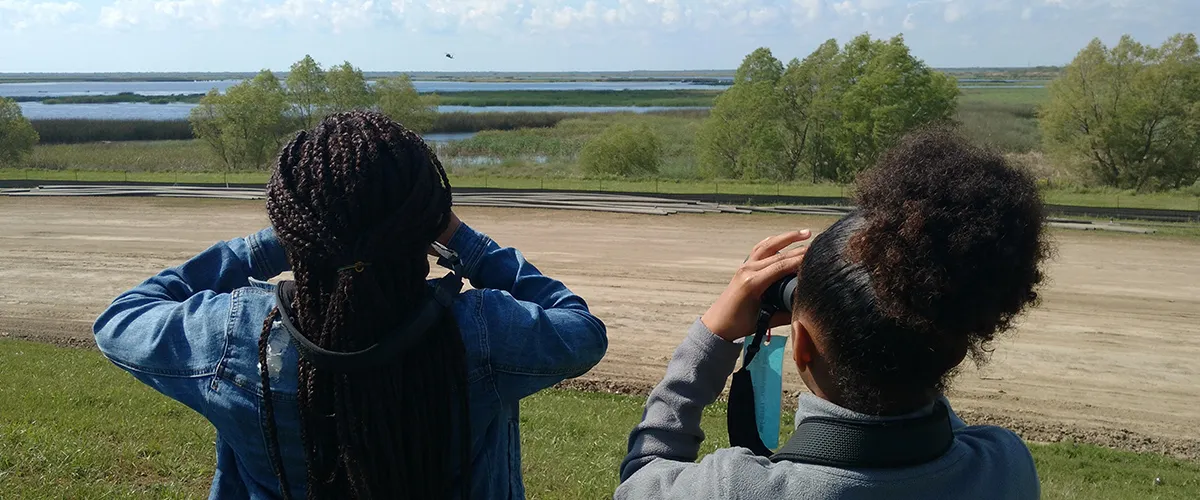
Fresh and brackish marshes, lagoons and forest patches provide habitat for a variety of birds and other wildlife. Take binoculars, move quietly and give yourself time to scan the water and vegetation. What you see depends on the season, weather and water conditions; no particular animal is guaranteed.
Families can turn the visit into a simple observation game: look for different bird shapes, listen for calls and notice how animals use the water’s edge. A field guide can help, but you do not need to identify every bird for the outing to be worthwhile. Stay on open routes and use overlooks rather than approaching wildlife.
Alligators live in Louisiana wetlands. Never feed or approach one, keep pets leashed and supervise children near the water. The refuge specifically warns that feeding alligators encourages dangerous behavior and harms the animals.
3. Visit Joe Madere Marsh
Joe Madere Marsh provides another way to see the refuge. The Fish and Wildlife Service lists a picnic pavilion, short boardwalk and marsh overlook, where visitors may look for shorebirds, waterfowl and alligators. Bring binoculars and plan to spend a little time watching rather than trying to cover every access point.
Although the site has a canoe launch, the agency notes that the waterway is often silted in and paddling may not be possible much of the year. Check current conditions and access before bringing a boat, and have an alternative plan if water levels or closures make a launch impractical.
Use the refuge’s directions and map rather than assuming the various trailheads are adjacent. Some access points are reached from different roads, and travel time can be longer than a map of the city alone suggests.
4. Plan around seasonal access
The refuge is open during daylight hours, with additional seasonal restrictions in some areas. The Fish and Wildlife Service says areas outside the hurricane protection levee are closed to most public entry until noon from November 1 through January 31 and during the state teal season; youth waterfowl hunting is an exception described in the refuge rules.
Check the current public-use brochure, signs and refuge staff guidance to understand which areas the restriction covers. Conditions can also change for restoration, maintenance or weather. If you are unsure whether a gate or trail is open, choose a clearly open area and ask for clarification rather than entering a closed section.
Make it an easy outing
Read the refuge’s visitor information before traveling. Carry drinking water, sunscreen and insect protection, and do not leave valuables visible in your car. Pack out litter and keep pets on a leash.
Bayou Sauvage is a reminder that an urban trip can include wild places too. A short, patient visit can reveal a Louisiana landscape very different from the city streets nearby.