Near Natchitoches, the Cane River region holds a layered history of families, work, culture and resistance. Cane River Creole National Historical Park preserves several places where visitors can learn about that history, including a railway depot and portions of two former cotton plantations.
A thoughtful visit looks beyond the largest house. The stories of enslaved people, tenant farmers, craftspeople and their descendants are central to understanding the landscape. These four parts of a trip can help you approach the park with the time and context it deserves.
1. Start at the Texas and Pacific Railway Depot
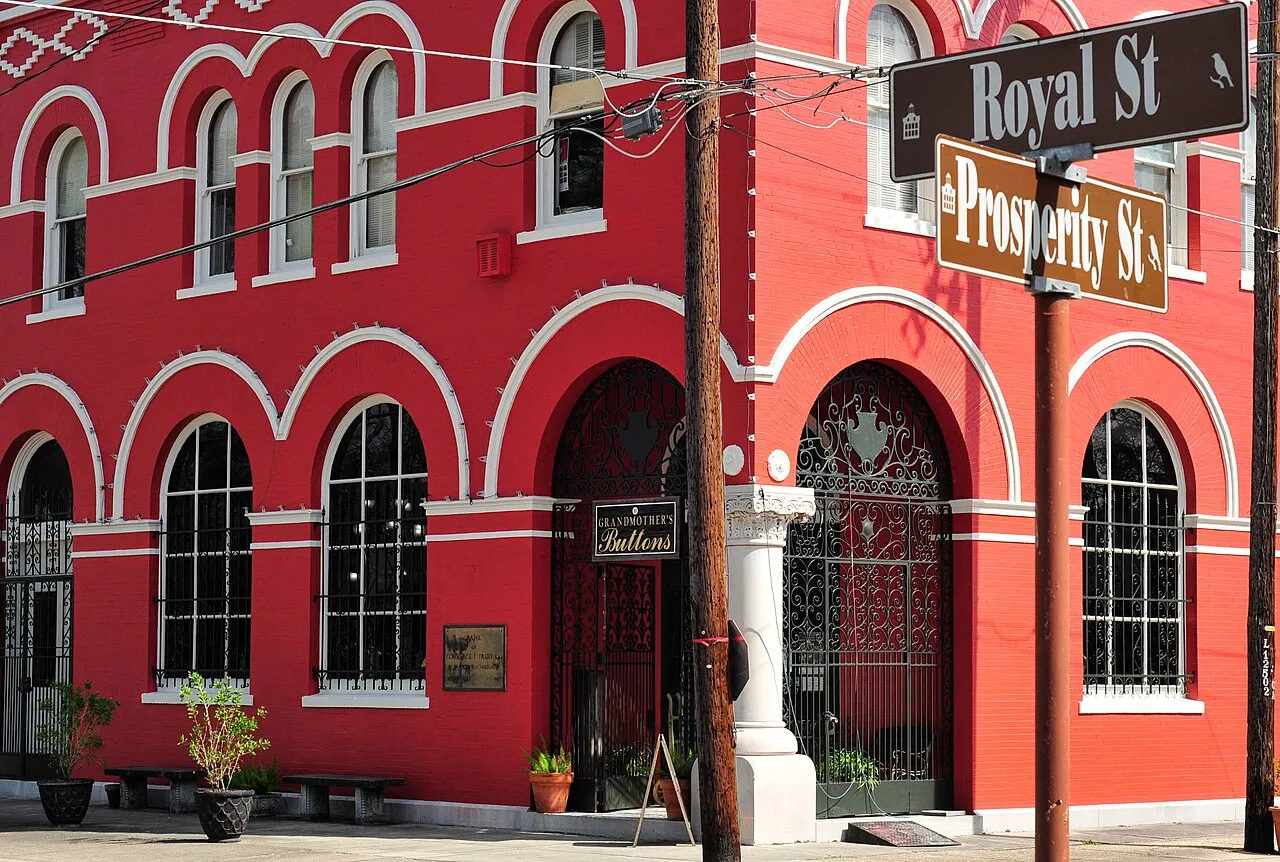
The park visitor center occupies the historic railway depot in Natchitoches. Begin with the exhibits and ask a ranger for maps, directions and current access information. The depot and the two plantation sites are at separate locations; the Park Service cautions that mapping apps do not always direct visitors accurately, so use the park’s published directions.
Completed in 1927, the depot also has a history of its own. Its separate waiting areas reflected racial segregation, and the Park Service describes the building’s connections to local civil rights organizing. Starting here places the later history of the region alongside the stories you will encounter at Oakland and Magnolia.
Allow time to ask questions about tour availability and accessibility. The depot and plantation grounds generally operate on a Wednesday-through-Sunday schedule, with holiday closures, but current information should always take precedence over an older itinerary.
2. Explore the Oakland grounds and quarters
Oakland Plantation was an agricultural community sustained first by enslaved workers and, after emancipation, by tenant farmers and sharecroppers. The surviving buildings help the park explain work, family life and the systems that shaped generations of people along Cane River.
As you explore the grounds, give the remaining workers’ quarters the same attention you give the main house. The Park Service notes that families lived in the surviving cabins into the 1960s. Interpretation addresses how labor, debt and unequal access to land affected people long after slavery ended.
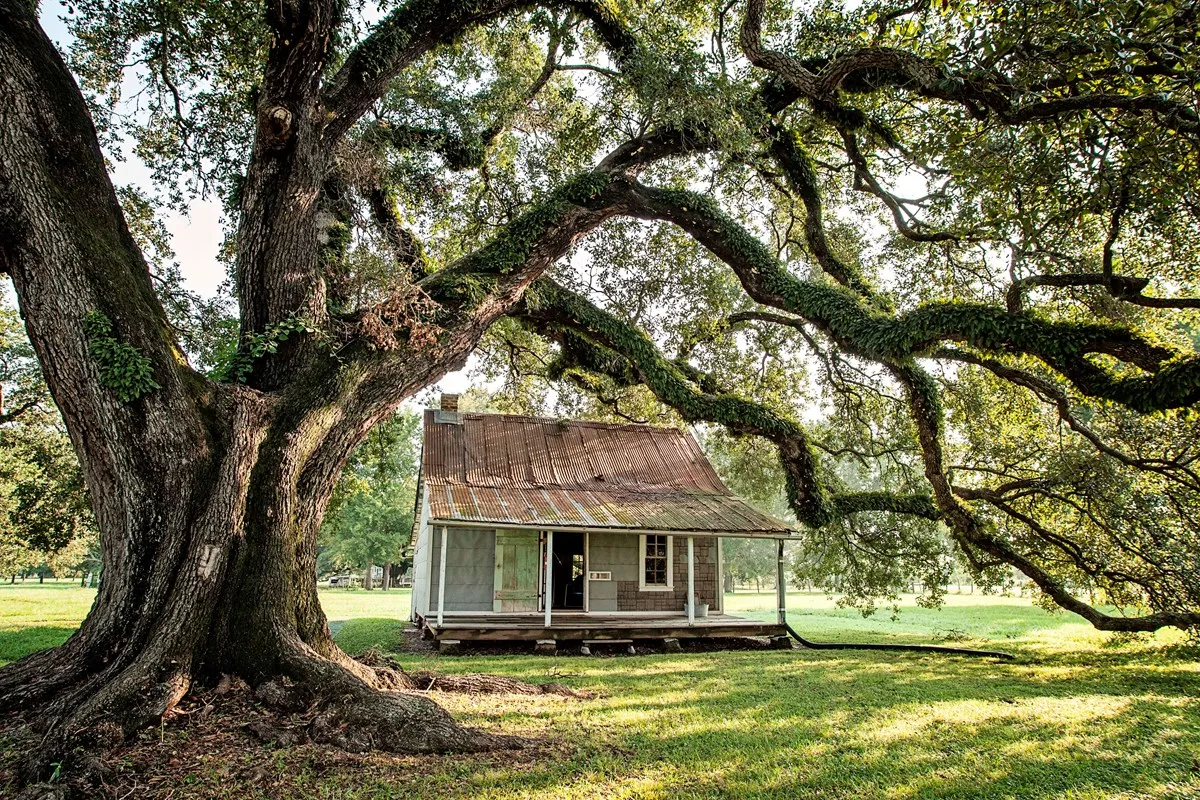
Grounds and outbuildings are available for self-guided visits during posted hours. The Oakland main house has more limited self-guided access, generally on weekends. Confirm the schedule before traveling and use the park map or app to understand each building’s role.
3. Visit Magnolia’s surviving structures
Magnolia Plantation preserves a different group of buildings and another opportunity to examine the region’s agricultural history. The park’s brick cabins were built to house enslaved people and later served tenant-farming families. They are reminders that the people whose labor sustained the plantation are essential to its history.
Look for interpretation of the working landscape and the skills required to maintain it, including the work of Black farmers and tradespeople. Historic records often describe the experiences of enslaved people through the limited perspective of owners and overseers; the Park Service continues to research and share the stories that can be recovered.
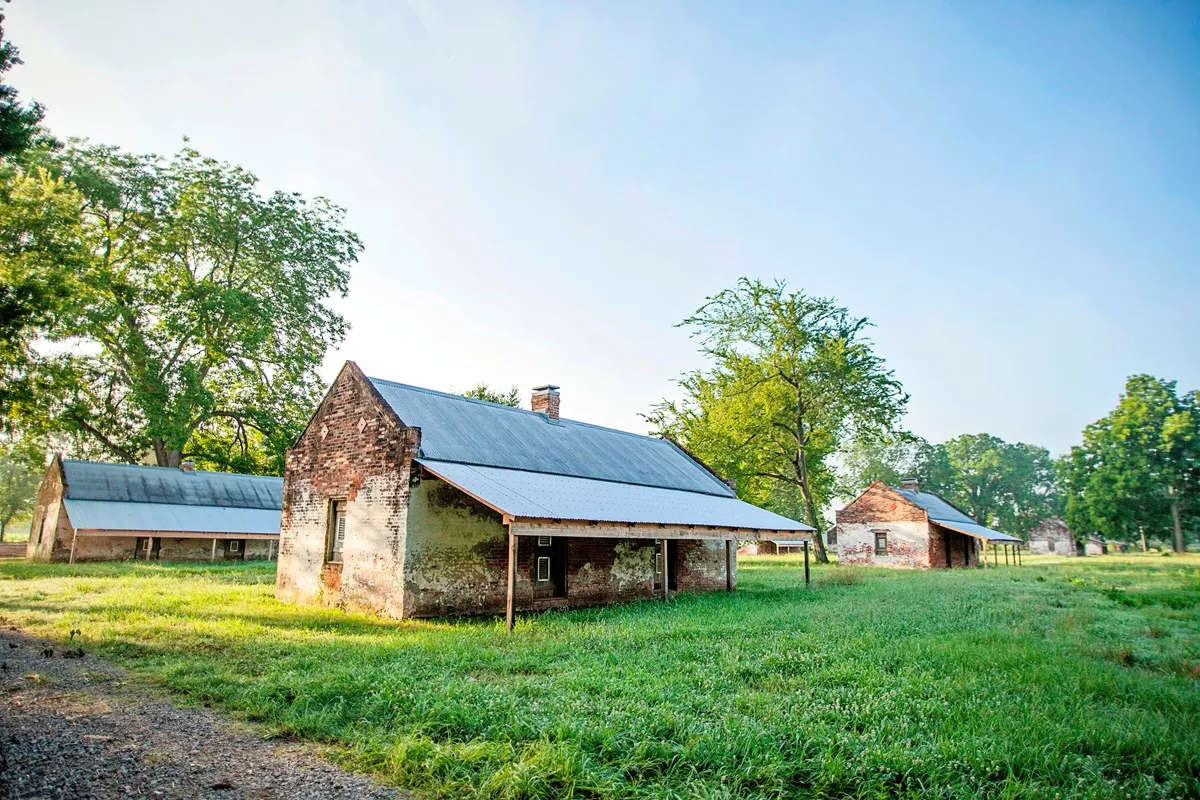
The Magnolia main house is privately owned and is not open to the public. Stay within the areas identified by the park and check current conditions before your visit. A ranger-led tour may be available by advance appointment, subject to staffing.
4. Make time for the wider Cane River story
Cane River Creole culture reflects the histories and contributions of people of African, European and Native American ancestry. The word “Creole” has different meanings in different places and families; park interpretation can help visitors understand how it is used in this region rather than reducing it to one simple definition.
Before or after the park, explore Natchitoches and other sites in the wider Cane River National Heritage Area. Check individual opening hours and allow driving time between stops. The region is not a single compact museum, and its communities continue to live and work here today.
Plan your day
Consult the National Park Service tour information for the latest hours and directions. As of November 2026, guided tours require advance arrangements and are subject to staff availability; the park asks visitors to make requests at least two weeks ahead. Hours for the depot, grounds and Oakland house are not identical.
Carry water and sun protection, wear comfortable shoes and allow time to read the exhibits. A careful visit can reveal connections between architecture, agriculture, enslavement, emancipation and civil rights that are easy to miss when the landscape is viewed only from the road.