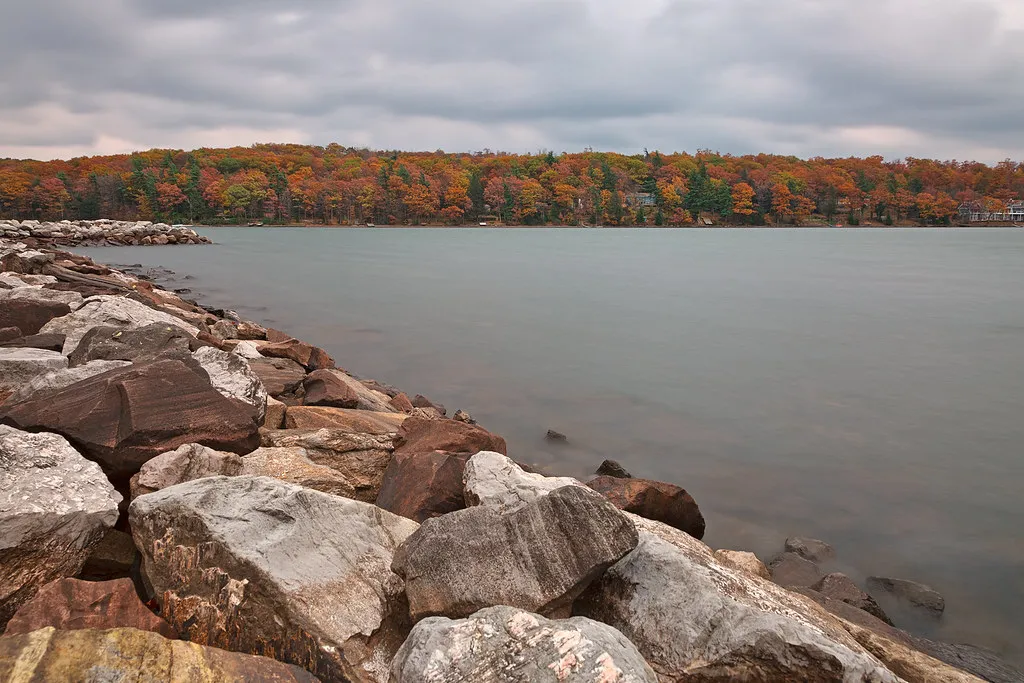
Annapolis is a capital city with a walkable historic center and a strong connection to the water. The dome of the Maryland State House rises above downtown streets, while the Severn River and Chesapeake Bay help explain the city's maritime character. You can see a great deal in a day, provided you leave space for current construction and changing visitor hours.
City Dock is undergoing a major flood-protection and redevelopment project. As of late 2026, access to parts of the waterfront is affected, so treat older photographs as a record of an earlier visit rather than a map of today's open routes. Here are five ways to plan a flexible Annapolis day.
1. Explore the State House story
The Maryland State House is both a working government building and a place with a national story. Annapolis served as the nation's temporary capital in 1783–84. In the building, George Washington resigned his commission as commander in chief of the Continental Army in December 1783; the Continental Congress also met here.
Maryland's State Archives provides self-guided visit information and says adults need photo identification to enter, with security screening in place. Check the official visitor page before going: legislative activity, security procedures, hours and holiday closures may affect the experience. Allow time for the building to be both a historic site and a place where government work continues.
The State House area is a useful starting point for noticing the shape of downtown. Streets radiate away from the circle, linking civic buildings to shops and neighborhoods. Look for interpretive materials and read about the people whose experiences of Annapolis differed across generations, including enslaved and free Black residents as well as the officials most often mentioned in short histories.
2. Walk Main Street at your own pace
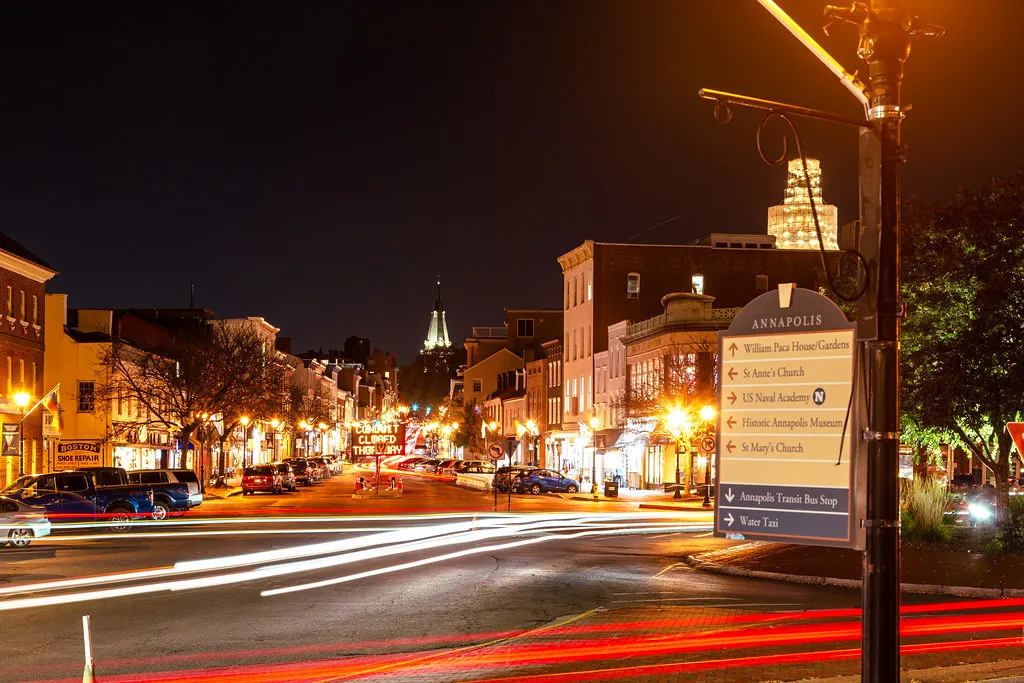
Main Street connects the historic center with the waterfront area and makes an easy framework for a stroll. Historic storefronts, restaurants and small businesses give the walk its character. Stop for a meal or browse a shop that catches your eye, but check individual hours—particularly on weekdays, holidays and in the off-season.
The streets are part of a living downtown rather than an outdoor museum. Watch for traffic, use crossings and take time on sloping or uneven sidewalks. A comfortable pair of shoes makes it easier to wander beyond the most photographed block and still enjoy the walk back uphill.
If you need a break, the city's Annapolis Current trolley connects several downtown areas and garages. Routes may change during construction, so confirm the current map and schedule before counting on a particular stop. Parking garages and a little walking can be less stressful than searching for the closest possible on-street space.
3. Check the waterfront construction before you go
City Dock and Ego Alley have long been associated with Annapolis boating and waterfront activity. The city's 2026 construction updates explain that the dock project has changed pedestrian circulation and removed access to some familiar public areas. The city projected a March 2027 reopening for the Ego Alley boardwalk and a July 2027 opening for City Dock Park, but these were plans rather than guarantees.
Consult the city's latest project information and follow signs or detours on the day of your visit. Do not cross fencing to reach a viewpoint shown in an old picture. Downtown businesses remain a reason to visit, and the city has posted wayfinding to help people find shops, parking and public facilities during the work.
The historic Main Street photograph here predates this phase of construction. Use it to appreciate the cityscape, not to infer current waterfront access. A flexible route makes it possible to enjoy the district even if the waterside walk you imagined is temporarily unavailable.
4. Learn about the Naval Academy
The U.S. Naval Academy sits beside the Severn River, and its campus is closely tied to Annapolis. The academy's visitor information is the place to check current entry requirements, identification rules, tour availability and any security restrictions. It is an active military installation, so access can change and a visitor should never assume every gate or building is open.
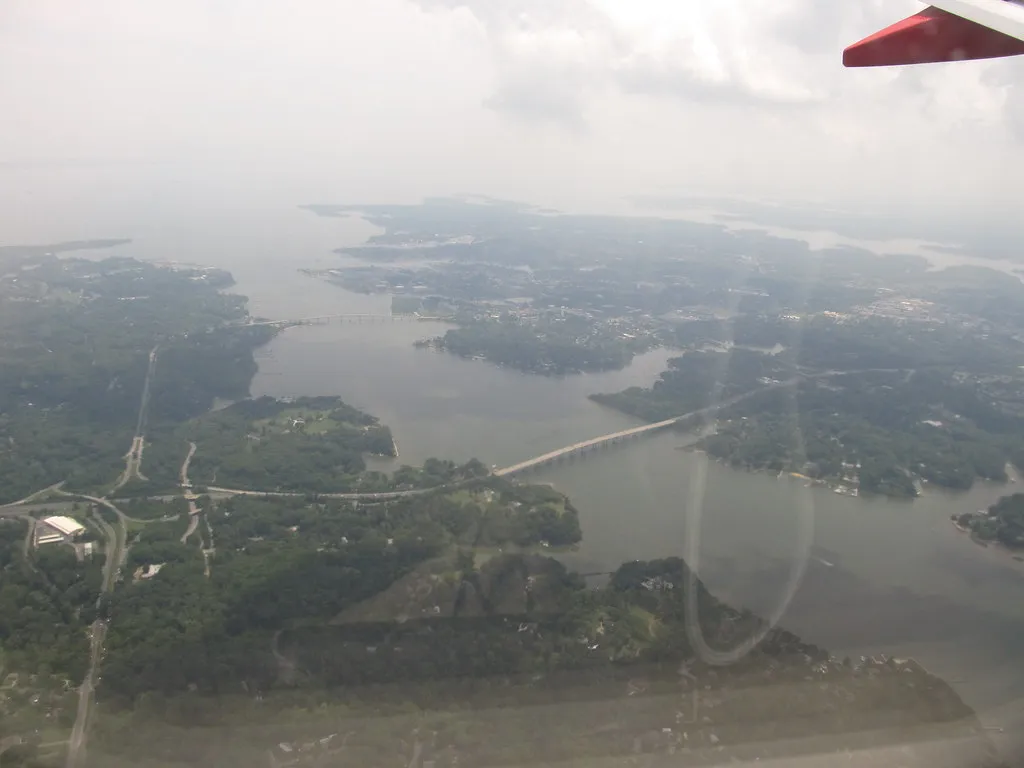
If a tour fits your day, allow time for the security process and follow the academy's directions. The river view helps explain how the institution and the city relate to the Chesapeake. The aerial photograph in this story shows the Severn and academy area from above; it is an orientation view rather than a visitor viewpoint on the ground.
5. Leave time for a museum or a longer meal
Annapolis has more history than a single afternoon can cover. The city points visitors toward historic houses, museums and walking tours; select one whose current schedule and subject interest you rather than rushing through several. The William Paca House and Garden is one local historic property, operated by Historic Annapolis, with its own admission and tour information.
End the day with time at a café or restaurant, or explore a different downtown street before heading home. Check accessibility and opening details directly with each venue, especially if steps or uneven surfaces will affect your group. A little planning lets the day's best discoveries happen between the major stops.