Maryland's Eastern Shore can change character in a surprisingly short drive. A barrier island meets the Atlantic, marshland spreads toward the horizon, a visitor center connects a landscape to a struggle for freedom, and a maritime museum brings the Chesapeake's working boats into focus. These four stops are connected by water, but each offers its own reason to pause.
They are not a single afternoon's itinerary. Choose one or two for a day, or give the region a longer stay with time between destinations. Check each site's hours and conditions independently: beaches, refuges, museums and visitor centers all operate on different schedules.
1. Assateague Island: Ocean beaches and wild horses
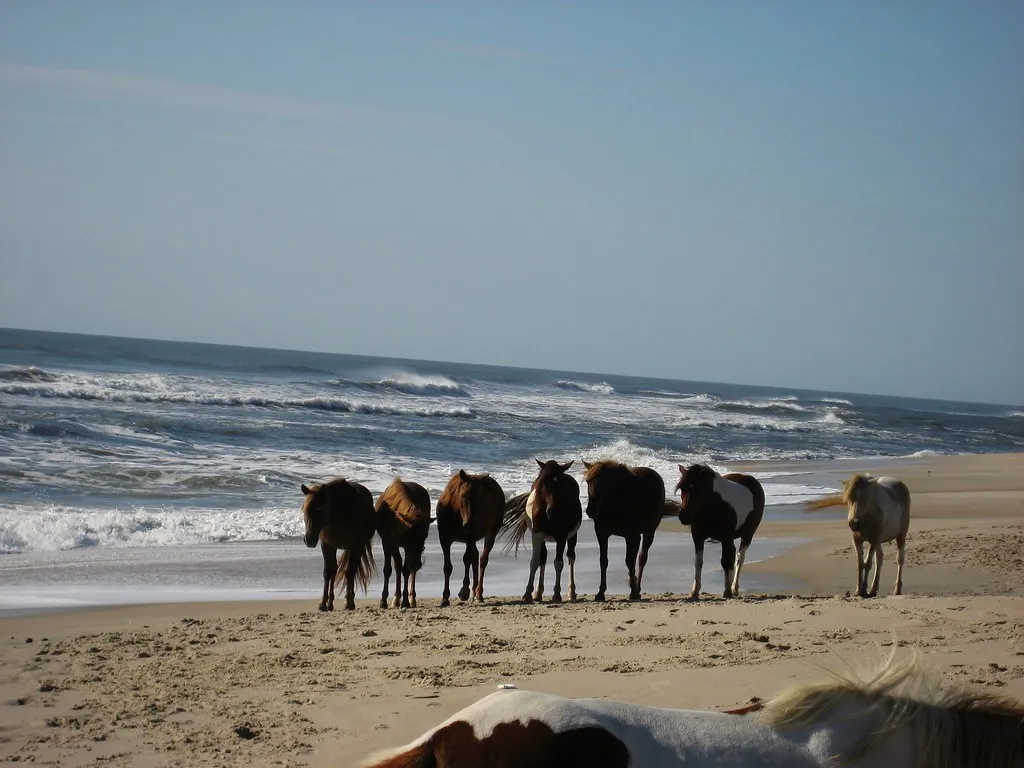
At Assateague Island National Seashore's Maryland district, the Atlantic beach and barrier-island landscape make an immediate impression. Wild horses are part of that landscape, but they are wild animals, not a petting attraction. The National Park Service instructs visitors to stay at least 40 feet away, never feed or touch them, and secure food. Give horses space to move without feeling surrounded, including in parking areas.
Plan around the weather and water conditions. Swimming without lifeguards carries risks; the park's information should be checked for current lifeguard availability and beach conditions before a visit. Bring drinking water, sun protection and insect repellent, and use designated paths across sensitive dunes. A marsh-side nature trail can add another perspective when open, showing that the island is more than its ocean-facing sand.
Entrance fees and campground arrangements are separate planning questions. Check the National Park Service's current fees, closures and construction updates before leaving. If horses approach your picnic or vehicle, move away calmly and secure food rather than trying to create a closer encounter. The best photograph is one taken from a respectful distance.
2. Blackwater National Wildlife Refuge: Marsh and sky
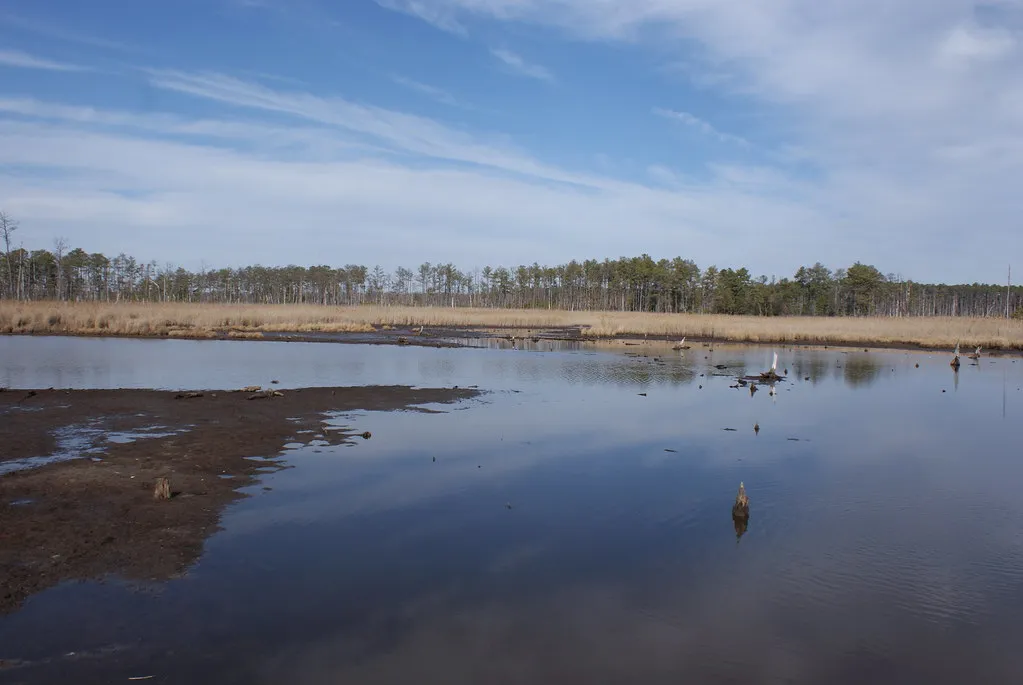
South of Cambridge, Blackwater National Wildlife Refuge offers a slower way to see the Eastern Shore. Its four-mile Wildlife Drive can be traveled by vehicle, bicycle or on foot when open, with views along the Blackwater River and across wetland habitat. Binoculars help, but a willingness to stop and look is just as useful. Birds and other wildlife appear on their own schedules, and each season changes the view.
Begin at the visitor center on Key Wallace Drive if its hours fit your trip. Exhibits and an observation area introduce the refuge, and staff can explain current conditions. The visitor center is free; a pass generally applies to the Wildlife Drive. Keep to designated public areas, use pullouts and leave wildlife undisturbed.
Closures matter here. The refuge periodically closes most of the drive and some trails for deer management; as of November 2026, upcoming main-drive closures included December 4, 2026, and January 8, 2027, with a separate Pool 5 loop scheduled to remain open. Check the latest notice and trail calendar before departure, since dates and conditions can change. A closed gate is a reason to adjust your plans, not a barrier to go around.
3. Harriet Tubman Visitor Center: History rooted in place
The Harriet Tubman Underground Railroad Visitor Center in Church Creek provides context for Tubman's life and the broader history of slavery and resistance. Born enslaved in Dorchester County, Tubman escaped and returned to guide others toward freedom. The National Park Service describes approximately 13 return journeys and about 70 people guided to freedom.
Exhibits and a film help explain the human stories behind the landscape. The center, jointly operated by the National Park Service and Maryland Park Service, is free; check its current hours before setting out. Allow time for the legacy garden and for the questions the exhibits raise, especially if visiting with children.
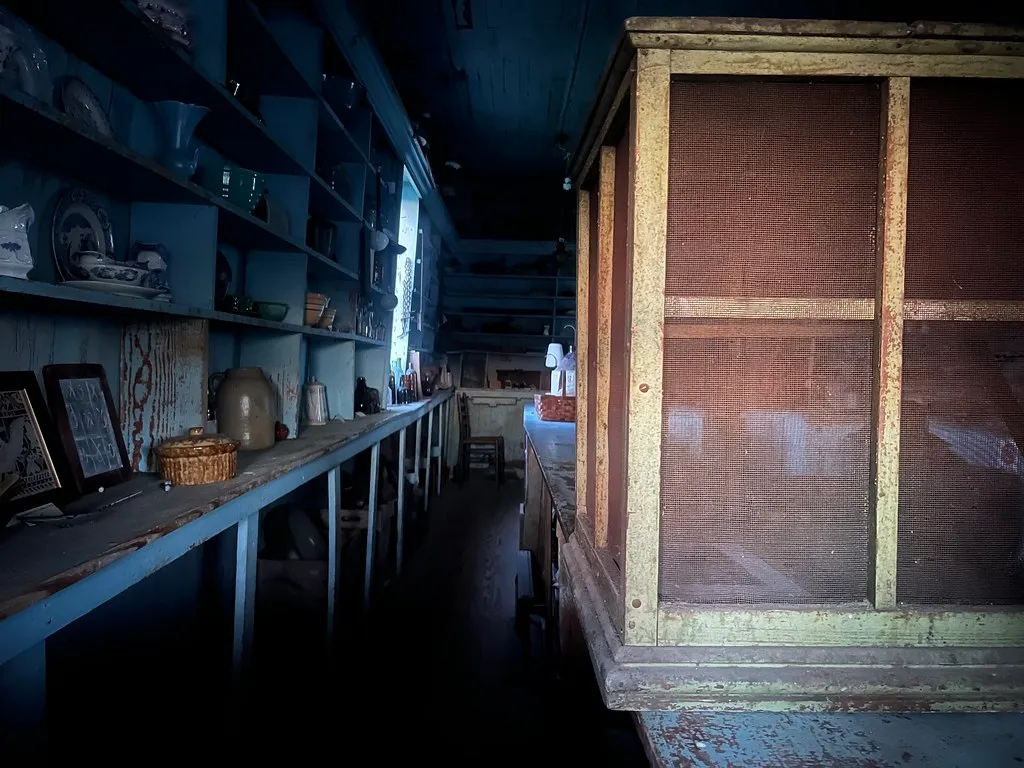
The Harriet Tubman Underground Railroad Byway connects other sites across the region, including the Bucktown Village Store. The byway's planning information says the store opens by appointment. Other stops have their own owners and schedules, so confirm access and respect private property. The interior photograph in this article documents the store on an earlier visit; it does not imply walk-in access today.
4. St. Michaels: A Chesapeake maritime story
On St. Michaels Harbor, the Chesapeake Bay Maritime Museum offers a different relationship with the water: the boats, skills and communities that have shaped life around the bay. Its waterfront campus includes indoor and outdoor exhibits, a working shipyard and a floating collection of historic vessels. Give the museum enough time to be more than a quick stop between meals.
The museum is at 213 North Talbot Street. Its visitor information says general admission is valid for two days and lists seasonal hours; confirm current prices, holiday closures and tour schedules directly. Some guided tours involve uneven surfaces, boardwalks or stairs, so ask ahead about access if that matters to your group. The museum's marina is for members, a useful detail if arriving by boat.
Afterward, explore the town's shops or have a meal nearby. Check individual opening days, especially in quieter seasons. Rather than trying to see every corner of the Eastern Shore at once, let St. Michaels be the focus of its own day and leave the ocean and marsh for another trip.
The distances between these stops are part of their appeal: the journey reveals farmland, small communities and waterways between each destination. Leave time for safe driving, check weather and current access, and keep the itinerary loose enough to linger where the story catches your attention.