Inside a large building in rural northeastern Nebraska, a visitor can look down at the fossilized remains of animals that gathered near a watering hole nearly 12 million years ago. Ancient rhinos, horses and other creatures were buried after volcanic ash reached the area, leaving a record scientists are still studying.
Ashfall Fossil Beds State Historical Park near Royal is a seasonal destination with a visitor center, a working fossil-preparation laboratory and a protected excavation area known as the Hubbard Rhino Barn. Here are five things to know when planning a family visit.
1. Start at the visitor center
The visitor center introduces the ashfall and the animals whose remains were preserved here. Exhibits give children and adults a useful frame of reference before they see the fossil bed itself: this was a living ecosystem, with many species using the same landscape.
Allow time to visit the fossil-preparation laboratory, where staff work on specimens recovered from the site. Nebraska Game and Parks invites visitors to ask paleontologists about their work. The amount of visible activity can vary, so check the day’s schedule when you arrive rather than promising children a particular demonstration.
2. Look into the Hubbard Rhino Barn
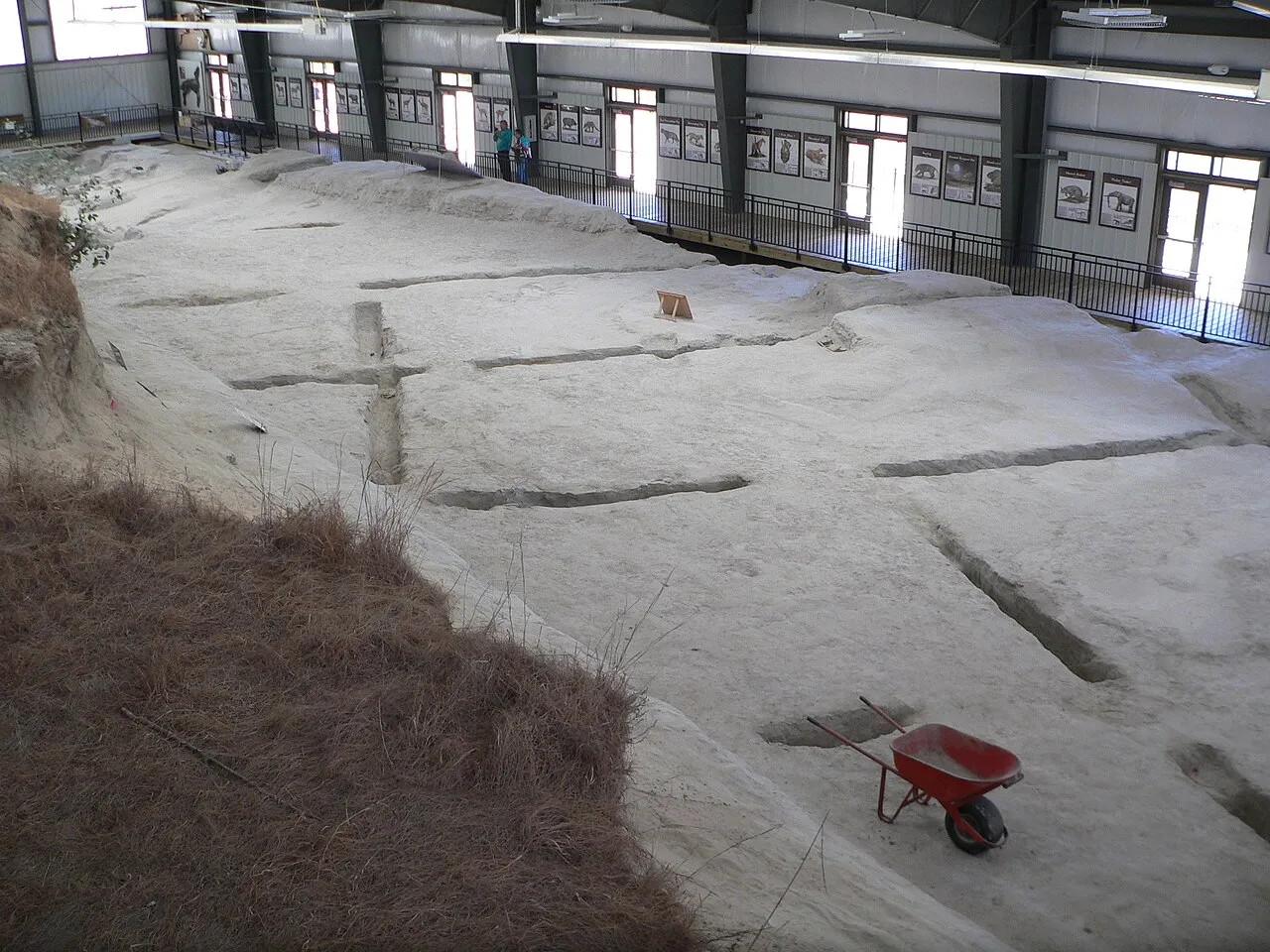
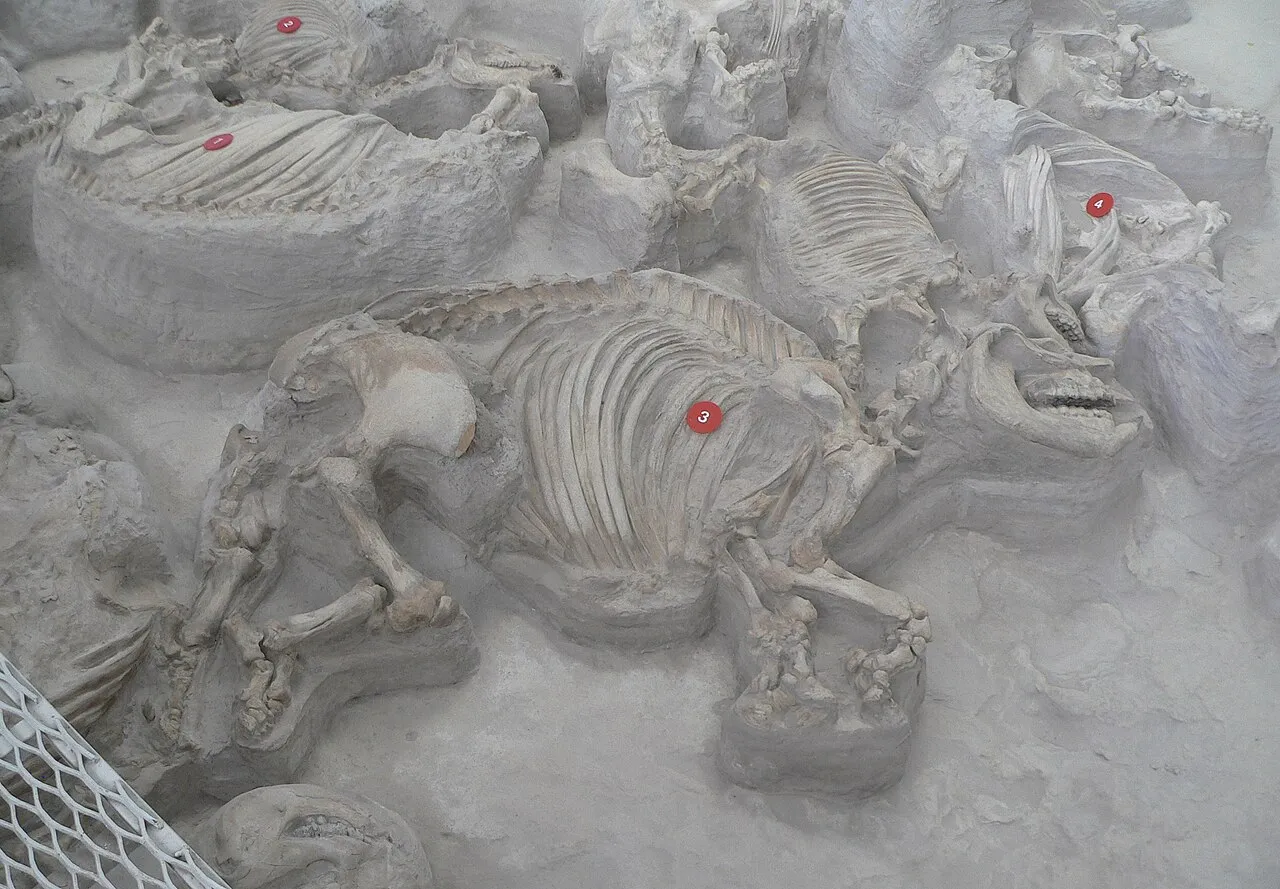
The Rhino Barn protects part of the fossil deposit and provides walkways from which visitors can look down at skeletons in the positions where they were found. The view makes the site different from a conventional museum display: you can see how the bones relate to the surrounding ash and to one another.
Take your time along the walkway and use the signs to identify what you are seeing. Staff and ongoing work may change which areas are visible. Stay behind barriers and follow instructions designed to protect the fossils and the people studying them.
3. Meet the ancient animals
Rhinoceroses are among the most recognizable finds, but they were not alone. The state describes fossils of ancestral horses and other animals alongside the rhinos. Illustrations in the barn help visitors imagine how these animals may have appeared when they were alive.
The fossil bed also invites questions about how scientists interpret evidence. A group of bones can suggest a relationship or behavior, but proximity alone does not prove every detail. Use the site’s interpretation as a starting point and ask staff what researchers know and what remains uncertain.
4. Walk the surrounding landscape
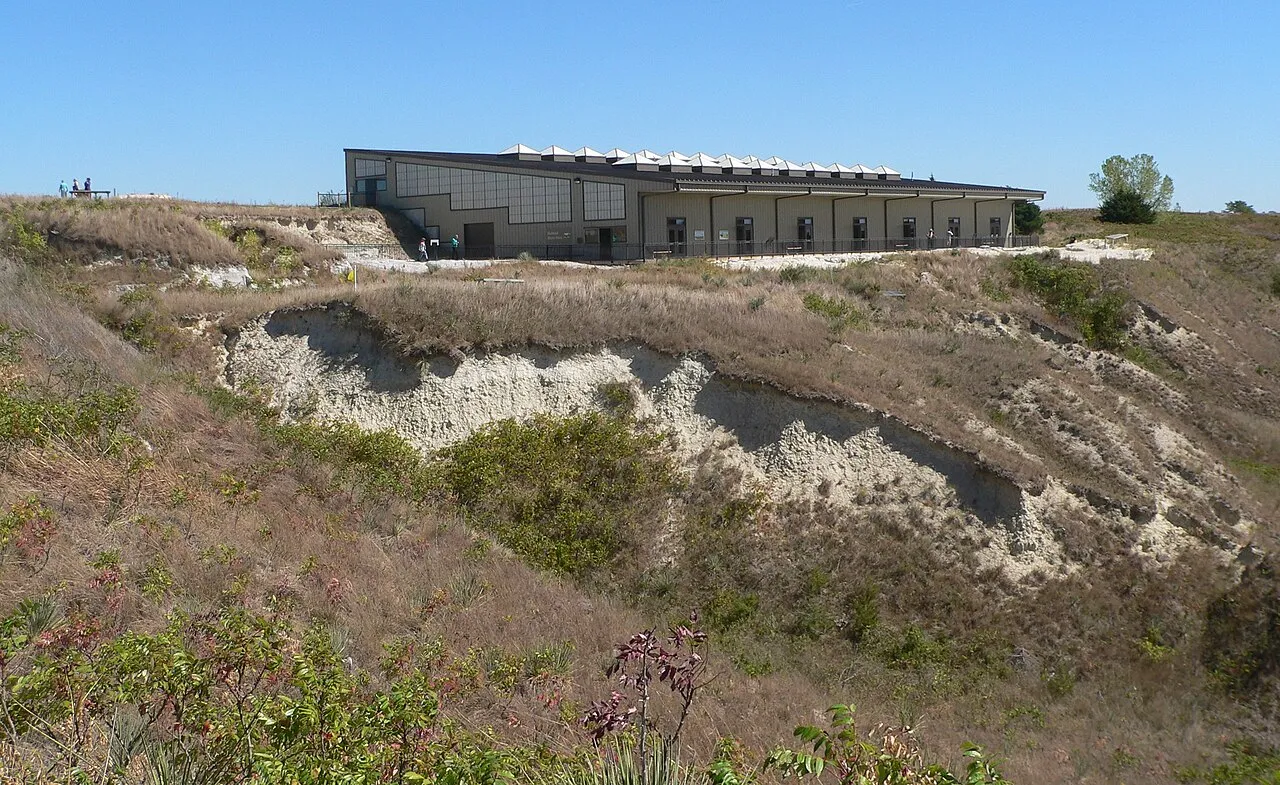
The park lists a mile-long interpretive trail through rolling grassy hills. A walk offers a change of pace after the indoor exhibits and a chance to look at today’s Nebraska landscape while thinking about the much older one beneath it.
Check the weather and current trail conditions, bring water and choose a distance appropriate for your group. Picnic tables and a shelter are available, making it possible to include a relaxed lunch. Keep children on established routes and leave plants, rocks and fossils in place.
5. Plan around the seasonal opening
Ashfall is not open year-round. Nebraska Game and Parks says it closes from mid-October through April 30, so as of November 2026 visitors should plan for a future operating season and check the park’s current schedule before setting a date.
Admission is charged in addition to the required Nebraska state-park vehicle entry permit. Verify the current price, tour arrangements and accessibility information with the park before leaving. A little advance planning matters because this rural stop may be a considerable drive from your starting point.
Before you go
Ashfall Fossil Beds is at 86930 517th Avenue near Royal. Allow enough time for the visitor center and Rhino Barn, then add a trail walk or picnic if the weather and your schedule permit. The site is a joint project of Nebraska Game and Parks and the University of Nebraska State Museum, combining a family outing with an active scientific story.