Western Nebraska’s horizons can make a road trip feel wonderfully spacious. Follow the North Platte Valley and a series of distinctive bluffs and rock formations come into view—landmarks that meant something to Indigenous peoples long before they appeared in nineteenth-century emigrant journals.
The Western Trails Scenic and Historic Byway links communities and landscapes between the Ogallala area and the Wyoming border. These five stops offer a varied introduction. They are spread out, so use them to build a flexible route rather than assuming you can see everything in an afternoon.
1. Ash Hollow and Windlass Hill
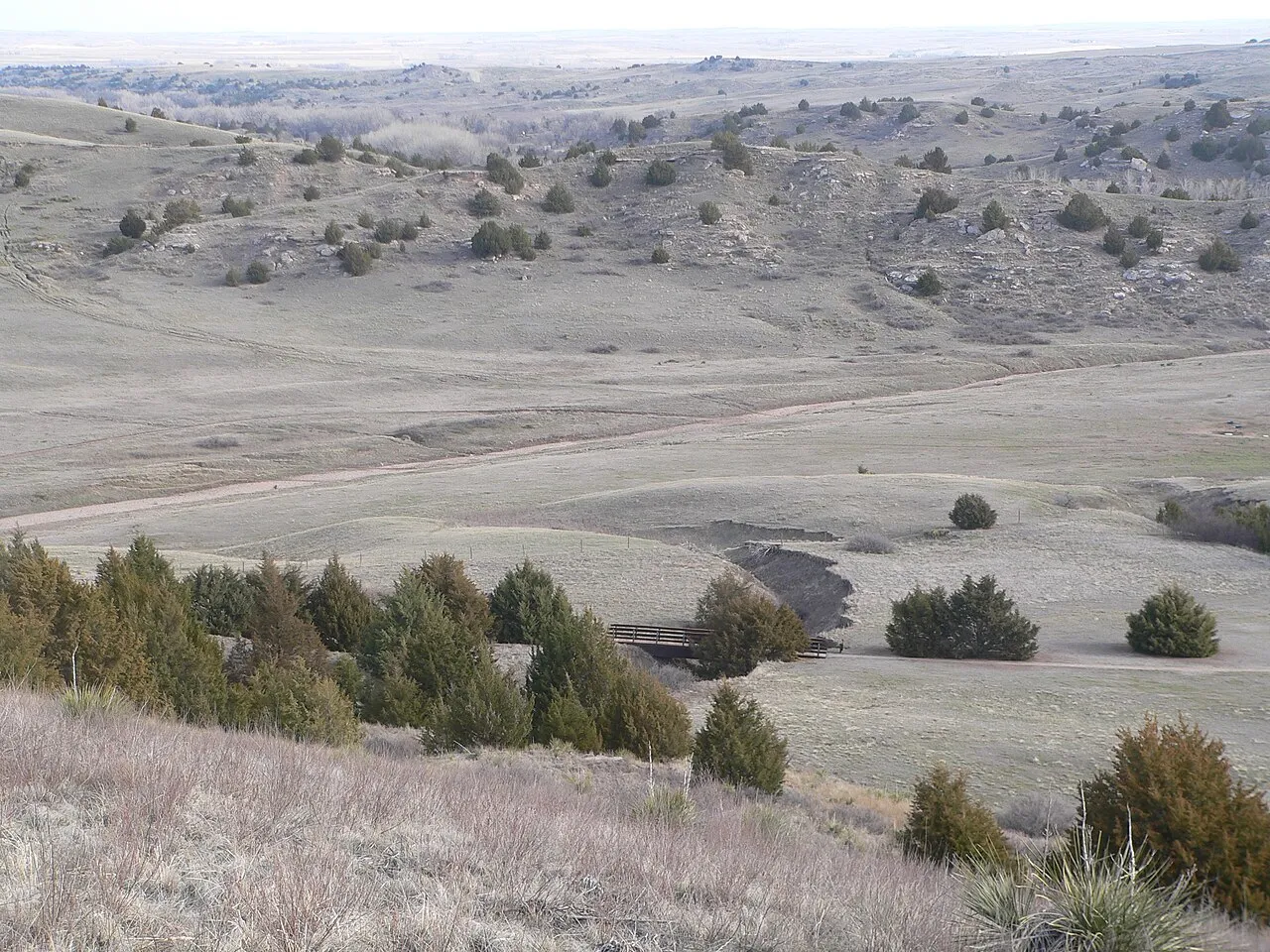
Near Lewellen, Ash Hollow State Historical Park interprets a landscape with thousands of years of human history as well as the overland trails. Windlass Hill was a difficult descent for westbound travelers; marks in the landscape help visitors consider the physical demands of moving wagons across it.
Start with current Nebraska Game and Parks information on access and seasonal facilities. Wear sturdy shoes if you plan to walk and keep to designated paths. The hill is more meaningful when considered alongside the longer Indigenous history of the area, which predates the emigrant trail by many generations.
2. Courthouse and Jail Rocks
South of Bridgeport, Courthouse and Jail Rocks stand above the surrounding terrain. Their shapes made them useful landmarks to travelers moving along the Platte corridor, and they remain striking sights today. Nebraska tourism identifies them near Highway 88 south of town.
View the formations from an appropriate public location and observe property boundaries. Do not climb fragile rock or walk across private land without permission. A pair of binoculars can help you appreciate the layered shapes from a respectful distance.
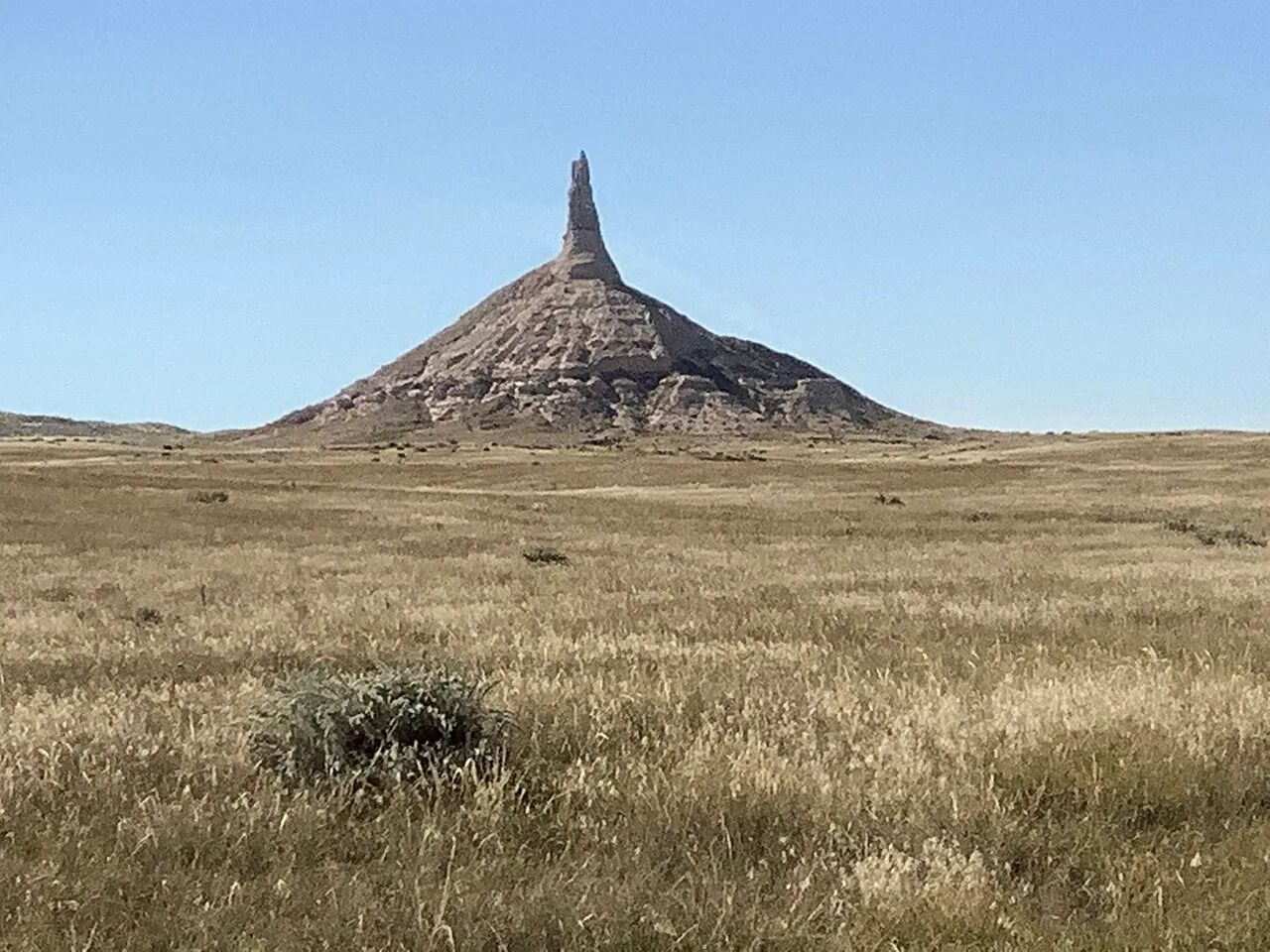
3. Chimney Rock and its museum
Near Bayard, Chimney Rock’s narrow spire rises above a wider base and can be seen from miles away. The National Park Service describes it as a particularly memorable landmark in emigrant accounts. The Nebraska State Historical Society operates the nearby visitor center and museum, where exhibits explain the formation and the overland routes.
The museum is a good place to turn a roadside view into a fuller history lesson. Check seasonal hours and admission before visiting: the historical society lists a different schedule for the off-season, and holiday closures apply. View the rock from established public areas rather than attempting to reach or climb the formation.
4. Scotts Bluff National Monument
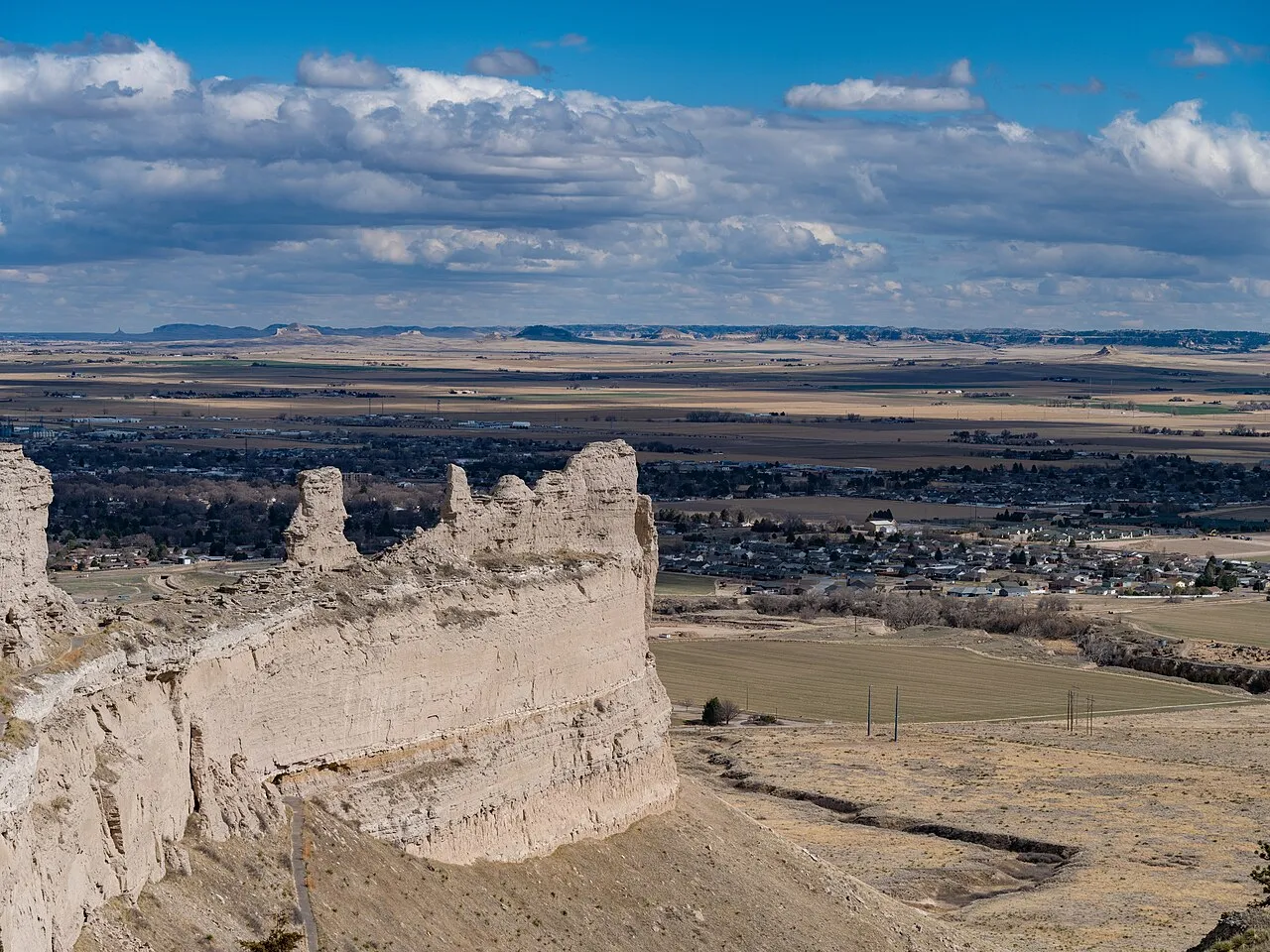
At Gering, Scotts Bluff rises over the North Platte Valley. The visitor center, historic trail interpretation and summit overlooks offer several ways to explore. If the Summit Road is open and your vehicle meets its size restrictions, the drive climbs through tunnels to the top; trails offer additional options for those prepared to walk.
Check road and trail conditions with the National Park Service, especially after severe weather. The monument also recognizes connections to many Indigenous nations, including Cheyenne, Arapaho, Lakota, Pawnee, Omaha and Ponca communities. Take time with that interpretation alongside the stories of emigrants traveling west.
5. Add a walk at Wildcat Hills
For a different perspective on the region, look into Wildcat Hills State Recreation Area near Gering. Nebraska tourism highlights its nature center, trails and views across rocky bluffs and the North Platte Valley. It makes a useful outdoor complement to the museums and historic markers along the route.
Choose a walk suited to your group, carry water and check the state’s current access, trail and vehicle-permit information. Weather can change quickly on exposed terrain. If you have limited time, save this stop for another trip rather than rushing through it.
Planning the drive
Nebraska tourism describes the byway as a 144-mile route using U.S. 26 and Nebraska 92 between the Ogallala area and the Wyoming border. Driving time does not include museum visits, meals or walks. Pick a few priorities, fuel up in town and verify individual hours before leaving.
Remember that these landmarks hold more than one history. Look for interpretation that addresses Indigenous communities and the consequences of westward expansion as well as the experiences recorded by emigrants. The result is a richer understanding of the landscape outside your window.