You do not need a mountain cabin or a week at the beach to give a North Carolina afternoon the feeling of a vacation. Sometimes it takes a path through a garden, a place to sit beside a fountain, and permission to spend a little longer looking at something beautiful.
These seven gardens stretch from the mountains to the coast. They are not seven stops on a single day's drive, and they do not all look their best in the same season. Choose the one near your trip, look up what is blooming, and leave room in the schedule to wander. Each has a different reason to stay a while, whether it is a historic greenhouse, a collection of miniature trees, or a chance to recognize the plants growing in your own corner of the state.
1. Sarah P. Duke Gardens — Durham
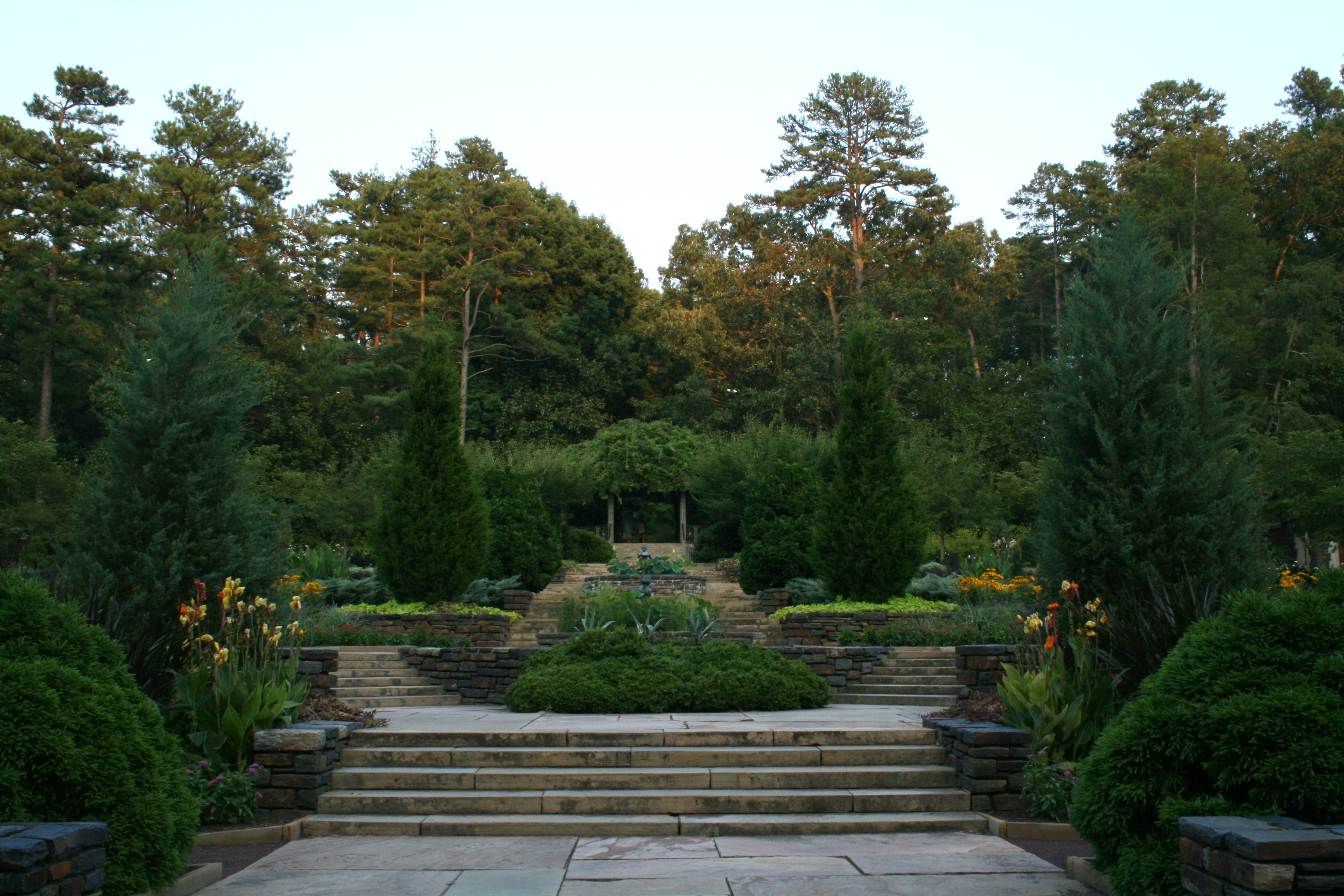
The Historic Terraces are a natural place to begin at Duke Gardens. Steps, planted beds, and changing levels give this part of the landscape a sense of ceremony, but you do not need a special occasion to enjoy it. Walk slowly enough to notice how the view changes when you turn around.
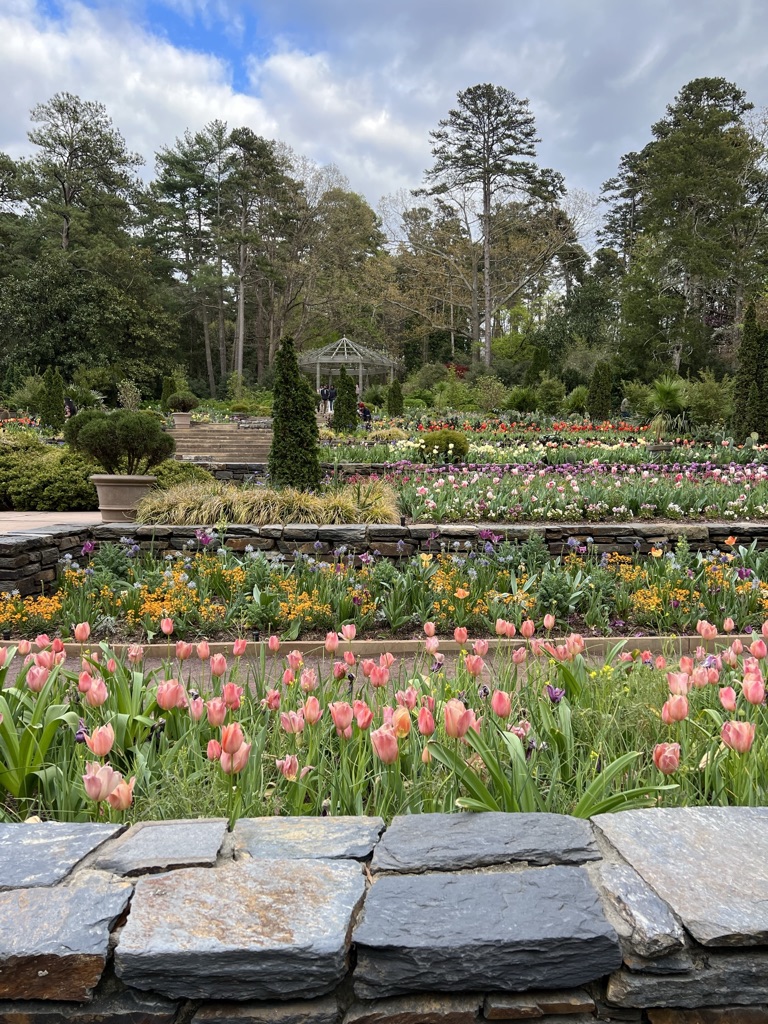
This 55-acre garden on Duke University's campus has several distinct personalities. After the terraces, the Blomquist Garden of Native Plants offers a focus on the southeastern United States, while the Culberson Asiatic Arboretum introduces another collection of plants and garden settings. Choosing two areas and exploring them properly can be more satisfying than trying to cover every path.
The practical detail that matters most is parking. Admission is free, but university parking is paid and spaces can fill early on pleasant days. Check the current parking guidance before driving over. Grounds, entrances, and visitor facilities also have different hours, so an early walk should not depend on a café or welcome desk being open. Bring the current map rather than relying on an old description of the entrance.
2. JC Raulston Arboretum — Raleigh
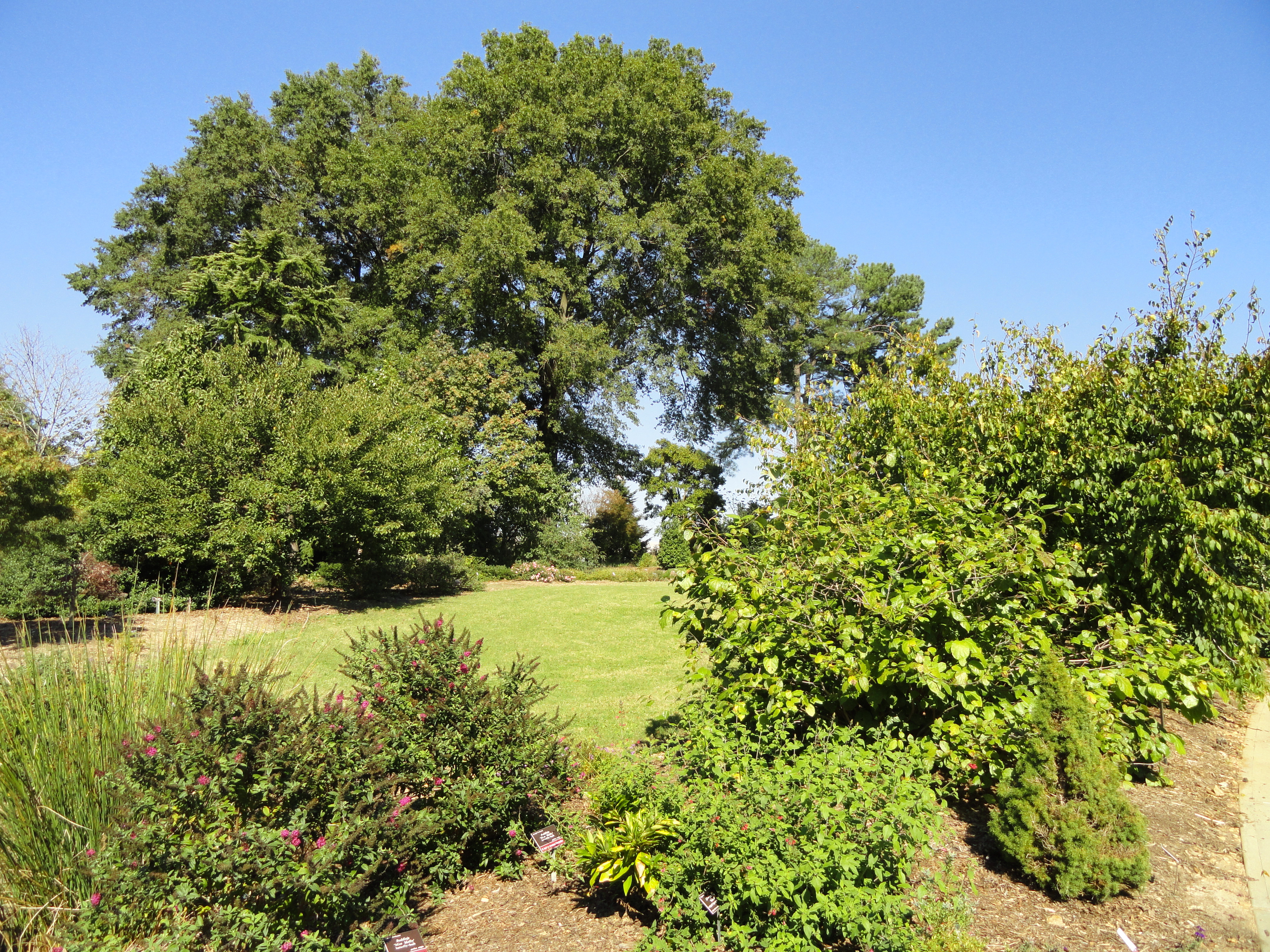
Raleigh's JC Raulston Arboretum is a particularly good place for people who stop to read plant labels. This NC State public garden is also a living laboratory, and the collections invite a closer look at what can grow in the southeastern United States.
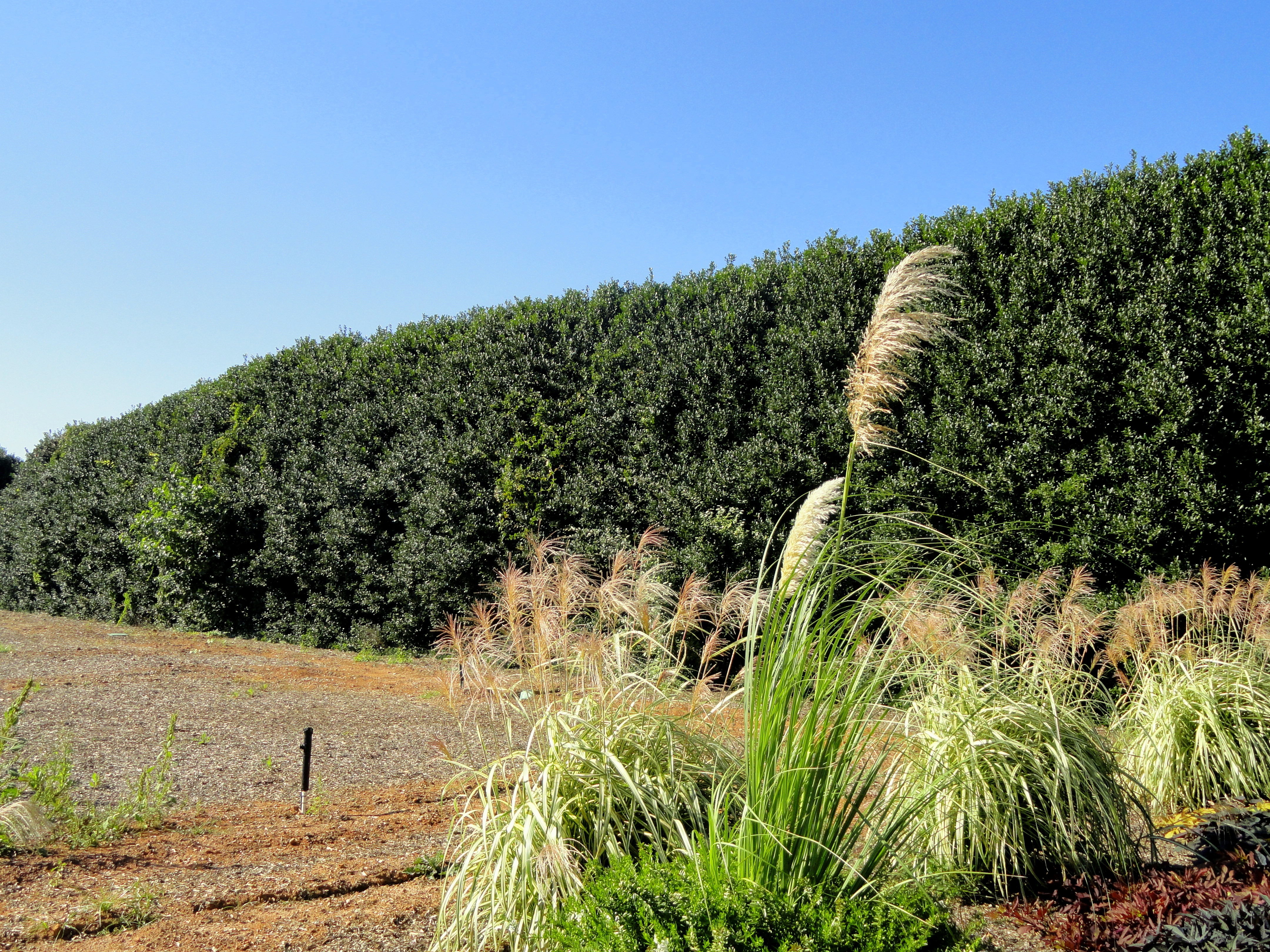
Instead of treating the arboretum as a single sweep of greenery, choose a collection to investigate. Maples, magnolias, boxwoods, and perennial plantings offer different shapes, textures, and seasonal changes. Gardeners may leave with ideas; visitors without a garden can simply enjoy the variety. A leaf or a branching pattern can be as interesting as a flower when you give it a moment.
Use the visitor information and garden map to build a manageable loop. If you are hoping for a particular bloom, check the arboretum's seasonal information before making a special trip. Programs and evening events can be separate experiences, so verify their ticketing and hours rather than assuming ordinary daytime access includes everything. This is a stop that rewards curiosity more than a hurried photo checklist.
3. North Carolina Botanical Garden — Chapel Hill
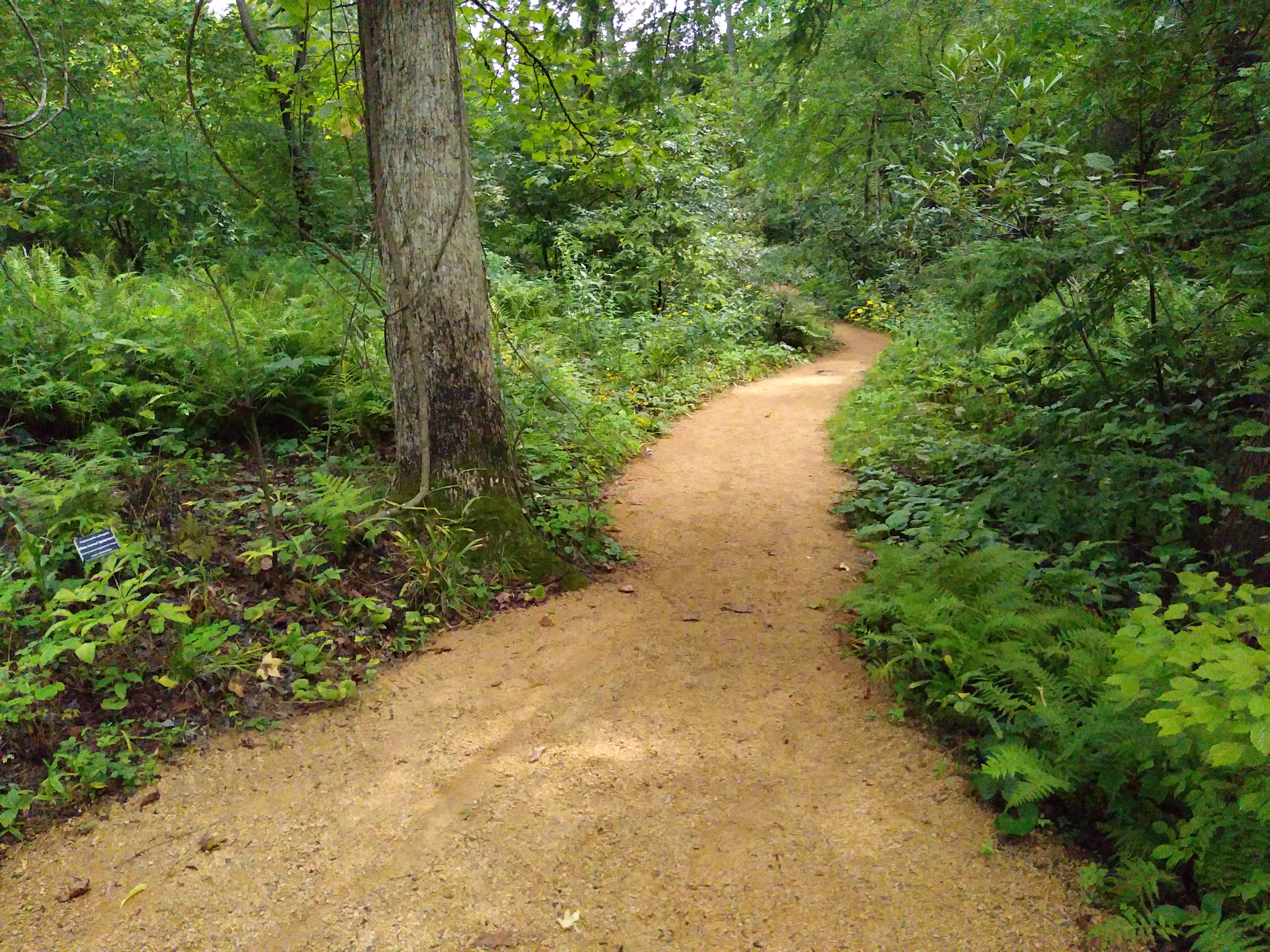
The North Carolina Botanical Garden makes the state's own plants the attraction. Its habitat gardens, carnivorous plant collection, and nature trails offer a different sort of outing from a garden built mainly around formal flower displays.
At the display gardens, take time with the labels and notice how plants are grouped by habitat. The experience can change the way you look at the landscape during the rest of your trip: a plant that seemed anonymous beside a trail may become something you recognize. Children and adults alike can find plenty to investigate in the unusual forms of carnivorous plants, without touching or disturbing them.
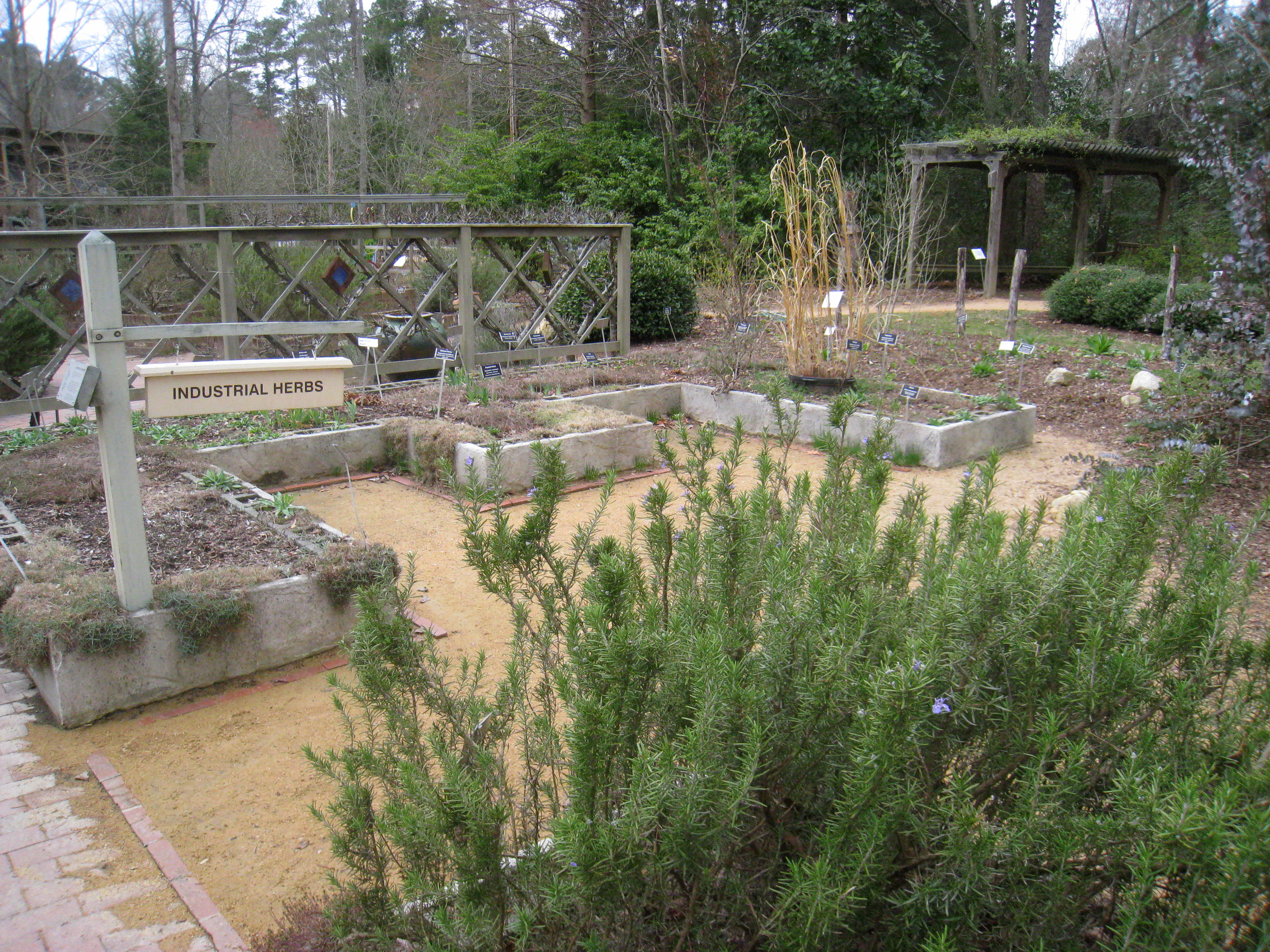
This garden is part of UNC-Chapel Hill, but check the address of the particular area you plan to visit; its broader conservation work includes several places. For the display gardens, use the visitor information for Old Mason Farm Road. Pair the visit with a walk only if the trail conditions and your group's energy suit it. Garden paths and woodland trails are different experiences, with different surfaces and accessibility needs.
4. Reynolda Gardens — Winston-Salem
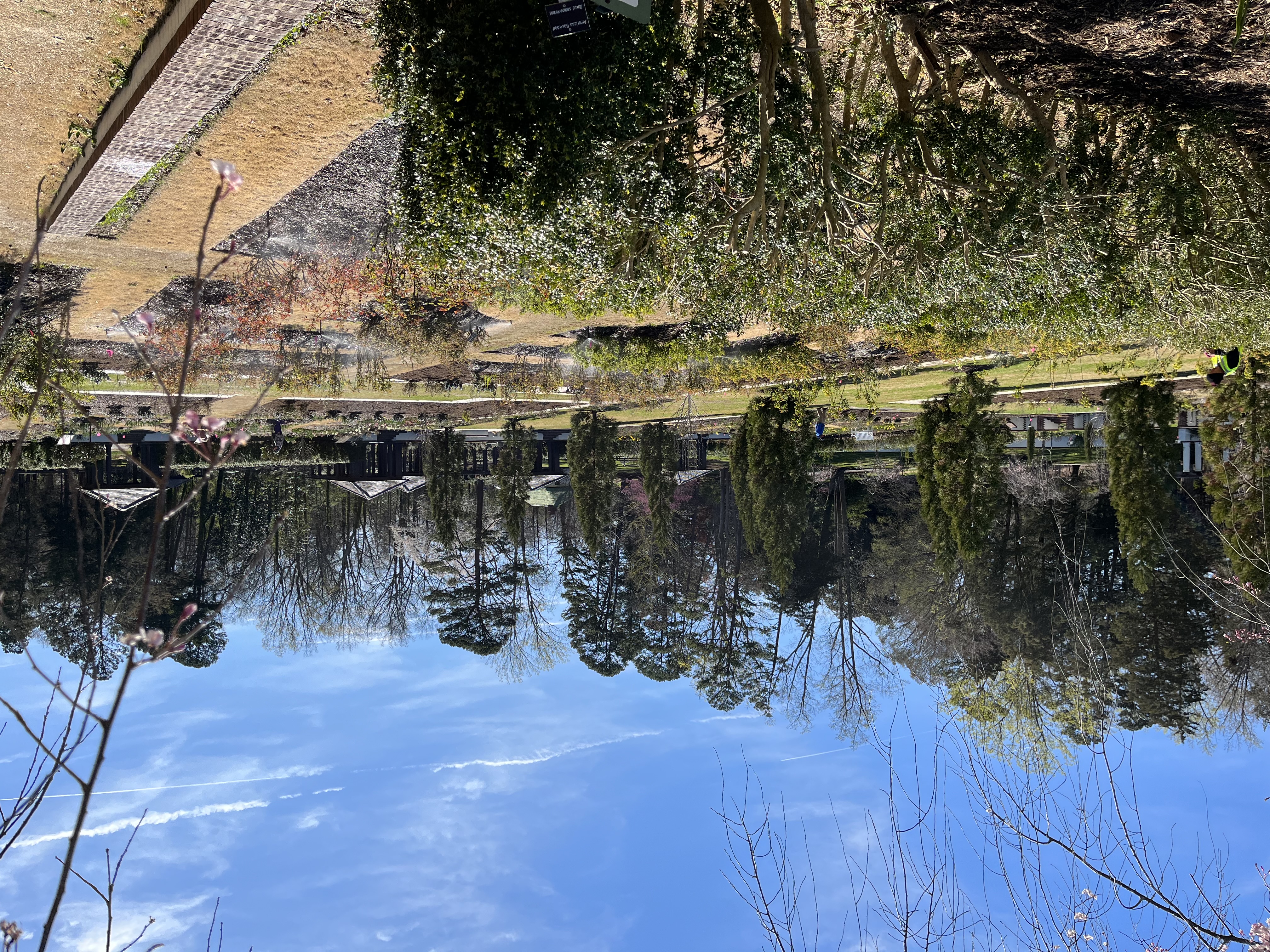
At Reynolda, the greenhouse is more than a backdrop. The restored Brown Family Conservatory leads into the formal gardens and connects today's visit with the estate's early horticultural ambitions. The original greenhouse complex dates to 1913; its restoration reopened to visitors in October 2024.
Inside, seasonal displays and plants from different climates offer reasons to pause before heading outdoors. The formal garden is arranged in distinct rooms, including rose gardens and areas organized around color. Look for the central paths, pergolas, and fountains that give the plantings their structure. Even between peak blooms, the layout offers something to appreciate.
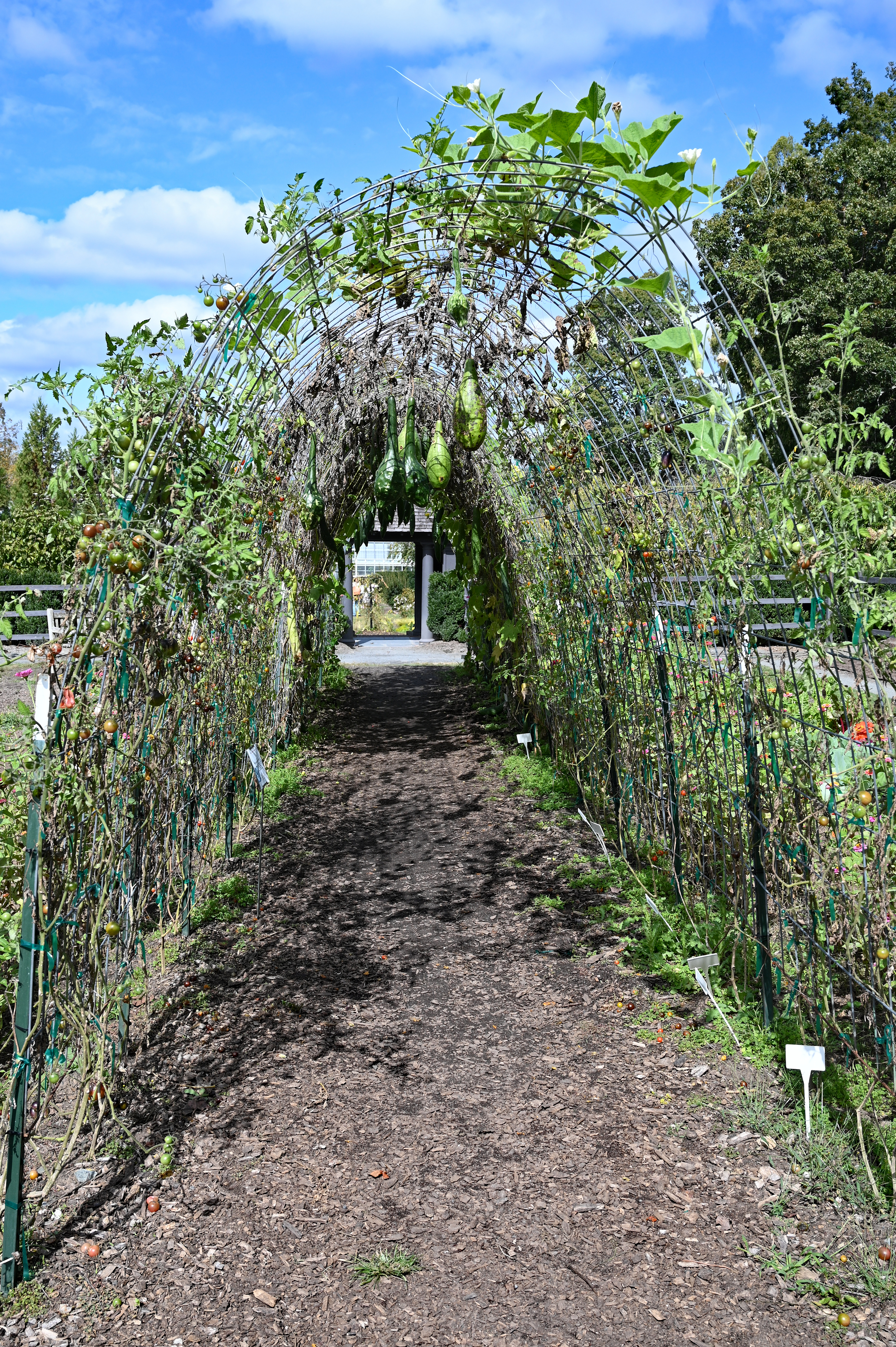
The gardens and village do not require a museum admission ticket, so you can plan a garden-focused outing or add a separately planned museum visit. Reynolda Village provides nearby dining possibilities. Visitors using mobility aids should consult the accessibility information: the formal gardens have a barrier-free entrance, but paths include grass, crushed stone, and slate. A little route planning can make the visit much more comfortable.
5. Airlie Gardens — Wilmington
Airlie offers a coastal garden outing with a different rhythm from a day on the sand. Live oaks, garden paths, water views, and historic features spread across a 67-acre property near Wrightsville Beach. It is a place to look up into the canopy as often as you look down at flowers.
The pergola and garden plantings give the walk a formal counterpoint to the spreading trees. Art is part of the experience too: the Minnie Evans Bottle Chapel honors the visionary artist who worked at Airlie. Learning a little about her connection to the garden gives that stop meaning beyond its colorful materials.
The Butterfly House is seasonal, so do not promise children a visit inside without checking its current schedule. Airlie's events can also affect admission arrangements and the pace of the grounds. Consult the official visitor page before arriving, choose a comfortable walking route, and allow time for a shaded pause. It is an appealing way to add another dimension to a Wilmington or beach-area stay without turning the day into a race between attractions.
6. The North Carolina Arboretum — Asheville

The North Carolina Arboretum brings cultivated gardens and mountain woodland into the same outing. You can focus on the designed garden spaces, extend the day along trails, or choose a little of each according to the weather and your group's interests.
The bonsai collection deserves its own unhurried stop. These trees invite you to think about a landscape at a different scale: the shape of a trunk, the placement of a branch, and the relationship between a tree and its container become the view. The collection includes species associated with the Blue Ridge as well as other bonsai subjects.
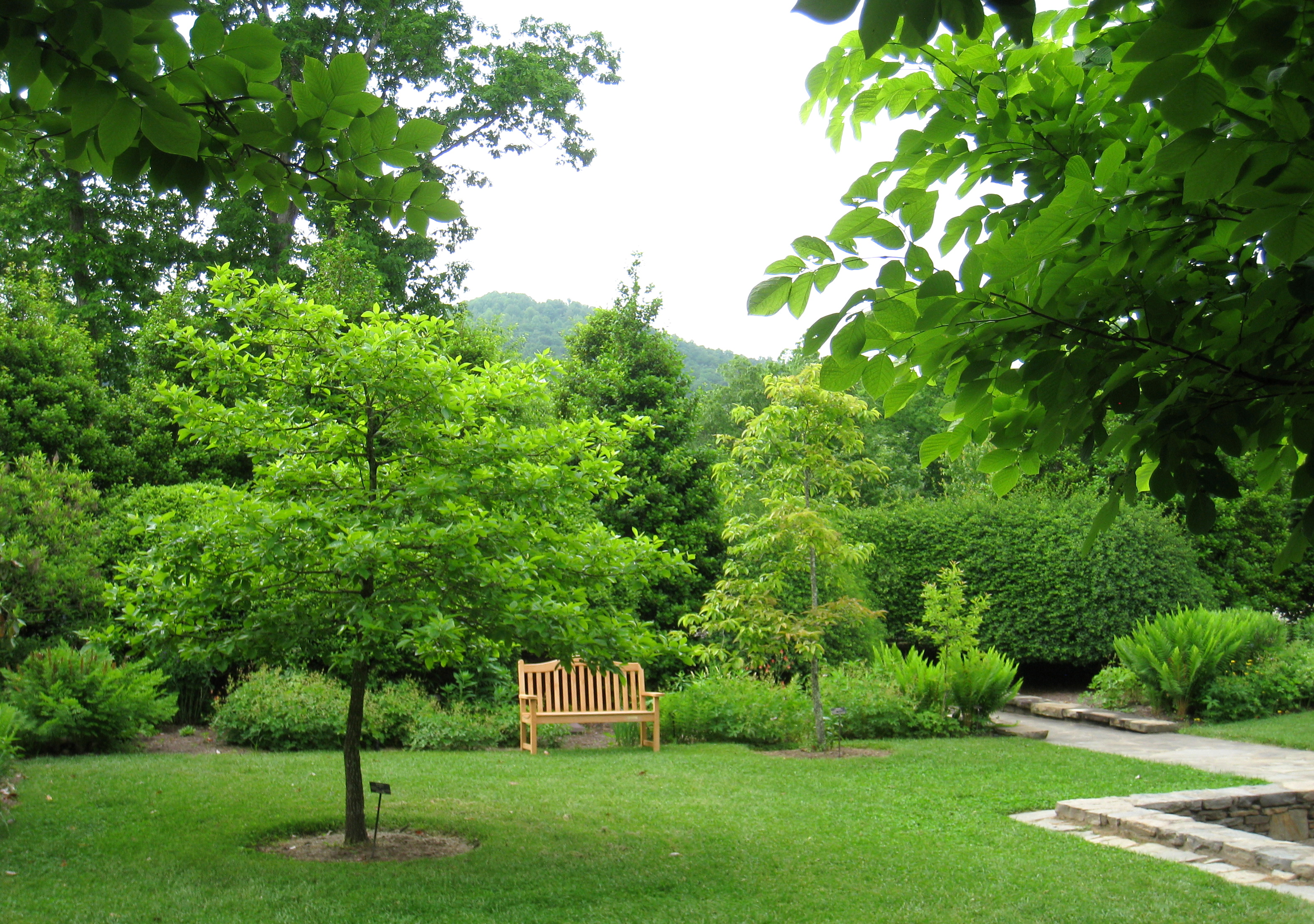
Season matters here. The outdoor exhibition garden is open year-round, but the arboretum lists outdoor bonsai displays from roughly mid-May through November and an indoor tropical display during the colder months. Check the current arrangement before traveling. Parking charges, building hours, trail conditions, and special-event entry should also be checked separately. A winter evening light event is a different visit from an ordinary daytime garden walk.
7. Gardens at Daniel Stowe Conservancy — Belmont
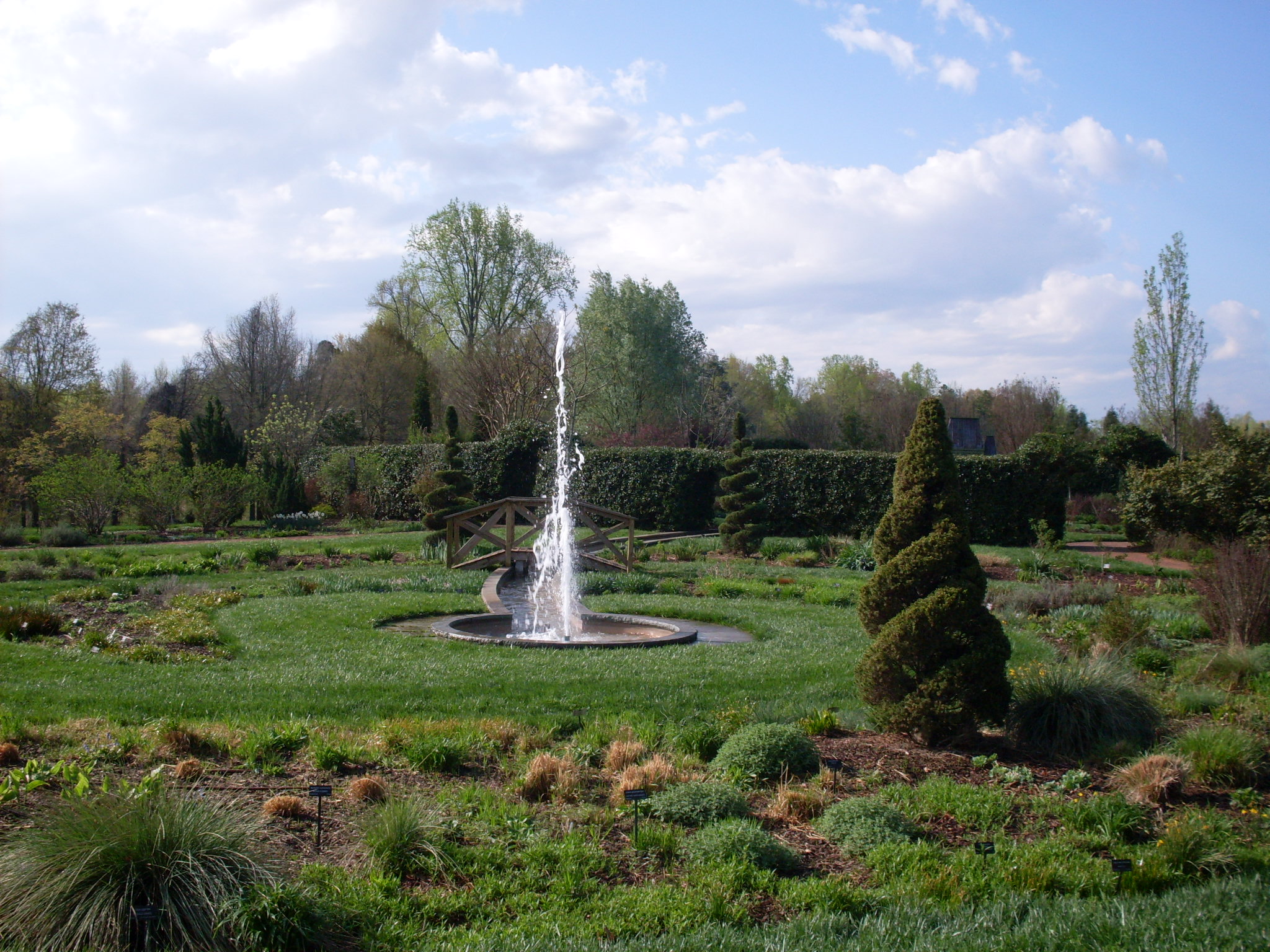
The gardens at Daniel Stowe Conservancy offer a particularly strong combination of water, flowers, and places for families to explore. The long Ragan Canal Garden gives the landscape a clear line to follow, with fountains and seasonal planting framing the walk.
The tropical conservatory changes the mood again. Plants such as orchids and other tropical specimens bring different textures and growing forms into view, making it worth slowing down rather than treating the building as a passage to the next outdoor stop. Families can also plan around Lost Hollow Children's Garden and the property's other play and exploration areas.
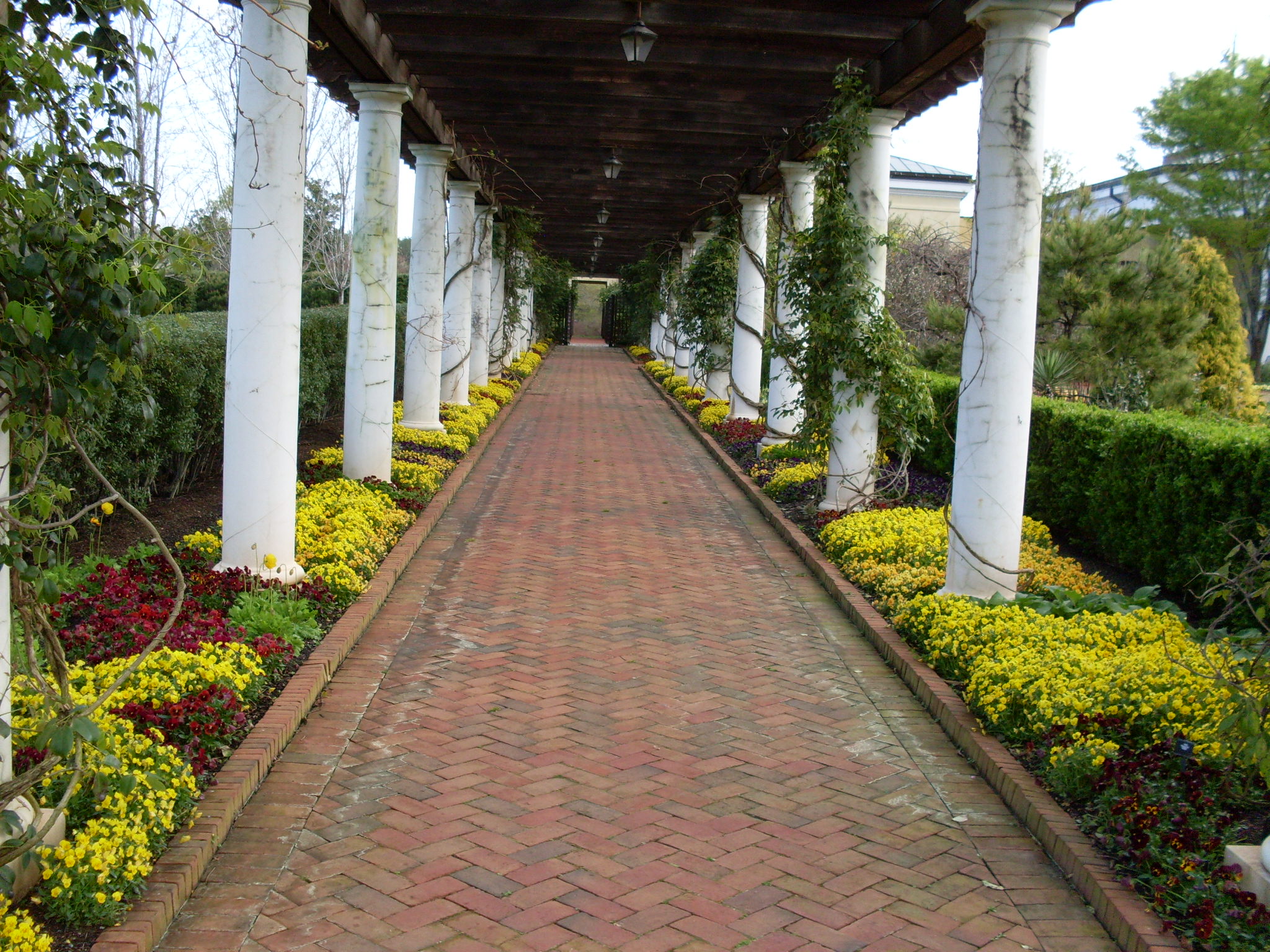
Use the current conservancy map and admission information when organizing your visit. The broader property includes trails and activities, and access arrangements may differ from the ticketed garden experience. Decide which parts matter most before setting out, particularly with young children. A focused visit with time to explore a favorite area is likely to be more enjoyable than trying to fit every feature into a single afternoon.
Before You Go
Choose by region first: Raleigh, Durham, and Chapel Hill make a natural group, while the coast and mountains call for separate plans. Check current blooms, hours, admission, parking, and accessibility with each garden. Wear shoes suited to outdoor paths, bring water where permitted, and keep a flexible plan for heat or rain. The photographs show particular moments in these living landscapes; your visit will have its own season and character.


