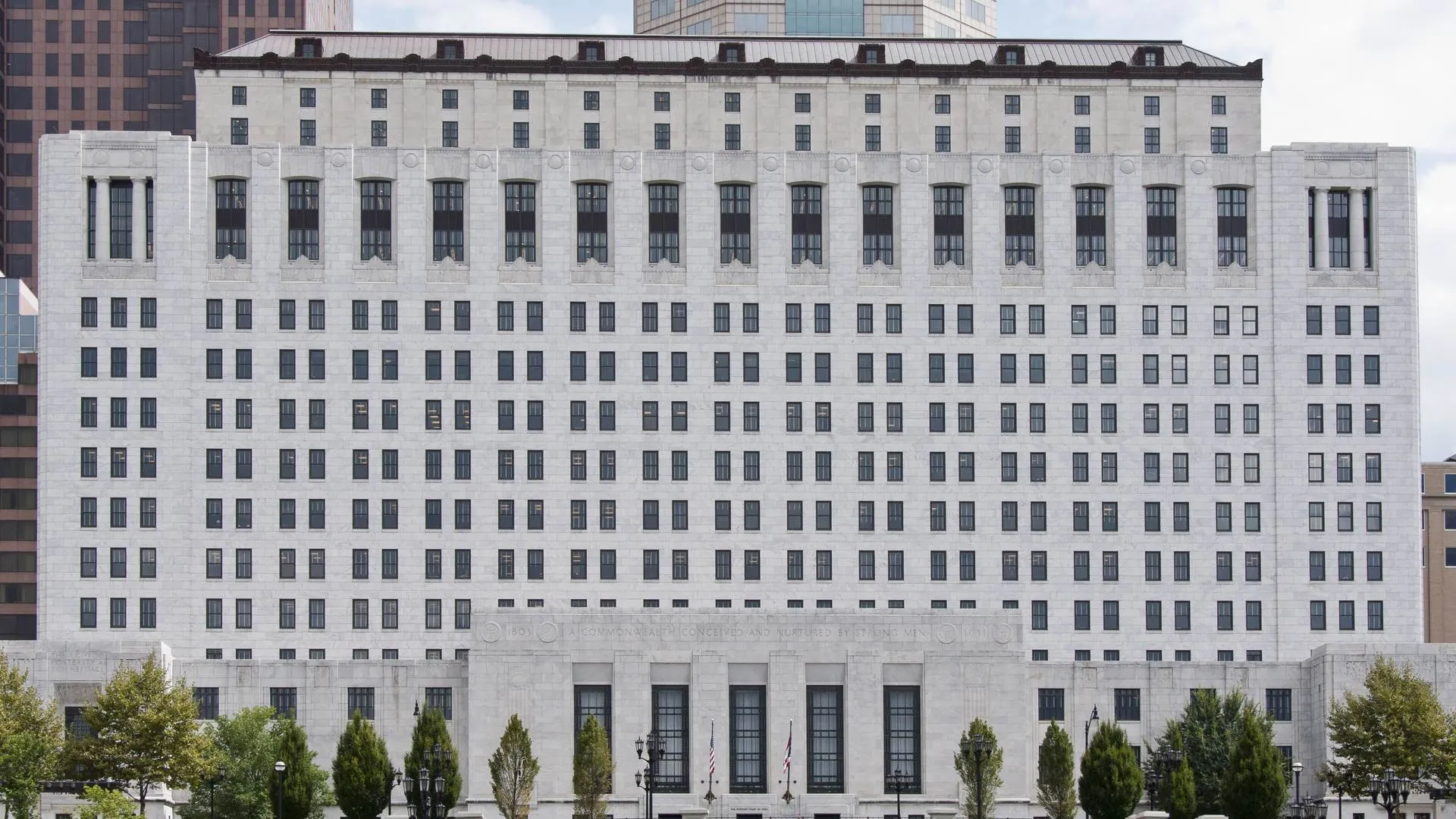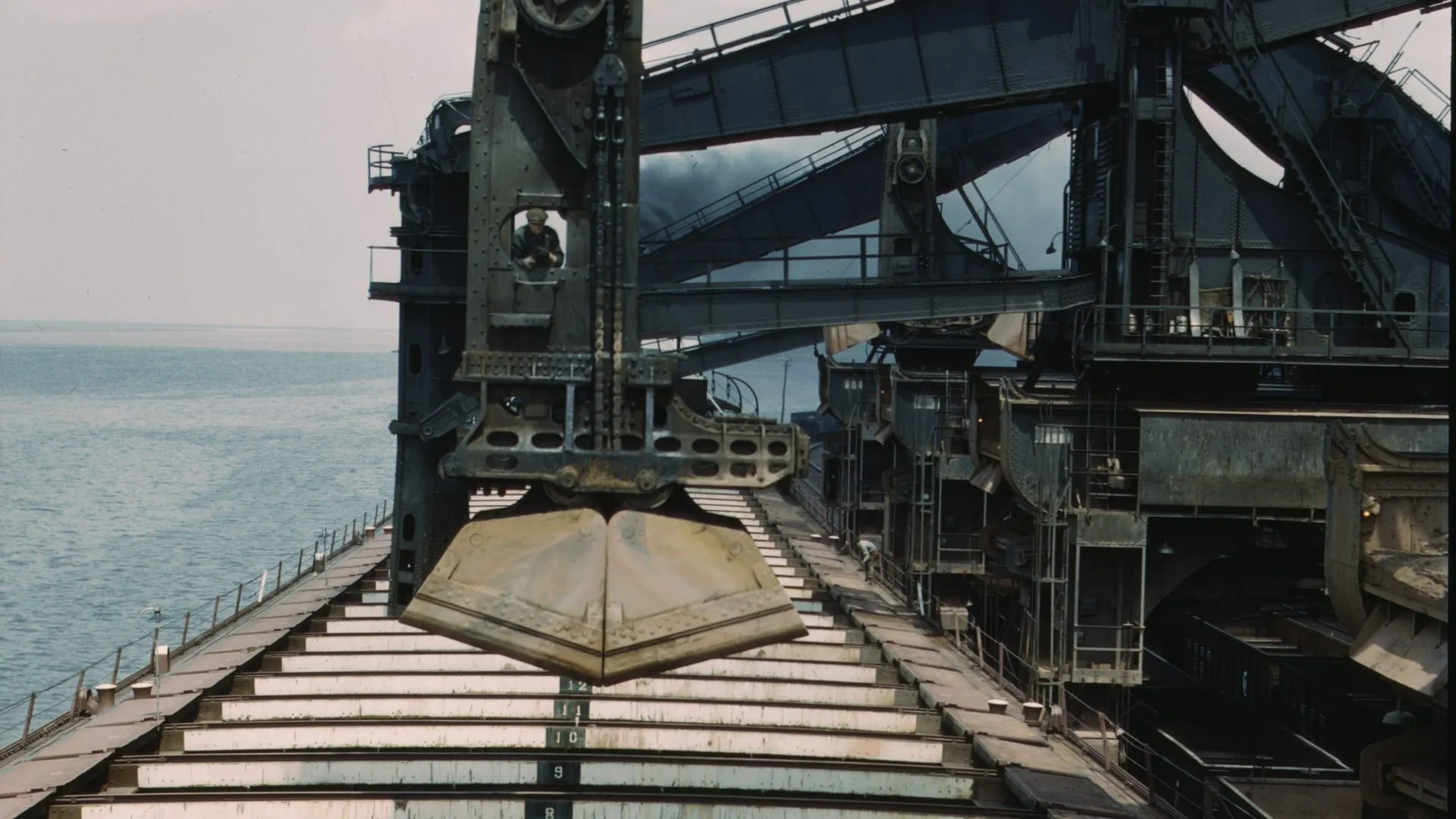
A long-empty East Side factory where Cleveland workers once built the giant Hulett ore unloaders could soon be turning out houses instead. Modular home maker MMY US has assembled about $22 million in public incentives to convert the former Wellman-Seaver-Morgan Engineering Company building at 7000 Central Avenue into a home-building plant, and Cleveland City Council took up its share of the package in committee on Tuesday.
Houses built on an assembly line
MMY builds steel-framed modular homes indoors, much the way cars move down a line. Wall framing, drywall, cabinets and even paint go in at the factory, and finished modules are trucked to a lot and joined together on site. The company, started by British modular construction specialists, already runs a similar plant in Louisville, Kentucky.
A city development official told council the Cleveland plant is expected to employ 120 full-time workers once it is running, with a $20 minimum wage. Construction is expected to take up all of 2027, with production targeted for 2028.
How the money stacks up
Most of the financing for the renovation, budgeted at more than $26 million, comes from outside City Hall. Federal historic and new markets tax credits account for about $12.7 million. The package also counts on state historic preservation credits, a $4 million Port of Cleveland loan, a $1 million Cuyahoga County loan and a $1 million JobsOhio grant, with MMY putting in about $4.5 million of its own.
The city's piece is still pending. Council is weighing $1 million split between a grant and a loan, along with a five-year job creation tax credit estimated at about $450,000 and a tax-increment financing arrangement meant to backstop the public loans if needed. MMY has also agreed to use women- and minority-owned subcontractors during construction.
A landmark gets a second act
Wellman-Seaver-Morgan operated at the Central Avenue site until 1978 and earned a worldwide reputation for massive material-handling machines, including the Huletts that unloaded iron ore from lake freighters for most of the 20th century. The building has been vacant for decades. It carries a Cleveland Landmark designation, and the state historic preservation office has found it eligible for the National Register of Historic Places.
The plant would be the first tenant of the Midline, the city's plan to turn hundreds of acres of abandoned and underused industrial land between Euclid Avenue and the Opportunity Corridor into a jobs district with a greenway. The City Planning Commission approved the Midline master plan earlier this month.