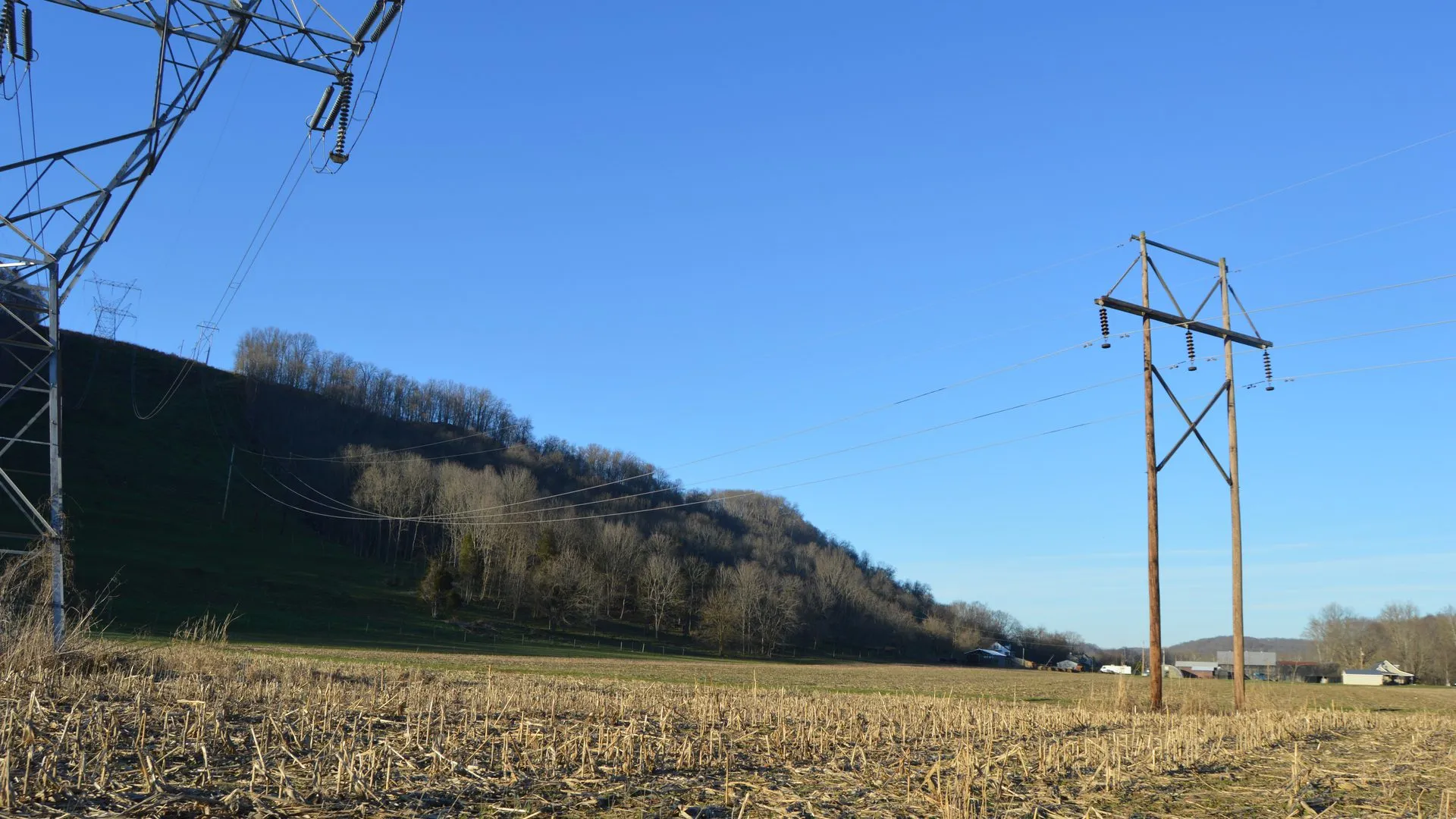
A draft bill circulating at the Ohio Statehouse could change who is allowed to take private land through eminent domain, and farmers say it could open the door to seizing property to power data centers. The draft, first obtained by News 5 Cleveland (WEWS), would expand the legal definition of a "public utility." Supporters say it is about speeding up grid projects and keeping electric bills in check, not handing new powers to anyone.
What the draft would change
Under current Ohio eminent domain law, "public utility" covers entities such as municipally owned utilities, electric cooperatives and agencies holding a federal certificate of public convenience and necessity. The draft adds any agency holding a certificate of environmental compatibility and public need from the Ohio Power Siting Board to build an electric transmission line or gas pipeline and related facilities.
Legal experts told WEWS that change could let a transmission developer take land to supply power to, or make room for, a data center. The draft also rewrites the appraisal process in a way that would make it easier to take possession of land right away. Today, if a landowner refuses to sell and goes to court, construction cannot start while the fight over compensation plays out.
Farmers push back
The Ohio Farm Bureau has been bracing for this since June, when the Ohio Business Roundtable recommended a "deposit and build" approach that would let energy projects take possession once public use and necessity are established. The Farm Bureau says it is not against data centers but opposes weakening landowners' protections, warning that farmers could lose land and wait months or years to be paid.
"That would be devastating," Gretchan Francis, who has watched her family farm shrink from 160 acres to 60 through past highway takings, told WEWS. Farm groups plan to start calling lawmakers to ask them to stop the bill.
Supporters say it is about the grid
Alexandra Denney of the Ohio Business Roundtable said the goal is a reliable, affordable grid and that construction delays drive up costs for ratepayers. She said the group does not intend to expand eminent domain to anyone who does not already have it, though she said she would need to look at the public utility language after it was read to her.
Incoming Senate President Bill Reineke (R-Tiffin), who is working on the bill, said in a statement that it "would not extend eminent domain to anyone who doesn't already have that privilege" and would put Ohio in line with 45 other states. The proposal surfaces just weeks after Ohio voters approved data center restrictions or bans in 21 local ballot issues, with lawmakers weighing data center legislation during the lame-duck session.