Cities and villages in Ohio would have to ask voters before switching on red-light or speed cameras under a bill that cleared the Ohio Senate this week. Senate Bill 340 passed 31-1 on Wednesday, Nov. 18, and now goes to the Ohio House, where it has only a few weeks left to move before the legislative session ends.
What Senate Bill 340 would change
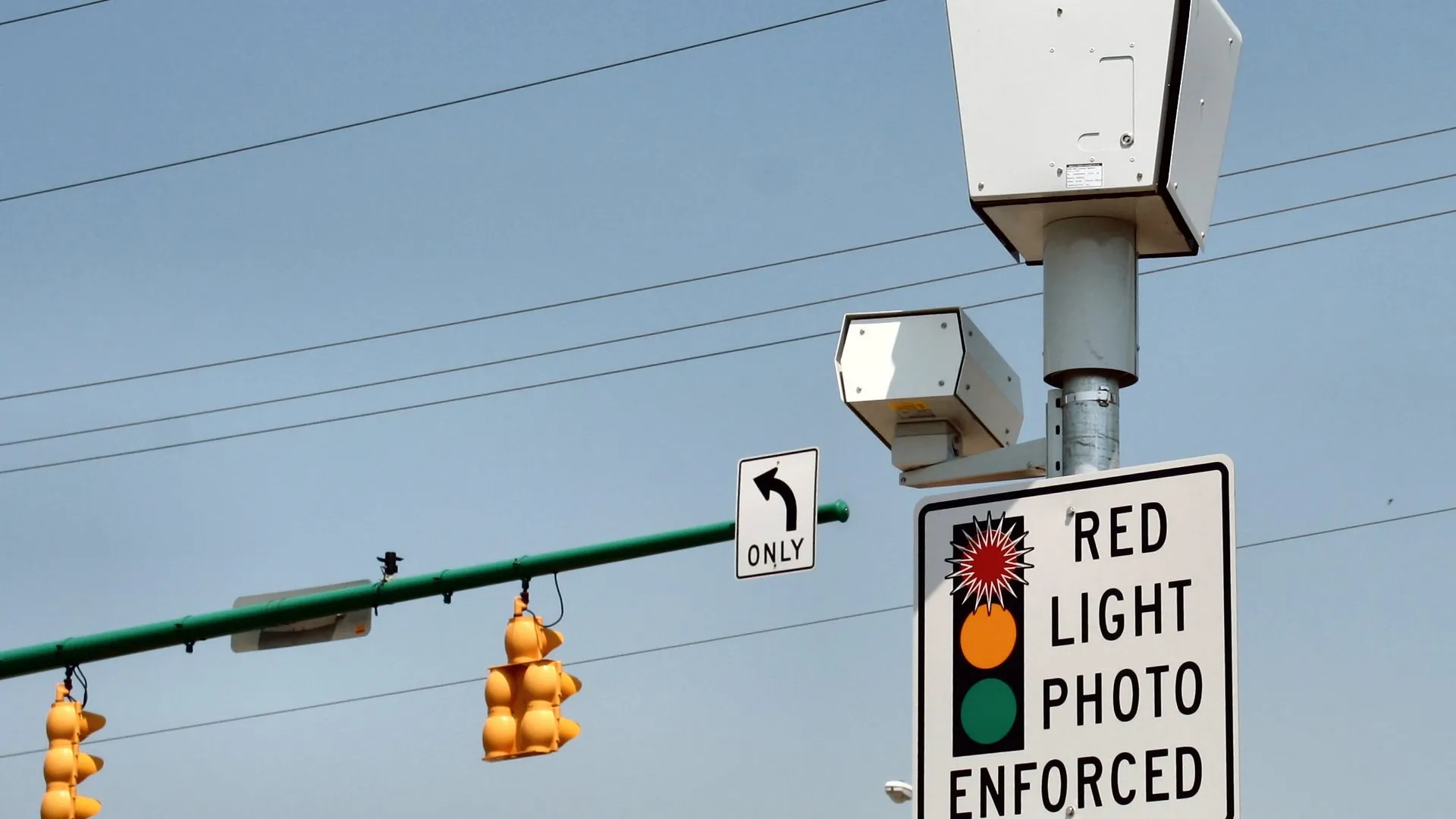
The bill targets automated cameras that catch drivers running red lights or speeding. Before a city or village could use one of these camera programs, it would have to put the question on the ballot and win voter approval. The bill also spells out the ballot language and procedures for those elections.
Communities that already run camera programs could keep them for now. But any time a local government wanted to amend, extend or renew its contract with a camera vendor, it would have to go back to voters first. Ohio already bars counties and townships from using traffic cameras altogether.
The measure does not cover automated license plate readers, such as Flock cameras, which have drawn their own scrutiny. A separate House bill deals with how data from those readers can be shared or sold.
Why the sponsor says voters should decide
The bill's sponsor, Sen. Tom Patton, a Strongsville Republican, has opposed traffic cameras for years. He argues the devices are unpopular wherever they appear on the ballot, pointing to figures showing voters have rejected cameras in more than 90% of local elections held on the issue since 1991. He has said Ohio accounts for a large share of those votes.
Patton has also argued that a ticket arriving in the mail weeks later does less to change driving habits than a traffic stop, and that a costly camera fine can strain household budgets. He says the state currently has no reliable count of how many cameras are operating in Ohio communities.
Who opposes it, and what happens next
Groups representing local governments, along with some police agencies including the Dayton Police Department, have pushed back on the bill. Camera supporters have long argued the devices help reduce dangerous driving at busy intersections and free up officers for other work.
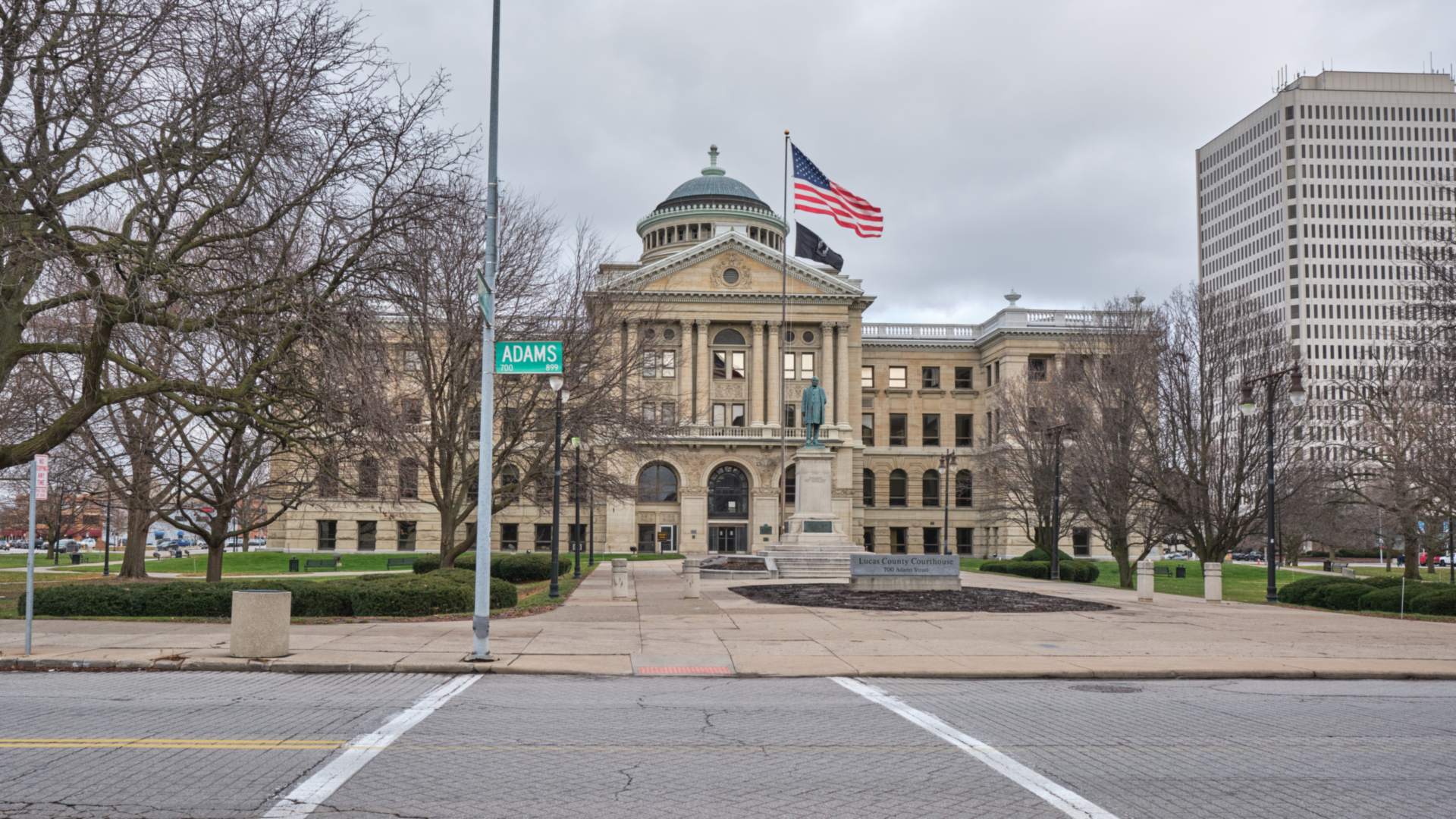
The vote was close to unanimous. The lone no vote came from Sen. Paula Hicks-Hudson of Toledo, a city that dropped its camera program in 2022 after a state law cut local government funding by the amount cities collected from camera fines.
SB 340 now needs to pass the House and be signed by the governor before the end of December. If that doesn't happen, the bill dies and lawmakers would have to start over in the new session in January.