In South Dakota’s Black Hills, a 14-mile road winds through pine forest, granite spires and tunnels so narrow that their measurements deserve a place in your travel plans. The Needles Highway is short enough to fit into a day trip, yet it rewards the kind of drive that allows room for a lake stop, a viewpoint and a little lingering.
Here are five ways to plan a memorable visit to this part of Custer State Park, with one important seasonal detail: the park says the highway closes to vehicles with the first snow and does not reopen until April 1 or later, depending on conditions. Confirm the road status before setting out.
1. Give the road more time than its mileage suggests
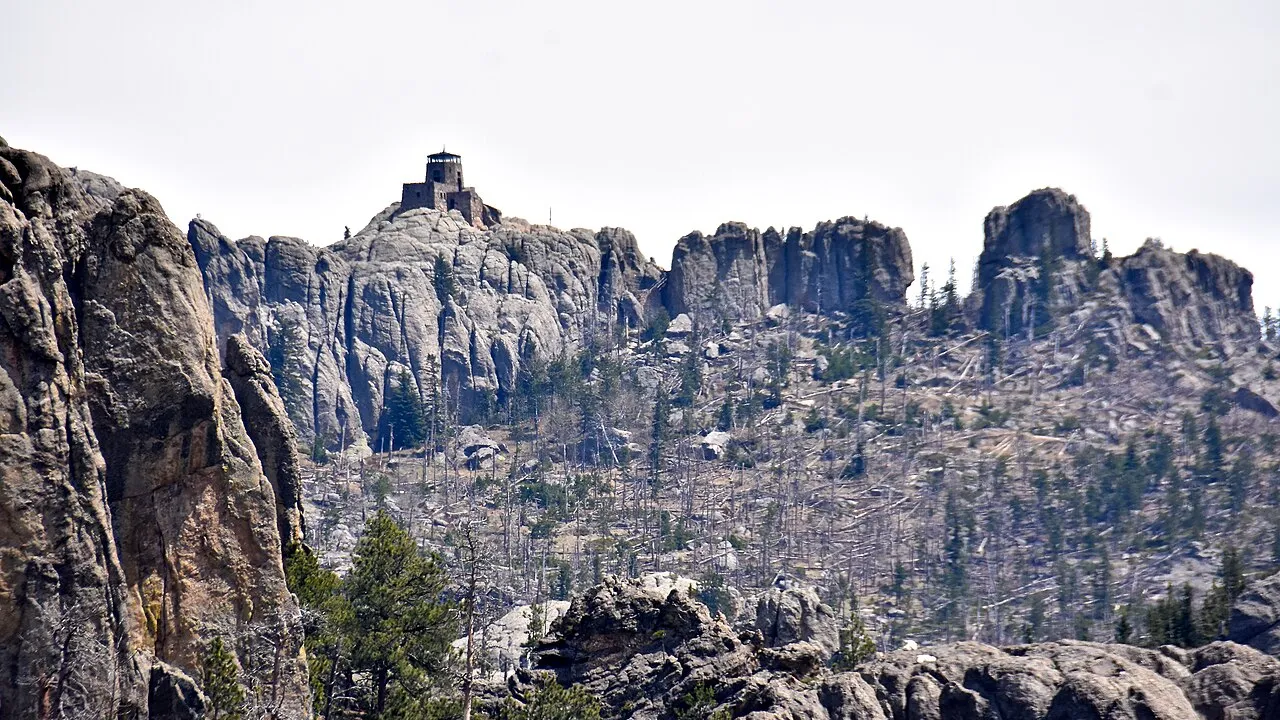
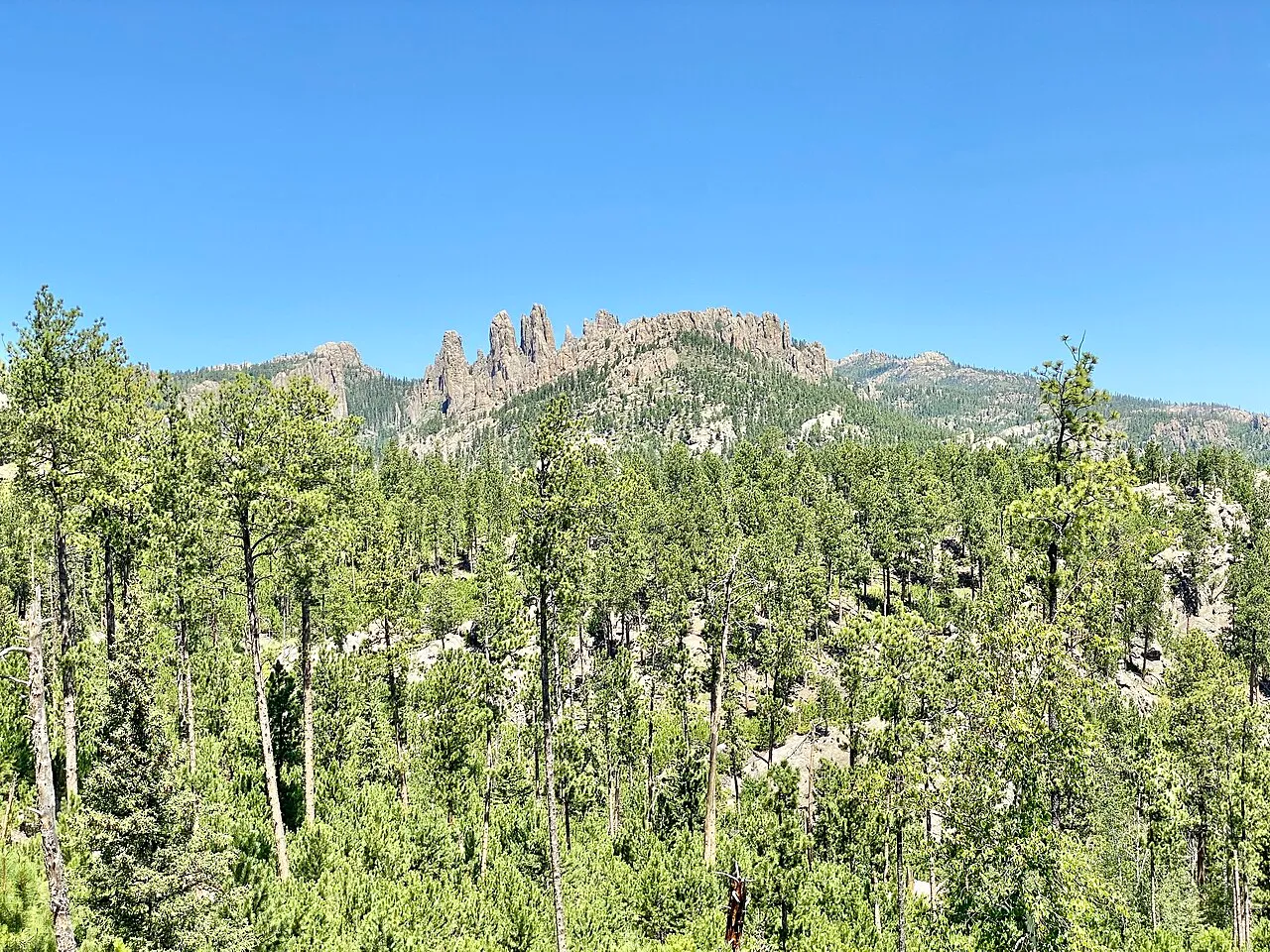
The Needles Highway follows the northern section of South Dakota Highway 87 for 14 miles. The state recommends allowing at least an hour, and that is before adding any longer stops. The route travels through ponderosa pine and spruce forests, past meadows and the granite formations that give the road its name.
Plan for winding pavement and a leisurely pace. This is a sightseeing road, not a shortcut to speed through between attractions. Choose a few places that interest you and leave room in the schedule to stop safely when the view deserves it.
2. Check your vehicle before the tunnels
Needle’s Eye Tunnel is part of the appeal, but it is also a serious planning consideration for anyone driving a large vehicle or towing. South Dakota Game, Fish and Parks lists it at 8 feet wide and 9 feet 9 inches high. The agency lists Iron Creek Tunnel at 8 feet 9 inches wide and 10 feet 10 inches high.
Measure your vehicle and anything attached to it, and confirm current restrictions with the park before attempting the route. If your vehicle will not fit, choose another way to enjoy the Black Hills rather than counting on a squeeze. Even in a smaller car, take the tunnel approaches slowly and watch for other vehicles.
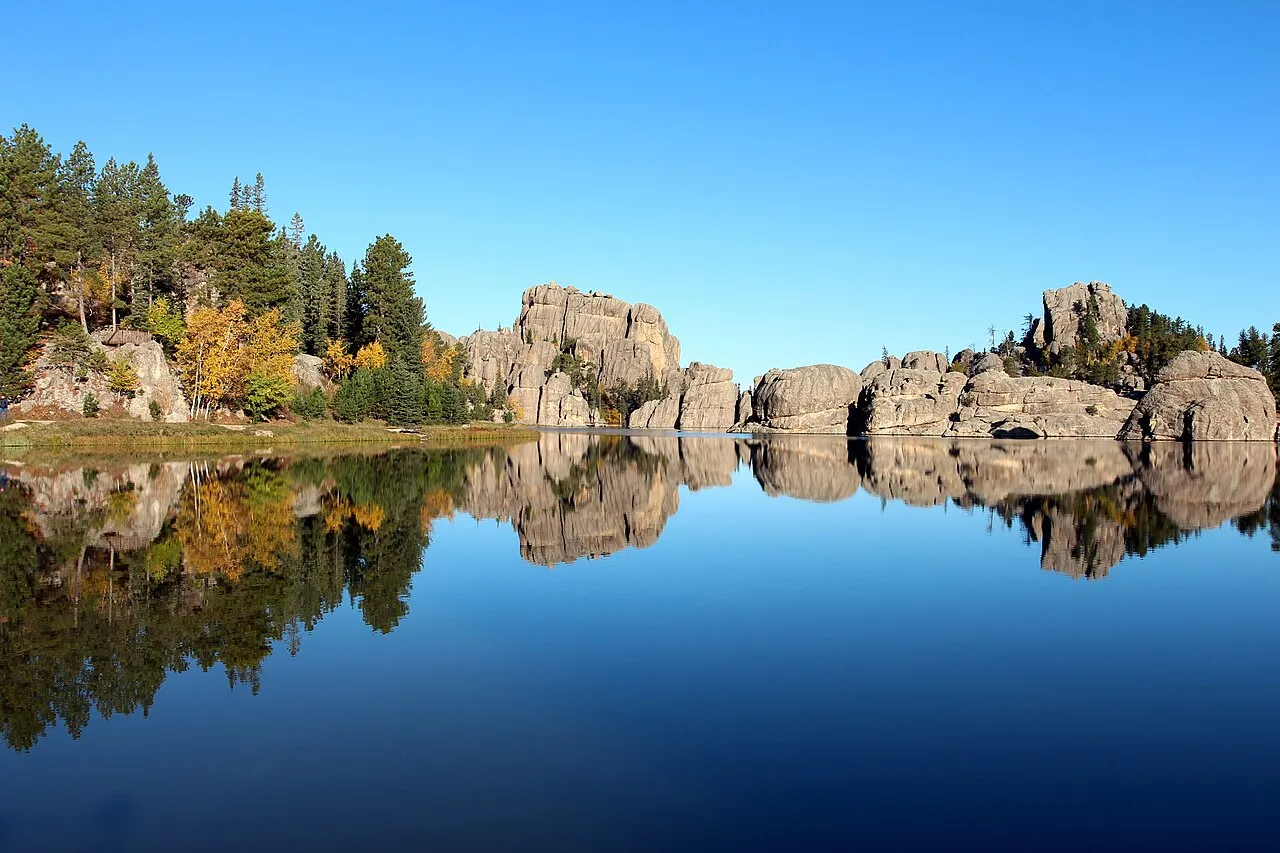
3. Make time for Sylvan Lake
Sylvan Lake offers a memorable counterpoint to the highway’s dramatic spires: water, forest and granite gathered into one compact scene. It is the sort of place where a short stop can become the most relaxed part of the day, especially if you have packed a picnic and allowed time to explore the shoreline.
Check the park’s current information before choosing a walk or planning water activities. Conditions, facilities and available services vary with the season. Bring layers even on a pleasant day, and keep dogs on a leash; pets are not allowed on designated swimming beaches.
4. See the Needle’s Eye without rushing the stop
The Needle’s Eye is a granite formation named for the opening weathered through the rock. Near the tunnel, it gives the highway a recognizable landmark and a reason to look up from the road toward the surrounding spires.
Parking and traffic can be busy around narrow stretches. Pull completely into a designated space, follow posted instructions and keep the roadway clear. A patient stop is more pleasant than trying to take a photograph while standing where cars need to pass.
5. Pair the drive with another park experience
The Custer State Park Visitor Center, at the junction of US Highway 16A and Wildlife Loop Road, is a useful place to pick up information and ask about conditions. If you add Wildlife Loop Road, build in extra time and check the park’s latest road notices rather than assuming every section is accessible.
Wildlife sightings are never guaranteed, and the animals are wild. The park asks visitors to remain in their vehicles or stay at least 100 yards from bison, elk and other animals. Do not feed wildlife, and use pullouts rather than stopping in traffic. These simple habits protect both visitors and the animals people come to see.
Before you go
Custer State Park requires a park entrance license for most visits; confirm current fees and pass rules on the official park page. The park notes that GPS directions can be unreliable, so bring a map or check the route with staff.
The Needles Highway’s seasonal vehicle closure is especially important for a late-fall or winter trip. Snow and conditions determine access, and an April 1 reopening is not guaranteed. Elsewhere in the park, some water systems and facilities may close between October and April. Check current conditions directly before leaving and keep an alternate itinerary ready.