An old recording studio can be surprisingly small. A theater can carry the memory of decades of performances, while a schoolhouse can illuminate an artist's life before the world knew her name. Across Tennessee, music history has addresses—and each stop reveals a different part of the story.
These eight destinations span Memphis, Brownsville, Nashville and Bristol. They are not a one-day itinerary or a ranking. Choose a few to explore in depth, and check current tour times, ticket policies and accessibility before you travel.
1. Sun Studio: A Small Memphis Room With a Big Story

At 706 Union Avenue in Memphis, the building associated with Sam Phillips's Memphis Recording Service and Sun Records is a landmark in American popular music. Artists including B.B. King, Elvis Presley, Johnny Cash and others are connected to recordings made at Sun.
A guided studio tour turns the building into a starting point for understanding how blues, country and other influences crossed paths. Check current schedules, ticket information and age or accessibility policies with the operator before planning your day.
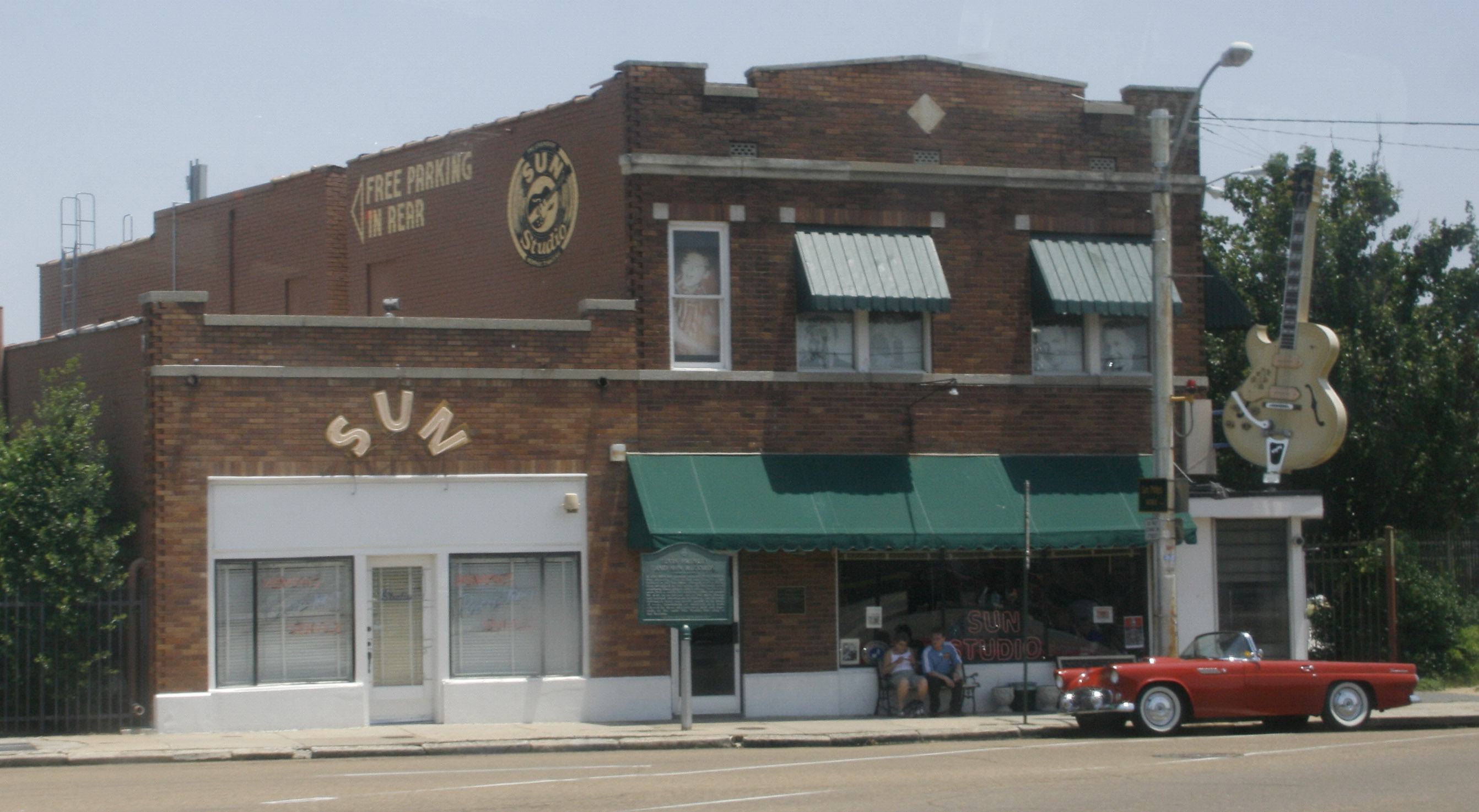
The studio is one piece of a much larger Memphis story. Leave room in your itinerary for other neighborhoods and the musicians, songwriters and communities whose work shaped the city's sound. A tour is more rewarding when you arrive ready to listen as well as take photographs.
2. Stax Museum: Soul Music on Its Original Memphis Site

The Stax Museum of American Soul Music stands on the original site of the Stax Records studio on East McLemore Avenue. Its exhibits connect the label's story to the wider history of American soul through recordings, instruments, stage clothing, photographs and other artifacts.
Stax's story includes artists such as Otis Redding, Isaac Hayes and Booker T. & the M.G.'s, along with the musicians and people working behind the scenes. Allow time to explore the galleries rather than treating the museum as a quick stop between other attractions.

Check the museum's current hours, admission and accessibility information before visiting. The museum is a present-day institution on the historic site; it gives visitors context for the music made there and the community around it.
3. Beale Street: A Historic District That Still Has a Sound

Beale Street is both a historic district and a working entertainment area. Its connection to blues history runs deep: musician and composer W.C. Handy worked in Memphis and performed on the street in the early twentieth century, helping bring blues music to a broader audience.
Walk the district with an eye for the buildings and the people whose work made the area significant. Later in the day, a live performance can add another perspective, though venues, cover charges, age rules and schedules differ. Check the individual business before making plans.

As with any busy downtown entertainment district, the atmosphere changes by time of day and event. Choose a visit that suits your group, plan transportation and leave time for the other parts of Memphis's music history beyond a single street.
4. Ryman Auditorium: A Stage With Many Lives

Nashville's Ryman Auditorium is closely associated with the Grand Ole Opry, which called the building home from 1943 to 1974. Its story extends beyond that chapter: the building began as a tabernacle and has hosted many kinds of performances and public events.
Today, visitors can explore the venue through tours or attend a performance. Those are different experiences, so check the calendar and ticket details before deciding which one fits. A daytime tour may offer more historical context; a concert lets you experience the room as an active venue.

The Ryman was not the Opry's original home, and the Opry later moved to the Opry House. That distinction makes a visit more interesting: the show and the building each have their own history, connected for an important stretch of time.
5. Historic RCA Studio B: A Music Row Recording Room

Historic RCA Studio B offers a look at the recording side of Nashville's music industry. Artists including Dolly Parton, Elvis Presley and Roy Orbison recorded at the studio, part of the network of creative work associated with Music Row.
Tours are arranged through the Country Music Hall of Fame and Museum. The museum says the Studio B tour begins at the museum, where guests meet their guide before taking a shuttle to the studio. Check the current schedule and arrive at the meeting point by the time on your ticket.

Pairing the studio with the museum galleries helps connect a particular recording room to the wider history of country music. Leave a comfortable gap between reservations and confirm access needs in advance.
6. Country Music Hall of Fame and Museum: Stories Behind the Songs

The Country Music Hall of Fame and Museum in downtown Nashville brings instruments, clothing, recordings, film and other material together to tell a broad story of country music. The galleries offer a useful starting point whether you know the genre well or are encountering some of its history for the first time.
Temporary exhibits and programs can change, so look at the current schedule before visiting. The museum also offers experiences connected to Hatch Show Print and Studio B; these may have separate tour times or ticket requirements.

Give yourself time to move through the galleries without rushing. If you're traveling with children or anyone with particular accessibility needs, consult the museum's visitor information and choose the combination of galleries and tours that works best for your group.
7. Tina Turner Museum: A Schoolhouse in Brownsville

At the West Tennessee Delta Heritage Center in Brownsville, the Tina Turner Museum occupies the restored Flagg Grove School, a one-room schoolhouse attended by the young Anna Mae Bullock. The building was moved from Nutbush, where she grew up, to its present site.
Inside, memorabilia from Turner's career shares space with interpretation of the school and the education of Black children in the community. The setting connects an internationally known artist to a specific place and to a broader local history.

The heritage center also preserves the home of blues musician Sleepy John Estes. Its visitor information describes self-guided and guided options; confirm current hours and tour arrangements before setting out. Allow enough time to explore both stories.
8. Bristol's 1927 Sessions Site: A State-Line Story

In Bristol, a plaque at 416 State Street on the Tennessee side marks the former location of the Taylor-Christian Hat Company building, where producer Ralph Peer conducted the influential 1927 Bristol Sessions. The original building no longer stands, so the marker is a place to reflect on the site rather than tour the original studio.
The sessions helped bring recordings by the Carter Family and Jimmie Rodgers to a wide audience, but country music recordings existed before 1927. Bristol's music history is richer when those earlier traditions and the many artists involved are part of the story.
The Birthplace of Country Music Museum, across the state line in Bristol, Virginia, explores the sessions and their impact through exhibits. If you choose to include it, check current hours and tickets, and remember that the museum and the Tennessee-side recording-site marker are different places.
Before You Go
Check each venue's official website for current hours, ticket availability, tour meeting points and accessibility. Memphis, Nashville, Brownsville and Bristol are separated by considerable driving distances. Reserve timed experiences where needed, leave time between stops and support the local performers keeping these traditions active today.