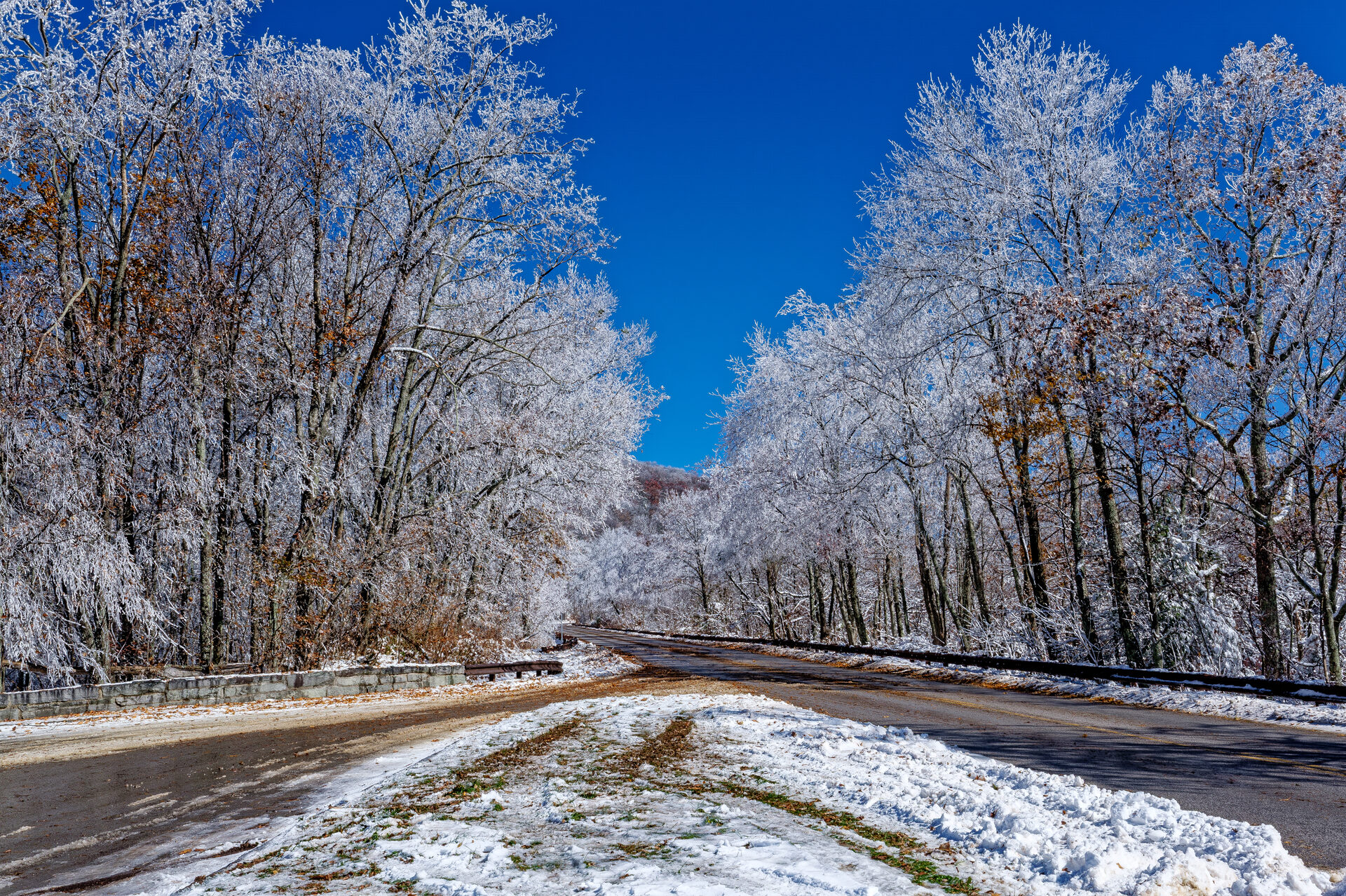
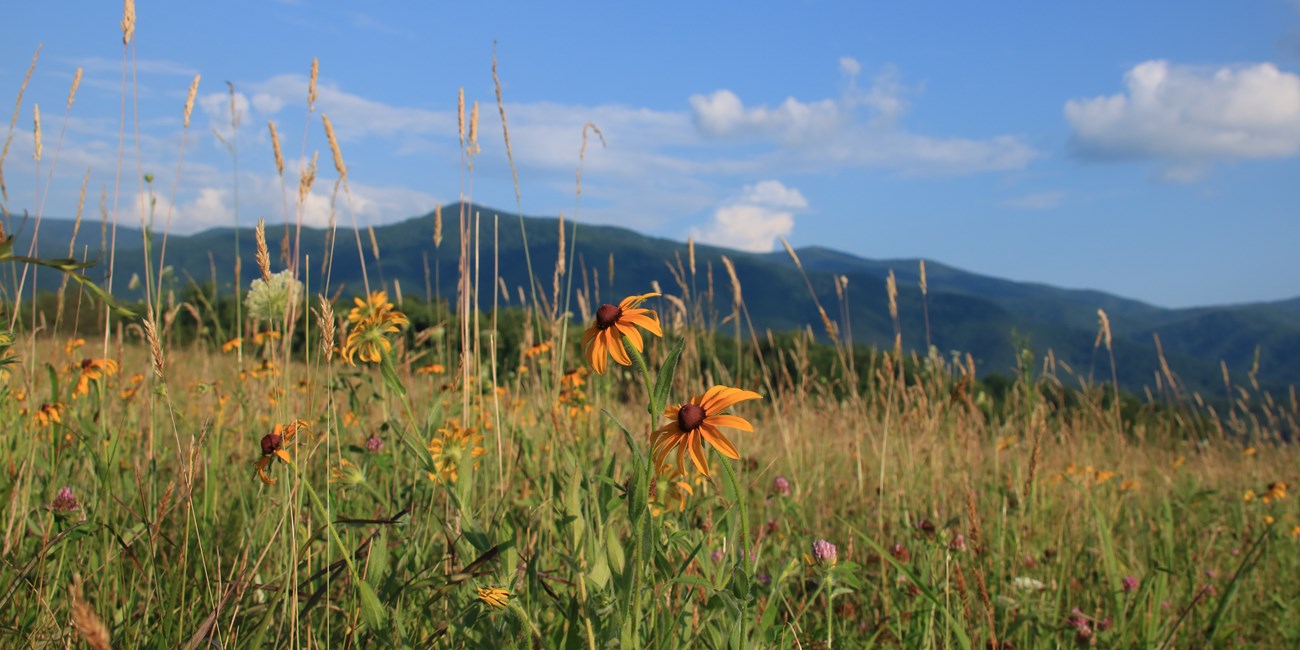
A Tennessee park day does not have to revolve around reaching a waterfall before everyone else. Sometimes the better plan is a lake path, a picnic, and an afternoon with enough space in it to follow your curiosity. The state's parks offer very different versions of that day, from cypress-framed water in the west to a reconstructed fort in the east.
These seven picks are about variety, not a ranking or a single driving itinerary. Some suit visitors who want to walk and watch birds; others add architecture, geology, or Tennessee history. Choose one near your route and give it time. A short visit can show you the headline attraction, but a slower one leaves room for the details that make the place memorable.
1. Reelfoot Lake State Park — Northwest Tennessee
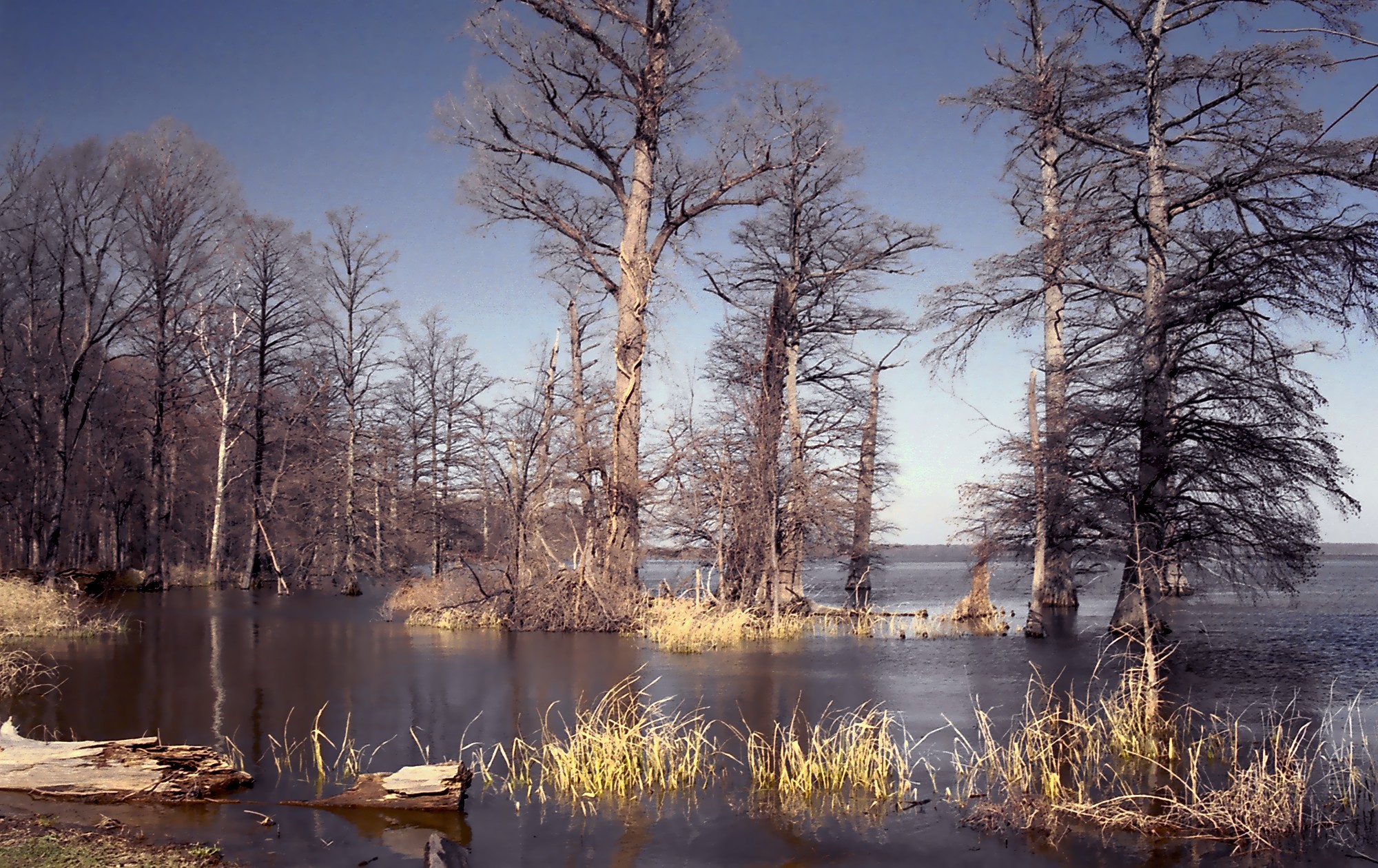
The cypress trees are reason enough to stop. Rising from the water and framing the shoreline, they give Reelfoot a character very different from a steep-sided mountain reservoir. This is a landscape to study slowly: open water, aquatic vegetation, and the shifting boundary between the lake and the trees.
Start with the visitor center and ask about the Cypress Boardwalk. A shoreline visit can be rewarding without renting a boat or organizing a fishing trip. Binoculars make a useful addition to the day, especially if you are willing to wait quietly rather than expecting wildlife to appear on cue. Winter eagle programs offer another way to explore, but check the current schedule and reserve where required.
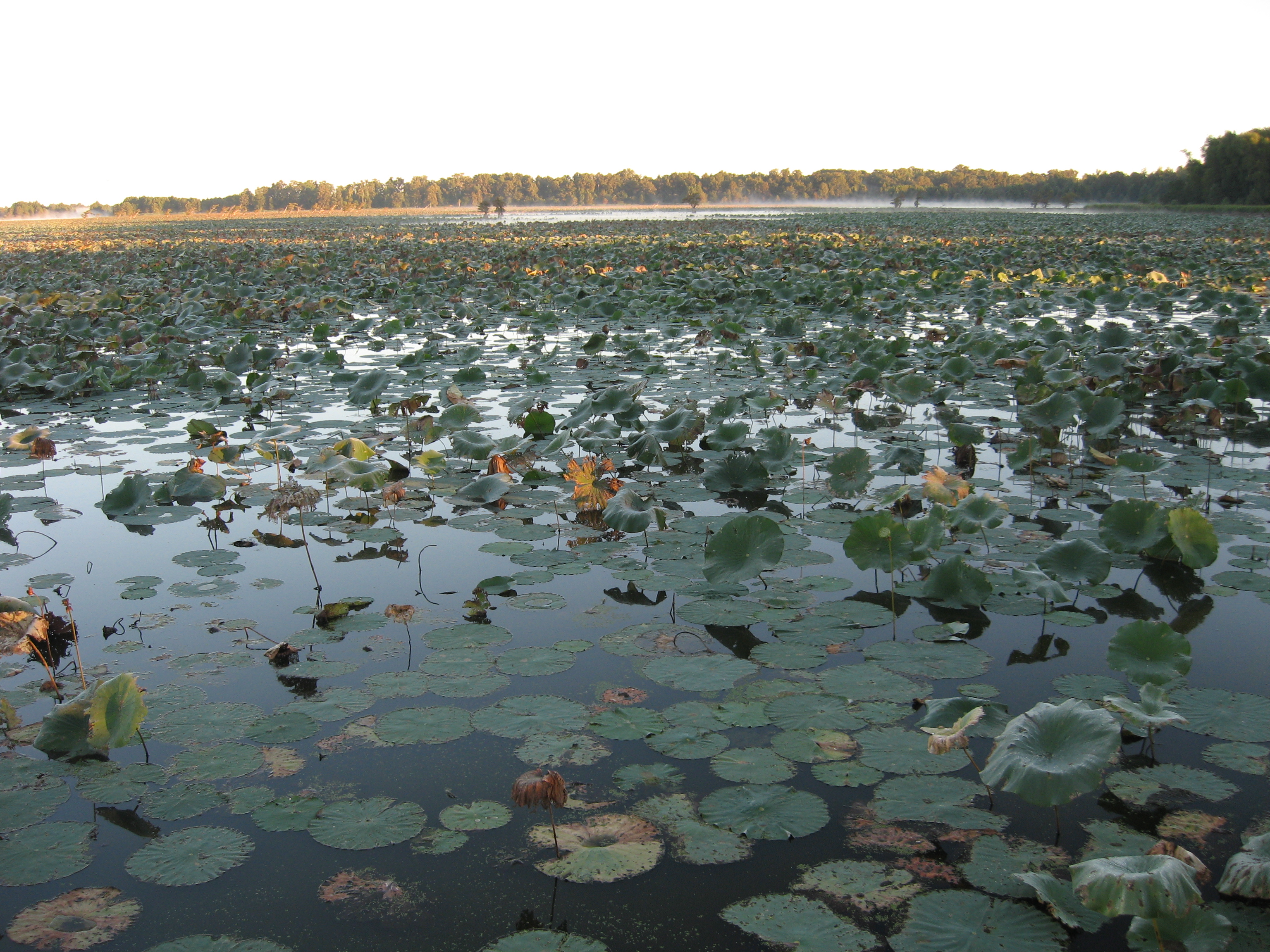
The water deserves respect even when it looks placid. Submerged stumps and shallow areas complicate navigation, and different parts of the wider lake have different access rules. For a first visit, a park program can supply context that a casual drive cannot. Let the lake be the day's main event, with time to return to a favorite view as the light changes.
2. Cumberland Mountain State Park — Crossville
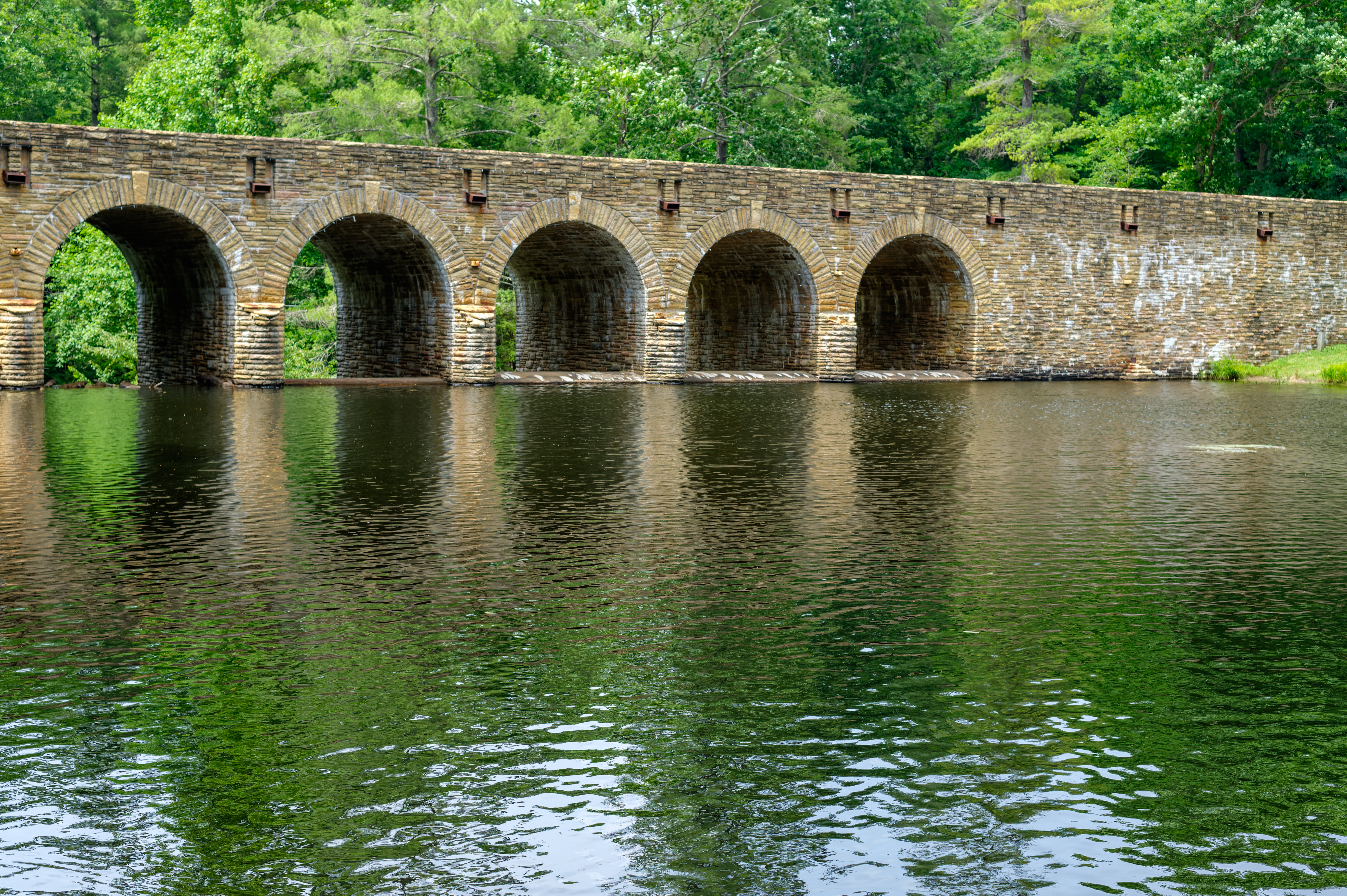
Byrd Lake gives this park a natural center for an easygoing visit. You can build a day around the water, then choose how much farther to wander into the surrounding woodland. It is a useful option when the group has different appetites for walking: the outing does not need to become an all-or-nothing expedition.
There is a human story behind the landscape. The park grew out of the Cumberland Homesteads Project, a New Deal effort to help struggling families establish small farms on the plateau. Local homesteaders worked on the park alongside federal relief programs, and Tennessee received the property in 1938. That background adds another layer to a visit otherwise centered on trees and water.
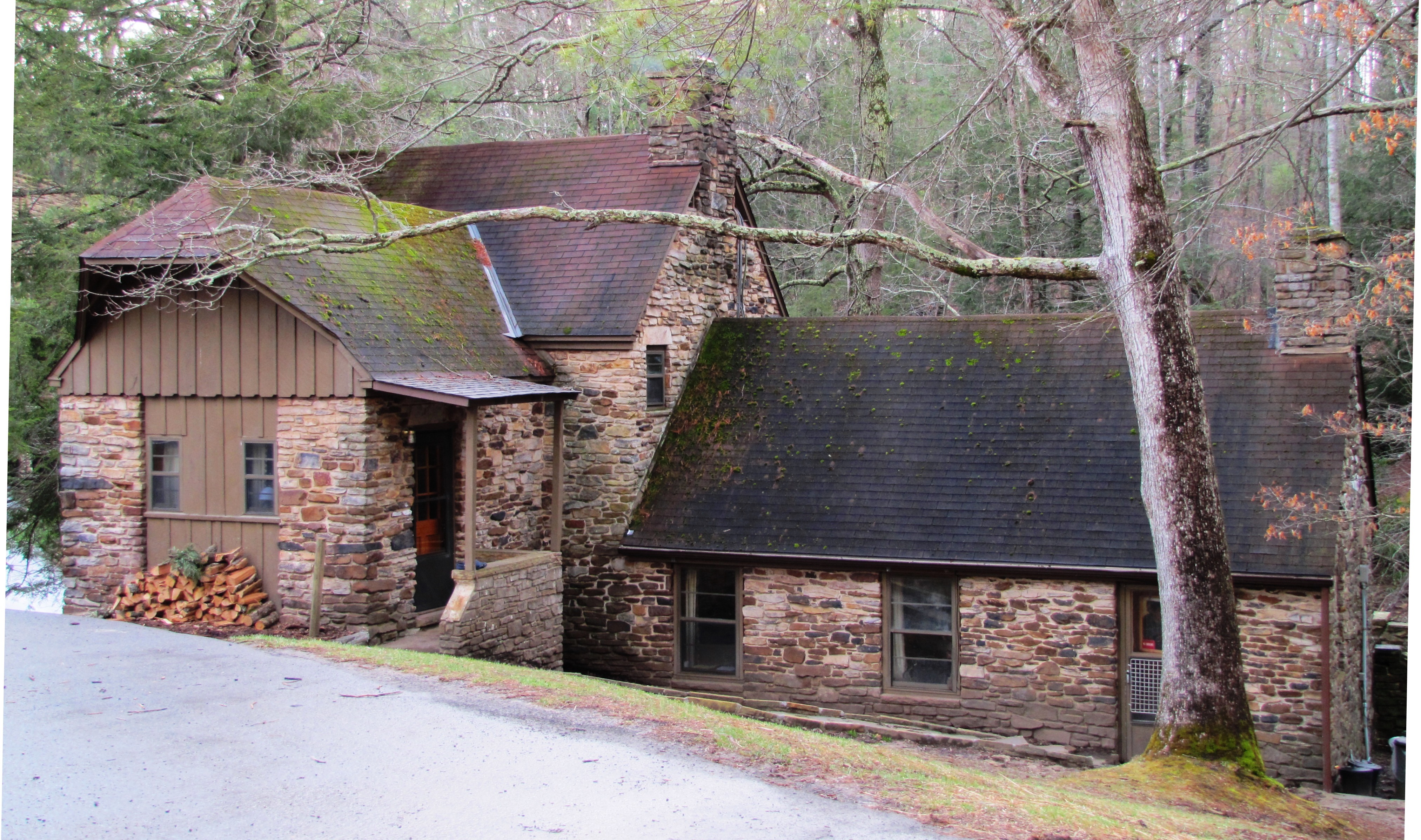
Bring a picnic or check the current service information for the park's restaurant before deciding where to eat. Cabins and camping can turn the stop into a longer stay, but they require their own planning. For a day trip, start with a modest walking route and leave the rest flexible. An extra lakeside pause can be a better addition than another rushed destination.
3. Radnor Lake State Park — Nashville
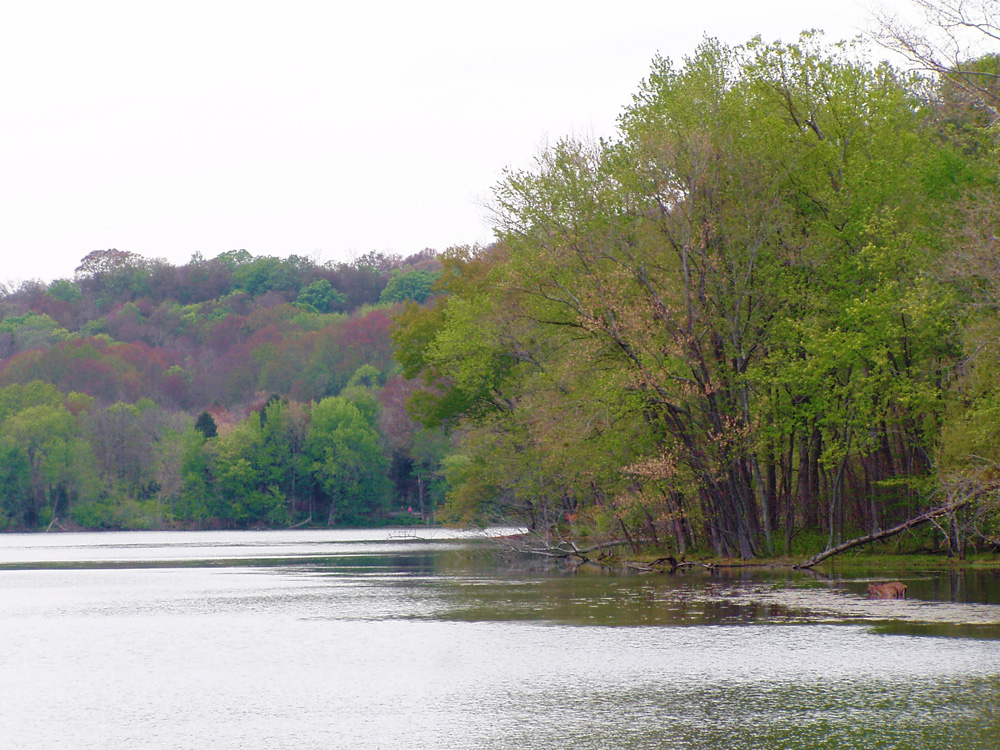
Radnor is a reminder that you do not have to drive deep into the mountains to find a landscape worth your attention. South of downtown Nashville, the lake and wooded ridges offer a change of pace from the city. Come ready to notice birds, trees, and small movements along the shore.
The lake began as railroad infrastructure: the Louisville and Nashville Railroad dammed Otter Creek in 1914 to supply water for steam engines. Wildlife found a home here, and protection eventually replaced the industrial purpose. Knowing that history makes the setting more interesting than the simple label of a city escape.
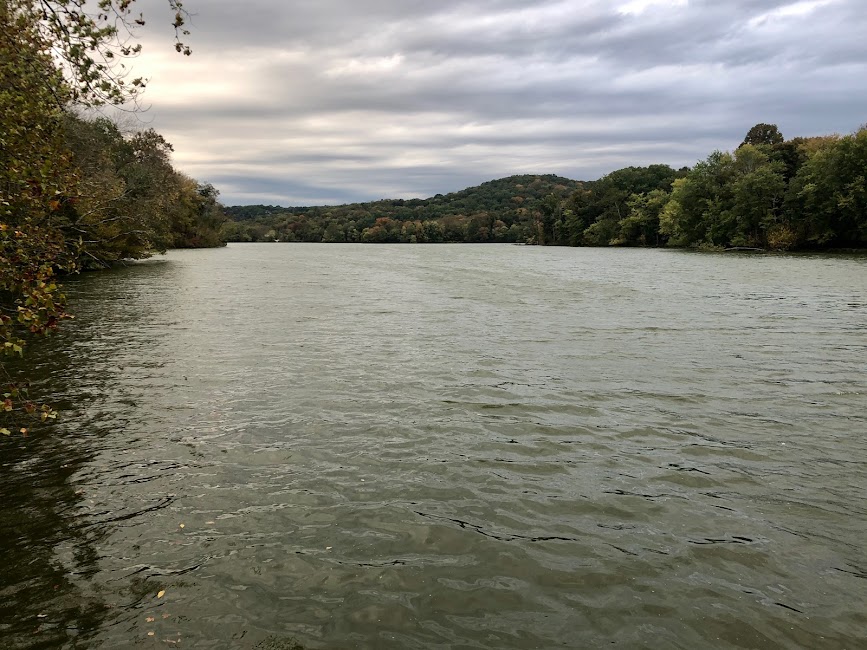
Plan around observation and walking. This is a protected natural area, with no fishing or camping, and dogs are restricted to paved surfaces rather than the trails. If your day includes a dog, choose your route accordingly instead of discovering the restriction at the trailhead. Pick a walk that fits your group, use the current map, and resist the urge to fill every quiet moment. The appeal is the chance to spend time with a living landscape close to town.
4. Pickett CCC Memorial State Park — Near Jamestown
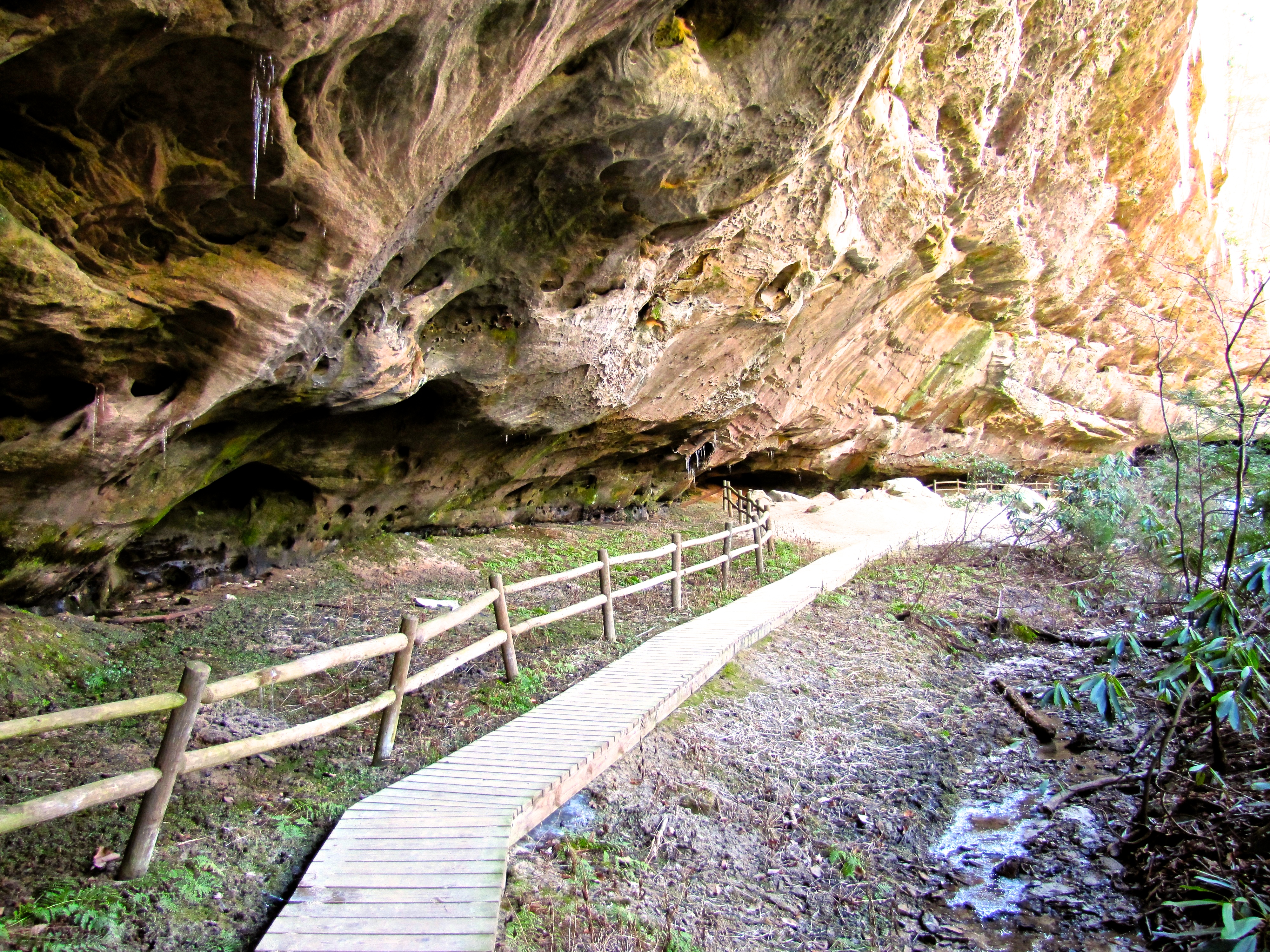
At Pickett, the sandstone formations can make a walk feel like an exploration of outdoor rooms. Rock shelters and natural bridges provide shapes and spaces quite unlike an ordinary woodland stroll. Give yourself time to look at the stone as well as the trail ahead.
The park's name also points to its human history. The Civilian Conservation Corps helped create this landscape for visitors, and the CCC Museum tells that story through exhibits and artifacts. Pairing a walk with the museum is a satisfying way to connect the scenery with the work that made it accessible. Check museum hours before making it essential to your plans.
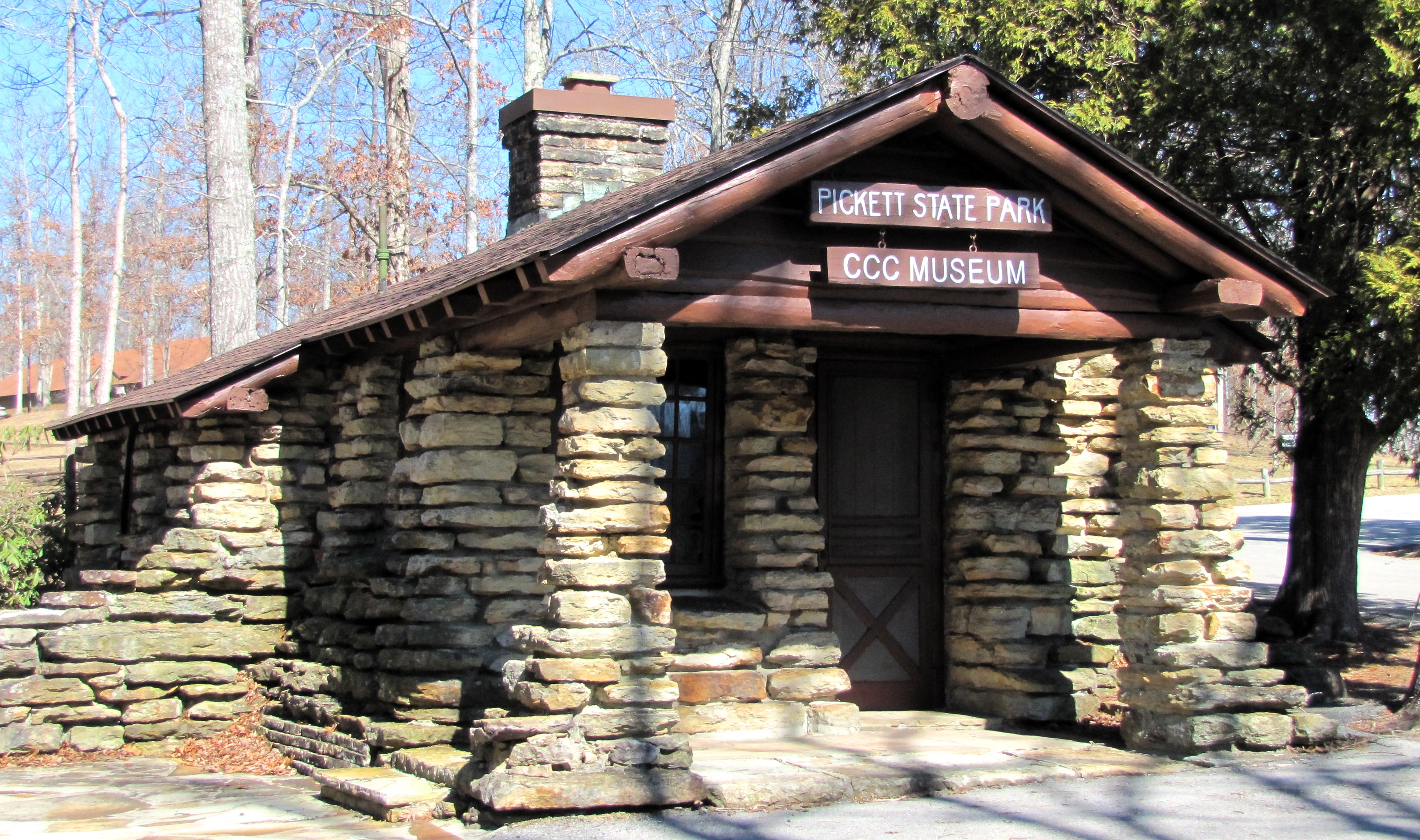
Pickett's dark-sky designation gives overnight visitors another reason to linger, weather permitting. A night-sky program needs separate planning; do not assume daytime access arrangements apply after dark. For overnight plans, check the current lodging notices: the park reports its campground closed for bathhouse and campground renovations. Confirm available alternatives before arranging a stay. For a first visit, choose a manageable trail, add the museum if available, and keep a little energy for simply enjoying the forest.
5. Harpeth River State Park — Kingston Springs and the Nashville Area
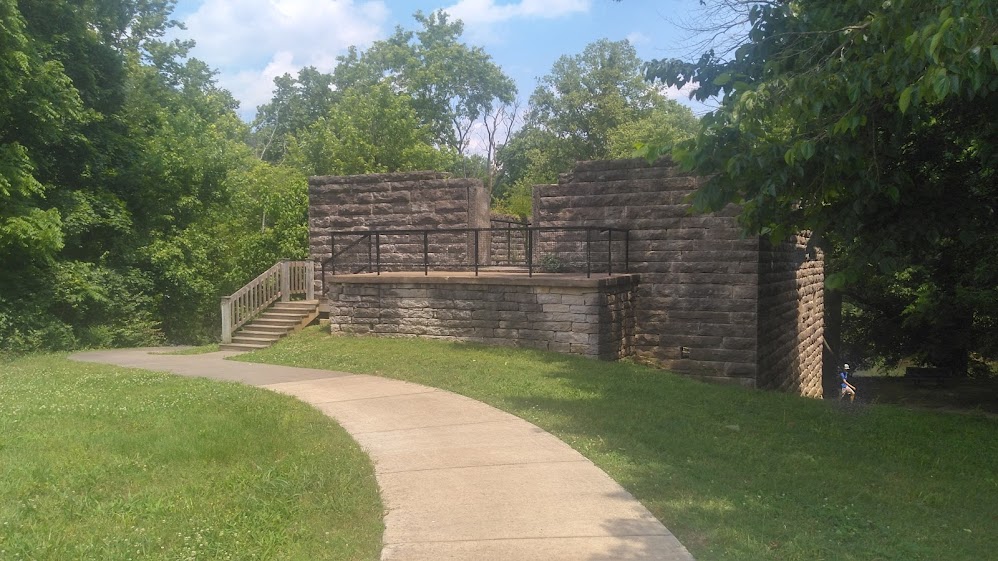
Harpeth River State Park asks you to think in sections. It follows the river through a collection of access points and natural, historic, and archaeological places rather than one compact park with a single entrance. Choosing the correct destination before you drive is part of having a good day here.
The Narrows of the Harpeth offers a particularly striking introduction. A bluff walk reveals the valley from above, but the climb is steep; a short distance on a map does not automatically mean an easy outing. Choose it for the view only if the route suits everyone in your group. Other sections offer different ways to spend time along the river, including the historic ruins at Newsom's Mill.
Paddling is another possibility, with local outfitters providing rentals and trip information. Conditions matter more than an appealing photograph: high water can close access sites, and a float requires a workable launch, takeout, and transport plan. The park is day-use only, so account for closing gates rather than treating sunset as your only deadline. One well-chosen section is enough for a rewarding visit; there is no need to collect them all.
6. Fort Loudoun State Historic Park — Vonore
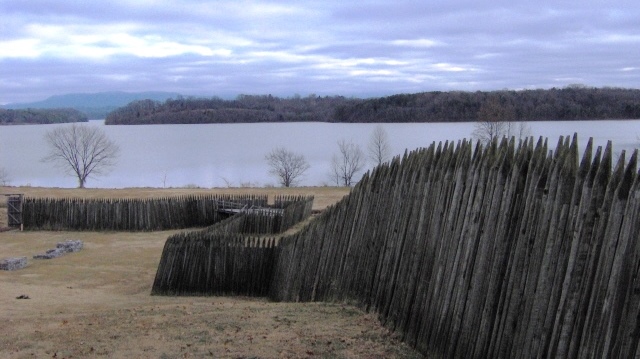
A reconstructed British fort gives this park a different kind of focal point. The original Fort Loudoun dates to the French and Indian War era, and the structures visitors see today help make that distant period easier to imagine. Treat the reconstruction as an interpretation of the past, not as untouched eighteenth-century buildings.
Begin with the interpretive center when it is open. Exhibits and archaeological material provide context that a walk around the fort alone cannot supply. They can help turn questions about the buildings into questions about the people who lived in the region and the conflicts that shaped their lives. Leave time to read instead of moving through simply for photographs.
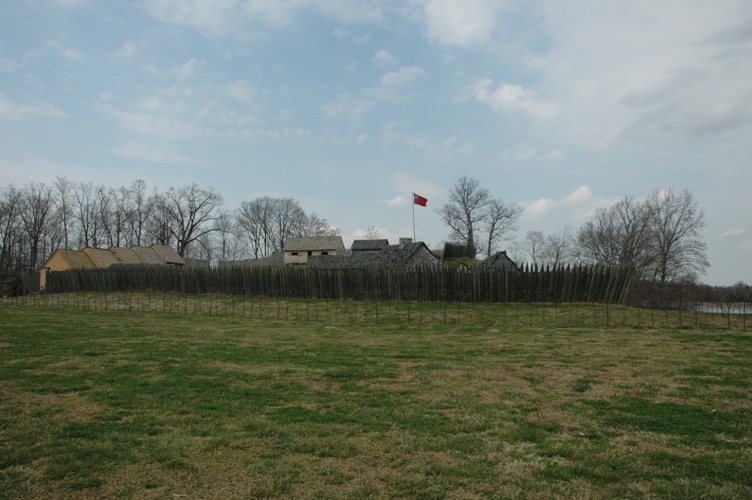
This is a strong choice for travelers who enjoy combining an outdoor setting with history. Check the park calendar before setting out. As of November 14, 2026, the park reports a one-day closure for a managed hunt, with reopening planned for November 15, plus a construction-related phone and internet outage. A quiet ordinary day and a programmed event are different experiences, each worth planning on its own terms. Allow room for the setting as well as the exhibits rather than fitting the fort into a hurried roadside stop.
7. Bicentennial Capitol Mall State Park — Nashville
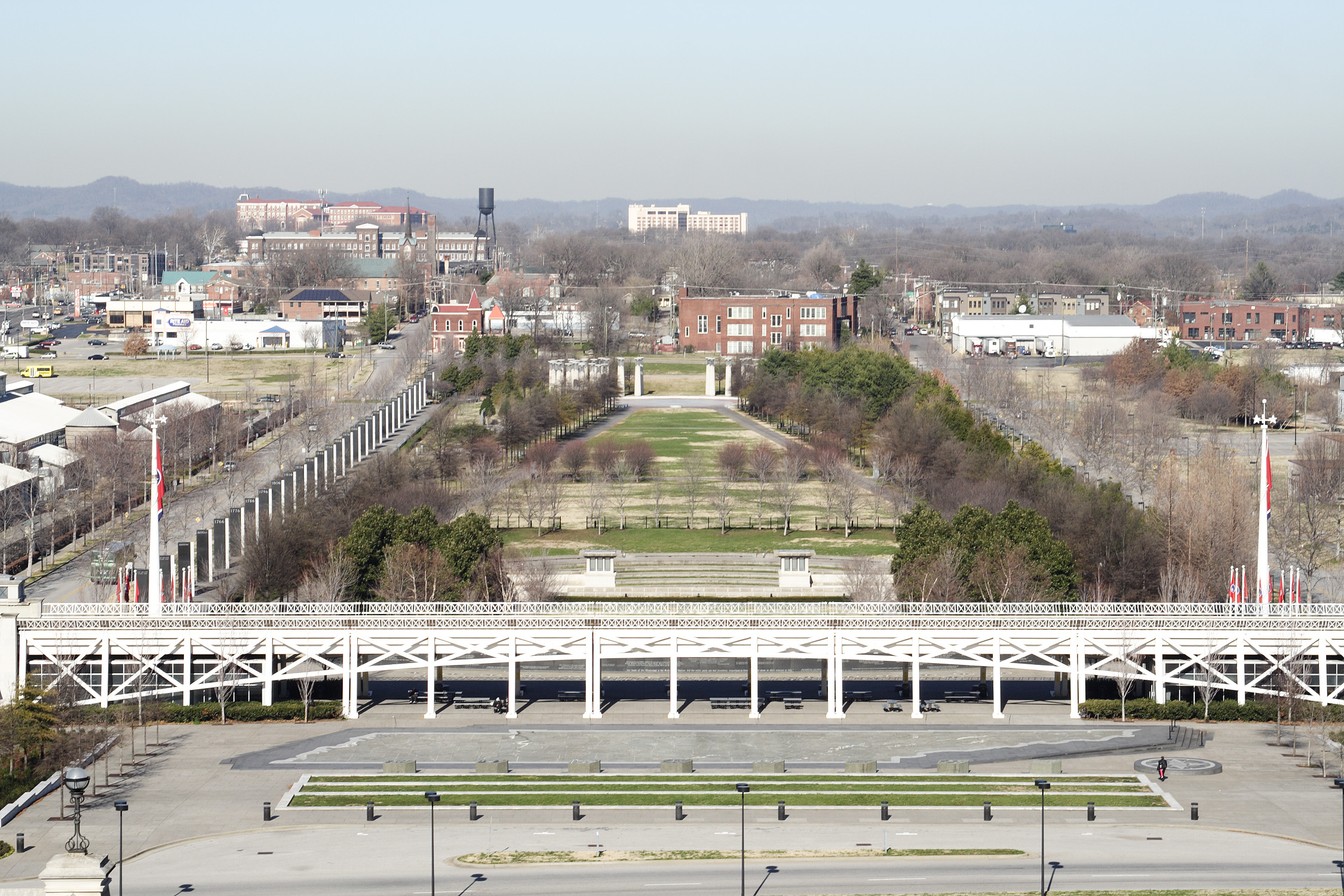
Not every memorable park day needs a forest. Bicentennial Capitol Mall uses outdoor space to tell Tennessee's story, with the State Capitol providing a dramatic backdrop. It is a place to walk, read, compare, and occasionally stop in the middle of a map to work out where you have been.
That map is a 200-foot granite representation of the state. Elsewhere, the Pathway of History and a 95-bell carillon offer different ways into Tennessee's past and identity. The details reward visitors who arrive with questions: find a familiar county, trace a river, or notice a part of the state you have yet to explore.
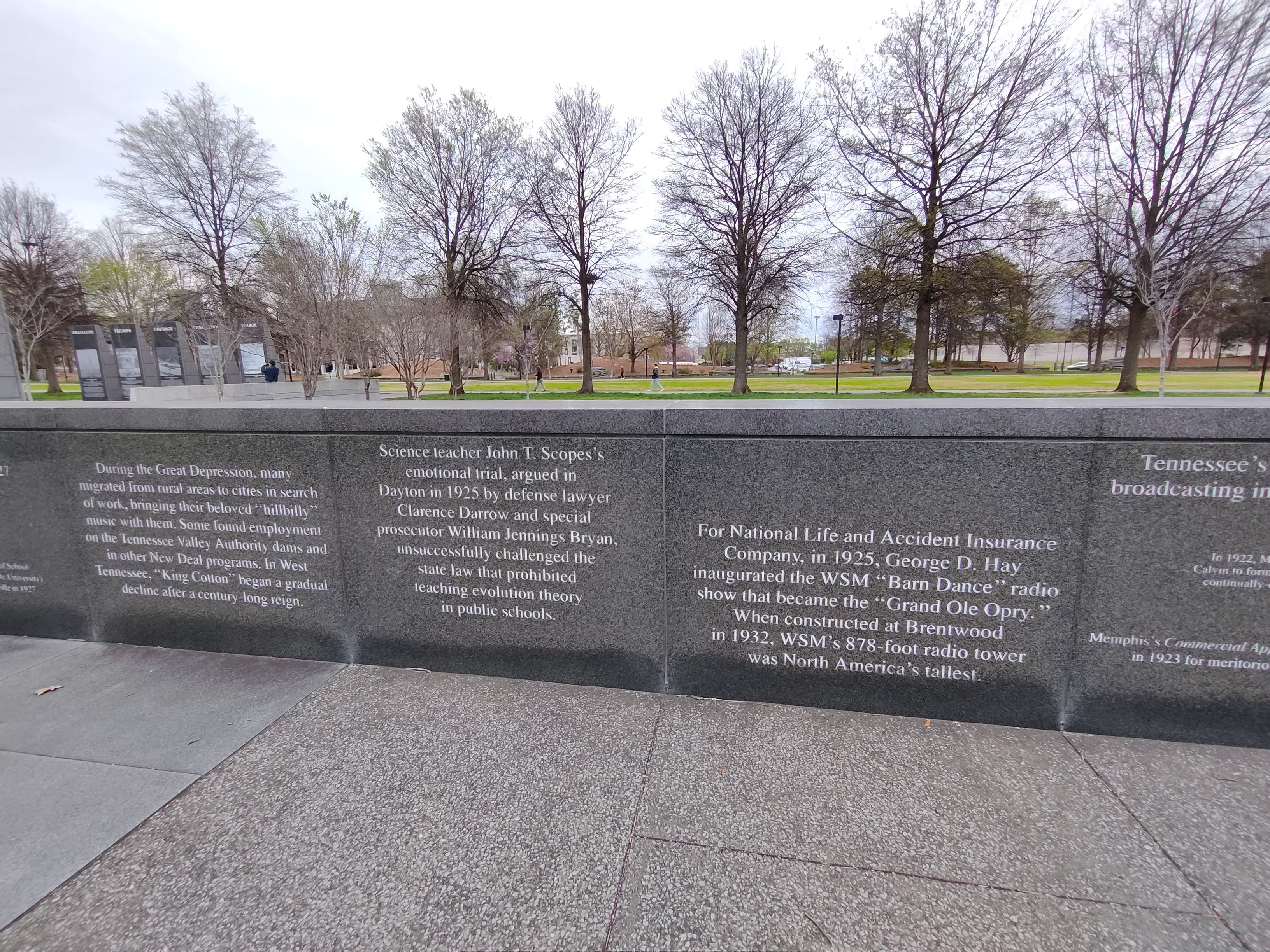
The city setting makes this a different proposition from the woodland outings elsewhere in this list. Consult current accessibility and parking information for the entrance that best fits your group. Give the monuments more than a quick glance, and check the event calendar if you are hoping for a particularly quiet visit. The reward here is the chance to understand the state while spending time outside, without organizing a separate wilderness excursion.
How to Choose Your Park Day
Start with the kind of day you want. Reelfoot and Radnor favor patient wildlife watching; Cumberland Mountain offers a lake-centered outing; Pickett brings sandstone scenery and CCC history. Harpeth needs a little more route planning, while Fort Loudoun and Bicentennial Capitol Mall reward visitors who enjoy reading the landscape through history.
Then check the details that could change the plan: weather, closures, individual building hours, trail surfaces, and reservations for programs or lodging. These parks are spread across Tennessee, so group them by region instead of trying to link the whole list. Take the current map, choose a realistic first stop, and let the afternoon remain an afternoon. A park does not have to exhaust you to give you a day worth remembering.