An old storefront can be a lovely reason to pull over. It can also be the beginning of a much better Tennessee day: a story told on a small stage, a museum inside a former railroad depot, or a square where the buildings lead you toward a chapter of history you didn't expect.
These eight communities stretch from the Smokies to Middle Tennessee. Some are small towns and others are larger county seats, but each offers a good reason to park the car and look beyond the first pretty block.
1. Jonesborough: A town that knows how to tell a story

Jonesborough's Main Street offers the kind of first impression that makes you want to slow your walk. Historic buildings line the center of Tennessee's oldest town, but the stories told inside them are just as important as the architecture outside.
Start at the Chester Inn State Historic Site and Museum. Operated by the Heritage Alliance, the museum traces the town's history from its founding in 1779 and includes exhibits on the inn and the short-lived State of Franklin. Ask about current tours and hours before arriving, especially if you want to see rooms beyond the museum gallery.

The International Storytelling Center gives the visit a different rhythm. It hosts a seasonal teller-in-residence series, while the National Storytelling Festival brings performers and audiences to Jonesborough each fall. Check the calendar and ticket details; a festival weekend and an ordinary weekday can feel like two different trips.
Leave time afterward for downtown shops and a meal. Jonesborough is particularly rewarding when you combine the visible details of an old street with the voices and experiences that make its history more than a collection of dates.
2. Franklin: A square with a deeper history
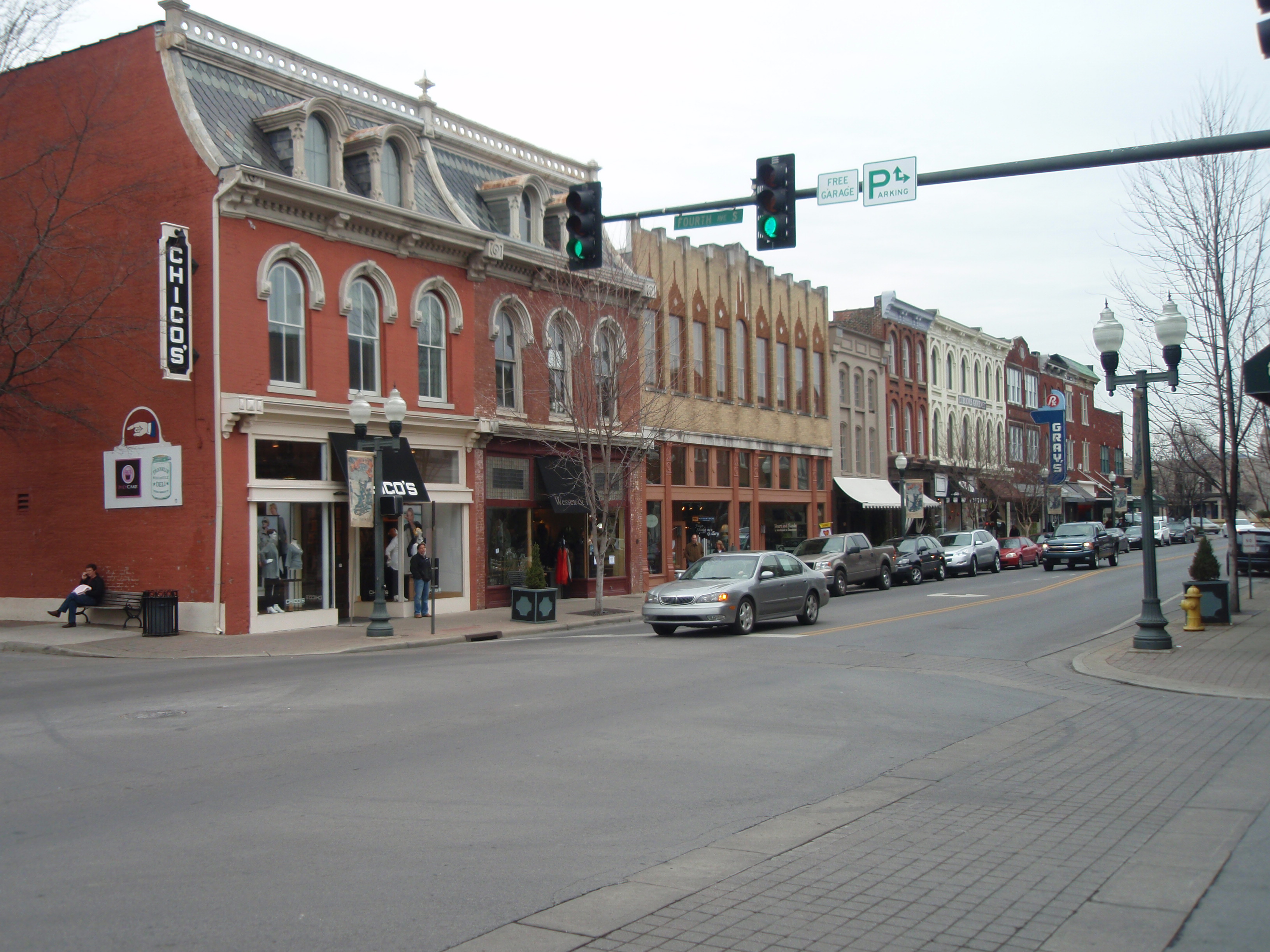
Franklin's historic downtown makes it easy to begin with a walk. Its visitor center sits on Main Street, within a district of brick sidewalks, older buildings, independent shops and places to eat. Start near the Public Square, then follow whichever storefront catches your attention.
The city also asks visitors to look beyond the appealing streetscape. Franklin was the site of a devastating Civil War battle in 1864, and local historic sites interpret the conflict and its aftermath. If that history is your focus, allow time for a guided visit rather than treating it as a quick stop between shops.

Downtown, the March to Freedom statue is part of the city's Fuller Story project, which addresses African American history and the role of United States Colored Troops. It adds an important perspective to the square and the stories told around it.
Ask the visitor center about a walking map and current tours, and check individual sites for admission, schedules and accessibility. Franklin is larger than several other places on this list, so a little advance planning helps keep the day centered on what you actually want to see.
3. Bell Buckle: A little railroad-square browsing

Bell Buckle is a good choice for a day built around an uncomplicated pleasure: wandering into a shop because something in the window made you curious. Railroad Square is the heart of that experience, with antique and gift businesses in a compact downtown setting.
The buildings carry their own histories. A Tennessee tourism listing for Hilltop Antiques notes that its building once served as a bank and retains a vault. Another listing describes Phillips General Store Antiques in an old dry-goods store with original fixtures. Check directly before visiting; shops change hours, ownership and inventory.

Plan to browse rather than race. One person may find old kitchenware, another a piece of local art, and someone else might be perfectly happy with a coffee and a look at the street. That's a useful feature of a small-town trip: the itinerary can bend around the group.
Festivals can bring a very different crowd and atmosphere to Bell Buckle. If an event is your reason for coming, verify its current date and parking information. For a quieter visit, check business hours and choose a day that fits the pace you prefer.
4. Granville: A general store and a night of music

Granville turns a small riverside community into a collection of stories, exhibits and experiences. Begin at the T. B. Sutton General Store, where visitors can ask about a town tour and find out which attractions are operating that day.
The historic organization describes a group of museums and restored buildings that includes the Sutton Homestead and Pioneer Village. A tour ticket may cover multiple sites, but hours and guided-tour availability are important details: Granville's visitor experience relies heavily on volunteers and is not necessarily open every day.

Music gives the town another reason to linger. Tennessee's tourism office highlights the Sutton Ole Time Music Hour, a live bluegrass program associated with the general store. Check the official schedule, ticket and meal arrangements before making an evening of it; do not assume a performance will be available on every visit.
Granville is beside Cordell Hull Lake, part of the Cumberland River system. Give yourself time to appreciate the setting as well as the exhibits, and confirm access to any particular waterfront activity separately.
5. Townsend: The railroad story before the mountain road

Townsend is often described as a quieter gateway to Great Smoky Mountains National Park. Before heading into the mountains, consider a stop that explains part of how this community grew: the Little River Railroad and Lumber Company Museum.
The museum is housed in a former railroad depot and tells the story of the logging and rail operations that shaped Townsend and nearby places. Outdoor exhibits include a Shay locomotive and equipment connected with the industry. The museum listing says the grounds remain accessible during the winter off-season while the indoor museum and gift shop close; confirm current conditions before you go.

From Townsend, Cades Cove is a separate national park outing. Its loop road offers historic buildings and mountain scenery, but the road is popular and can take longer than its mileage suggests. Wildlife sightings are never guaranteed, and visitors should give animals plenty of space.
The National Park Service generally closes the Cades Cove loop to motor vehicles on Wednesdays from May through September, with dates and weather affecting access. Check the current road schedule, parking requirements and alerts before leaving. A museum morning and a thoughtfully planned park visit can make a full day without rushing either.
6. Lynchburg: A courthouse square beyond the distillery

Lynchburg's name is familiar to whiskey travelers, but its town square is worth exploring even if a distillery tour is not on your agenda. Tennessee's tourism office highlights shops, antiques and restaurants around the square in the heart of Moore County.
Walk the square first and see which businesses are open. Then decide whether you want a longer visit centered on the nearby Jack Daniel's distillery. Tours have their own age requirements, schedules and ticket options, so check directly before making a reservation.

If you're traveling with children or prefer not to visit a distillery, let the square be the main event. A meal, a little shopping and time to look at the courthouse area make a straightforward outing that does not depend on a tasting.
For a longer stay, investigate Tims Ford State Park as a separate destination in the region. Park access, water conditions and activities can change with season and weather, so consult the park before setting out rather than treating it as a stop right on the square.
7. Columbia: Presidential history and a lively square

Columbia combines a courthouse square with an unusually direct link to a U.S. president. James K. Polk, the nation's 11th president, lived in the family home here as a young man; the Polk Home and Museum preserves artifacts and interprets his life and era.
Check tour times and admission before you go, then leave room for the rest of downtown. Tennessee's tourism office describes Columbia's arts community, shopping and dining as reasons to spend time beyond a single historic site.

The square works well as an anchor. Choose a place to eat, browse a shop or gallery, and watch how the historic center functions as a present-day gathering place. If a performance is on your wish list, check the venue's calendar rather than assuming an event happens every weekend.
Columbia also celebrates its agricultural connections through Mule Day. A festival visit brings extra activity and potential crowds; on another day, the same streets offer a different, more relaxed look at the community. Confirm dates and logistics if you're planning around a particular event.
8. Dayton: A courthouse that made national news

Dayton's Rhea County Courthouse is linked to one of the best-known legal controversies in American history: the 1925 Scopes trial over the teaching of evolution. A visit offers a chance to consider the people and arguments behind a story that is often reduced to a few familiar phrases.
The Scopes Trial Museum is associated with the courthouse, but opening hours and access to the courtroom can change with public business and special events. Verify the current schedule before making the drive, and remember that a working courthouse may have security rules.

Build the rest of the outing around the town and the interests of your group. A meal and a walk can give you time to talk about what you saw, while the broader area offers outdoor activities that need their own conditions and access checks.
Dayton's value as a stop lies in the contrast between a modest town setting and the national debate that converged there. Give yourself enough time to read the exhibits and consider their context; the courthouse is more rewarding as a place to learn than as a photograph taken through a car window.
Before You Go
These destinations are spread across Tennessee. Choose one or two that suit your available time, and check current museum hours, event dates, park access, accessibility, fees and road conditions directly before traveling. Some historic sites and small businesses operate seasonally or depend on volunteers.