Riding DART light rail through downtown Dallas now comes with a new step at two stations. Starting Monday, Nov. 16, Dallas Area Rapid Transit is running a 90-day trial called Operation Access that puts fare checks and uniformed officers front and center on the rail system.
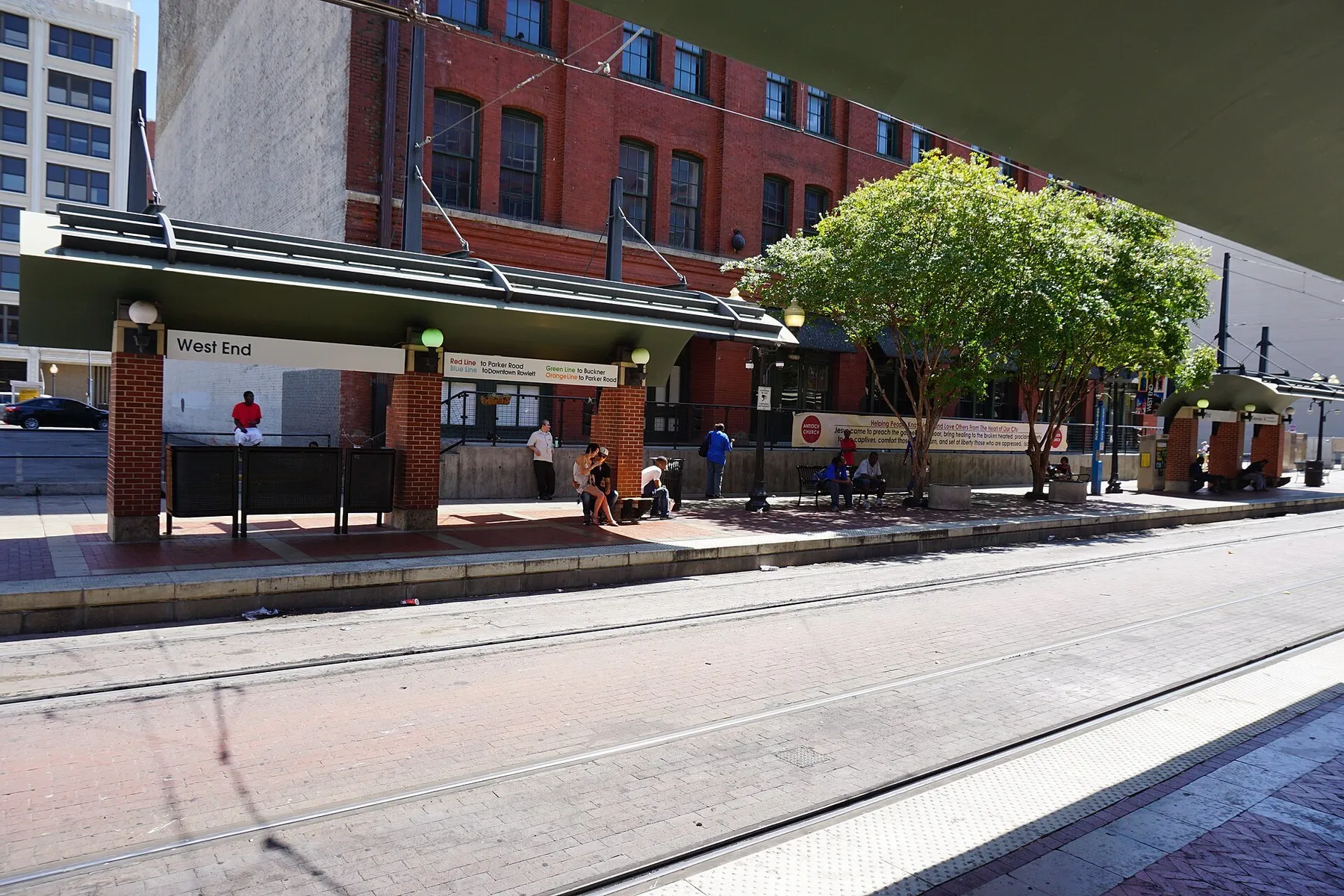
Show your fare at West End and Pearl/Arts District
At West End Station and Pearl/Arts District Station, every rider boarding the train now passes through barriers and has a ticket checked before reaching the platform. DART says those inspections may add brief delays during rush hour, but it designed the checkpoints to keep lines moving and expects any extra wait to be short.
If you ride from those stations, the simplest move is to have a valid pass or ticket ready before you walk up.
More officers along the main corridors
The trial is not limited to downtown. DART Police officers, fare enforcement officers and transit security officers are also being posted at Bachman, Forest Lane, LBJ/Skillman, MLK Jr. and 8th & Corinth stations. DART describes those stops as key entry and exit points for trips into and out of downtown, and says the goal is a steady, visible presence along those lines.
DART Police Chief Charles Cato said riders who see consistent security and know fares are being checked feel safer and more comfortable, and that this first phase delivers those benefits right away while the agency gathers information for the future.
A test run for fare gates across the system
DART calls Operation Access part of a long-term plan to modernize fare enforcement. Data from the next 90 days, including how riders move through the checkpoints, will help the agency decide whether and how fare-gated stations could be rolled out more widely on light rail.
DART President and CEO Nathaniel P. Ford Sr. said the effort lets the agency act now on safety and fare compliance while collecting the information it needs to shape rail security going forward. DART serves a 12-city region and carries more than 171,000 passengers a day across its rail, bus and on-demand services, so whatever it decides could touch a lot of North Texas commutes.