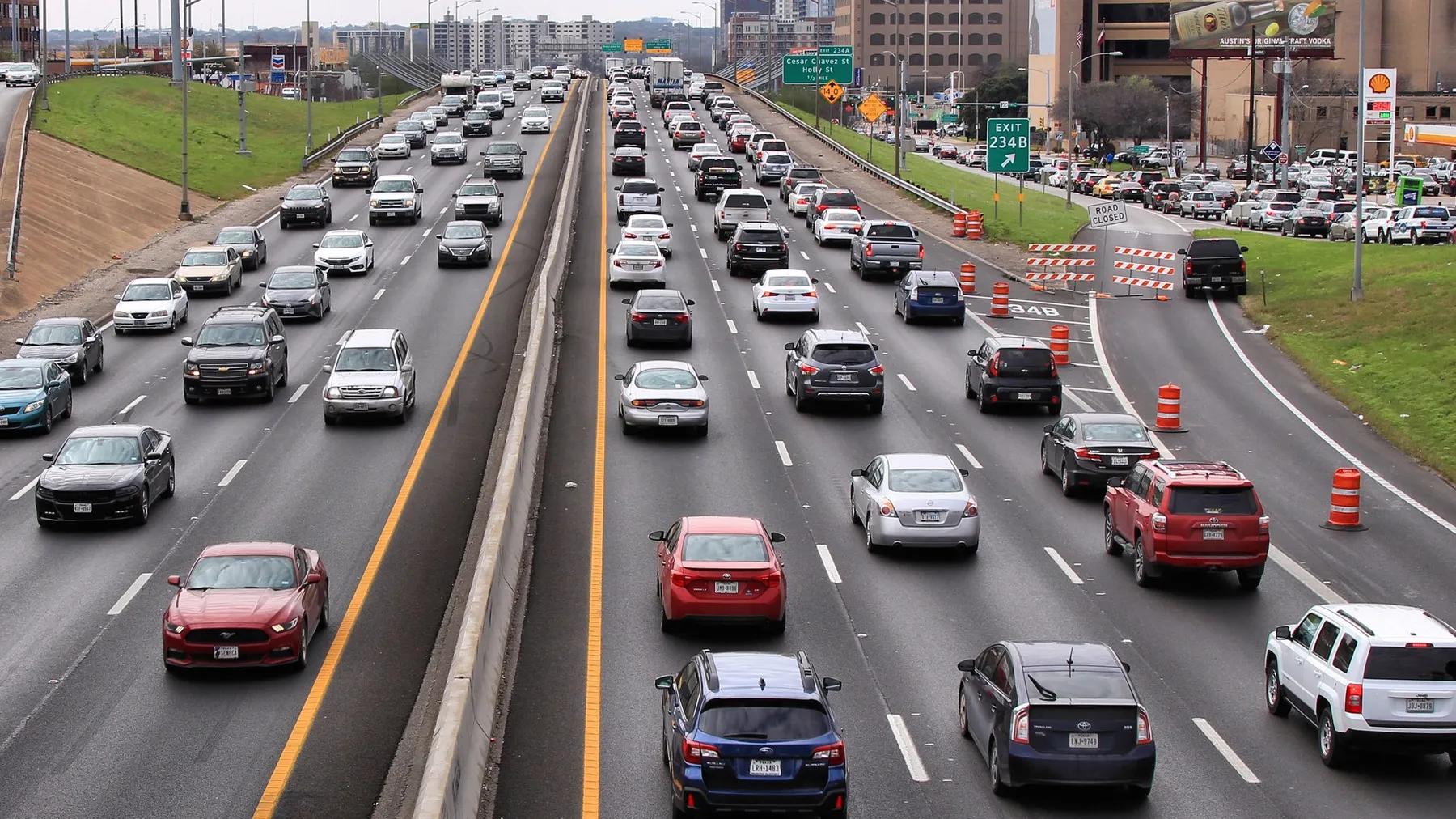
Anyone who has crawled down I-35 between San Antonio and Austin knows the drive can eat an afternoon. On Monday, Nov. 16, San Antonio District 7 Councilmember Marina Alderete Gavito filed a formal request asking the city to help push a passenger rail line linking the two cities back onto the front burner.
What the council request asks for
The filing is a Council Consideration Request, the tool San Antonio council members use to put a new policy idea before City Hall. It asks the city to bring regional partners to the table, including Bexar County, the Alamo Area Council of Governments, the Alamo Area Metropolitan Planning Organization, the San Antonio Mobility Coalition, the Central Texas Alliance and the advocacy group San Antonians for Rail Transit.
It also calls for working with local governments up and down the I-35 corridor to study whether a San Antonio-to-Austin line is feasible, with a possible extension toward Dallas-Fort Worth later. City staff would be asked to come back with recommendations in time for any charter amendments, citywide votes or state action the project might need. The request now heads to the council's Governance Committee.
Alderete Gavito said high-speed rail would open thousands of jobs across the region to San Antonians and give travelers a faster, safer and more reliable way to move between two of the state's biggest economies.
A bill is already waiting in Austin
The timing lines up with the 90th Texas Legislature, which convenes Jan. 12, 2027. Early bill filing opened Nov. 9, and State Rep. John Bucy of Austin has already filed House Bill 270. That bill would direct the Texas Department of Transportation to sign a development agreement with a private company to build and run a rail line linking Dallas, Waco, Austin and San Antonio, with trains capable of at least 110 mph.
Like any bill, it would need to clear committees and pass both chambers before reaching the governor's desk, so nothing is guaranteed.
A decade of talk, and a big price tag
Connecting the Alamo City and the capital by rail is an old idea. The Lone Star Rail District was created around 2015 to study it and spent more than $20 million in public money without laying any track. A more recent feasibility study commissioned by Travis County put the cost of a high-speed San Antonio-Austin line at about $13.5 billion.
Supporters argue the steady growth of the corridor, and the daily backups on I-35, make the case stronger every year. For now, Monday's request is a first step: it asks San Antonio to organize partners and funding conversations, not to start construction.