If you are flying out of North Texas this week, check your airline app before you leave the house. Three days after a nationwide FAA ground stop froze U.S. air travel on Friday, Dallas Fort Worth International Airport is still near the top of the country for cancellations, and the investigation into what went wrong runs straight through the Texas Panhandle.
DFW is still digging out
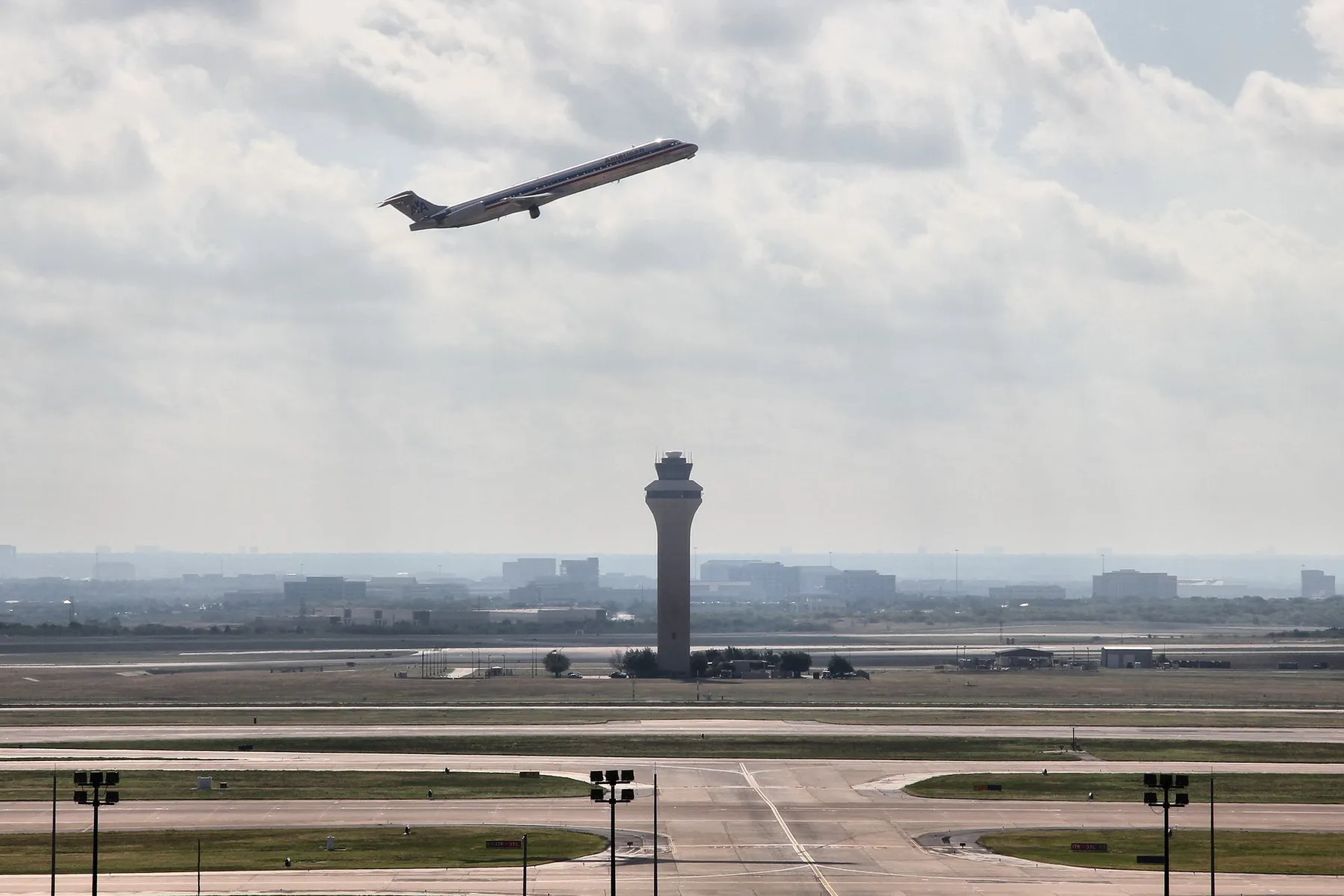
By early Monday, Nov. 16, flight-tracking site FlightAware showed more than 50 cancellations and more than 100 delays at DFW, putting it at or near the top of the national list alongside Chicago O'Hare. American Airlines, which runs its largest hub at DFW, accounts for a big share of the remaining cancellations.
The weekend was rougher. About 300 DFW flights were canceled by Saturday morning, and on Sunday DFW was among the hardest-hit airports in the country with nearly 200 cancellations and more than 350 delays. Many travelers spent Friday night inside the terminals waiting for rebooked connections.
Why the recovery is taking days
A ground stop is a few hours on paper, but it scatters planes and crews across the country. The union representing Southwest Airlines flight attendants estimated that 8,000 to 9,000 of its members were affected, with some working 20 to 25 hours straight. Federal rest rules mean those crews have to sit out before they can fly again, which keeps the ripple effect going into the week.
Dallas Love Field added its own wrinkle: the airport briefly shut down Saturday night over a reported threat that police later said was unfounded. No one was hurt, and Love Field is operating normally.
An Amarillo radar site is part of the investigation
The FAA says the ground stop began around 3:30 p.m. Eastern on Friday, Nov. 13, after its legacy telecommunications network was flooded with data, about 1,000 connection attempts every few seconds. That destabilized radio and radar feeds at 17 of the country's 22 air route traffic control centers. Flights resumed around 8:15 p.m. Eastern.
The FAA's initial investigation points to two remote sites: a radar facility in Amarillo, Texas, and a radio communications site in El Dorado, Arkansas, where contractor L3Harris had been installing a new router. Both sites were cut off from the network, which stabilized the system, and the same function was disabled on about 60 similar routers. Transportation Secretary Sean Duffy said there is no sign of a cyberattack, and the two routers are undergoing diagnostic testing with help from the FBI. The FAA says every aircraft in the air at the time landed safely.
What Texas travelers should do now
Check your flight status before heading to DFW or Love Field, arrive early for longer lines, and lean on your airline's app for free rebooking options. With Thanksgiving travel about 10 days away, airlines are racing to get crews and aircraft back where they belong before the holiday rush.