Alaska’s past is not confined to a museum case. It lives in a forest where carved poles tell stories, a gold-rush town whose streets once filled with prospectors, and a remote copper-mining settlement framed by mountains. Visiting these places rewards a slower kind of trip: one that makes room for the people and communities behind the scenery.
Skagway, Sitka, and Kennecott are far apart and are best treated as separate itineraries. Their visitor services are seasonal, and getting between Southeast Alaska and the state’s interior involves far more planning than connecting dots on a map.
1. Skagway: Follow the Story of the Klondike Gold Rush
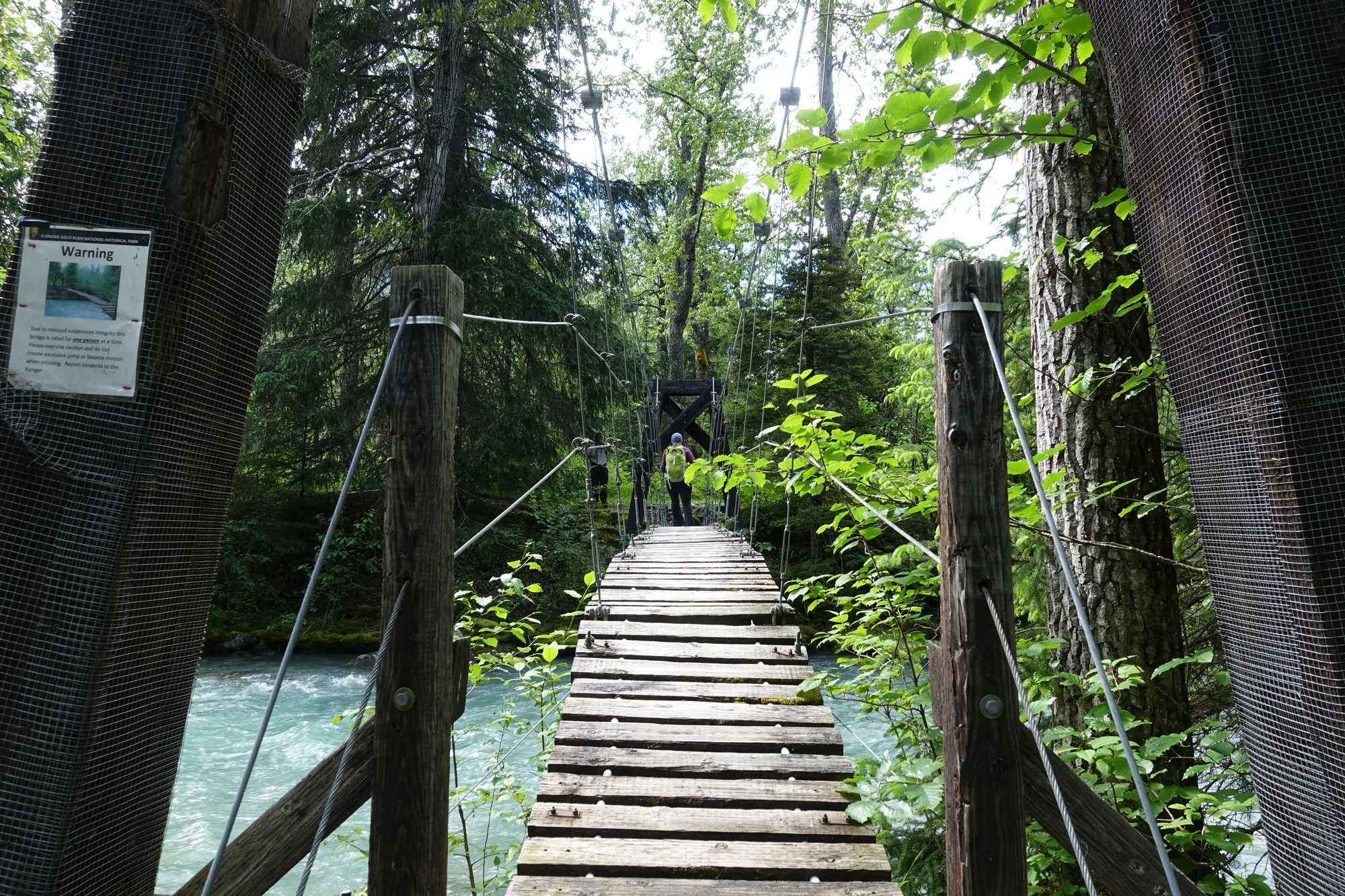
In Skagway, the Klondike Gold Rush National Historical Park offers a starting point for understanding the frantic movement of people and supplies toward the Yukon goldfields in the late 1890s. Begin at the park visitor center and museum, then explore the historic district with time to read the signs and look beyond the storefronts.
One stop with a particularly layered history is the Jeff. Smiths Parlor Museum. The building associated with the notorious “Soapy” Smith later became an eccentric museum filled with objects and stories from Skagway’s past. The National Park Service says limited, free, same-day timed tickets are required and available at its visitor center; check current availability and hours before relying on a visit.
The Chilkoot Trail provides another perspective on the rush, following a route connected to generations of Indigenous travel and trade as well as the later stampede. It is not a casual extension of an afternoon on Broadway. Overnight travel requires advance planning, permits during the designated season, and attention to current conditions; hikers must stop at the Chilkoot Trail Center before starting. Ask park staff which options match your experience, equipment, time, and the season.
Make it a thoughtful visit: Build in time for the park museum before shopping or taking another excursion. Skagway can be busy during the cruise season, while hours and transportation schedules shift substantially outside summer. The park no longer offers ranger-led walking tours of town, so check its current visitor information for self-guided options and museum access.
2. Sitka: Walk a Forest Trail and Learn Tlingit History
Sitka National Historical Park combines coastal rainforest with history that deserves more than a quick photograph. Its Totem Trail passes a collection of poles associated with Tlingit and Haida communities and leads through the landscape of the 1804 battle between Russian forces and the Kiks.ádi Tlingit.
Start at the visitor center to gain context for the trail and the Native cultures represented there. The National Park Service notes that the trail and nearby grounds include both original and replica poles carved by Alaska Native artists. Each is a cultural work connected to particular people and stories, not simply decoration in a scenic forest.
The park also interprets the complex period of Russian colonial presence in Alaska. Rather than reducing the past to a single date, take time to read the park’s account of the 1804 battle and the Indigenous resistance associated with the site. Sitka is a living community, and the cultures represented in the park are living cultures, too.
Plan your walk: Leave time for the visitor center, the wooded trail, and views toward Sitka Sound. Bring rain gear and footwear suited to wet Southeast Alaska conditions. Check the park for seasonal hours and the latest information on buildings and programs; trails and indoor facilities can operate on different schedules. Sitka is reached by air or water rather than by a highway from the rest of Alaska.
3. Kennecott: Discover a Copper-Mining Landscape
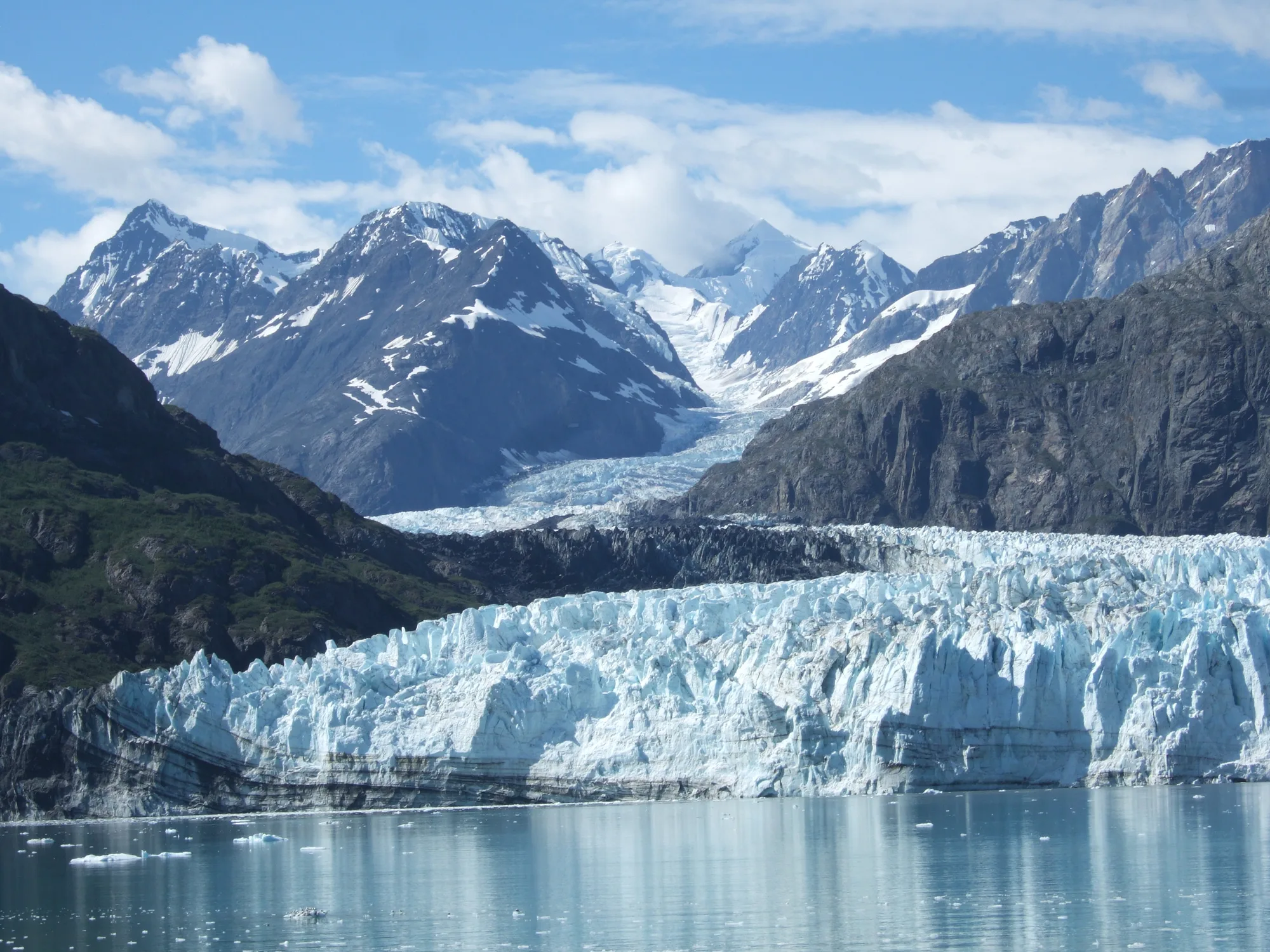
The Kennecott Mines National Historic Landmark sits within Wrangell–St. Elias National Park and Preserve, amid a landscape of mountains and glaciers. Its mill town preserves the industrial and community setting of an early twentieth-century copper-mining operation. The place is compelling because the enormous landscape and the everyday evidence of work sit so close together.
A self-guided walk through the mill town provides a way to look at historic buildings and their relationship to the surrounding valley. For a closer look at the Concentration Mill building and Leaching Plant, the National Park Service says a guided tour through its concessionaire is the way to see inside. Schedules and availability are seasonal, so arrange the tour in advance if it is the reason for your trip.
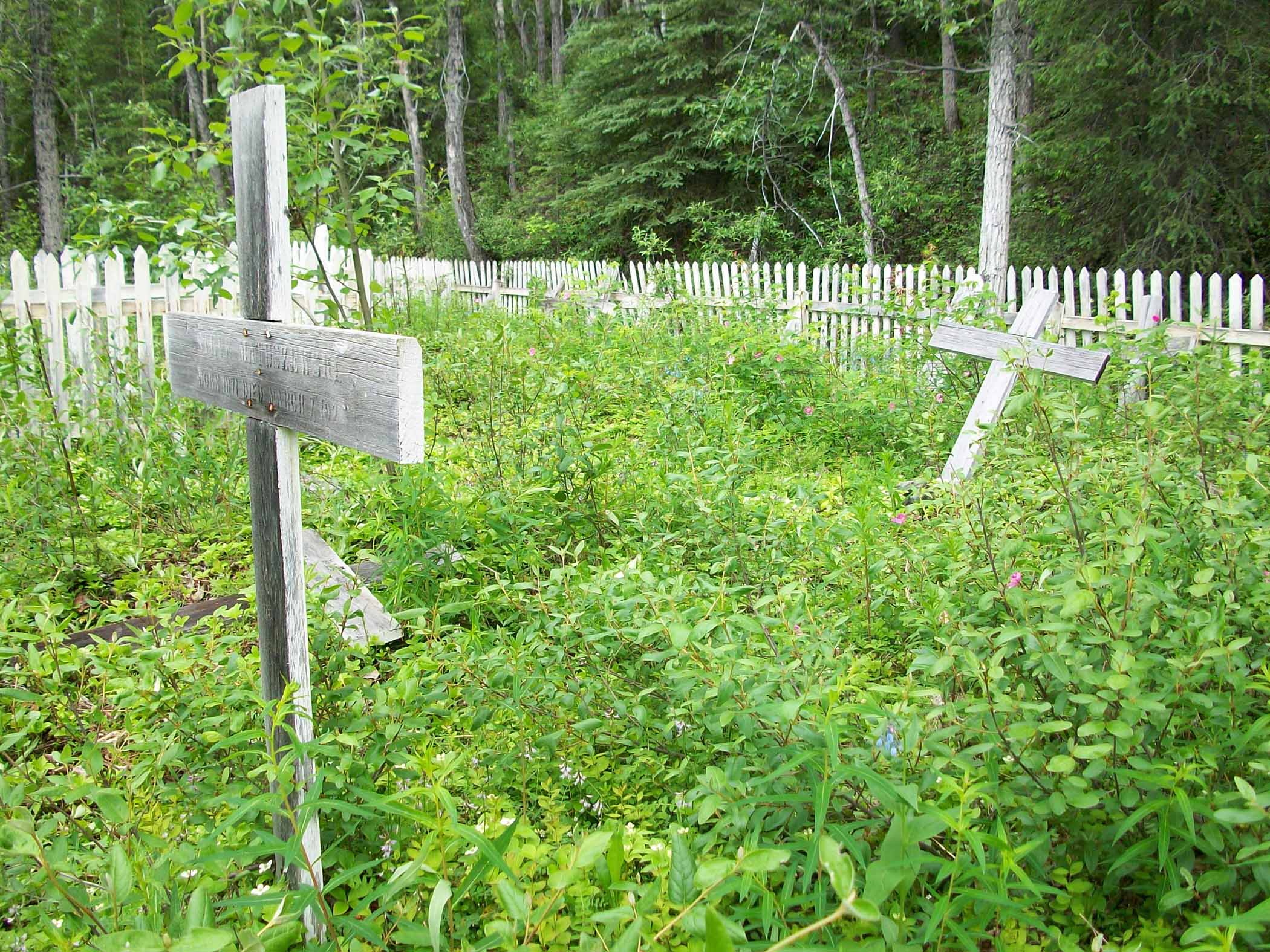
The nearby Kennecott Cemetery is another reminder that this was a community as well as an industrial site. According to the park’s cultural landscape information, it was used from 1908 to 1938. If visiting, treat the cemetery and historic structures with care, remain in public areas, and leave objects where you find them.
Getting there takes planning: The National Park Service describes the McCarthy Road as a narrow, 59-mile gravel road ending near the Kennicott River footbridge. There is no public vehicle access to Kennecott Mill Town; summer shuttles connect the footbridge area with McCarthy and Kennecott for a fee. Confirm your rental agreement, road conditions, parking, shuttle service, and accommodations before leaving. Services can be limited, and this is a long journey from Anchorage.
Before You Go
Each of these destinations tells a different part of Alaska’s story. Skagway connects a port town to the Klondike rush; Sitka places Indigenous history and art at the center of a coastal landscape; Kennecott shows the scale and human cost of an isolated industrial community. None can be fully understood from a scenic photograph alone.
Check the National Park Service’s current information for Skagway museums and trail permits, Sitka visitor services, and Kennecott access before setting your itinerary. Weather, seasonal staffing, trail conditions, and transportation schedules can all change the experience.