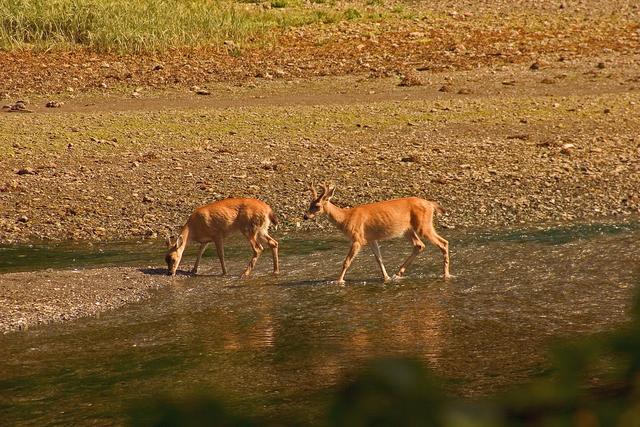
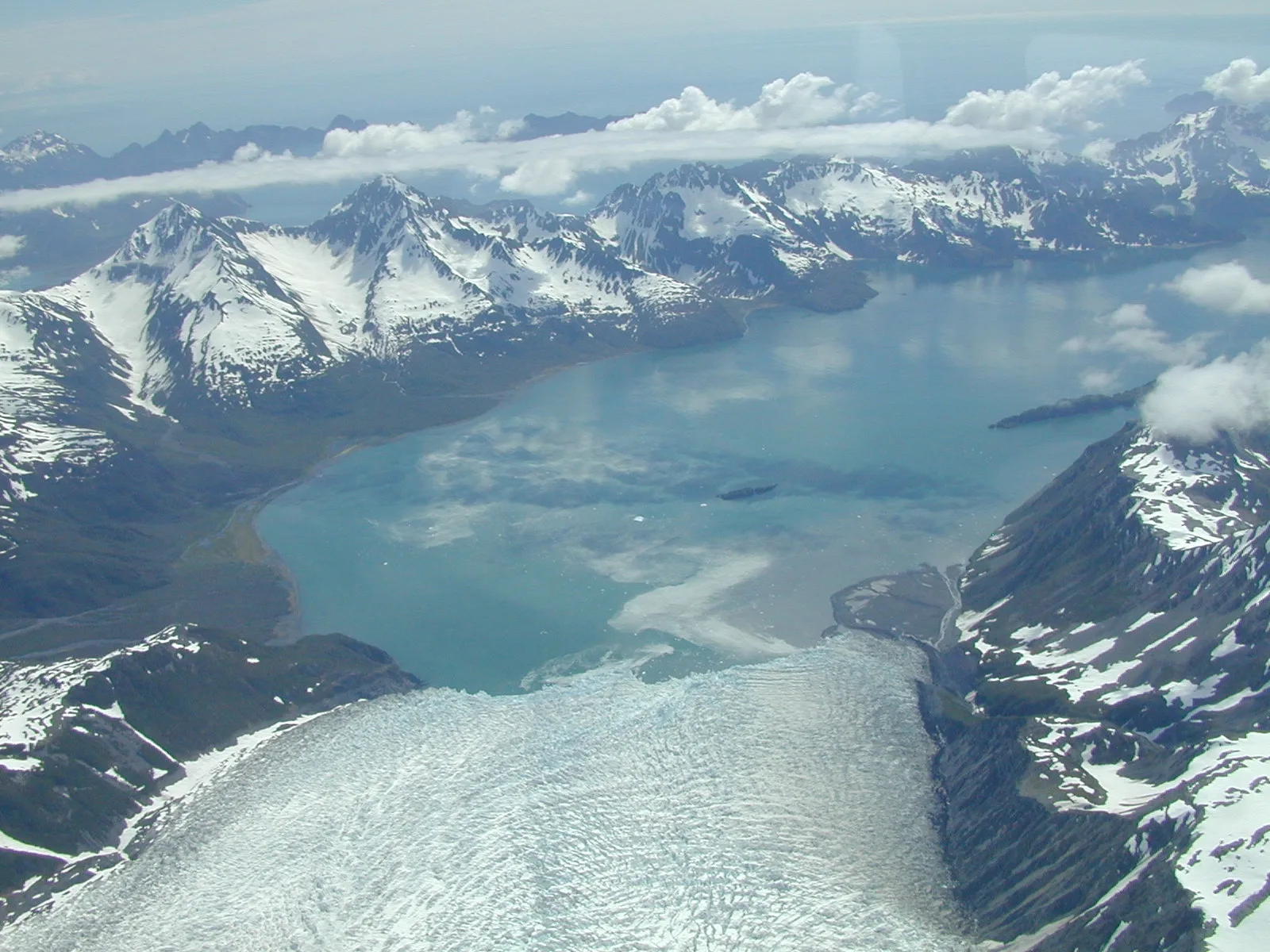
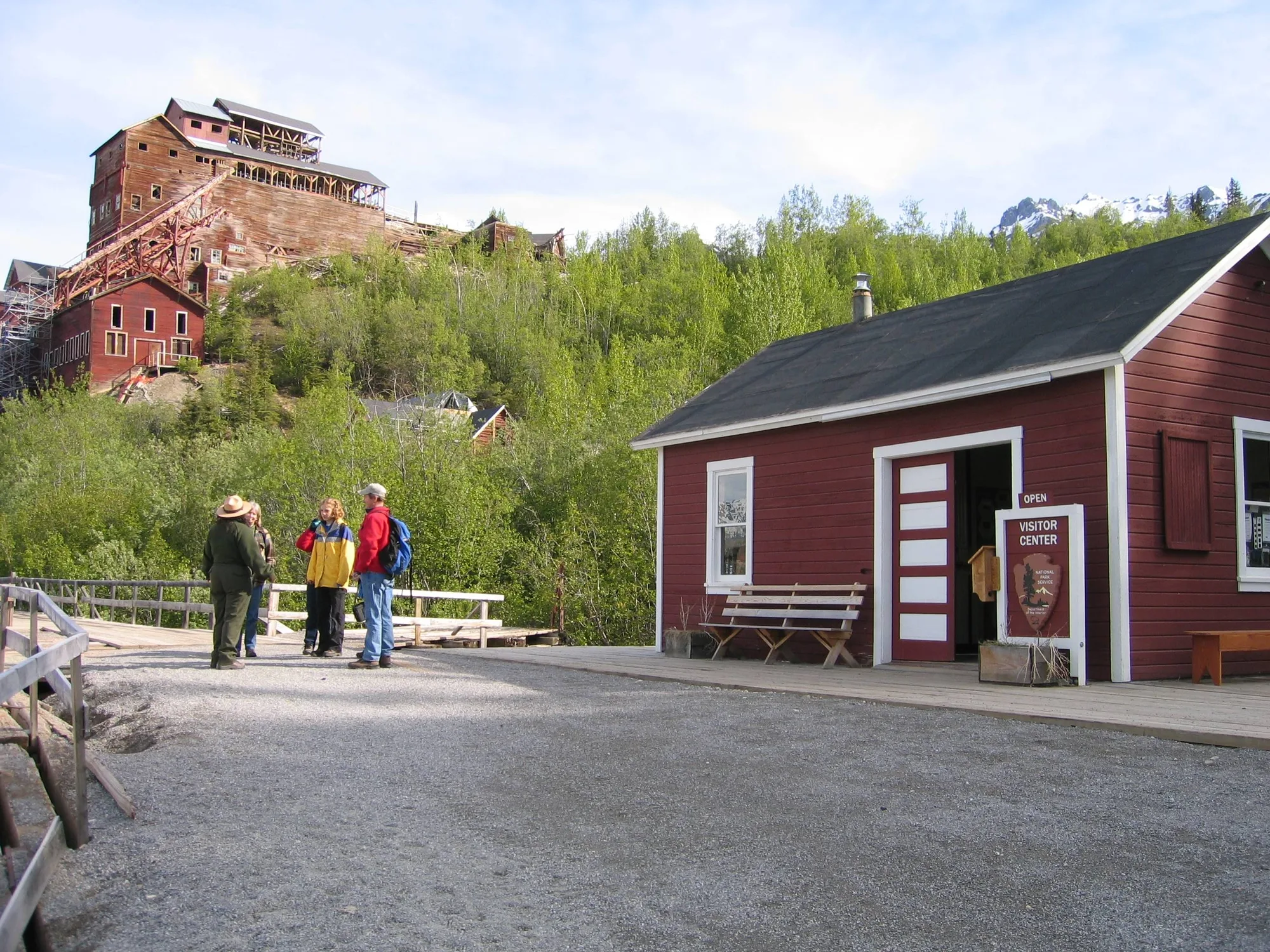
Glacier Bay is a place where a single journey can hold tidewater glaciers, coastal rainforest, marine wildlife, and the enduring homeland of the Huna Tlingit. It is also a park where the logistics are different from those of a highway-access national park. The bay’s celebrated ice fronts are reached by water, and even the visitor hub at Bartlett Cove requires a journey by air or sea.
Whether you are considering a cruise, a stay near Gustavus, or a summer day tour, these six details will help you understand the choices before you book.
1. Start With Gustavus and Bartlett Cove
Gustavus is the small Southeast Alaska community closest to the park’s main visitor area. Bartlett Cove, where the lodge, visitor center, campground, and public dock are located, is about ten miles away by road. Gustavus and Bartlett Cove are not connected to the main Alaska road system, so most visitors arrive in the region by air or water.
That means your itinerary has several moving parts: transportation to Gustavus, the connection to Bartlett Cove, accommodations if needed, and any tour into the bay. Book those pieces together where possible and leave room for weather-related delays. Confirm seasonal schedules rather than assuming a service listed for summer operates throughout the year.
If arriving on a larger cruise ship, check the itinerary carefully. Some ships travel through the bay without making a stop at Bartlett Cove. A shipboard glacier day and a land-based stay near Gustavus are both valid ways to experience the park, but they offer different opportunities.
2. Choose How You Want to See the Bay
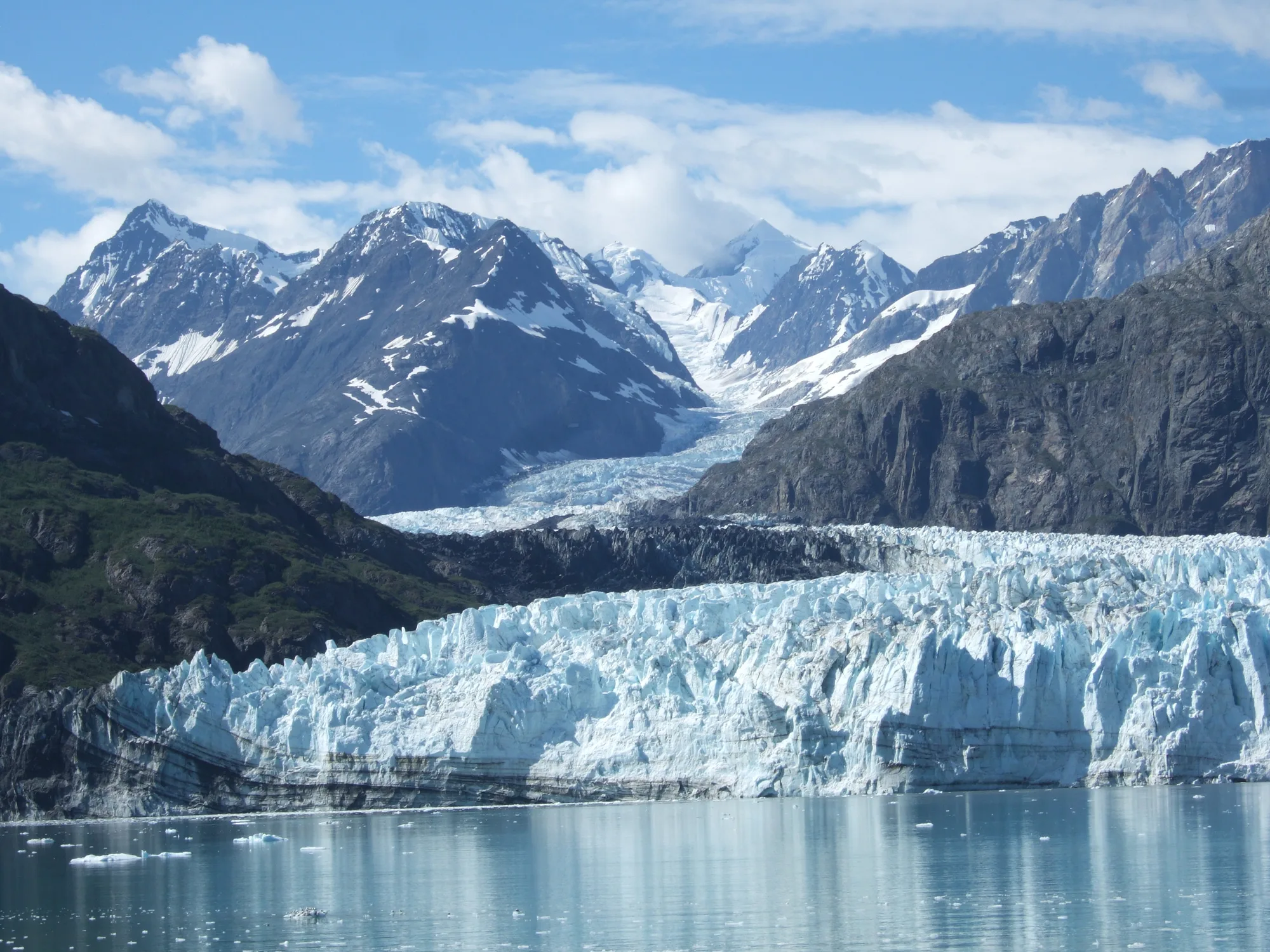
During the summer visitor season, a concession-operated day tour departs Bartlett Cove for a full day on the water, traveling toward the park’s tidewater glaciers. Other visitors see the bay from cruise ships or make specialized arrangements for boating and kayaking. Each choice involves different costs, schedules, levels of independence, and time on the water.
Margerie Glacier, shown here, is one of the well-known glaciers in the upper bay. A particular view is never guaranteed: weather, ice, wildlife protections, and vessel routing can change the day. Ask your operator about the likely route and what is included, and bring binoculars, waterproof outerwear, and warm layers for time outside on deck.
Independent boaters and paddlers need more than a scenic map. Tides, wind, cold water, vessel traffic, permits, and protected wildlife areas all affect safe travel. Review current National Park Service guidance and speak with park staff before planning an independent trip.
3. Make Time for Bartlett Cove
Bartlett Cove is more than a place to catch a boat. The Glacier Bay Visitor Center is upstairs in the lodge, where visitors can find exhibits, information, and seasonal ranger programs. Hours and staffing change by season, so check current listings before making the visitor center the anchor of a short stop.
The Forest Loop Trail offers a way to see the rainforest and the changing landscape on foot. The park provides a self-guided option through the National Park Service app; download material before the trip if you expect limited connectivity. Ask staff about current trail conditions and choose footwear that can handle wet ground.
A quiet walk can be a welcome counterpoint to a full day aboard a boat. Stay on designated paths, keep food secure, and give wildlife space. If you are camping, check the park’s specific orientation, food-storage, and campground rules before arrival.
4. Learn About the Huna Tlingit Homeland
Glacier Bay is the ancestral homeland of the Huna Tlingit, whose relationship with this landscape continues today. Xunaa Shuká Hít, the Huna Ancestors’ House at Bartlett Cove, is a gathering place developed through collaboration between the Hoonah Indian Association and the National Park Service.
The house creates opportunities for tribal members to reconnect with homeland and for visitors to learn about Huna Tlingit history, culture, and continuing relationships with the bay. Programs and visiting hours depend on tribal use and staffing, so check the park’s current calendar. Follow staff guidance and ask about photography or other expectations before entering a cultural space.
Making room for this context changes the story of a glacier tour. The bay is not an empty wilderness that began when visitors arrived; it is a living cultural landscape with people, knowledge, and histories connected to its shores.
5. Watch Wildlife From a Respectful Distance
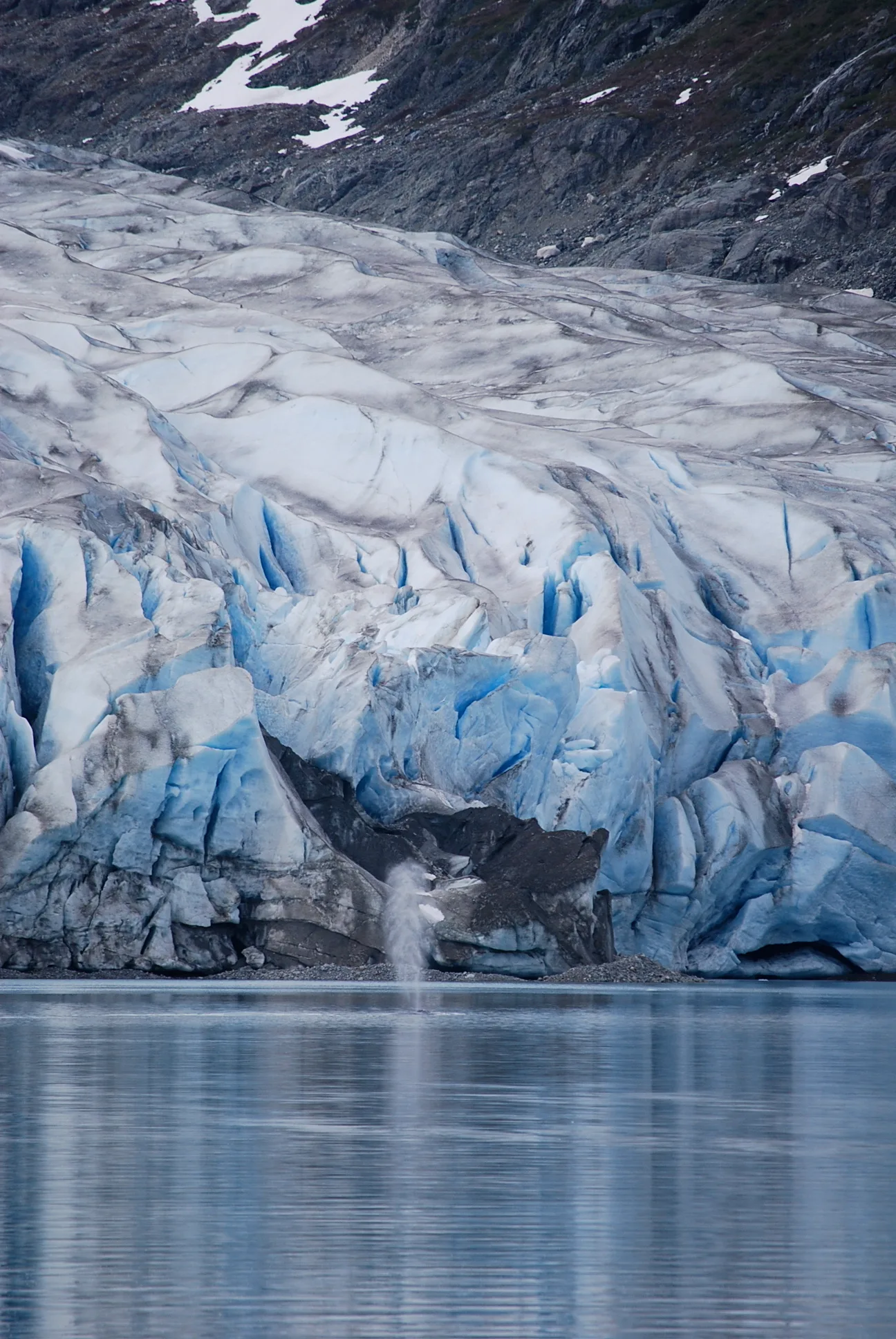
Humpback whales, sea otters, harbor seals, seabirds, and other animals may be part of a Glacier Bay visit, but no sighting is guaranteed. The park’s wildlife calendar identifies summer as a season to look for humpbacks, and the water and shoreline can be worth watching throughout the trip—not only when the boat reaches a glacier.
Use binoculars and let vessel crews manage viewing distances. Glacier Bay has specific rules intended to protect whales and other wildlife, and independent boaters are responsible for learning the current regulations. Never feed animals or ask a captain to move closer in a way that could disturb them.
6. Build a Weather Buffer
Southeast Alaska can be cool and wet even in summer. Bring a rain shell, insulating layer, and footwear suitable for wet decks and trails. If connecting flights, a boat excursion, and a lodge stay all depend on the same narrow window, consider adding a day so that a delay does not unravel the entire trip.
Before leaving, review the park’s visitor information, day-tour guidance, Bartlett Cove activities, and wildlife calendar. Reconfirm transportation and seasonal services close to departure.